Report an inaccuracy

Jeremiah

Person Open in tree

the prophet (2CH 36:12), son of Hilkiah (JER 1:1)

Lineage: father of Hilkiah › Hilkiah › Jeremiah

Names
  • en Jeremiah
    exaltation of the Lord
  • en Jeremy · Also called
  • en Jeremias · Also called
  • en Jeremiah · Also called · H3414 G2408 · 2CH 35:25
    y-h-v-h loosens [the womb]; y-h-v-h lifts up; [poss.] y-h-v-h shoots, establishes
  • en Jeremy,Jeremias · Also called
  • he יִרְמְיָהוּ yirəmyahu · H3414 · 2CH 35:25
    y-h-v-h loosens [the womb]; y-h-v-h lifts up; [poss.] y-h-v-h shoots, establishes
  • he יִרְמְיָ֫הוּ · H3414L
  • el Ιερεμιου Ieremiou · G2408 · 2CH 35:25
  • el Ἱερεμίας · G2408
  • bg Еремия

SDA Books

Awaiting permission to publish
Linked through an explicitly cited Bible passage

Loading book references…

Family of origin
Took part in (2)
Uncle (1)
Nephew (1)
Cousin (1)
Cousin (1)
Held the office of (1)
  • Prophet · Jeremiah prophesies · c. 670 BC – 629 BC
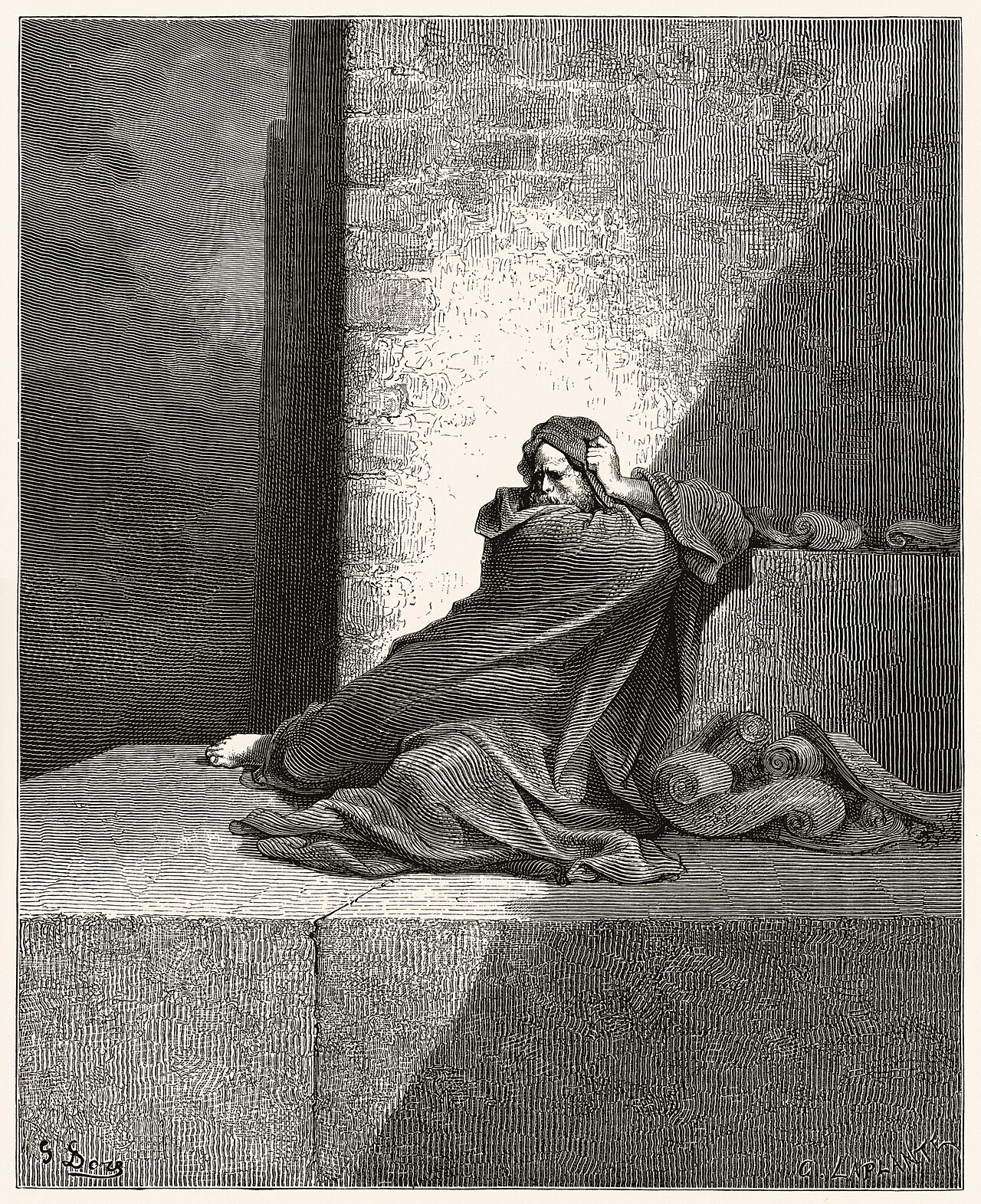
The prophet Jeremiah.
The prophet Jeremiah. · Gustave Doré · Public domain · Official source · AI-assisted caption
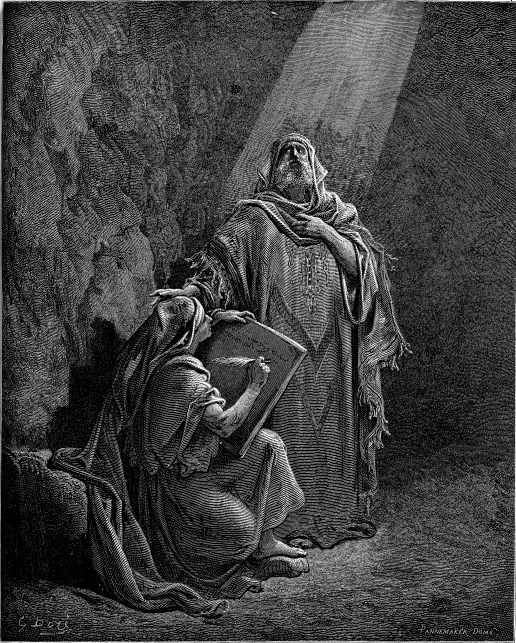
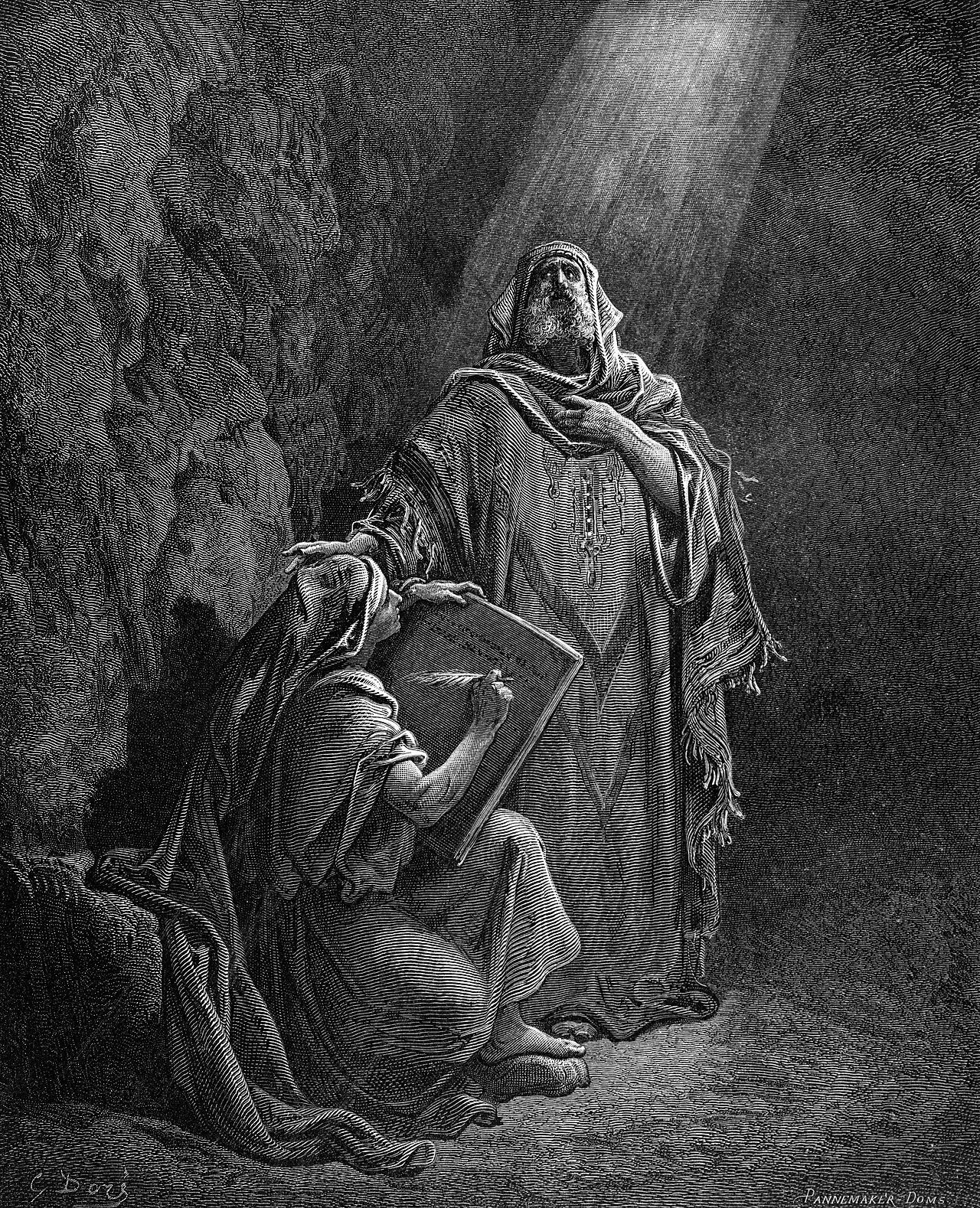
Baruch writes down Jeremiah’s prophecies.
Baruch writes down Jeremiah’s prophecies. · Gustave Doré · Public domain · Official source · AI-assisted caption
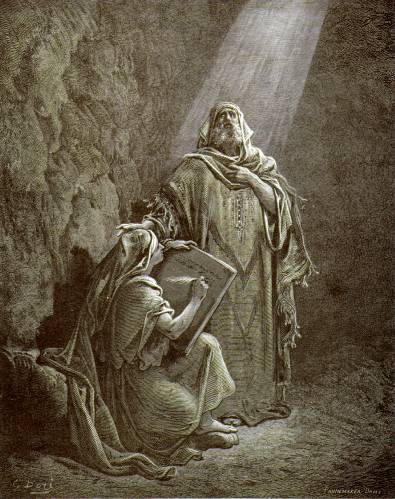
Baruch writes down Jeremiah’s prophecies.
Baruch writes down Jeremiah’s prophecies. · Gustave Doré · Public domain · Official source · AI-assisted caption
Baruch writes down Jeremiah’s prophecies.
Baruch writes down Jeremiah’s prophecies. · Gustave Doré · Public domain · Official source · AI-assisted caption
Baruch writes down Jeremiah’s prophecies.
Baruch writes down Jeremiah’s prophecies. · Gustave Doré · Public domain · Official source · AI-assisted caption
Jeremiah Summary STEPBible TIPNR

Jeremiah, the son of Hilkiah, was a prophet who ministered during the reigns of the last kings of Judah, warning of the Babylonian exile and calling for repentance.

Jeremiah Article STEPBible TIPNR

Jeremiah, the son of Hilkiah, was one of the major prophets of the Old Testament. He lived and prophesied during the reigns of the last kings of Judah, including Josiah, Jehoiakim, Jehoiachin, and Zedekiah. Jeremiah's ministry spanned over 40 years, during which he warned the people of Judah about the impending Babylonian exile and called them to repentance and faithfulness to God.

Jeremiah faced significant opposition and persecution for his messages, which often contradicted the false hopes and political ambitions of the kings and people of Judah. He was threatened, imprisoned, and even thrown into a cistern. Despite these challenges, Jeremiah remained faithful to his prophetic calling and continued to deliver God's words to the nation.

Jeremiah's prophecies also included messages of hope and restoration, foretelling the eventual return of the exiles to their homeland and the establishment of a new covenant between God and His people. His writings, which include the book of Jeremiah and the book of Lamentations, provide a detailed account of the events leading up to the fall of Jerusalem and the Babylonian captivity, as well as his personal struggles and faith in God.

Jeremiah's prophecies are referenced in the New Testament, and he is considered a significant figure in both Jewish and Christian traditions. His life and message continue to inspire and challenge readers to remain faithful to God in the face of adversity and to trust in His ultimate plan for redemption and restoration.

Jeremiah 6 Dictionary Easton's Bible Dictionary (1897)

One of the “greater prophets” of the Old Testament, son of Hilkiah (q.v.), a priest of Anathoth (Jer. 1:1; 32:6). He was called to the prophetical office when still young (1:6), in the thirteenth year of Josiah (B.C. 628). He left his native place, and went to reside in Jerusalem, where he greatly assisted Josiah in his work of reformation (2 Kings 23:1-25). The death of this pious king was bewailed by the prophet as a national calamity (2 Chr. 35:25).

During the three years of the reign of Jehoahaz we find no reference to Jeremiah, but in the beginning of the reign of Jehoiakim the enmity of the people against him broke out in bitter persecution, and he was placed apparently under restraint (Jer. 36:5). In the fourth year of Jehoiakim he was commanded to write the predictions given to him, and to read them to the people on the fast-day. This was done by Baruch his servant in his stead, and produced much public excitement. The roll was read to the king. In his recklessness he seized the roll, and cut it to pieces, and cast it into the fire, and ordered both Baruch and Jeremiah to be apprehended. Jeremiah procured another roll, and wrote in it the words of the roll the king had destroyed, and “many like words” besides (Jer. 36:32).

He remained in Jerusalem, uttering from time to time his words of warning, but without effect. He was there when Nebuchadnezzar besieged the city (Jer. 37:4, 5), B.C. 589. The rumour of the approach of the Egyptians to aid the Jews in this crisis induced the Chaldeans to withdraw and return to their own land. This, however, was only for a time. The prophet, in answer to his prayer, received a message from God announcing that the Chaldeans would come again and take the city, and burn it with fire (37:7, 8). The princes, in their anger at such a message by Jeremiah, cast him into prison (37:15-38:13). He was still in confinement when the city was taken (B.C. 588). The Chaldeans released him, and showed him great kindness, allowing him to choose the place of his residence. He accordingly went to Mizpah with Gedaliah, who had been made governor of Judea. Johanan succeeded Gedaliah, and refusing to listen to Jeremiah’s counsels, went down into Egypt, taking Jeremiah and Baruch with him (Jer. 43:6). There probably the prophet spent the remainder of his life, in vain seeking still to turn the people to the Lord, from whom they had so long revolted (44). He lived till the reign of Evil-Merodach, son of Nebuchadnezzar, and must have been about ninety years of age at his death. We have no authentic record of his death. He may have died at Tahpanhes, or, according to a tradition, may have gone to Babylon with the army of Nebuchadnezzar; but of this there is nothing certain.
Sources: BibleData (CC BY 4.0, Jeremiah_6) · STEPBible TIPNR (CC BY 4.0, Jeremiah@2Ch.35.25-Mat) · Theographic Bible Metadata (CC BY-SA 4.0, jeremiah_853)

Report an inaccuracy

Describe the inaccuracy and, if possible, provide the correct text or a source. The page address will be included automatically.

Page: /en/persons/jeremiah-6

Up to 5000 characters. You do not need to log in.

Contact details (optional)

Leave only the details you wish to share. They are sent to the administrator with your report and are not displayed publicly.

Make a suggestion

Describe your idea for improving the site. The page address will be included automatically.

Page: /en/persons/jeremiah-6

Up to 5000 characters. You do not need to log in.

Contact details (optional)

Leave only the details you wish to share. They are sent to the administrator with your report and are not displayed publicly.