Samson Summary
STEPBible TIPNR
Samson was an Israelite judge known for his God-given strength, which he used to fight against the Philistines.
son of Manoah (JDG 13:24), who killed a thousand men with the jawbone of a donkey (JDG 15:15)
Lineage: Manoah › Samson
Loading book references…
Absolute years are conditional chronological estimates. A biblical passage may state an age or event, but does not by itself establish a BCE year. Different calendar systems are preserved separately.
-1090 · Calendar interpretation is unverified; the raw value is shown.
The raw birth year follows the death year; this pair is impossible. Retain raw values but do not select them as dates.
JDG 16:30-31samson_2468 · birthYeartheographic/People.csv · record 2455ddbd7141c841e384b969999ed93a077858f91d652f5b37dfe89cac7aba50c5fe-1101 · Calendar interpretation is unverified; the raw value is shown.
The raw birth year follows the death year; this pair is impossible. Retain raw values but do not select them as dates.
JDG 16:30-31samson_2468 · deathYeartheographic/People.csv · record 2455ddbd7141c841e384b969999ed93a077858f91d652f5b37dfe89cac7aba50c5fe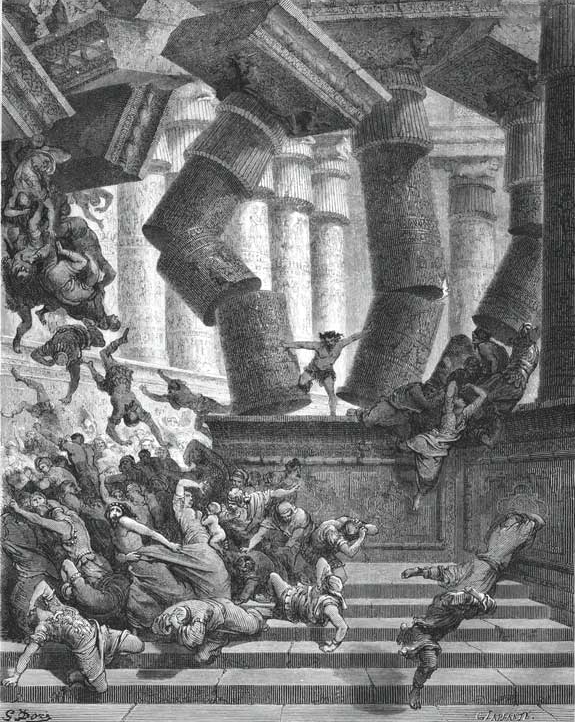
Samson was an Israelite judge known for his God-given strength, which he used to fight against the Philistines.
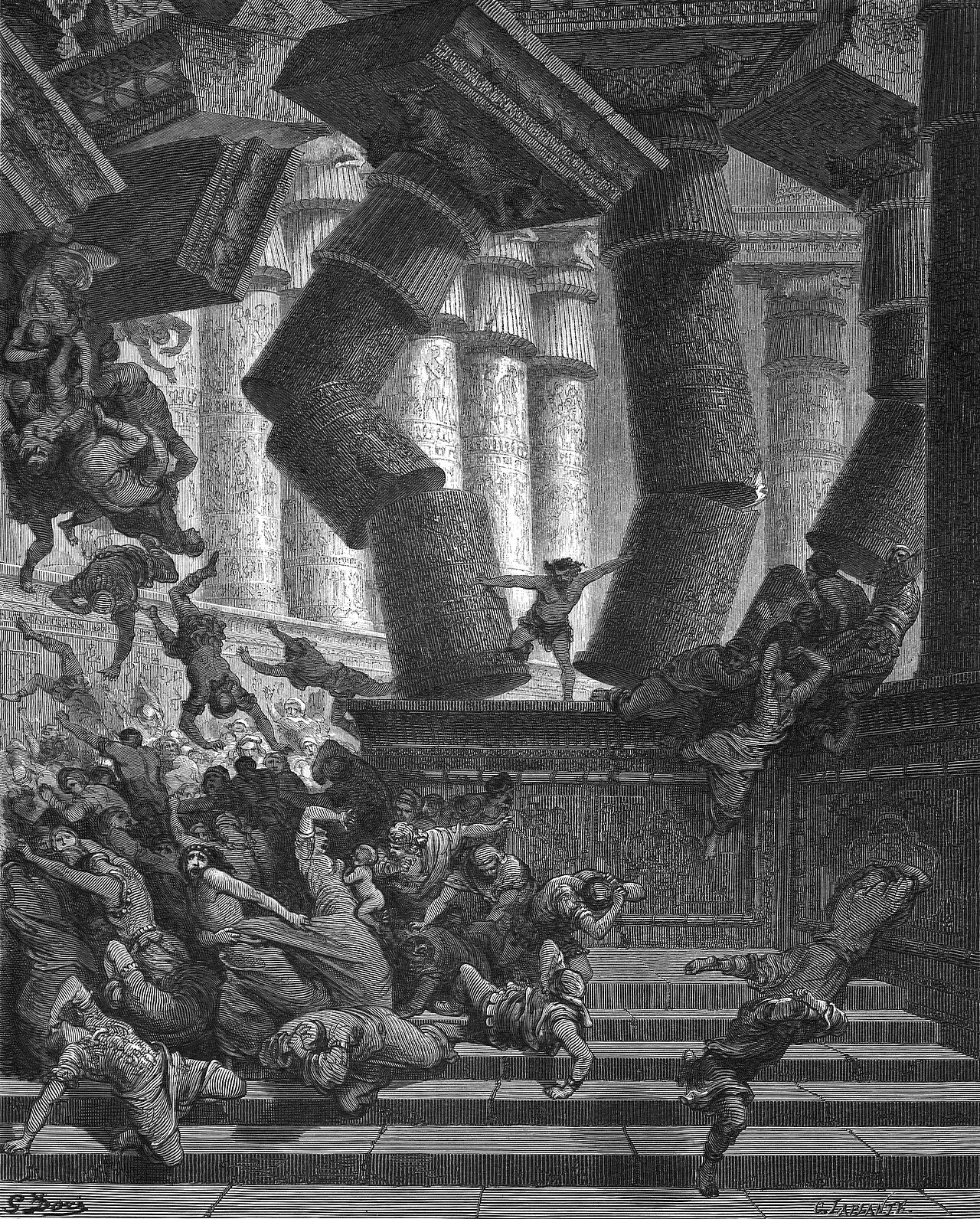
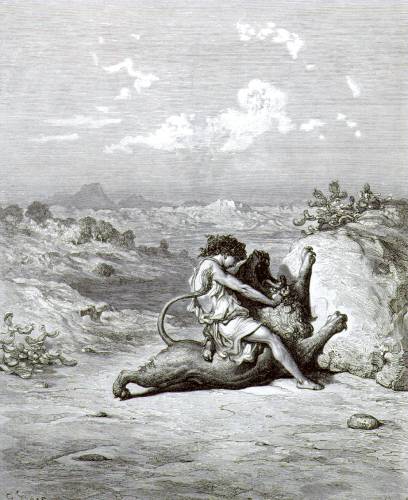
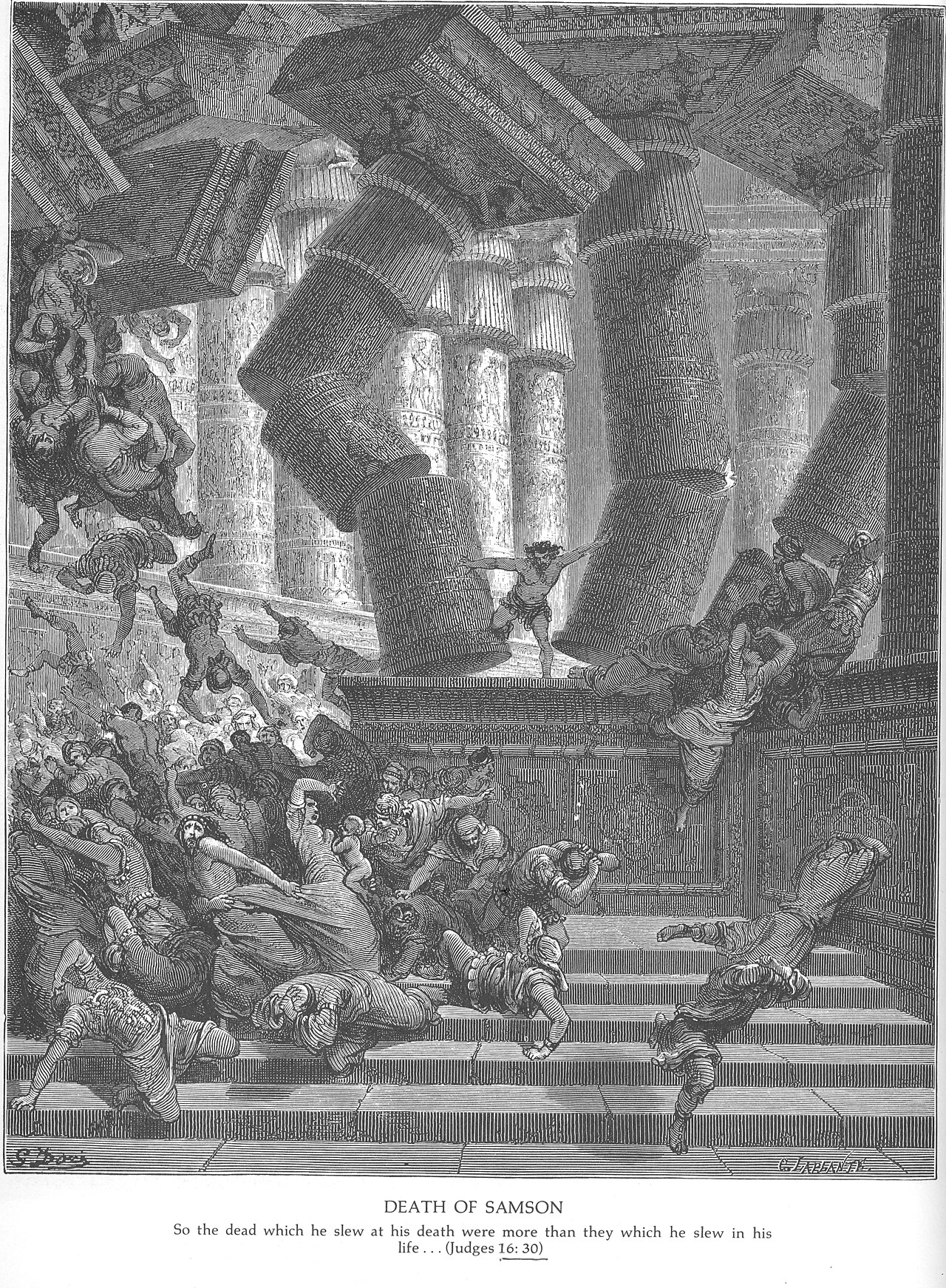
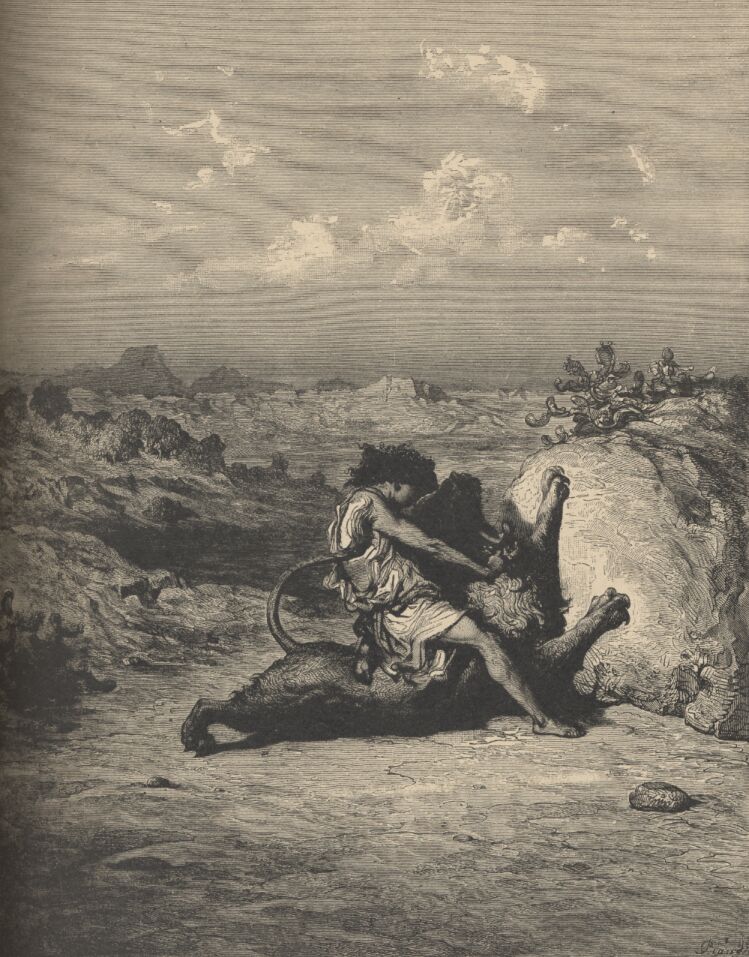
Samson was an Israelite judge during the period when the Philistines oppressed Israel. His birth was announced by an angel to his parents, Manoah and his wife, who had been barren (Jdg 13:2-5). The angel instructed them to raise Samson as a Nazirite, dedicated to God from birth (Jdg.13.5, 7). As Samson grew, the Lord blessed him, and the Spirit of the Lord began to stir him (Jdg 13:24-25). Samson's life was characterized by his immense strength, which he used to fight against the Philistines. He killed a lion with his bare hands (Jdg 14:5-6), struck down thirty men of Ashkelon (Jdg 14:19), and killed a thousand Philistines with a donkey's jawbone (Jdg 15:14-16). However, Samson's weakness was his attraction to foreign women. He fell in love with a Philistine woman named Delilah, who eventually betrayed him by discovering the secret of his strength (Jdg 16:4-20). The Philistines captured Samson, blinded him, and forced him to grind grain in prison (Jdg 16:21). During a Philistine festival, Samson was brought out to entertain them. He prayed to God for strength one last time and pushed against the pillars of the temple, causing it to collapse and kill himself along with many Philistines (Jdg 16:22-30). Despite his flaws, Samson is remembered as a man of faith who delivered Israel from Philistine oppression (Heb 11:32).
Of the sun, the son of Manoah, born at Zorah. The narrative of his life is given in Judg. 13-16. He was a “Nazarite unto God” from his birth, the first Nazarite mentioned in Scripture (Judg. 13:3-5; comp. Num. 6:1-21). The first recorded event of his life was his marriage with a Philistine woman of Timnath (Judg. 14:1-5). Such a marriage was not forbidden by the law of Moses, as the Philistines did not form one of the seven doomed Canaanite nations (Ex. 34:11-16; Deut. 7:1-4). It was, however, an ill-assorted and unblessed marriage. His wife was soon taken from him and given “to his companion” (Judg. 14:20). For this Samson took revenge by burning the “standing corn of the Philistines” (15:1-8), who, in their turn, in revenge “burnt her and her father with fire.” Her death he terribly avenged (15:7-19). During the twenty years following this he judged Israel; but we have no record of his life. Probably these twenty years may have been simultaneous with the last twenty years of Eli’s life. After this we have an account of his exploits at Gaza (16:1-3), and of his infatuation for Delilah, and her treachery (16:4-20), and then of his melancholy death (16:21-31). He perished in the last terrible destruction he brought upon his enemies. “So the dead which he slew at his death were more [in social and political importance=the elite of the people] than they which he slew in his life.”
“Straining all his nerves, he bowed: As with the force of winds and waters pent, When mountains tremble, those two massy pillars With horrible convulsion to and fro He tugged, he shook, till down they came, and drew The whole roof after them, with burst of thunder Upon the heads of all who sat beneath, Lords, ladies, captains, counsellors, or priests, Their choice nobility and flower.” Milton’s Samson Agonistes.
Sources: BibleData (CC BY 4.0, Samson_1) · STEPBible TIPNR (CC BY 4.0, Samson@Jdg.13.24-Heb) · Theographic Bible Metadata (CC BY-SA 4.0, samson_2468)