Abana Summary
STEPBible TIPNR
Abana, a river near Damascus, which Naaman saw as superior to the Jordan River.
A river of Damascus, preferred by Naaman over the Jordan.
Loading book references…
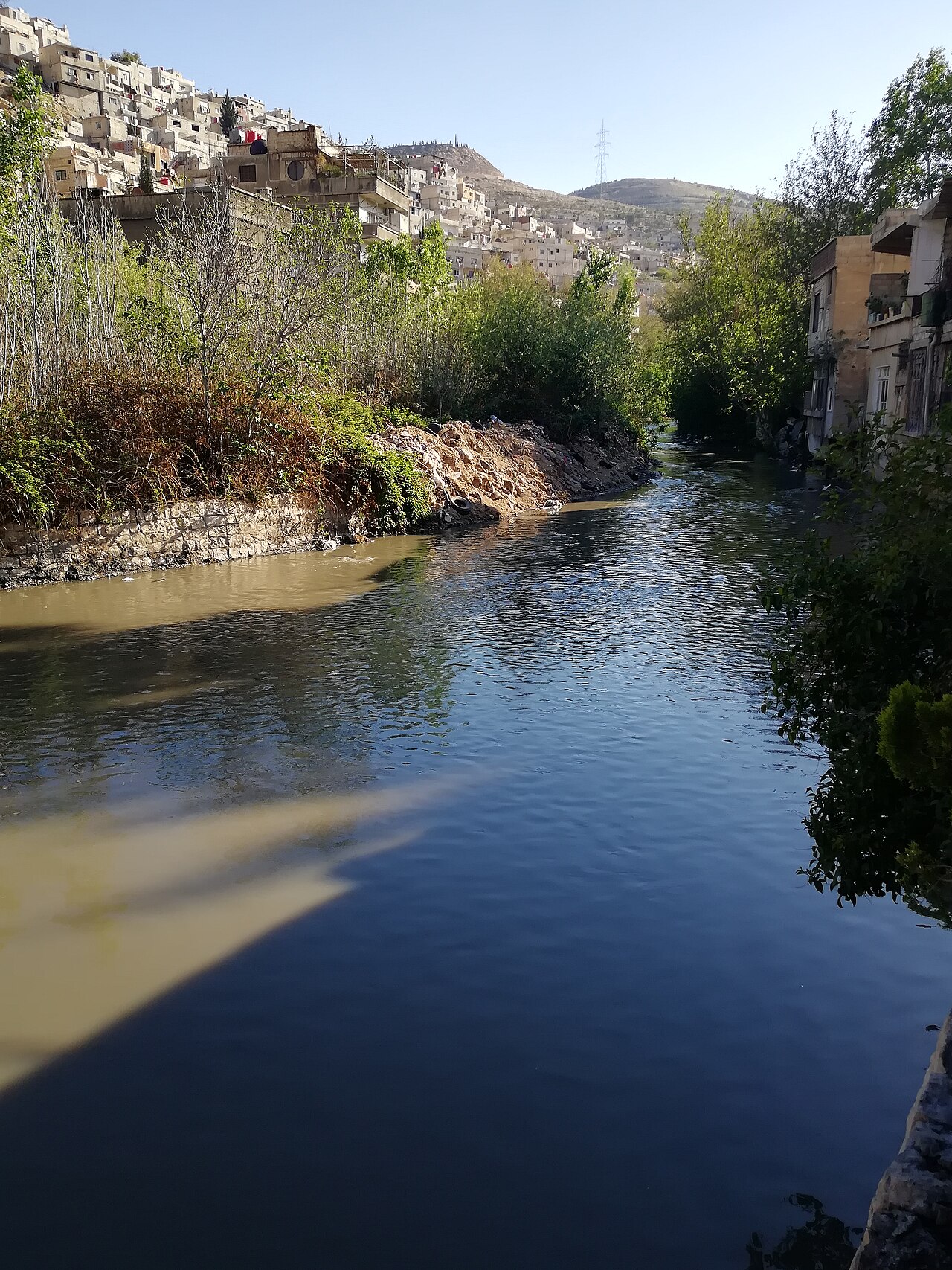
Abana, a river near Damascus, which Naaman saw as superior to the Jordan River.
The Abana River is mentioned in 2Ki.5.12 as one of the two rivers of Damascus, along with the Pharpar. When Elisha told Naaman, commander of the army of Syria, to wash in the Jordan River to cure his leprosy, Naaman initially refused, saying, "Are not Abana and Pharpar, the rivers of Damascus, better than all the waters of Israel? Could I not wash in them and be clean?" The Abana was apparently a significant and highly regarded river near Damascus. Naaman considered it superior to the Jordan River of Israel. After his servants reasoned with him, Naaman relented and washed in the Jordan as instructed, and his leprosy was cured. The Abana River is generally identified with the modern Barada River, the primary river that flows through Damascus.
Stony (Heb. marg. “Amanah,” perennial), the chief river of Damascus (2 Kings 5:12). Its modern name is Barada, the Chrysorrhoas, or “golden stream,” of the Greeks. It rises in a cleft of the Anti-Lebanon range, about 23 miles north-west of Damascus, and after flowing southward for a little way parts into three smaller streams, the central one flowing through Damascus, and the other two on each side of the city, diffusing beauty and fertility where otherwise there would be barrenness.
Sources: OpenBible.info Bible Geocoding Data (CC BY 4.0, aea17b7) · STEPBible TIPNR (CC BY 4.0, Abana@2Ki.5.12) · Theographic Bible Metadata (CC BY-SA 4.0, abana_1) · Wikidata (CC0 1.0, Q765106)