Amalek Summary
STEPBible TIPNR
Amalek, a nomadic tribe descended from Esau, who were persistent enemies of Israel.
A nomadic people, descendants of Esau, enemies of Israel.
Loading book references…
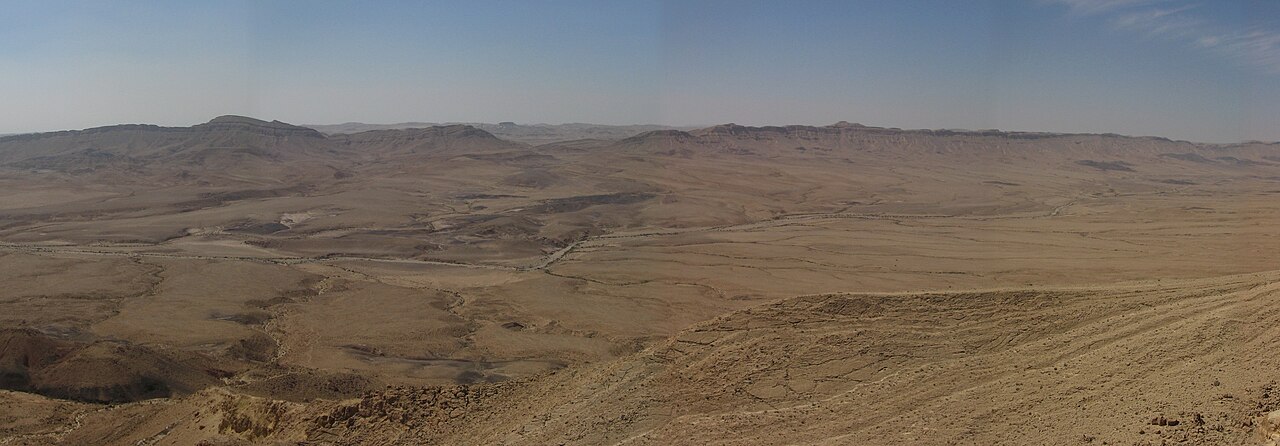
Amalek, a nomadic tribe descended from Esau, who were persistent enemies of Israel.
Amalek was a nomadic people group descended from Esau's grandson, Eliphaz (Genesis 36:12; 1Ch.1.36). They inhabited the desert regions of the Sinai Peninsula and the Negev. The Amalekites were the first nation to attack Israel after the Exodus, at Rephidim (Exodus 17:8-16). Moses, with the help of Aaron and Hur, interceded for Israel while Joshua led the army in battle. As a result, God declared that He would be at war with Amalek from generation to generation (Exodus 17:16).
The Amalekites, along with other enemies, continued to harass Israel during the period of the judges (Judges 3:13; 6:3,33; 7:12; 10:12). Saul, Israel's first king, was commanded to completely destroy the Amalekites (1Sa.15.2-3). However, he disobeyed by sparing their king, Agag, and some of the livestock (1Sa.15.7-9). This act of disobedience led to God's rejection of Saul as king (1Sa.15.23; 28:18).
During David's reign, the Amalekites were among the enemies he defeated (1Sa.30.1-20; 2Sa.8.12; 1Ch.18.11). The last mention of the Amalekites is in 1Ch.4.43, which records that some of the Simeonites destroyed the remnant of the Amalekites during the time of Hezekiah.
The Amalekites are also mentioned in prophetic and poetic texts as symbols of Israel's enemies (Numbers 24:20; Psalm 83:7). Their persistent opposition to Israel and their role in the narratives of Saul and David make them significant adversaries in the biblical history of Israel.
A tribe that dwelt in Arabia Petraea, between the Dead Sea and the Red Sea. They were not the descendants of Amalek, the son of Eliphaz, for they existed in the days of Abraham (Gen. 14:7). They were probably a tribe that migrated from the shores of the Persian Gulf and settled in Arabia. “They dwelt in the land of the south...from Havilah until thou comest to Shur” (Num. 13:29; 1 Sam. 15:7). They were a pastoral, and hence a nomadic race. Their kings bore the hereditary name of Agag (Num. 24:7; 1 Sam. 15:8). They attempted to stop the Israelites when they marched through their territory (Deut. 25:18), attacking them at Rephidim (Ex. 17:8-13; comp. Deut. 25:17; 1 Sam. 15:2). They afterwards attacked the Israelites at Hormah (Num. 14:45). We read of them subsequently as in league with the Moabites (Judg. 3:13) and the Midianites (Judg. 6:3). Saul finally desolated their territory and destroyed their power (1 Sam. 14:48; 15:3), and David recovered booty from them (1 Sam. 30:18-20). In the Babylonian inscriptions they are called Sute, in those of Egypt Sittiu, and the Amarna tablets include them under the general name of Khabbati, or “plunderers.”
Sources: OpenBible.info Bible Geocoding Data (CC BY 4.0, ab95484) · STEPBible TIPNR (CC BY 4.0, Amalek@Gen.14.7-Psa) · Theographic Bible Metadata (CC BY-SA 4.0, amalek_53) · Wikidata (CC0 1.0, Q954599)