Ashkenaz Summary
STEPBible TIPNR
Ashkenaz, a kingdom called to join the fight against Babylon in Jeremiah's prophecy.
A kingdom summoned to battle against Babylon.
Loading book references…
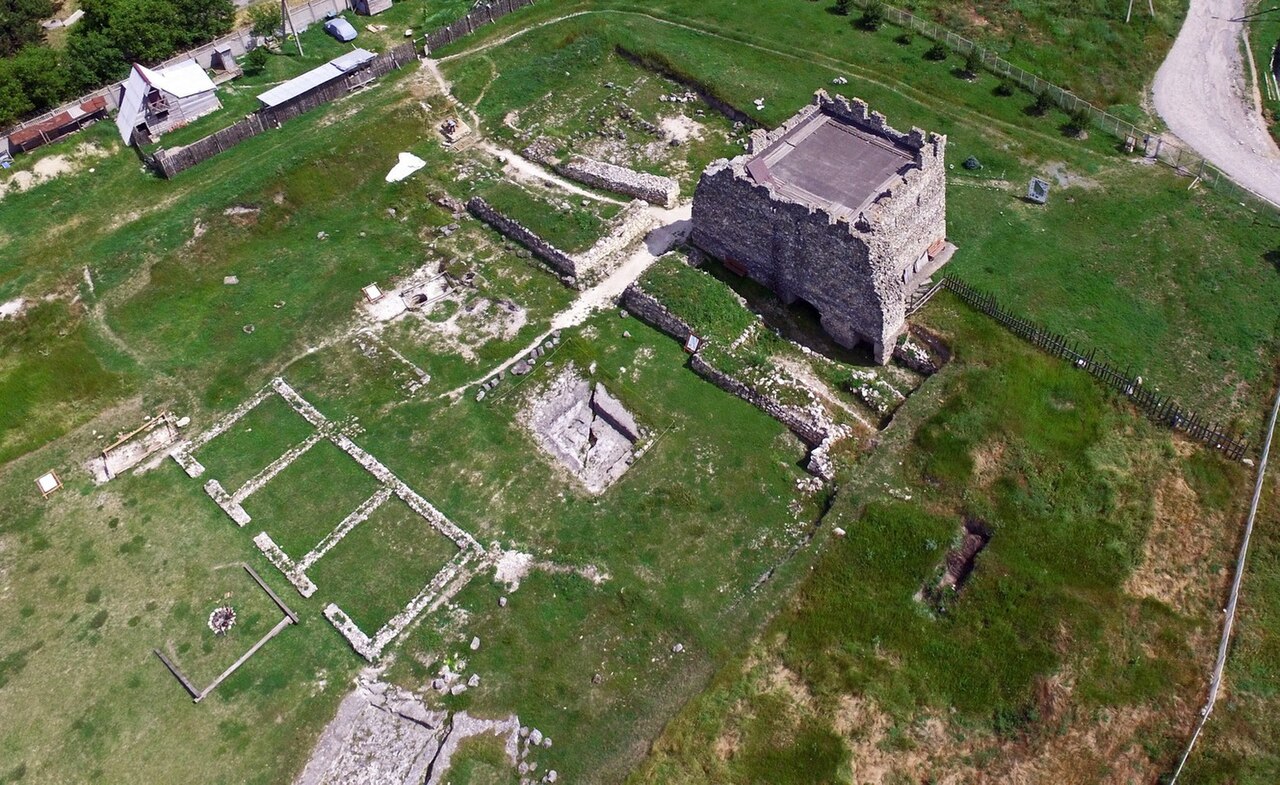
Ashkenaz, a kingdom called to join the fight against Babylon in Jeremiah's prophecy.
Ashkenaz is mentioned in Jeremiah 51:27 as one of the kingdoms summoned to battle against Babylon. In this prophetic oracle, Jeremiah declares that God will stir up the kings of the Medes, along with the kingdoms of Ararat, Minni, and Ashkenaz, to destroy Babylon.
The exact location and identity of Ashkenaz are uncertain, but it is generally believed to be a region or people group associated with the Scythians, a nomadic Iranian people who inhabited the area north of the Black Sea. Some scholars propose that Ashkenaz may have been located in the vicinity of the Caspian Sea or in the region of Armenia.
The mention of Ashkenaz in Jeremiah's prophecy suggests that it was a significant power or ally that could contribute to the downfall of Babylon. By including Ashkenaz in the list of nations arrayed against Babylon, the prophet emphasizes the broad coalition that would bring about the city's destruction.
Apart from this single reference in Jeremiah, Ashkenaz is not mentioned elsewhere in the Bible. Its inclusion in this prophetic context highlights the geopolitical dynamics of the ancient Near East and the role that various nations and kingdoms played in the unfolding of God's plan for judgment and redemption.
One of the three sons of Gomer (Gen. 10:3), and founder of one of the tribes of the Japhetic race. They are mentioned in connection with Minni and Ararat, and hence their original seat must have been in Armenia (Jer. 51:27), probably near the Black Sea, which, from their founder, was first called Axenus, and afterwards the Euxine.
Sources: OpenBible.info Bible Geocoding Data (CC BY 4.0, aec9225) · STEPBible TIPNR (CC BY 4.0, Ashkenaz@Jer.51.27) · Theographic Bible Metadata (CC BY-SA 4.0, ashkenaz_104) · Wikidata (CC0 1.0, Q2621094)