Beersheba Summary
STEPBible TIPNR
Beersheba (Sheba or Shibah) was an important city in southern Israel, associated with Abraham, Isaac, and Jacob. (Multiple references, see article for details)
Important city in southern Israel, associated with the patriarchs.
Loading book references…
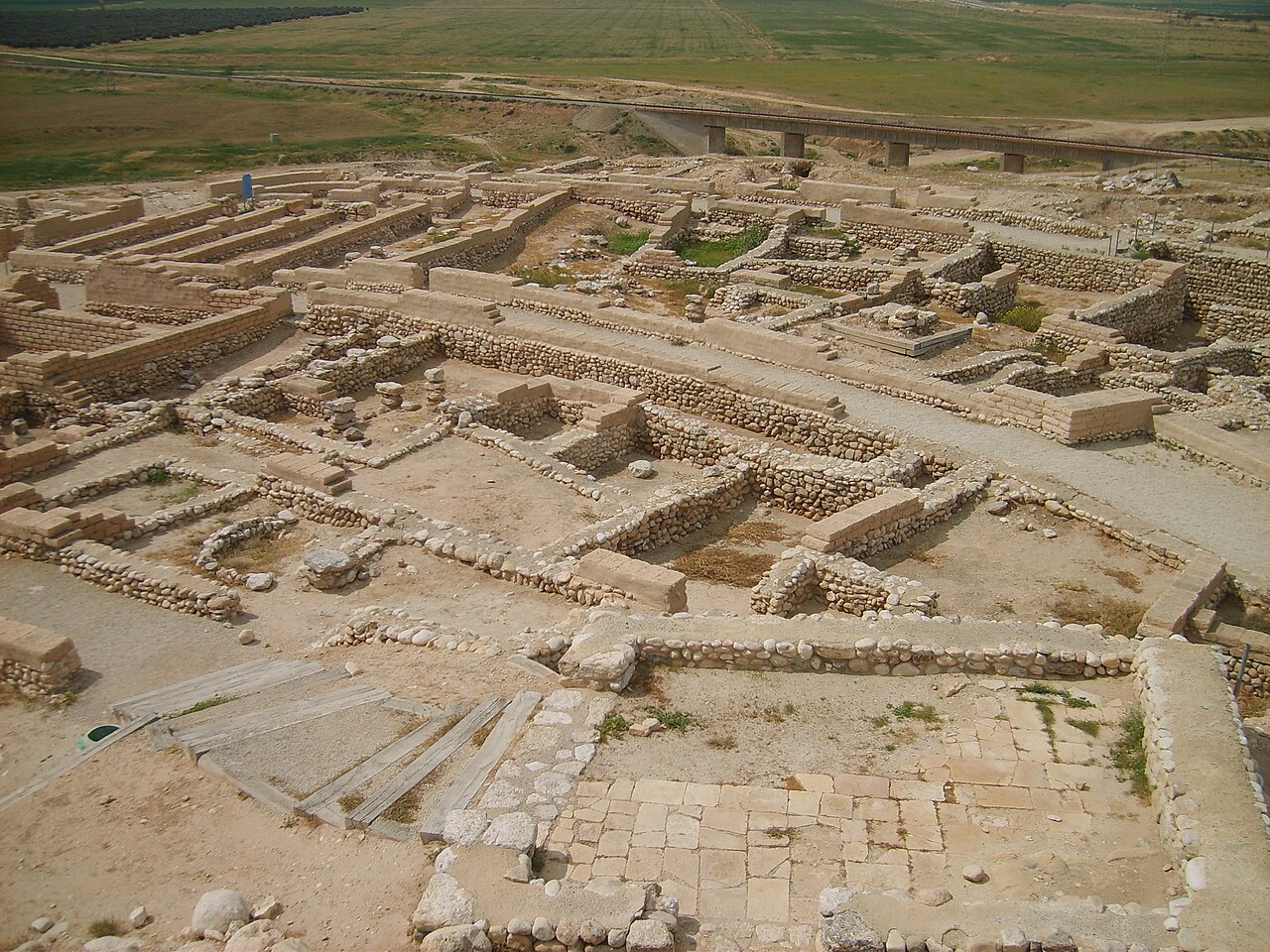
Beersheba (Sheba or Shibah) was an important city in southern Israel, associated with Abraham, Isaac, and Jacob. (Multiple references, see article for details)
Beersheba, also known as Sheba or Shibah, was a significant city located in the Negev region of southern Israel. It is mentioned numerous times throughout the Old Testament and is closely associated with the patriarchs Abraham, Isaac, and Israel (or 'Jacob').
The name "Beersheba" first appears in Genesis 21:31, where Abraham named the place after making a covenant with Abimelech, the king of Gerar. The name means "well of seven" or "well of the oath," referring to the seven ewe lambs that Abraham gave to Abimelech as a witness to the covenant (Genesis 21:28-31).
Abraham lived in Beersheba for a time (Genesis 22:19), and it was from there that he set out to offer his son Isaac as a sacrifice in the land of Moriah (Genesis 22:1-19). Isaac also lived in Beersheba, where he built an altar and called upon the name of the Lord (Genesis 26:23-25, 33). Jacob left Beersheba to go to Haran (Genesis 28:10) and later returned there to offer sacrifices to God before going to Egypt (Genesis 46:1, 5).
In the later history of Israel, Beersheba marked the southern extent of the nation, as seen in the phrase "from Dan to Beersheba" (Judges 20:1; 1Sa.3.20; 2Sa.3.10; 17:11; 24:2, 15; 1Ki.4.25). The city was allotted to the tribe of Simeon (Joshua 19:2) and became part of the kingdom of Judah (2Sa.24.7).
Beersheba was also a center of idolatry, as evidenced by the references to the "way of Beersheba" (Amo.8.14) and the "sin of Samaria" (Amo.5.5). King Josiah removed the idolatrous priests and destroyed the high places from Geba to Beersheba as part of his religious reforms (2Ki.23.8).
In summary, Beersheba was a prominent city in the Negev, serving as a key location in the lives of the patriarchs and later as a boundary marker for the nation of Israel. Its history was marked by both faithfulness to God and idolatry.
Well of the oath, or well of seven, a well dug by Abraham, and so named because he and Abimelech here entered into a compact (Gen. 21:31). On re-opening it, Isaac gave it the same name (Gen. 26:31-33). It was a favourite place of abode of both of these patriarchs (21:33-22:1, 19; 26:33; 28:10). It is mentioned among the “cities” given to the tribe of Simeon (Josh. 19:2; 1 Chr. 4:28). From Dan to Beersheba, a distance of about 144 miles (Judg. 20:1; 1 Chr. 21:2; 2 Sam. 24:2), became the usual way of designating the whole Promised Land, and passed into a proverb. After the return from the Captivity the phrase is narrowed into “from Beersheba unto the valley of Hinnom” (Neh. 11:30). The kingdom of the ten tribes extended from Beersheba to Mount Ephraim (2 Chr. 19:4). The name is not found in the New Testament. It is still called by the Arabs Bir es-Seba, i.e., “well of the seven”, where there are to the present day two principal wells and five smaller ones. It is nearly midway between the southern end of the Dead Sea and the Mediterranean.
Sources: OpenBible.info Bible Geocoding Data (CC BY 4.0, ad2f6c2) · STEPBible TIPNR (CC BY 4.0, Beersheba@Gen.21.14-Amo) · Theographic Bible Metadata (CC BY-SA 4.0, beersheba_170) · Wikidata (CC0 1.0, Q534596)