Chebar Summary
STEPBible TIPNR
The Chebar River was a waterway in Babylonia near which the prophet Ezekiel received visions from God during the Babylonian exile.
River in Babylonia; location of Ezekiel's visions
Loading book references…
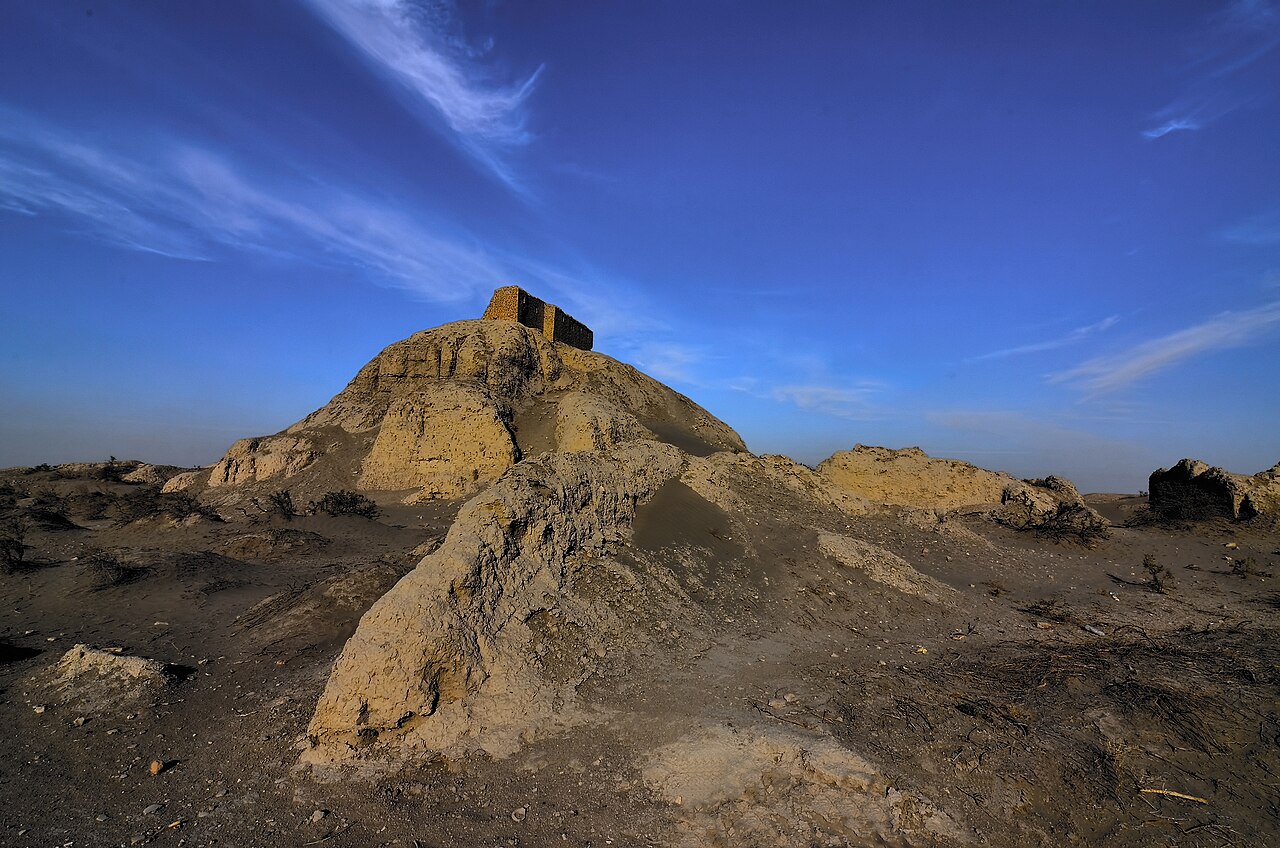
The Chebar River was a waterway in Babylonia near which the prophet Ezekiel received visions from God during the Babylonian exile.
The Chebar River, also known as the Kebar River, is mentioned several times in the Book of Ezekiel. It was a waterway located in Babylonia, near the city of Nippur, where the prophet Ezekiel and other Jewish exiles were settled during the Babylonian captivity.
Ezekiel received his prophetic call and many of his visions while residing by the Chebar River (Ezk.1.1, 3). It was there that he saw the vision of the four living creatures and the throne of God (Ezk.1.1-28). Later, Ezekiel was transported in visions to Jerusalem, where he witnessed the idolatry and abominations being committed in the temple (Ezk.8.1-18).
The Chebar River is also mentioned in connection with the elders of Judah who came to consult Ezekiel (Ezk.3.15) and the vision of the cherubim and the glory of God departing from the temple (Ezk.10.15-22).
The exact location of the Chebar River is uncertain, but it was likely a navigable canal or tributary of the Euphrates River. The settlement of Jewish exiles by the river suggests that it was an area suitable for agriculture and sustaining a population. The Chebar River serves as an important geographical marker in Ezekiel's prophecies and provides the setting for many of his visions and messages from God.
Length, a river in the “land of the Chaldeans” (Ezek. 1:3), on the banks of which were located some of the Jews of the Captivity (Ezek. 1:1; 3:15, 23; 10:15, 20, 22). It has been supposed to be identical with the river Habor, the Chaboras, or modern Khabour, which falls into the Euphrates at Circesium. To the banks of this river some of the Israelites were removed by the Assyrians (2 Kings 17:6). An opinion that has much to support it is that the “Chebar” was the royal canal of Nebuchadnezzar, the Nahr Malcha, the greatest in Mesopotamia, which connected the Tigris with the Euphrates, in the excavation of which the Jewish captives were probably employed.
Sources: OpenBible.info Bible Geocoding Data (CC BY 4.0, a3d2f0a) · STEPBible TIPNR (CC BY 4.0, Chebar@Ezk.1.1-) · Theographic Bible Metadata (CC BY-SA 4.0, chebar_283) · Wikidata (CC0 1.0, Q10362464)