Cherith Summary
STEPBible TIPNR
The Brook Cherith was where the prophet Elijah hid and was fed by ravens during a drought in Israel.
Brook where Elijah hid during drought
Loading book references…
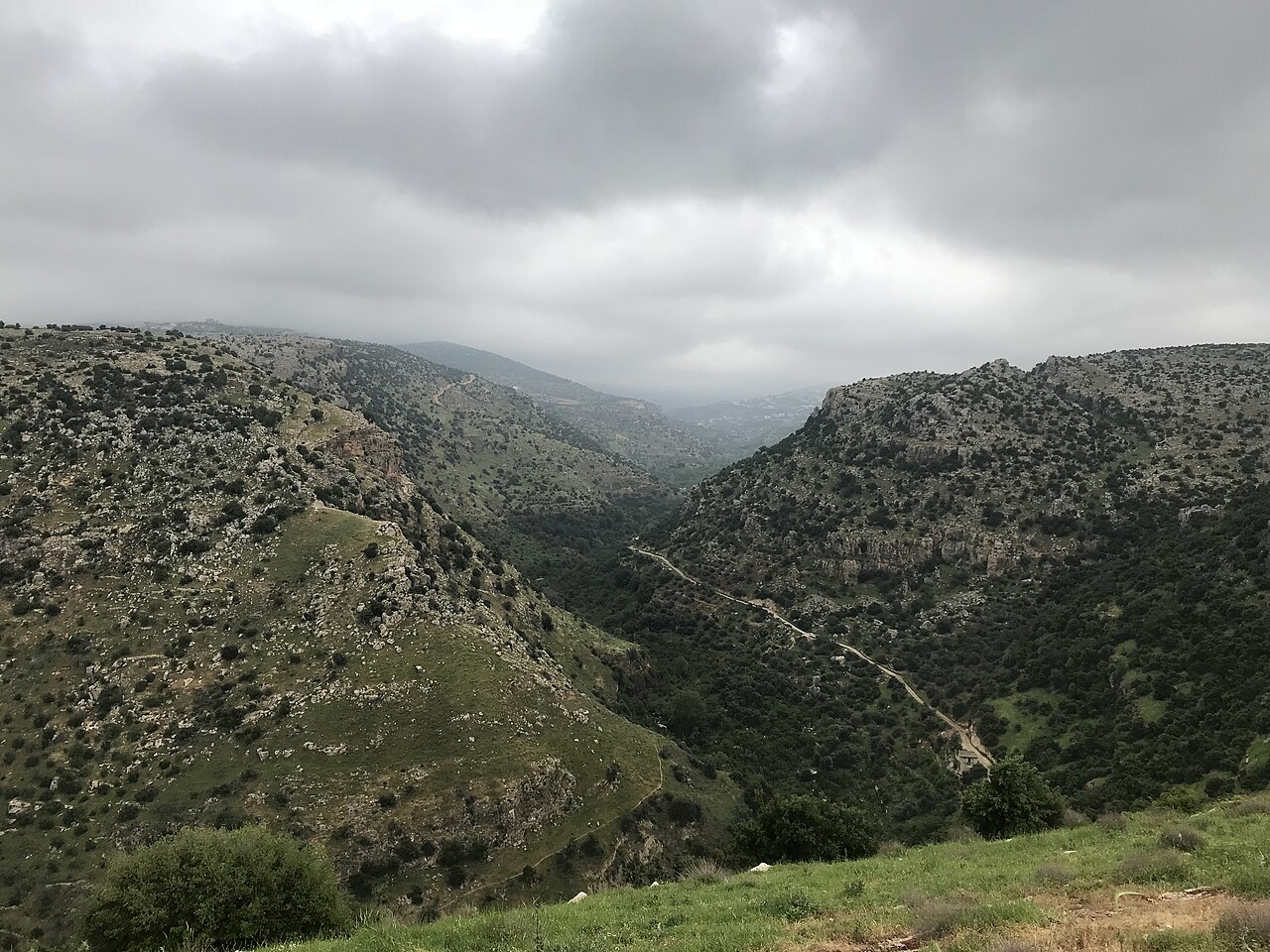
The Brook Cherith was where the prophet Elijah hid and was fed by ravens during a drought in Israel.
The Brook Cherith is mentioned in the story of the prophet Elijah during the reign of King Ahab of Israel (1Ki.17.3-5). After Elijah declared a drought in the land as a judgment from God, the Lord instructed him to hide by the Brook Cherith, east of the Jordan River. God promised to provide for Elijah there, using ravens to bring him bread and meat in the morning and evening, and the brook as his source of water.
Elijah obeyed and stayed by the Brook Cherith until it dried up due to the prolonged drought. The exact location of the brook is uncertain, but it was likely one of the many wadis or seasonal streams that flowed into the Jordan River from the mountains of Gilead.
This event demonstrates God's faithfulness in providing for His servant during a time of hardship and judgment. It also highlights Elijah's obedience and trust in God's direction and provision. The Brook Cherith served as a place of refuge and sustenance for Elijah, preparing him for his subsequent confrontations with Ahab and the prophets of Baal.
A cutting; separation; a gorge, a torrent-bed or winter-stream, a “brook,” in whose banks the prophet Elijah hid himself during the early part of the three years’ drought (1 Kings 17:3, 5). It has by some been identified as the Wady el-Kelt behind Jericho, which is formed by the junction of many streams flowing from the mountains west of Jericho. It is dry in summer. Travellers have described it as one of the wildest ravines of this wild region, and peculiarly fitted to afford a secure asylum to the persecuted. But if the prophet’s interview with Ahab was in Samaria, and he thence journeyed toward the east, it is probable that he crossed Jordan and found refuge in some of the ravines of Gilead. The “brook” is said to have been “before Jordan,” which probably means that it opened toward that river, into which it flowed. This description would apply to the east as well as to the west of Jordan. Thus Elijah’s hiding-place may have been the Jermuk, in the territory of the half-tribe of Manasseh.
Sources: OpenBible.info Bible Geocoding Data (CC BY 4.0, aa7bee8) · STEPBible TIPNR (CC BY 4.0, Cherith@1Ki.17.3-) · Theographic Bible Metadata (CC BY-SA 4.0, cherith_286)