Cherub Summary
STEPBible TIPNR
Cherub was a place in Babylonia from which some Jewish exiles returned to Jerusalem after the Babylonian captivity.
Babylonian location; home of some returning exiles
Loading book references…
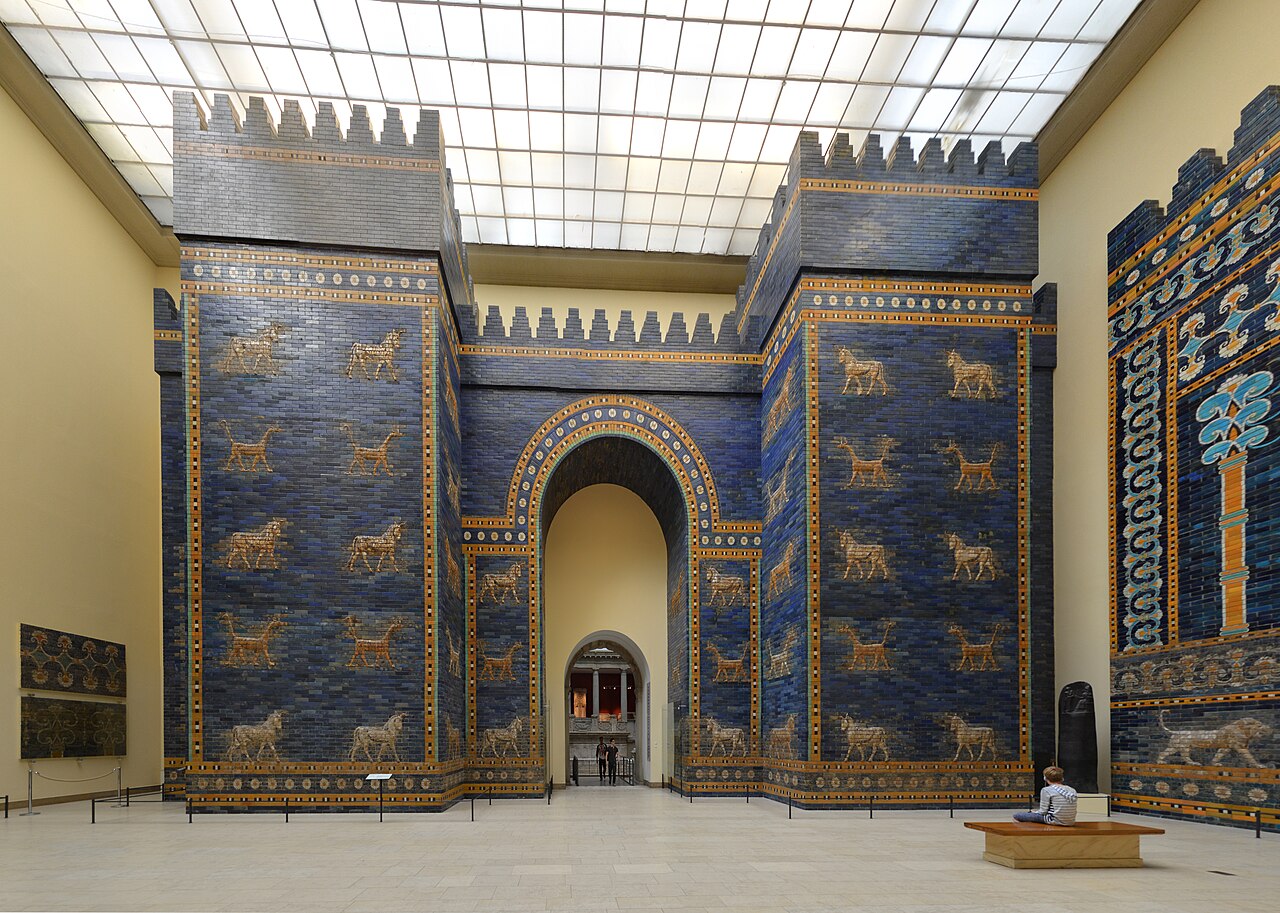
Cherub was a place in Babylonia from which some Jewish exiles returned to Jerusalem after the Babylonian captivity.
Cherub is mentioned twice in the Bible, both in the context of the return of Jewish exiles from Babylonia to Jerusalem after the Babylonian captivity (Ezra 2:59; Nehemiah 7:61). In these passages, Cherub is listed along with other places, such as Tel-melah and Tel-harsha, as the hometowns of some of the returning exiles.
These exiles were unable to prove their lineage as Israelites or to trace their ancestry to specific families. This suggests that during the Babylonian captivity, some Jews may have settled in Cherub and other nearby towns, and over time, their family records were lost or destroyed.
The exact location of Cherub is unknown, but it was likely a small town or village in Babylonia, where a community of Jewish exiles had lived during the captivity. The name "Cherub" may be derived from the Akkadian word "kāribu," which means "intercessor" or "one who blesses," possibly indicating a religious significance of the town in Babylonian culture.
The mention of Cherub in the lists of returning exiles highlights the challenges faced by some Jews in proving their heritage and the diversity of locations from which they returned to rebuild Jerusalem and the temple.
Plural cherubim, the name of certain symbolical figures frequently mentioned in Scripture. They are first mentioned in connection with the expulsion of our first parents from Eden (Gen. 3:24). There is no intimation given of their shape or form. They are next mentioned when Moses was commanded to provide furniture for the tabernacle (Ex. 25:17-20; 26:1, 31). God promised to commune with Moses “from between the cherubim” (25:22). This expression was afterwards used to denote the Divine abode and presence (Num. 7:89; 1 Sam. 4:4; Isa. 37:16; Ps. 80:1; 99:1). In Ezekiel’s vision (10:1-20) they appear as living creatures supporting the throne of God. From Ezekiel’s description of them (1;10; 41:18, 19), they appear to have been compound figures, unlike any real object in nature; artificial images possessing the features and properties of several animals. Two cherubim were placed on the mercy-seat of the ark; two of colossal size overshadowed it in Solomon’s temple. Ezekiel (1:4-14) speaks of four; and this number of “living creatures” is mentioned in Rev. 4:6. Those on the ark are called the “cherubim of glory” (Heb. 9:5), i.e., of the Shechinah, or cloud of glory, for on them the visible glory of God rested. They were placed one at each end of the mercy-seat, with wings stretched upward, and their faces “toward each other and toward the mercy-seat.” They were anointed with holy oil, like the ark itself and the other sacred furniture.
The cherubim were symbolical. They were intended to represent spiritual existences in immediate contact with Jehovah. Some have regarded them as symbolical of the chief ruling power by which God carries on his operations in providence (Ps. 18:10). Others interpret them as having reference to the redemption of men, and as symbolizing the great rulers or ministers of the church. Many other opinions have been held regarding them which need not be referred to here. On the whole, it seems to be most satisfactory to regard the interpretation of the symbol to be variable, as is the symbol itself.
Their office was, (1) on the expulsion of our first parents from Eden, to prevent all access to the tree of life; and (2) to form the throne and chariot of Jehovah in his manifestation of himself on earth. He dwelleth between and sitteth on the cherubim (1 Sam. 4:4; Ps. 80:1; Ezek. 1:26, 28).
Sources: OpenBible.info Bible Geocoding Data (CC BY 4.0, ab3ad14) · STEPBible TIPNR (CC BY 4.0, Cherub@Ezr.2.59-Neh) · Theographic Bible Metadata (CC BY-SA 4.0, cherub_287)