Cushan Summary
STEPBible TIPNR
Cushan, a location mentioned in Habakkuk 3:7, is possibly related to Cush or another unidentified place.
Unknown location, possibly related to Cush
Loading book references…
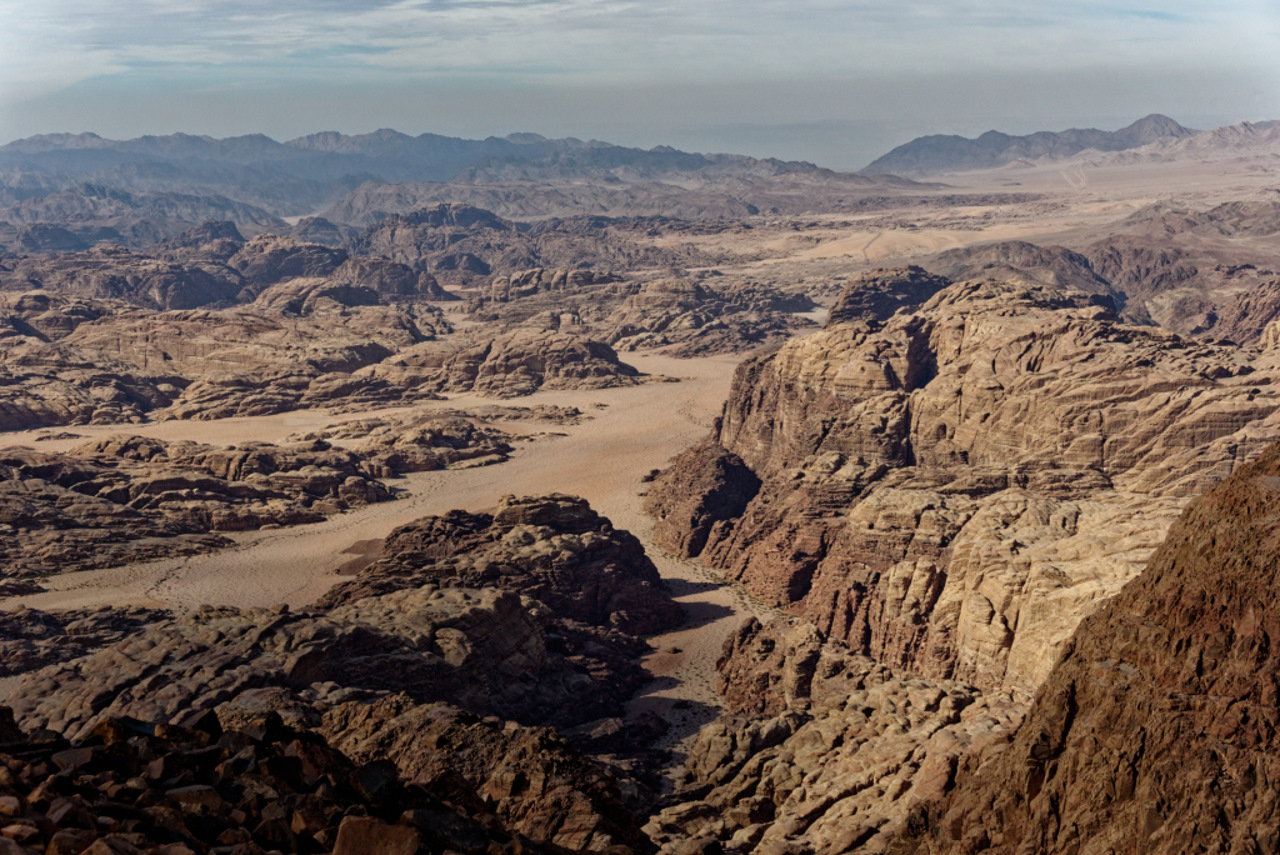
Cushan, a location mentioned in Habakkuk 3:7, is possibly related to Cush or another unidentified place.
Cushan is mentioned only once in the Bible, in Habakkuk 3:7, where it is listed alongside the "tents of Midian" in a passage describing the prophet Habakkuk's vision of God's judgment. The verse reads, "I saw the tents of Cushan in affliction; the curtains of the land of Midian trembled."
The exact location and identity of Cushan are uncertain, as there is no other mention of it in the Bible or other historical sources. Some scholars suggest that Cushan might be related to Cush, the ancient region in Africa, due to the similarity in names. Others propose that it could be a reference to a Midianite tribe or another unidentified location.
Given the limited information available, it is difficult to draw definitive conclusions about Cushan. However, its mention alongside Midian in the context of God's judgment suggests that it may have been a place or people group that experienced divine punishment or was affected by the events described in Habakkuk's vision.
Probably a poetic or prolonged name of the land of Cush, the Arabian Cush (Hab. 3:7). Some have, however, supposed this to be the same as Chushan-rishathaim (Judg. 3:8, 10), i.e., taking the latter part of the name as a title or local appellation, Chushan “of the two iniquities” (= oppressing Israel, and provoking them to idolatry), a Mesopotamian king, identified by Rawlinson with Asshur-ris-ilim (the father of Tiglathpileser I.); but incorrectly, for the empire of Assyria was not yet founded. He held Israel in bondage for eight years.
Sources: OpenBible.info Bible Geocoding Data (CC BY 4.0, a567e0e) · STEPBible TIPNR (CC BY 4.0, Cushan@Hab.3.7) · Theographic Bible Metadata (CC BY-SA 4.0, cushan_313) · Wikidata (CC0 1.0, Q22935639)