Dung Gate Summary
STEPBible TIPNR
The Dung Gate was one of the gates in Jerusalem's wall, possibly used for removing waste from the city (Nehemiah 2:13; 3:13-14; 12:31).
A gate in Jerusalem's wall, possibly used for waste removal.
Loading book references…
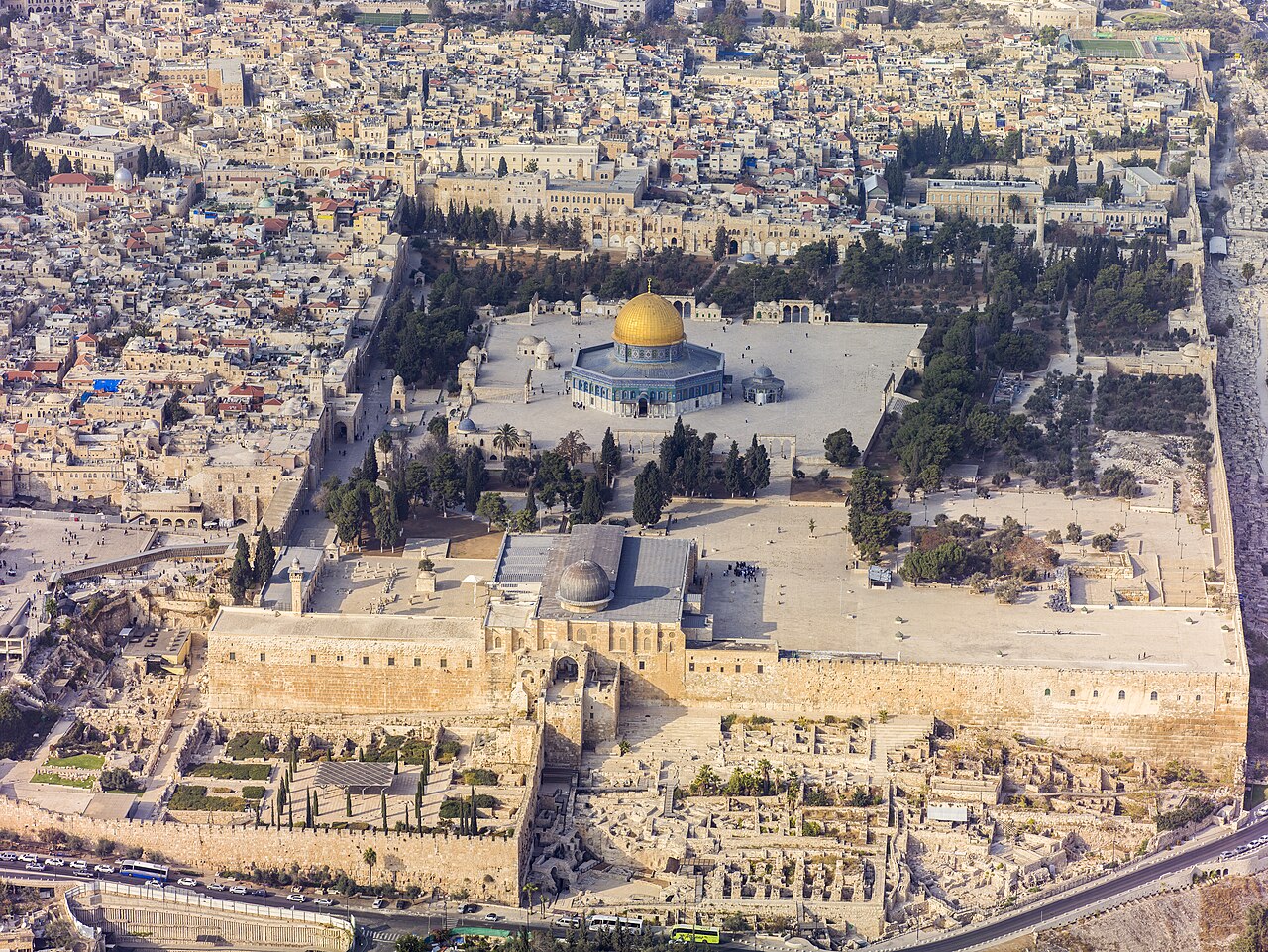
The Dung Gate was one of the gates in Jerusalem's wall, possibly used for removing waste from the city (Nehemiah 2:13; 3:13-14; 12:31).
The Dung Gate was one of the gates in the wall of Jerusalem, mentioned in the book of Nehemiah. It was located on the southern side of the city, likely near the Hinnom Valley. The gate's name suggests that it was used for removing waste and refuse from the city, possibly to be burned or disposed of in the nearby valley. During Nehemiah's inspection of the damaged walls of Jerusalem, he passed through the Dung Gate on his way to the Fountain Gate and the King's Pool (Nehemiah 2:13). The Dung Gate was later repaired by Malchijah, the son of Rechab, as part of the rebuilding efforts led by Nehemiah (Nehemiah 3:14). In the dedication ceremony of the rebuilt wall, one of the two choirs processing around the city passed by the Dung Gate on their way to the Temple (Nehemiah 12:31).
(Neh. 2:13), a gate of ancient Jerusalem, on the south-west quarter. “The gate outside of which lay the piles of sweepings and offscourings of the streets,” in the valley of Tophet.
Sources: OpenBible.info Bible Geocoding Data (CC BY 4.0, a1611b6) · STEPBible TIPNR (CC BY 4.0, Dung_Gate@Neh.2.13-) · Theographic Bible Metadata (CC BY-SA 4.0, dung_gate_346)