Elam Summary
STEPBible TIPNR
Elam, an ancient nation east of Babylon, at times an ally and at times an enemy of Israel.
Ancient kingdom east of Babylon; ally and enemy of Israel
Loading book references…
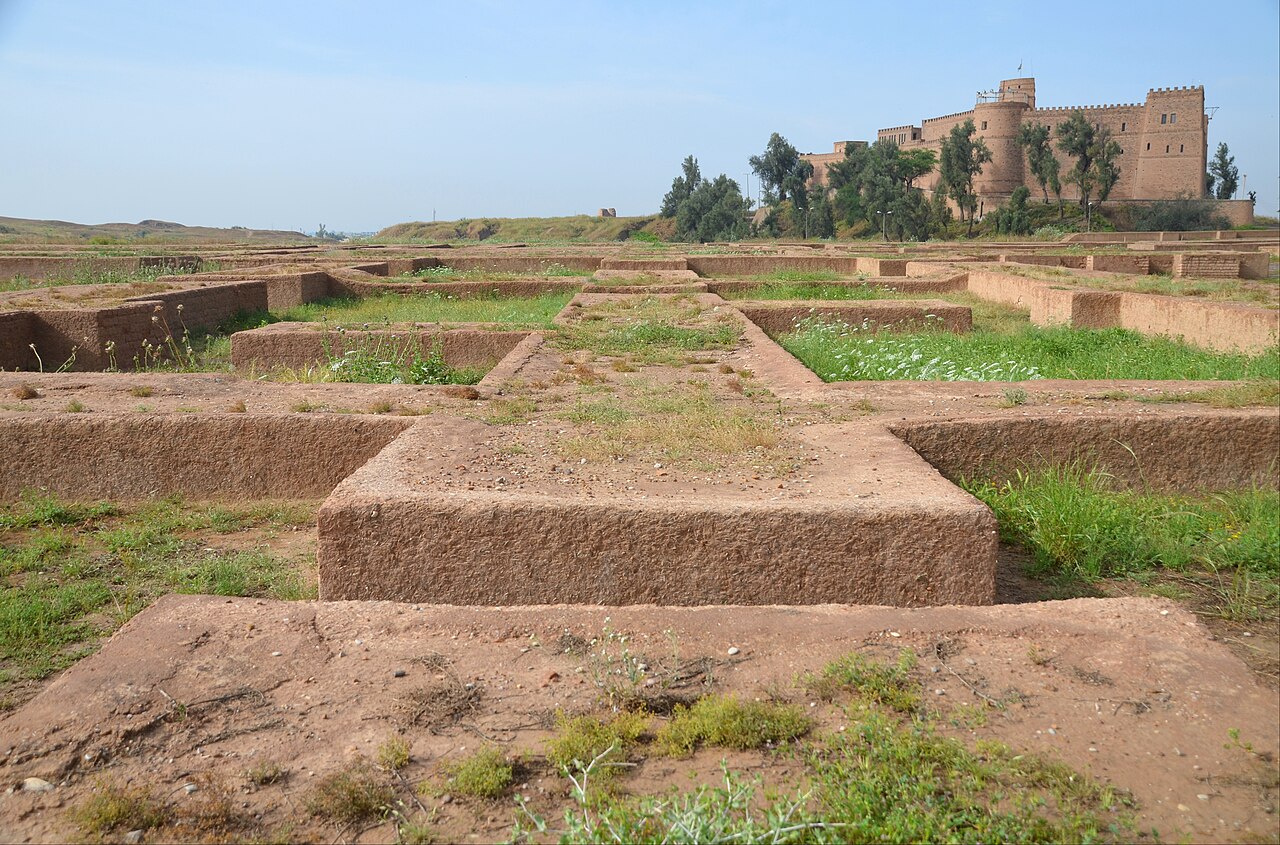
Elam, an ancient nation east of Babylon, at times an ally and at times an enemy of Israel.
Elam was an ancient kingdom located east of Babylonia in what is now southwestern Iran. The Elamites were descendants of Shem, son of Noah (Genesis 10:22). Chedorlaomer, king of Elam, was an ally of other Mesopotamian kings who fought against Sodom and Gomorrah and took Lot captive before being defeated by Abraham (Genesis 14:1-16).
The Elamites were skilled archers (Isaiah 22:6) and were sometimes allies of Israel's enemies. Elamite kings are mentioned in Assyrian records of campaigns against Judah. The prophets Isaiah (11:11, 21:2, 22:6) and Jeremiah (25:25, 49:34-39) foretold Elam's conquest by the Babylonians and Medes as part of God's judgment.
However, Jeremiah also prophesied Elam's restoration in the latter days (49:39). Some Elamites were present in Jerusalem on the day of Pentecost (Act.2.9). Nehemiah's opponents included a man named Tobiah the Ammonite official and Geshem the Arab (Nehemiah 2:19, 6:1), possibly indicating alliances between Elam and Israel's neighbors. The references to Elam in Dan.8.2 suggest the province maintained some importance during the Persian period.
Highland, the son of Shem (Gen. 10:22), and the name of the country inhabited by his descendants (14:1, 9; Isa. 11:11; 21:2, etc.) lying to the east of Babylonia, and extending to the shore of the Mediterranean, a distance in a direct line of about 1,000 miles. The name Elam is an Assyrian word meaning “high.”
“The inhabitants of Elam, or ‘the Highlands,’ to the east of Babylon, were called Elamites. They were divided into several branches, speaking different dialects of the same agglutinative language. The race to which they belonged was brachycephalic, or short-headed, like the pre-Semitic Sumerians of Babylonia.
“The earliest Elamite kingdom seems to have been that of Anzan, the exact site of which is uncertain; but in the time of Abraham, Shushan or Susa appears to have already become the capital of the country. Babylonia was frequently invaded by the Elamite kings, who at times asserted their supremacy over it (as in the case of Chedorlaomer, the Kudur-Lagamar, or ‘servant of the goddess Lagamar,’ of the cuneiform texts).
“The later Assyrian monarchs made several campaigns against Elam, and finally Assur-bani-pal (about B.C. 650) succeeded in conquering the country, which was ravaged with fire and sword. On the fall of the Assyrian Empire, Elam passed into the hands of the Persians” (A.H. Sayce).
This country was called by the Greeks Cissia or Susiana.
Sources: OpenBible.info Bible Geocoding Data (CC BY 4.0, a7e3a59) · STEPBible TIPNR (CC BY 4.0, Elam@Gen.14.1-Act) · Theographic Bible Metadata (CC BY-SA 4.0, elam_365) · Wikidata (CC0 1.0, Q4872472)