En-rogel Summary
STEPBible TIPNR
En-rogel, a spring near Jerusalem, was the site of Adonijah's attempt to become king and later served as a meeting place for David's supporters.
Spring near Jerusalem; associated with Adonijah's and David's kingships
Loading book references…
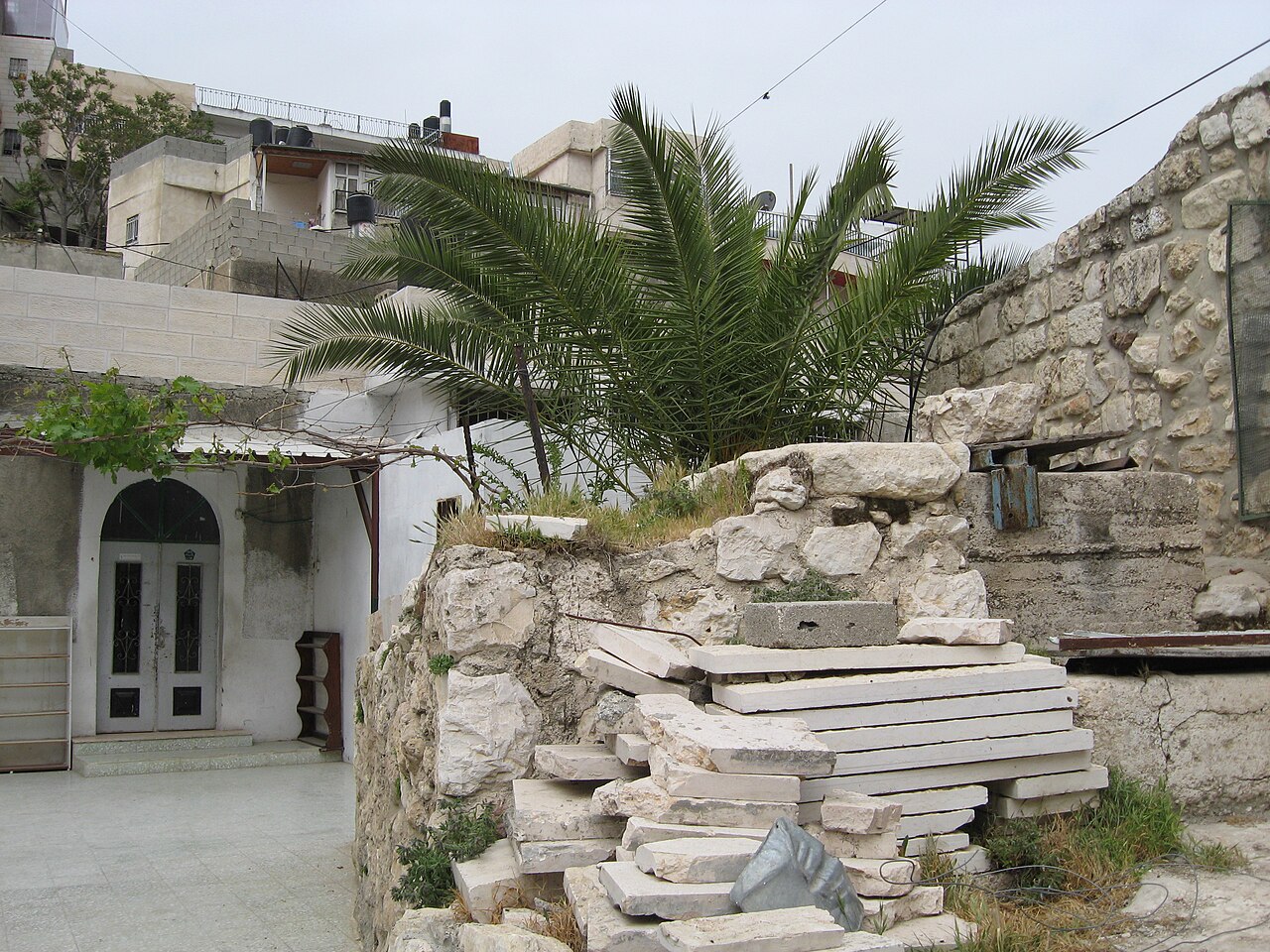
En-rogel, a spring near Jerusalem, was the site of Adonijah's attempt to become king and later served as a meeting place for David's supporters.
En-rogel, also known as the Stone of Zoheleth, was a spring located near Jerusalem, on the border between the territories of Judah and Benjamin (Joshua 15:7; 18:16). It played a significant role in two events related to the succession of King David's throne.
First, Adonijah, one of David's sons, attempted to establish himself as king at En-rogel without David's knowledge or consent (1Ki.1.9). Adonijah sacrificed sheep, oxen, and fattened cattle by the Stone of Zoheleth, which was near En-rogel, and invited his brothers and the king's officials to support his claim to the throne. However, his attempt was thwarted when the prophet Nathan and Bathsheba informed David of the situation, leading to Solomon being anointed as king (1Ki.1.11-40).
Later, during Absalom's rebellion against David, En-rogel served as a meeting place for David's supporters, Jonathan and Ahimaaz (2Sa.17.17). They would bring information from the city to David, who had fled from Jerusalem. A servant girl would go and tell them the information, and they would then go and tell King David, to avoid being seen entering the city.
The name En-rogel means "spring of the fuller" or "fountain of the treader," possibly referring to the presence of a water source used for washing or treading clothes. Its exact location is debated, but it is believed to be either the modern-day Bir Ayub (Job's Well) or the Virgin's Spring (Gihon Spring) in the Kidron Valley, south of the City of David.
Fountain of the treaders; i.e., “foot-fountain;” also called the “fullers’ fountain,” because fullers here trod the clothes in water. It has been identified with the “fountain of the virgin” (q.v.), the modern ‘Ain Ummel-Daraj. Others identify it, with perhaps some probability, with the Bir Eyub, to the south of the Pool of Siloam, and below the junction of the valleys of Kidron and Hinnom.
It was at this fountain that Jonathan and Ahimaaz lay hid after the flight of David (2 Sam. 17:17); and here also Adonijah held the feast when he aspired to the throne of his father (1 Kings 1:9).
The Bir Eyub, or “Joab’s well,” “is a singular work of ancient enterprise. The shaft sunk through the solid rock in the bed of the Kidron is 125 feet deep...The water is pure and entirely sweet, quite different from that of Siloam; which proves that there is no connection between them.” Thomson’s Land and the Book.
Sources: OpenBible.info Bible Geocoding Data (CC BY 4.0, af9cfc9) · STEPBible TIPNR (CC BY 4.0, En-rogel@Jos.15.7-1Ki) · Theographic Bible Metadata (CC BY-SA 4.0, en-rogel_395) · Wikidata (CC0 1.0, Q2919936)