Ezion-geber Summary
STEPBible TIPNR
Ezion-geber, an Israelite encampment during the Exodus and later a port city on the Red Sea, known for its maritime trade and shipbuilding.
Israelite encampment; port city on Red Sea
Loading book references…
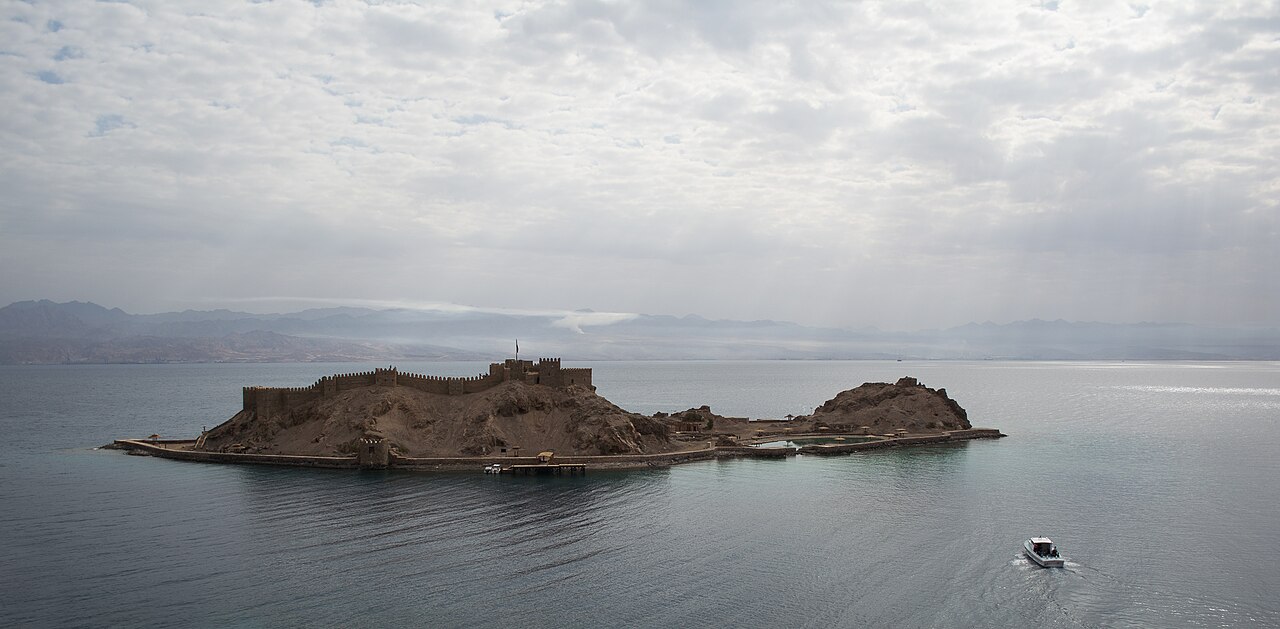
Ezion-geber, an Israelite encampment during the Exodus and later a port city on the Red Sea, known for its maritime trade and shipbuilding.
Ezion-geber is mentioned in the Bible as both an encampment site during the Israelites' wilderness wanderings and a significant port city on the Red Sea during the reigns of Solomon and Jehoshaphat.
In the context of the Exodus, Ezion-geber is listed as one of the places where the Israelites camped after departing from Kadesh and before entering the land of Canaan (Numbers 33:35-36; Deu.2.8). It was located near Elath, at the northern tip of the Gulf of Aqaba, in the modern-day country of Jordan.
During Solomon's reign, Ezion-geber became a major port city and a center for maritime trade. Solomon built a fleet of ships at Ezion-geber, which sailed to Ophir and brought back gold, silver, and other precious materials (1Ki.9.26-28; 2Ch.8.17-18). The strategic location of Ezion-geber allowed Solomon to establish trade routes with Arabia, East Africa, and possibly even India.
Later, during the reign of Jehoshaphat, the king of Judah, there was an attempt to revive the maritime trade from Ezion-geber.
The giant’s backbone (so called from the head of a mountain which runs out into the sea), an ancient city and harbour at the north-east end of the Elanitic branch of the Red Sea, the Gulf of Akabah, near Elath or Eloth (Num. 33:35; Deut. 2:8). Here Solomon built ships, “Tarshish ships,” like those trading from Tyre to Tarshish and the west, which traded with Ophir (1 Kings 9:26; 2 Chr. 8:17); and here also Jehoshaphat’s fleet was shipwrecked (1 Kings 22:48; 2 Chr. 20:36). It became a populous town, many of the Jews settling in it (2 Kings 16:6, “Elath”). It is supposed that anciently the north end of the gulf flowed further into the country than now, as far as ‘Ain el-Ghudyan, which is 10 miles up the dry bed of the Arabah, and that Ezion-geber may have been there.
Sources: OpenBible.info Bible Geocoding Data (CC BY 4.0, a8e53d5) · STEPBible TIPNR (CC BY 4.0, Ezion-geber@Num.33.35-2Ch) · Theographic Bible Metadata (CC BY-SA 4.0, ezion-geber_423)