Benjamin Gate Summary
STEPBible TIPNR
The Benjamin Gate was a gate in Jerusalem, associated with the tribe of Benjamin.
Gate in Jerusalem, associated with the tribe of Benjamin.
Loading book references…
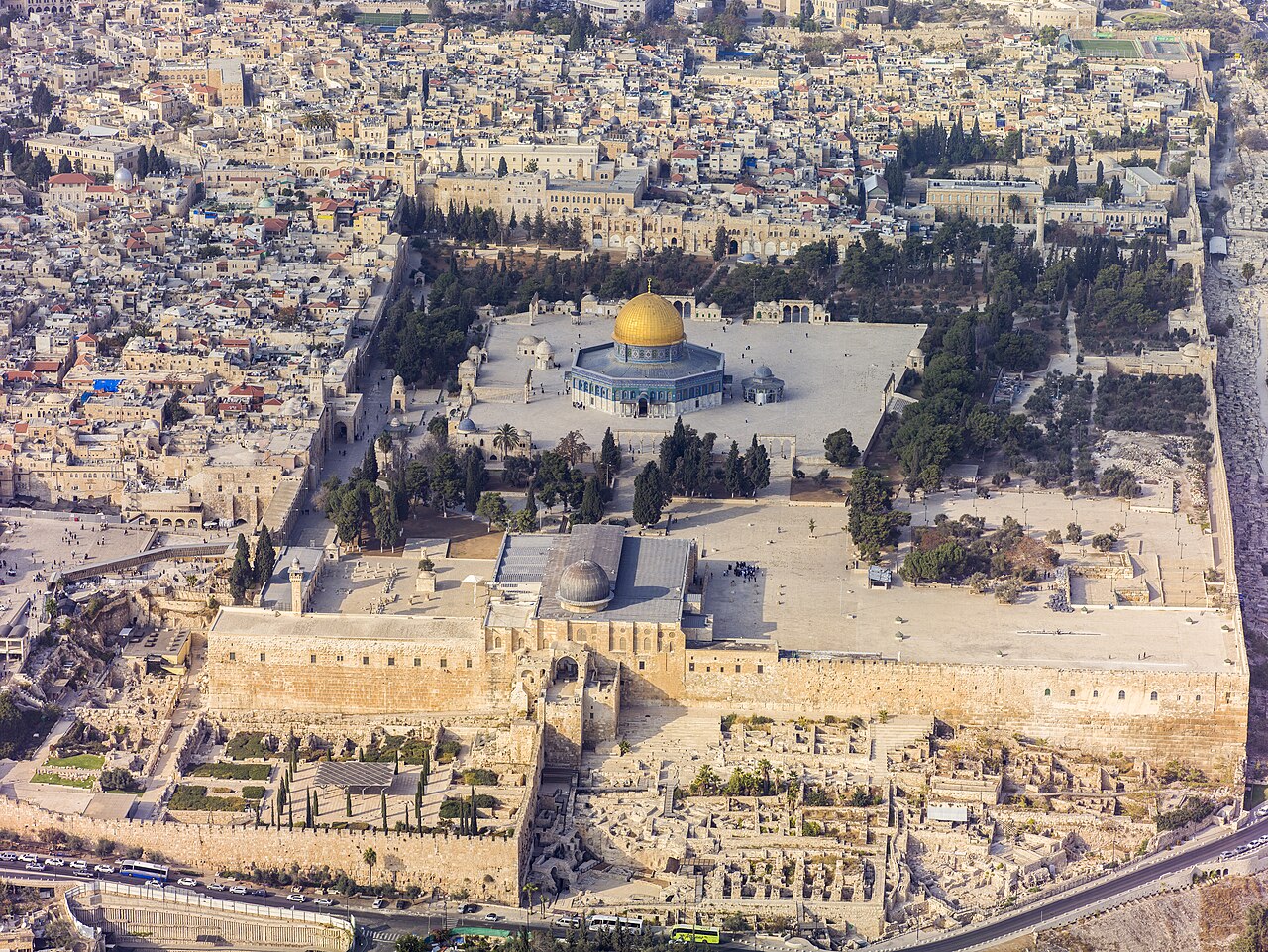
The Benjamin Gate was a gate in Jerusalem, associated with the tribe of Benjamin.
The Benjamin Gate, mentioned in the book of Jeremiah, was one of the gates of Jerusalem during the time of the prophets. It was likely named after the tribe of Benjamin, whose territory was located just north of the city.
In Jeremiah 20:2, the priest Pashhur struck the prophet Jeremiah and put him in the stocks at the Benjamin Gate. This incident occurred after Jeremiah had prophesied about the impending destruction of Jerusalem and the exile of its people.
Later, in Jeremiah 37:13, the prophet was arrested by the guard at the Benjamin Gate when he was attempting to leave Jerusalem during the Babylonian siege of the city. The guard accused Jeremiah of defecting to the Babylonians, but the prophet denied the charge.
In Jeremiah 38:7, Ebed-melech the Ethiopian, a eunuch in the king's house, heard that Jeremiah had been put into a cistern in the court of the guard. He went to the king at the Benjamin Gate to intercede on Jeremiah's behalf, and the king ordered Ebed-melech to take men and lift Jeremiah out of the cistern.
The Benjamin Gate served as a significant location in the book of Jeremiah, being associated with the prophet's persecution, arrest, and rescue. Its mention in these passages highlights the political and religious tensions in Jerusalem during the time leading up to the Babylonian exile.
Sources: OpenBible.info Bible Geocoding Data (CC BY 4.0, ae04aa8) · STEPBible TIPNR (CC BY 4.0, Benjamin_Gate@Jer.20.2-) · Theographic Bible Metadata (CC BY-SA 4.0, gate_of_benjamin_175)