Report an inaccuracy

Gibeah

Place

A city of Benjamin, associated with Saul and atrocities.

Names
  • en Gibeah
    a hill
  • en Gibeath · Also called
  • en Geba · Also called
  • en Gibeathite · Also called
  • en Gibeon · Also called
  • en Gibeonite · Also called
  • he גִּבְעָה · H1390H
  • he גֶּ֫בַע · H1387H
  • he גִּבְעַת · H1389G
  • he גִּבְעַת · H1394
  • he גִּבְעָתִי · H1395
  • bg Гива
Location
Kind: City
Modern name: Tel el Ful
Certainty: Probable
31.823781, 35.231009 · Show on map

SDA Books

Awaiting permission to publish
Linked through an explicitly cited Bible passage

Loading book references…

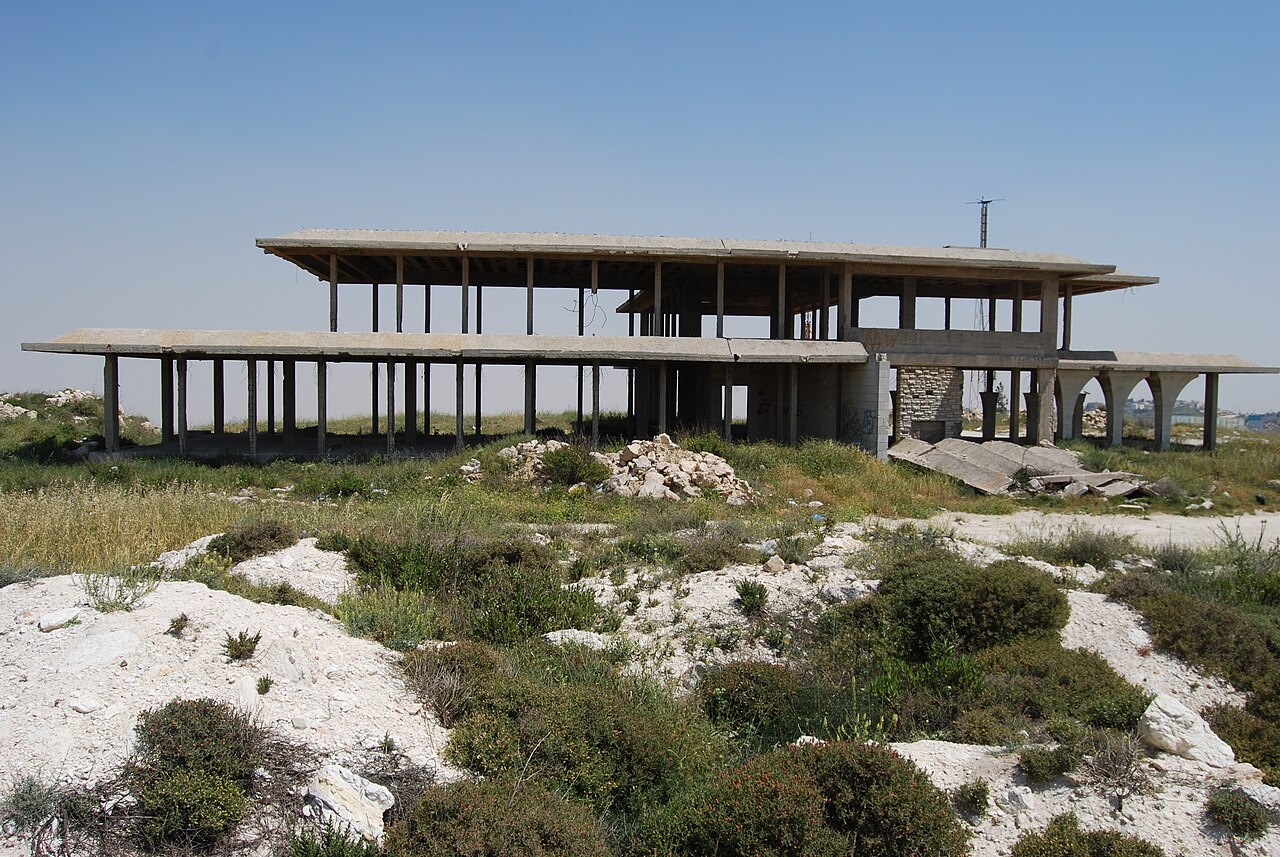
building at Tel el Ful
building at Tel el Ful · Eli.berckovitz · Attribution · Official source
Gibeah Article STEPBible TIPNR

Gibeah was a city located in the territory of Benjamin, often associated with King Saul and the infamous atrocities that occurred there during the period of the judges. It was the hometown and burial place of Eleazar, the son of Aaron (Joshua 24:33). Gibeah is infamously known for the horrific incident involving the concubine of a Levite, which led to a civil war between the Benjamites and the other tribes of Israel (Judges 19-20). The city was also the birthplace and residence of Saul, the first king of Israel (1Sa.10.26; 15:34). Saul and his son Jonathan used Gibeah as a base of operations during their battles against the Philistines (1Sa.13.2, 15; 14:2, 16). The city is mentioned in the context of David's flight from Saul (1Sa.22.6; 23:19; 26:1) and in the account of the hanging of Saul's descendants (2Sa.21.6). Gibeah is also listed among the cities of Benjamin (Joshua 18:28; 1Ch.12.3) and is mentioned in prophetic passages (Isaiah 10:29; Hosea 5:8; 9:9; 10:9). The atrocities committed at Gibeah became a byword for the moral decay and lawlessness of the time, serving as a warning and a call to repentance for future generations.
Gibeah Dictionary Easton's Bible Dictionary (1897)

A hill or hill-town, “of Benjamin” (1 Sam. 13:15), better known as “Gibeah of Saul” (11:4; Isa. 10:29). It was here that the terrible outrage was committed on the Levite’s concubine which led to the almost utter extirpation of the tribe of Benjamin (Judg. 19; 20), only six hundred men surviving after a succession of disastrous battles. This was the birthplace of Saul, and continued to be his residence after he became king (1 Sam. 10:26; 11:4; 15:34). It was reckoned among the ancient sanctuaries of Palestine (10:26; 15:34; 23:19; 26:1; 2 Sam. 21:6-10), and hence it is called “Gibeah of God” (1 Sam. 10:5, R.V. marg.). It has been identified with the modern Tell el-Ful (i.e., “hill of the bean”), about 3 miles north of Jerusalem.

Sources: OpenBible.info Bible Geocoding Data (CC BY 4.0, ac24f5f) · STEPBible TIPNR (CC BY 4.0, Gibeah@Jos.18.28-Hos) · Theographic Bible Metadata (CC BY-SA 4.0, gibeah_466)

Report an inaccuracy

Describe the inaccuracy and, if possible, provide the correct text or a source. The page address will be included automatically.

Page: /en/places/gibeah

Up to 5000 characters. You do not need to log in.

Contact details (optional)

Leave only the details you wish to share. They are sent to the administrator with your report and are not displayed publicly.

Make a suggestion

Describe your idea for improving the site. The page address will be included automatically.

Page: /en/places/gibeah

Up to 5000 characters. You do not need to log in.

Contact details (optional)

Leave only the details you wish to share. They are sent to the administrator with your report and are not displayed publicly.