Kadesh Summary
STEPBible TIPNR
Kadesh (Kadesh-barnea, En-mishpat), an important oasis in the Wilderness of Zin, was a key location during the Israelites' wilderness wanderings.
An important oasis in the Wilderness of Zin
Loading book references…
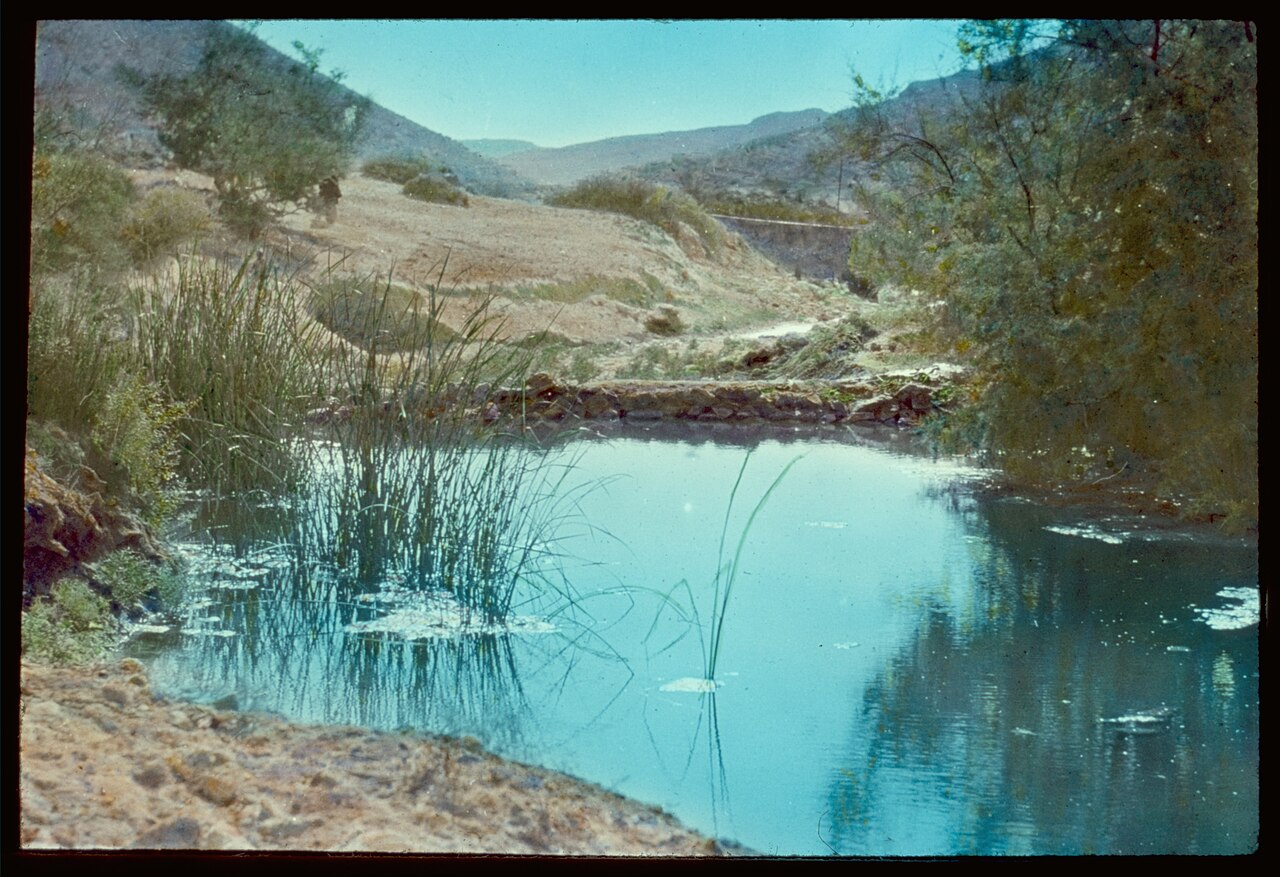
Kadesh (Kadesh-barnea, En-mishpat), an important oasis in the Wilderness of Zin, was a key location during the Israelites' wilderness wanderings.
Kadesh, also known as Kadesh-barnea and En-mishpat, was an important oasis located in the Wilderness of Zin, near the border of Edom (Numbers 20:16). It served as a significant campsite for the Israelites during their wilderness wanderings after the Exodus from Egypt. Kadesh was the place from which Moses sent the twelve spies to explore the land of Canaan (Numbers 13:26; 32:8). It was also the site where Miriam died and was buried (Numbers 20:1) and where Moses and Aaron disobeyed God by striking the rock to bring forth water (Numbers 20:10-13). The Israelites spent a considerable amount of time at Kadesh (Deu.1.46) before moving on to other locations in the wilderness. Kadesh was known for its spring (En-mishpat, meaning "spring of judgment," Genesis 14:7) and was a strategic location along trade routes. It also marked the southern boundary of the Promised Land (Numbers 34:4; Joshua 15:3). The Bible mentions several events that took place at Kadesh, including the rebellion of Korah (Numbers 16) and the Israelites' refusal to enter the Promised Land, resulting in their forty-year wandering in the wilderness (Numbers 14; Deu.1.19-46).
Holy, or Kadesh-Barnea, sacred desert of wandering, a place on the south-eastern border of Palestine, about 165 miles from Horeb. It lay in the “wilderness” or “desert of Zin” (Gen. 14:7; Num. 13:3-26; 14:29-33; 20:1; 27:14), on the border of Edom (20:16). From this place, in compliance with the desire of the people, Moses sent forth “twelve spies” to spy the land. After examining it in all its districts, the spies brought back an evil report, Joshua and Caleb alone giving a good report of the land (13:18-31). Influenced by the discouraging report, the people abandoned all hope of entering into the Promised Land. They remained a considerable time at Kadesh. Because of their unbelief, they were condemned by God to wander for thirty-eight years in the wilderness. They took their journey from Kadesh into the deserts of Paran, “by way of the Red Sea” (Deut. 2:1). (One theory is that during these thirty-eight years they remained in and about Kadesh.)
At the end of these years of wanderings, the tribes were a second time gathered together at Kadesh. During their stay here at this time Miriam died and was buried. Here the people murmured for want of water, as their forefathers had done formerly at Rephidim; and Moses, irritated by their chidings, “with his rod smote the rock twice,” instead of “speaking to the rock before their eyes,” as the Lord had commanded him (comp. Num. 27:14; Deut. 9:23; Ps. 106:32, 33). Because of this act of his, in which Aaron too was involved, neither of them was to be permitted to set foot within the Promised Land (Num. 20:12, 24). The king of Edom would not permit them to pass on through his territory, and therefore they commenced an eastward march, and “came unto Mount Hor” (20:22).
This place has been identified with ‘Ain el-Kadeis, about 12 miles east-south-east of Beersheba.
Sources: OpenBible.info Bible Geocoding Data (CC BY 4.0, ac2cef0) · STEPBible TIPNR (CC BY 4.0, Kadesh@Gen.14.7-Psa) · Theographic Bible Metadata (CC BY-SA 4.0, kadesh-barnea_663)