Kir Summary
STEPBible TIPNR
Kir, also known as Mizpeh, was a Moabite city that faced destruction by the Babylonians (Isaiah 15:1; Jeremiah 48:1, 23).
A Moabite city, later destroyed by the Babylonians
Loading book references…
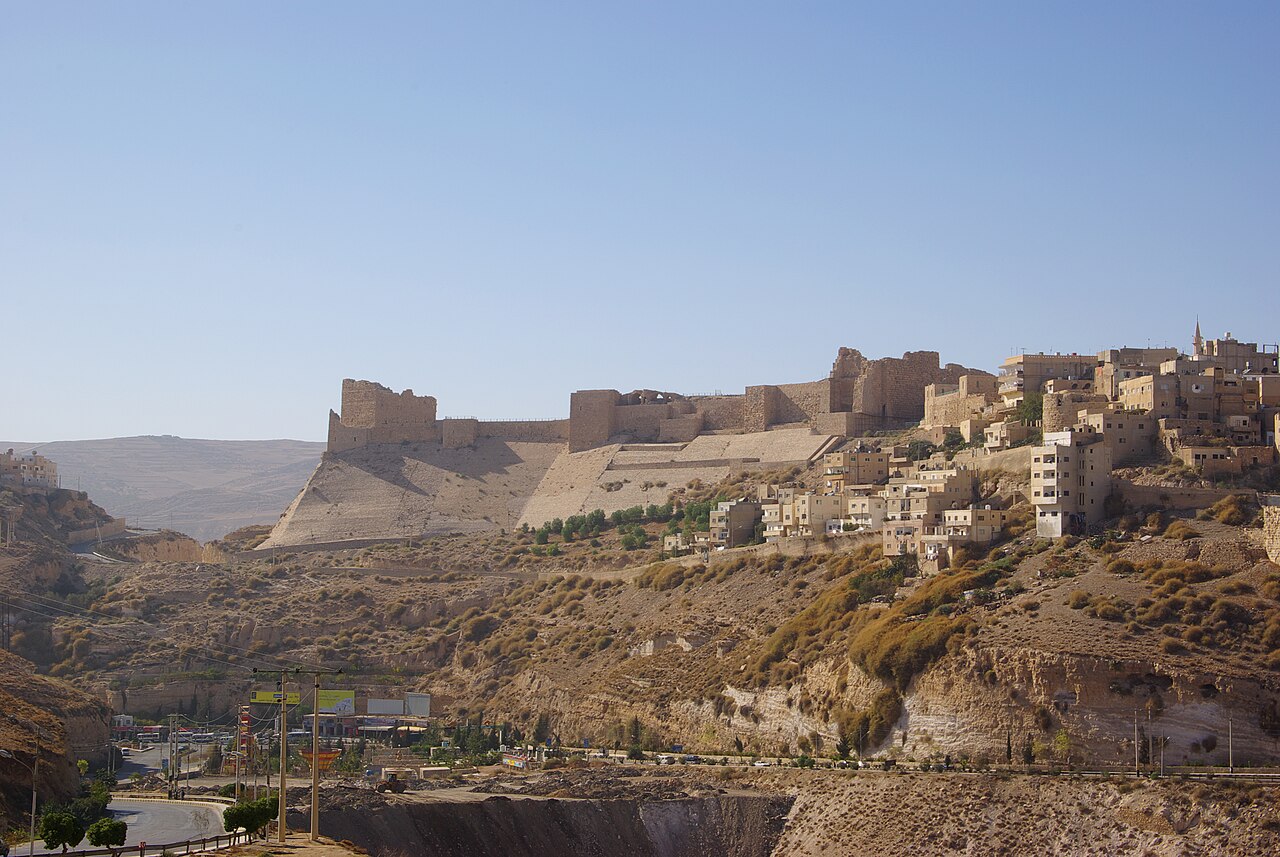
Kir, also known as Mizpeh, was a Moabite city that faced destruction by the Babylonians (Isaiah 15:1; Jeremiah 48:1, 23).
Kir, also referred to as Mizpeh, was a city in Moab, east of the Dead Sea. It is mentioned several times in the prophetic books of Isaiah and Jeremiah in the context of God's judgment against Moab. Isaiah prophesied that Kir would be destroyed in a night (Isaiah 15:1), and Jeremiah foretold that Kir would face judgment and destruction by the Babylonians (Jeremiah 48:1, 23). The city was known for its fortifications, as the name "Kir" means "wall" or "fortress." According to 2Ki.3.25, during the campaign of the kings of Israel, Judah, and Edom against Moab, they destroyed the cities and stopped up the springs of water, including those of Kir-hareseth, which may be another name for Kir. The exact location of Kir is uncertain, but it was likely situated in southern Moab, possibly near the modern-day town of Al-Karak.
Built fortress, a city and fortress of Moab, the modern Kerak, a small town on the brow of a steep hill about 6 miles from Rabbath-Moab and 10 miles from the Dead Sea; called also Kir-haresh, Kir-hareseth, Kir-heres (Isa. 16:7, 11; Jer. 48:31, 36). After the death of Ahab, Mesha, king of Moab, threw off allegiance to the king of Israel, and fought successfully for the independence of his kingdom. After this Jehoram, king of Israel, in seeking to regain his supremacy over Moab, entered into an alliance with Jehoshaphat, king of Judah, and with the king of Edom. The three kings led their armies against Mesha, who was driven back to seek refuge in Kir-haraseth. The Moabites were driven to despair. Mesha then took his eldest son, who would have reigned in his stead, and offered him as a burnt-offering on the wall of the fortress in the sight of the allied armies. “There was great indignation against Israel: and they departed from him, and returned to their own land.” The invaders evacuated the land of Moab, and Mesha achieved the independence of his country (2 Kings 3:20-27).
Sources: OpenBible.info Bible Geocoding Data (CC BY 4.0, ab55371) · STEPBible TIPNR (CC BY 4.0, Kir@1Sa.22.3-Jer) · Theographic Bible Metadata (CC BY-SA 4.0, kir-hareseth_694)