Lachish Summary
STEPBible TIPNR
Lachish, a fortified city in Judah, captured by Joshua and later by the Assyrians (Joshua 10; 2Ki.18.14, 19:8).
A fortified city in Judah
Loading book references…
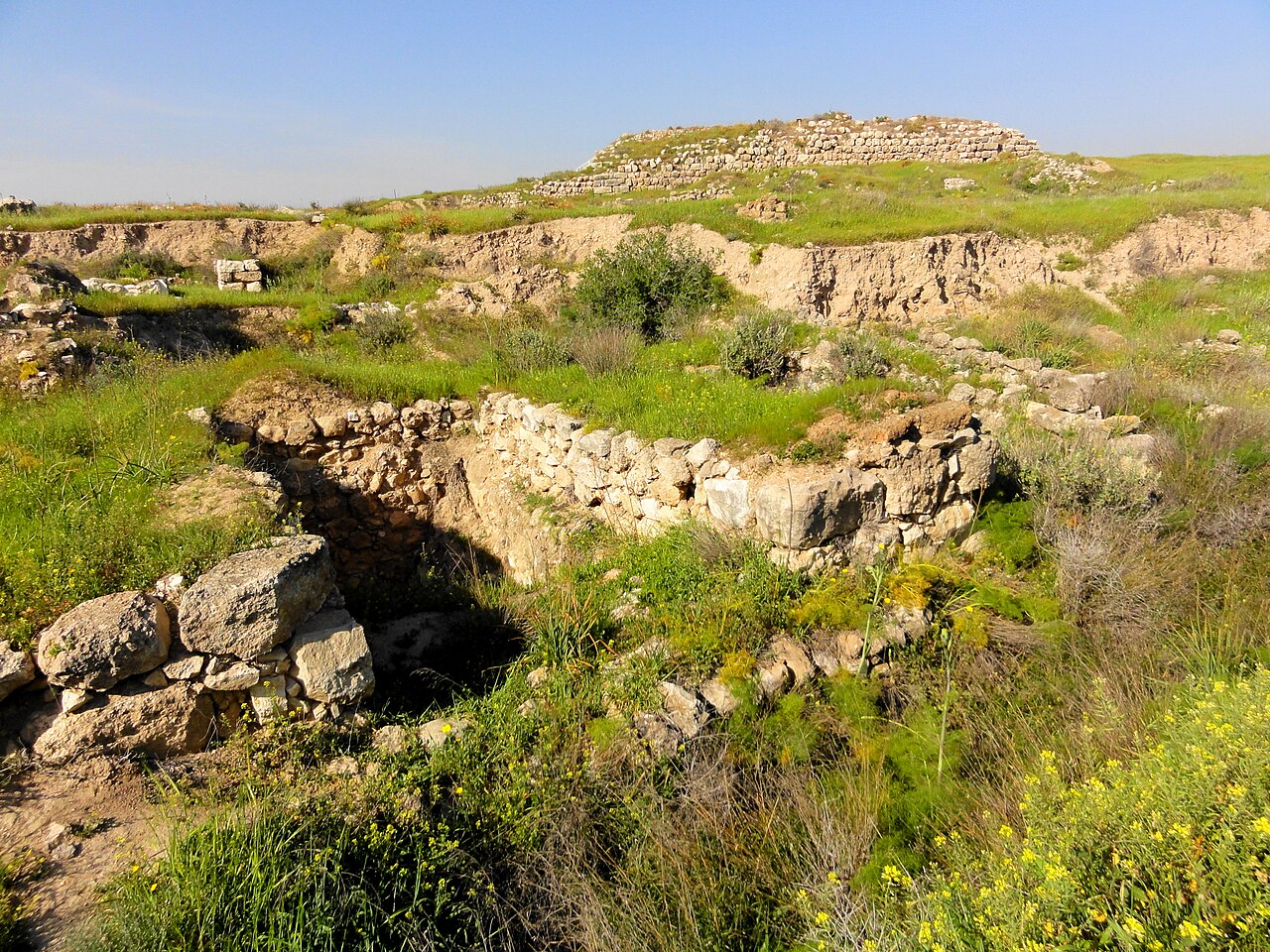
Lachish, a fortified city in Judah, captured by Joshua and later by the Assyrians (Joshua 10; 2Ki.18.14, 19:8).
Lachish was a significant fortified city located in the Shephelah region of Judah (Joshua 15:39). It was one of the Amorite cities that formed an alliance against Joshua and the Israelites, but it was captured and its king was defeated (Joshua 10; 12:11). Later, Rehoboam, the son of Solomon, fortified Lachish as part of his defense strategy (2Ch.11.9). During the reign of King Amaziah, Lachish served as a refuge for the king when he fled from a conspiracy in Jerusalem (2Ki.14.19; 2Ch.25.27). In the time of King Hezekiah, the Assyrian king Sennacherib captured Lachish and used it as a base to send his officials to threaten Jerusalem (2Ki.18.14, 17; 19:8; 2Ch.32.9; Isaiah 36:2; 37:8). The city was one of the last fortified cities in Judah to fall to the Babylonians during the reign of Zedekiah (Jeremiah 34:7). After the Babylonian exile, Lachish was resettled by the people of Judah (Nehemiah 11:30). The prophet Micah also mentioned Lachish, urging the city to give parting gifts to Moresheth-gath (Micah 1:13).
Impregnable, a royal Canaanitish city in the Shephelah, or maritime plain of Palestine (Josh. 10:3, 5; 12:11). It was taken and destroyed by the Israelites (Josh. 10:31-33). It afterwards became, under Rehoboam, one of the strongest fortresses of Judah (2 Chr. 10:9). It was assaulted and probably taken by Sennacherib (2 Kings 18:14, 17; 19:8; Isa. 36:2). An account of this siege is given on some slabs found in the chambers of the palace of Koyunjik, and now in the British Museum. The inscription has been deciphered as follows:, “Sennacherib, the mighty king, king of the country of Assyria, sitting on the throne of judgment before the city of Lachish: I gave permission for its slaughter.”
Lachish has been identified with Tell-el-Hesy, where a cuneiform tablet has been found, containing a letter supposed to be from Amenophis at Amarna in reply to one of the Amarna tablets sent by Zimrida from Lachish. This letter is from the chief of Atim (=Etam, 1 Chr. 4:32) to the chief of Lachish, in which the writer expresses great alarm at the approach of marauders from the Hebron hills. “They have entered the land,” he says, “to lay waste...strong is he who has come down. He lays waste.” This letter shows that “the communication by tablets in cuneiform script was not only usual in writing to Egypt, but in the internal correspondence of the country. The letter, though not so important in some ways as the Moabite stone and the Siloam text, is one of the most valuable discoveries ever made in Palestine” (Conder’s Tell Amarna Tablets, p. 134).
Excavations at Lachish are still going on, and among other discoveries is that of an iron blast-furnace, with slag and ashes, which is supposed to have existed B.C. 1500. If the theories of experts are correct, the use of the hot-air blast instead of cold air (an improvement in iron manufacture patented by Neilson in 1828) was known fifteen hundred years before Christ.
Sources: OpenBible.info Bible Geocoding Data (CC BY 4.0, a3cc590) · STEPBible TIPNR (CC BY 4.0, Lachish@Jos.10.3-Mic) · Theographic Bible Metadata (CC BY-SA 4.0, lachish_711)