Heb. Madai, which is rendered in the Authorized Version (1) “Madai,” Gen. 10:2; (2) “Medes,” 2 Kings 17:6; 18:11; (3) “Media,” Esther 1:3; 10:2; Isa. 21:2; Dan. 8:20; (4) “Mede,” only in Dan. 11:1.
We first hear of this people in the Assyrian cuneiform records, under the name of Amada, about B.C. 840. They appear to have been a branch of the Aryans, who came from the east bank of the Indus, and were probably the predominant race for a while in the Mesopotamian valley. They consisted for three or four centuries of a number of tribes, each ruled by its own chief, who at length were brought under the Assyrian yoke (2 Kings 17:6). From this subjection they achieved deliverance, and formed themselves into an empire under Cyaxares (B.C. 633). This monarch entered into an alliance with the king of Babylon, and invaded Assyria, capturing and destroying the city of Nineveh (B.C. 625), thus putting an end to the Assyrian monarchy (Nah. 1:8; 2:5, 6; 3:13, 14).
Media now rose to a place of great power, vastly extending its boundaries. But it did not long exist as an independent kingdom. It rose with Cyaxares, its first king, and it passed away with him; for during the reign of his son and successor Astyages, the Persians waged war against the Medes and conquered them, the two nations being united under one monarch, Cyrus the Persian (B.C. 558).
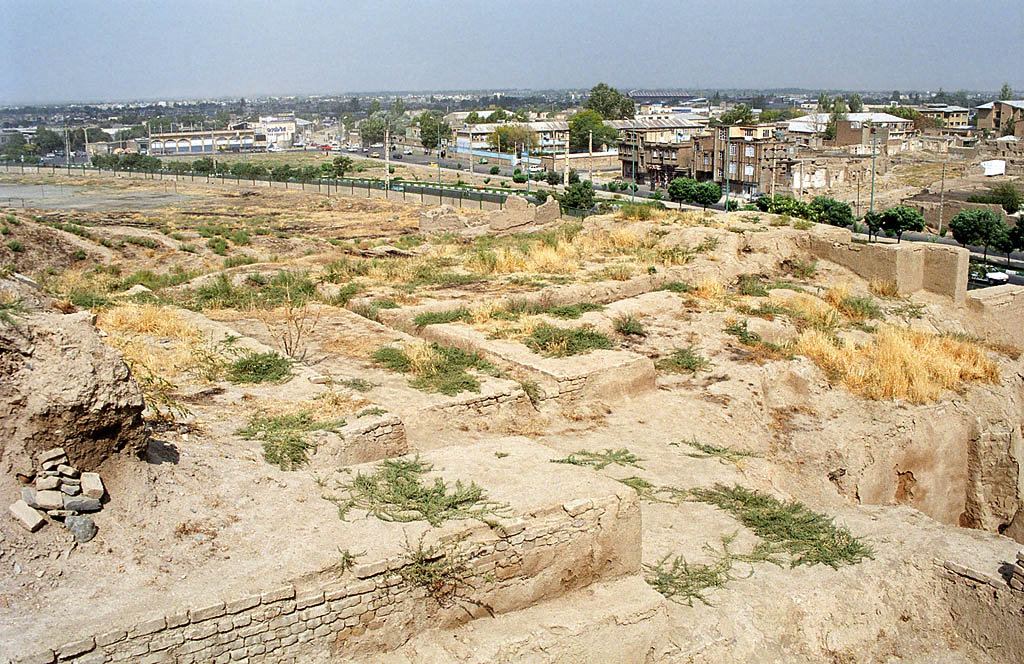
The “cities of the Medes” are first mentioned in connection with the deportation of the Israelites on the destruction of Samaria (2 Kings 17:6; 18:11). Soon afterwards Isaiah (13:17; 21:2) speaks of the part taken by the Medes in the destruction of Babylon (comp. Jer. 51:11, 28). Daniel gives an account of the reign of Darius the Mede, who was made viceroy by Cyrus (Dan. 6:1-28). The decree of Cyrus, Ezra informs us (6:2-5), was found in “the palace that is in the province of the Medes,” Achmetha or Ecbatana of the Greeks, which is the only Median city mentioned in Scripture.