Memphis Summary
STEPBible TIPNR
Memphis, an ancient Egyptian city mentioned in prophecies of judgment against Egypt (Isaiah 19:13; Jeremiah 2:16; 44:1; 46:14, 19; Ezk.30.13, 16; Hosea 9:6).
An important city in ancient Egypt
Loading book references…
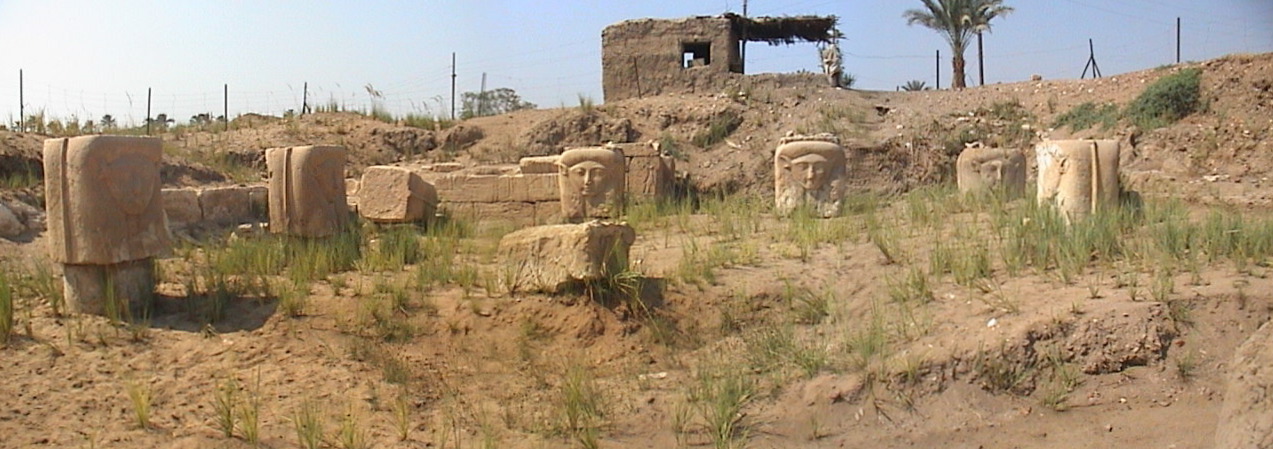
Memphis, an ancient Egyptian city mentioned in prophecies of judgment against Egypt (Isaiah 19:13; Jeremiah 2:16; 44:1; 46:14, 19; Ezk.30.13, 16; Hosea 9:6).
Memphis was an important city in ancient Egypt, located south of modern Cairo. It served as the capital of Egypt during the Old Kingdom period and remained a significant cultural and religious center throughout much of Egyptian history. In the Bible, Memphis is mentioned primarily in the context of prophecies against Egypt. The prophet Isaiah speaks of the princes of Memphis as being deceived and leading Egypt astray (Isaiah 19:13). Jeremiah mentions Memphis as one of the cities where the Jews fled to escape the Babylonian invasion, but he warns that they will not find safety there (Jeremiah 2:16; 44:1; 46:14, 19). Ezekiel prophesies that God will execute judgments against the idols and princes of Memphis (Ezk.30.13, 16). Hosea also refers to Memphis (Moph) as a place where the Israelites will be exiled and will die (Hosea 9:6).
Only in Hos. 9:6, Hebrew Moph. In Isa. 19:13; Jer. 2:16; 46:14, 19; Ezek. 30:13, 16, it is mentioned under the name Noph. It was the capital of Lower, i.e., of Northern Egypt. From certain remains found half buried in the sand, the site of this ancient city has been discovered near the modern village of Minyet Rahinch, or Mitraheny, about 16 miles above the ancient head of the Delta, and 9 miles south of Cairo, on the west bank of the Nile. It is said to have been founded by Menes, the first king of Egypt, and to have been in circumference about 19 miles. “There are few remains above ground,” says Manning (The Land of the Pharaohs), “of the splendour of ancient Memphis. The city has utterly disappeared. If any traces yet exist, they are buried beneath the vast mounds of crumbling bricks and broken pottery which meet the eye in every direction. Near the village of Mitraheny is a colossal statue of Rameses the Great. It is apparently one of the two described by Herodotus and Diodorus as standing in front of the temple of Ptah. They were originally 50 feet in height. The one which remains, though mutilated, measures 48 feet. It is finely carved in limestone, which takes a high polish, and is evidently a portrait. It lies in a pit, which, during the inundation, is filled with water. As we gaze on this fallen and battered statue of the mighty conqueror who was probably contemporaneous with Moses, it is impossible not to remember the words of the prophet Isaiah, 19:13; 44:16-19, and Jeremiah, 46:19.”
Sources: OpenBible.info Bible Geocoding Data (CC BY 4.0, a8ec269) · STEPBible TIPNR (CC BY 4.0, Memphis@Isa.19.13-Hos) · Theographic Bible Metadata (CC BY-SA 4.0, memphis_779) · Wikidata (CC0 1.0, Q3517521)