Mesopotamia, the ancient region between the Tigris and Euphrates rivers, where Abraham lived before being called to Canaan (Genesis 24:10; Act.7.2) and where the Israelites were oppressed by Cushan-rishathaim (Judges 3:8).
Mesopotamia
PlaceThe region between the Tigris and Euphrates rivers
-
en
Mesopotamia
between two rivers
- en Aram · Also called
- en Aram Naharaim · Also called
- en Aram-Naharaim · Also called
- en Armon · Also called
- en Armon Haraim · Also called
- he אֲרַם נַהֲרַיִם · H0763G
- he אֲרָם · H0758N
- el Μεσοποταμία · G3318
- bg Месопотамия
SDA Books
Awaiting permission to publishLoading book references…
Mesopotamia, meaning "between the rivers," refers to the ancient region located between the Tigris and Euphrates rivers, in modern-day Iraq, Syria, and Turkey. It is first mentioned in the Bible as the place where Abraham lived before God called him to go to Canaan (Genesis 24:10; Act.7.2). During the time of the judges, the Israelites were oppressed by Cushan-rishathaim, king of Mesopotamia, for eight years until Othniel, Caleb's younger brother, defeated him (Judges 3:8, 10). Mesopotamia was also the homeland of Balaam, the prophet hired by Balak, king of Moab, to curse Israel (Deu.23.4). In the New Testament, Mesopotamia is mentioned as one of the regions from which devout Jews had come to Jerusalem for the Feast of Pentecost (Act.2.9). Throughout history, Mesopotamia was home to many powerful civilizations, including the Sumerians, Assyrians, and Babylonians, who played significant roles in biblical history.
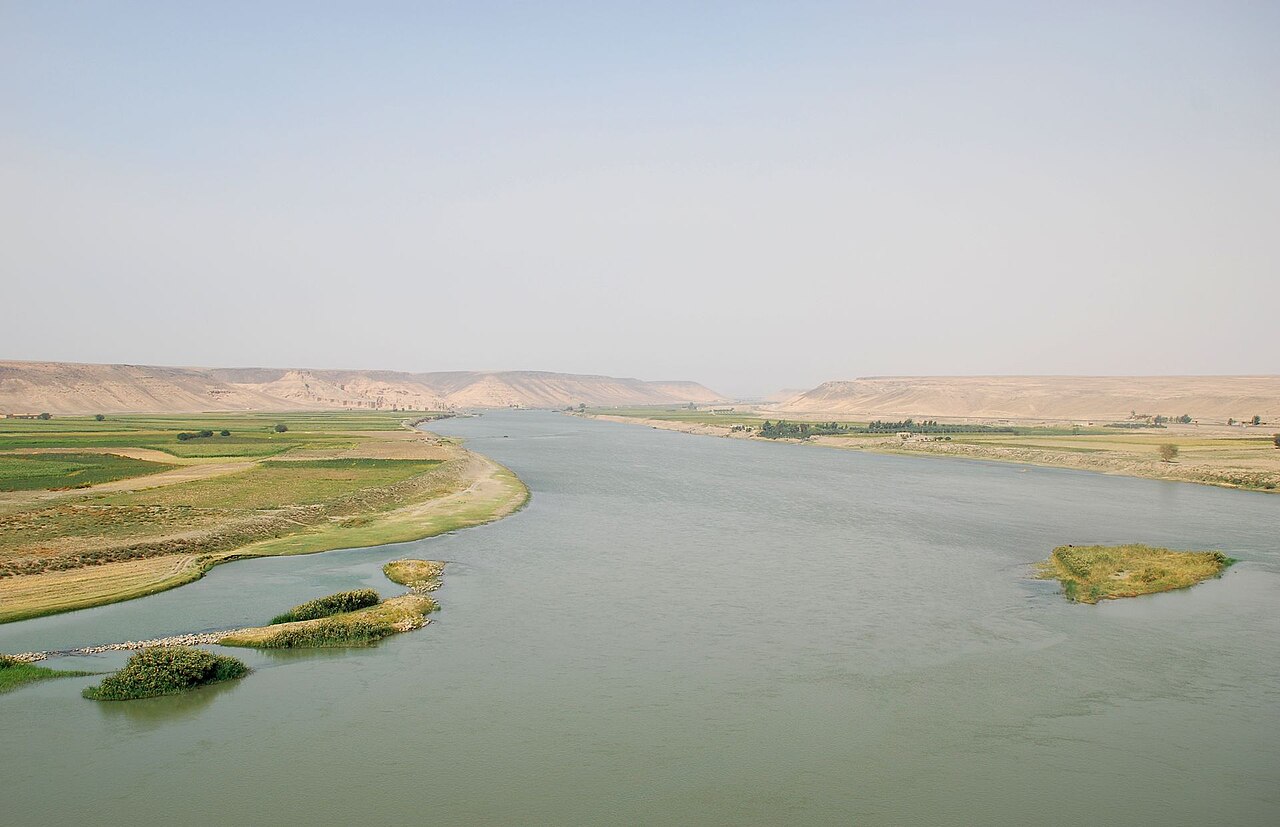
The country between the two rivers (Heb. Aram-naharaim; i.e., “Syria of the two rivers”), the name given by the Greeks and Romans to the region between the Euphrates and the Tigris (Gen. 24:10; Deut. 23:4; Judg. 3:8, 10). In the Old Testament it is mentioned also under the name “Padan-aram;” i.e., the plain of Aram, or Syria (Gen. 25:20). The northern portion of this fertile plateau was the original home of the ancestors of the Hebrews (Gen. 11; Acts 7:2). From this region Isaac obtained his wife Rebecca (Gen. 24:10, 15), and here also Jacob sojourned (28:2-7) and obtained his wives, and here most of his sons were born (35:26; 46:15). The petty, independent tribes of this region, each under its own prince, were warlike, and used chariots in battle. They maintained their independence till after the time of David, when they fell under the dominion of Assyria, and were absorbed into the empire (2 Kings 19:13).
Sources: OpenBible.info Bible Geocoding Data (CC BY 4.0, a43f60f) · STEPBible TIPNR (CC BY 4.0, Mesopotamia@Gen.24.10-Act) · Theographic Bible Metadata (CC BY-SA 4.0, mesopotamia_790)