Michmash Summary
STEPBible TIPNR
Michmash, a town in Benjamin where Saul camped (1Sa 13:2) and near which Jonathan defeated a Philistine garrison (1Sa.14.5, 31).
A town in Benjamin; site of Saul's camp and Jonathan's victory
Loading book references…
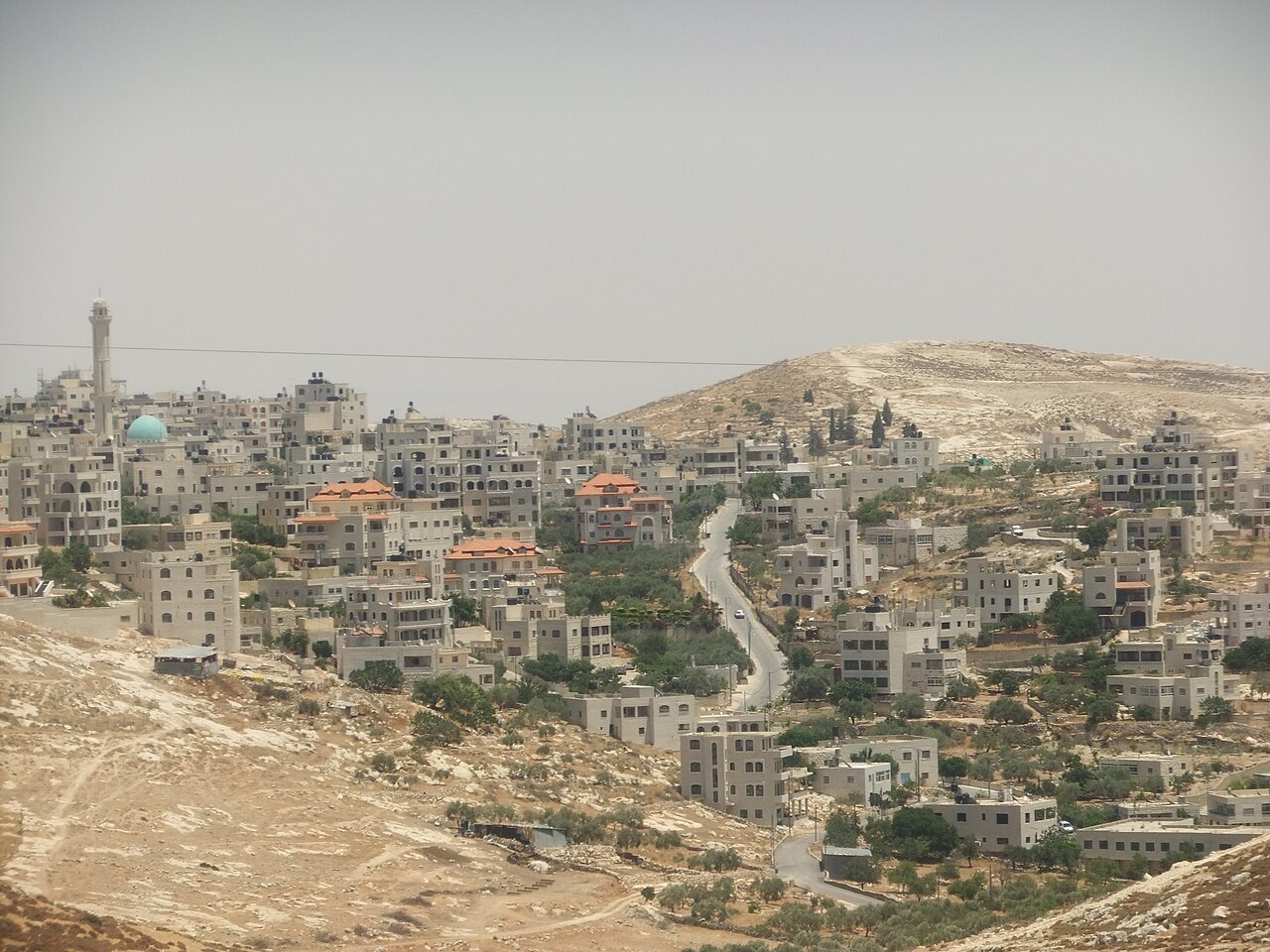
Michmash, a town in Benjamin where Saul camped (1Sa 13:2) and near which Jonathan defeated a Philistine garrison (1Sa.14.5, 31).
Michmash was a town in the territory of Benjamin, located about 7 miles north of Jerusalem. It is first mentioned in the Bible as the place where Saul gathered his troops to fight against the Philistines (1Sa.13.2). The Philistines had a garrison at Michmash, and their troops were encamped there (1Sa.13.5, 11, 16, 23). Jonathan, Saul's son, launched a daring attack on the Philistine garrison near Michmash, which led to a great victory for Israel (1Sa.14.5, 31). After the Babylonian exile, some people from Michmash returned to resettle in their hometown (Ezra 2:27; Nehemiah 7:31; 11:31). The prophet Isaiah mentions Michmash in his prophecy about the advance of the Assyrian army, indicating that it was on the route from the north to Jerusalem (Isaiah 10:28).
Something hidden, a town of Benjamin (Ezra 2:27), east of Bethel and south of Migron, on the road to Jerusalem (Isa. 10:28). It lay on the line of march of an invading army from the north, on the north side of the steep and precipitous Wady es-Suweinit (“valley of the little thorn-tree” or “the acacia”), and now bears the name of Mukhmas. This wady is called “the passage of Michmash” (1 Sam. 13:23). Immediately facing Mukhmas, on the opposite side of the ravine, is the modern representative of Geba, and behind this again are Ramah and Gibeah.
This was the scene of a great battle fought between the army of Saul and the Philistines, who were utterly routed and pursued for some 16 miles towards Philistia as far as the valley of Aijalon. “The freedom of Benjamin secured at Michmash led through long years of conflict to the freedom of all its kindred tribes.” The power of Benjamin and its king now steadily increased. A new spirit and a new hope were now at work in Israel.
Sources: OpenBible.info Bible Geocoding Data (CC BY 4.0, adea06c) · STEPBible TIPNR (CC BY 4.0, Michmash@1Sa.13.2-Isa) · Theographic Bible Metadata (CC BY-SA 4.0, michmash_793) · Wikidata (CC0 1.0, Q6849813)