Most Holy Place Summary
STEPBible TIPNR
The Most Holy Place was the innermost room of the tabernacle and temple, where the Ark of the Covenant was kept.
The innermost room of the tabernacle and temple
Loading book references…
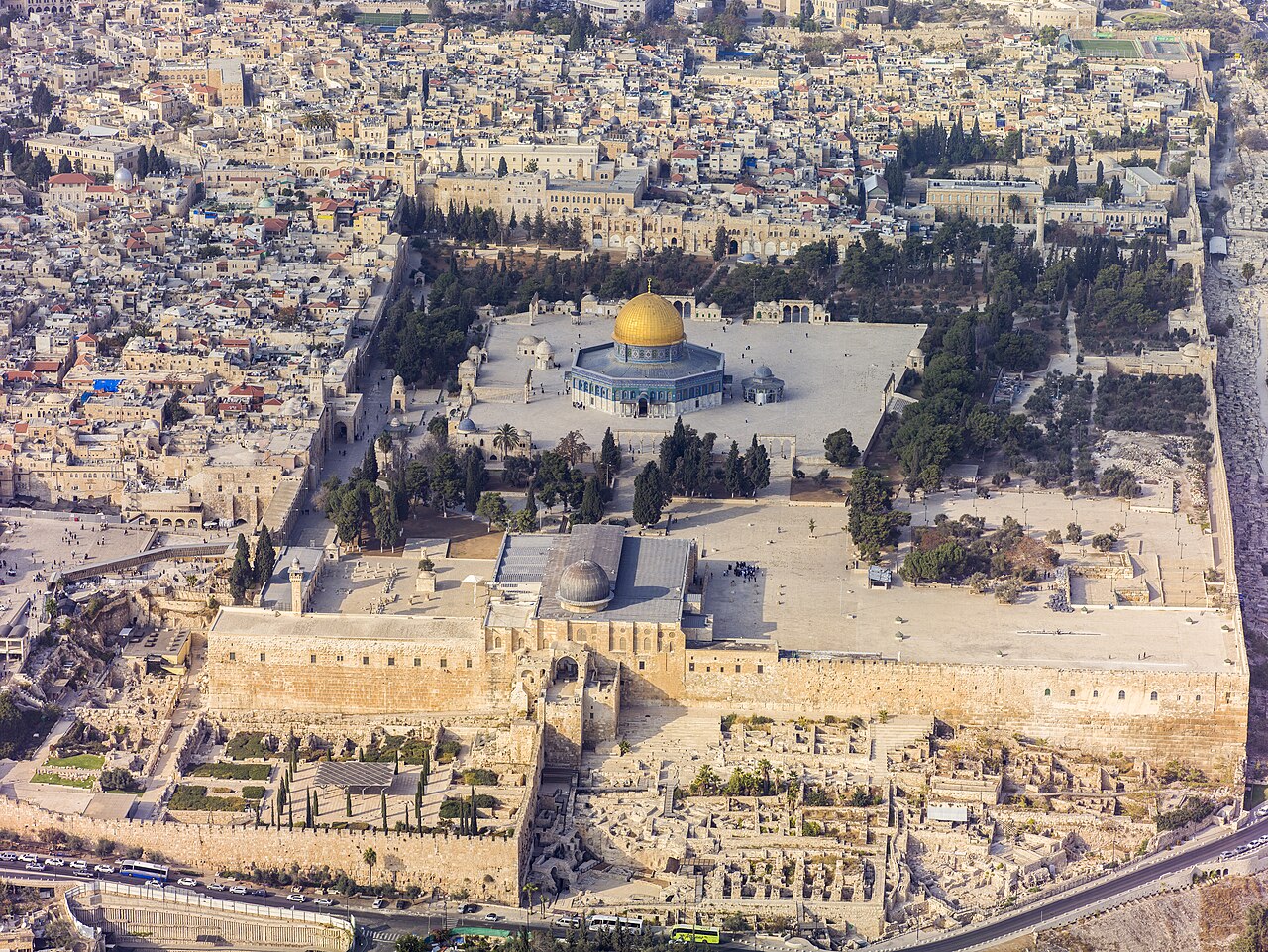
The Most Holy Place was the innermost room of the tabernacle and temple, where the Ark of the Covenant was kept.
The Most Holy Place, also known as the Holy of Holies, was the innermost room of the tabernacle and later the temple in Jerusalem. It was separated from the Holy Place by a veil (Exod. 26:31-33). The Ark of the Covenant, which contained the tablets of the Ten Commandments, was kept in the Most Holy Place (Exod. 25:10-22; 1Kgs. 8:6). The high priest entered the Most Holy Place only once a year, on the Day of Atonement, to make atonement for the sins of the people (Lev. 16). The Most Holy Place was a perfect cube, measuring 20 cubits in length, width, and height (1Kgs. 6:20; 2Chr. 3:8). It was overlaid with pure gold and contained gold cherubim (1Kgs. 6:28; 2Chr. 3:10-13). The Most Holy Place represented the dwelling place of God among His people.
One of the two portions into which the tabernacle was divided (Ex. 26:31; 37:17-25; Heb. 9:2). It was 20 cubits long and 10 in height and breadth. It was illuminated by the golden candlestick, as it had no opening to admit the light. It contained the table of showbread (Ex. 25:23-29) and the golden altar of incense (30:1-11). It was divided from the holy of holies by a veil of the most costly materials and the brightest colours.
The arrangement of the temple (q.v.) was the same in this respect. In it the walls of hewn stone were wainscotted with cedar and overlaid with gold, and adorned with beautiful carvings. It was entered from the porch by folding doors overlaid with gold and richly embossed. Outside the holy place stood the great tank or “sea” of molten brass, supported by twelve oxen, three turned each way, capable of containing two thousand baths of water. Besides this there were ten lavers and the brazen altar of burnt sacrifice.
Sources: OpenBible.info Bible Geocoding Data (CC BY 4.0, a9acaaf) · STEPBible TIPNR (CC BY 4.0, Most_Holy_Place@1Ki.6.16-Heb) · Theographic Bible Metadata (CC BY-SA 4.0, most_holy_place_827)