Nile Summary
STEPBible TIPNR
The Nile, the major river of Egypt, is mentioned in various contexts throughout the Bible, often in relation to the history of Israel and God's judgment on Egypt.
The major river of Egypt, mentioned in various contexts
Loading book references…
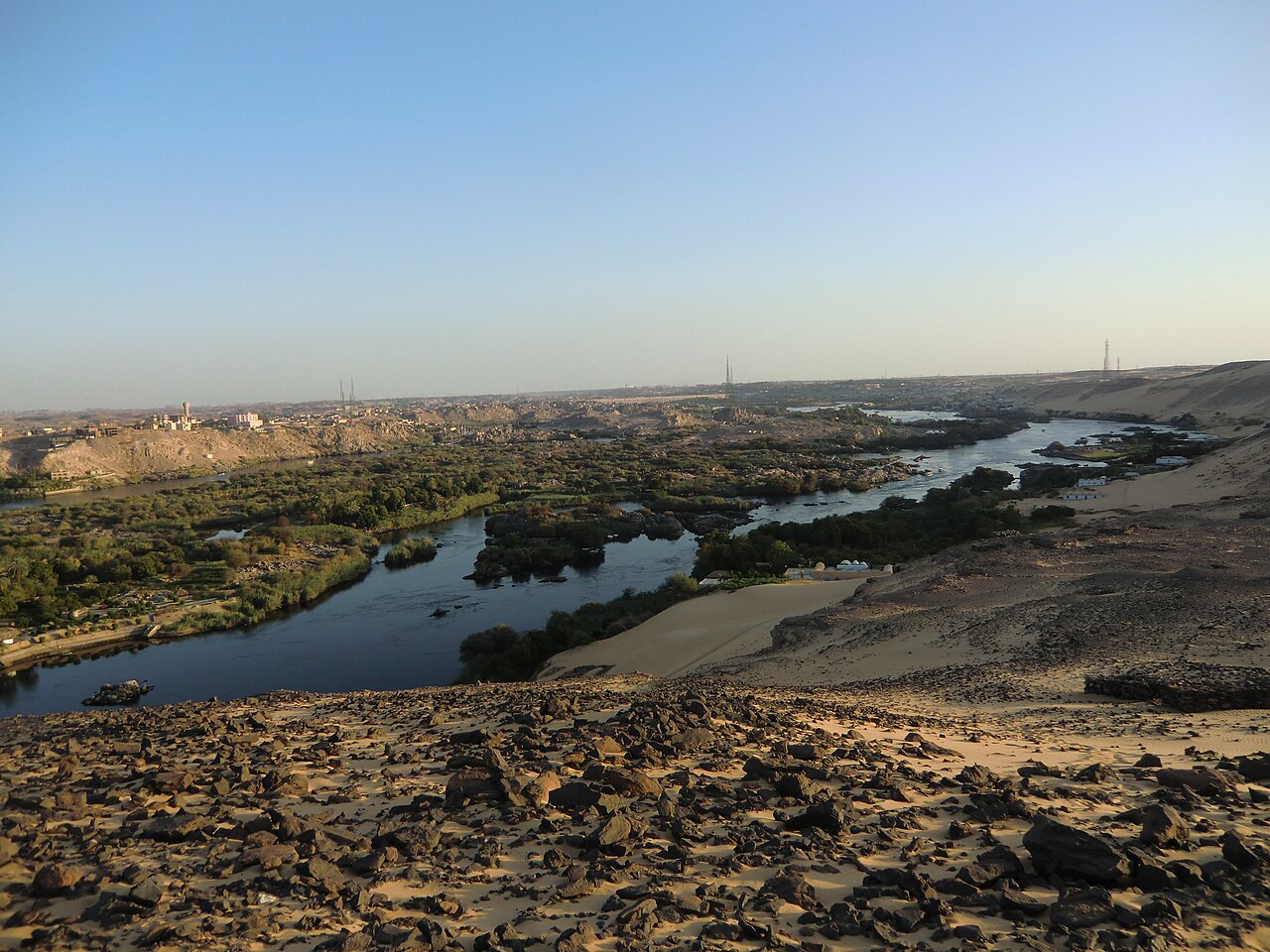
The Nile, the major river of Egypt, is mentioned in various contexts throughout the Bible, often in relation to the history of Israel and God's judgment on Egypt.
The Nile is the longest river in the world and played a crucial role in the history and culture of ancient Egypt. It is mentioned numerous times in the Bible, particularly in the Old Testament. In the story of Joseph, the Nile and its canals are the setting for Pharaoh's dreams about the seven years of plenty and seven years of famine (Gen. 41:1-3, 17-18). During the Israelites' bondage in Egypt, the Nile was the site of the miraculous plagues, such as the turning of the water into blood (Exod. 7:17-21) and the emergence of frogs from the river (Exod. 8:3-11). The Nile also played a role in the early life of Moses, who was placed in a basket among the reeds of the river as an infant (Exod. 2:3-5).
The prophets often used the Nile as a symbol of Egypt's power and pride, which would be brought low by God's judgment (Isa. 19:6-8; Jer. 46:7-8; Ezek. 29:3-9; 30:12; Amo.8.8; 9:5; Nah. 3:8; Zech. 10:11). The Nile was also a source of economic prosperity for Egypt, as it provided water for irrigation and served as a major transportation route (Isa. 23:3, 10).
Dark; blue, not found in Scripture, but frequently referred to in the Old Testament under the name of Sihor, i.e., “the black stream” (Isa. 23:3; Jer. 2:18) or simply “the river” (Gen. 41:1; Ex. 1:22, etc.) and the “flood of Egypt” (Amos 8:8). It consists of two rivers, the White Nile, which takes its rise in the Victoria Nyanza, and the Blue Nile, which rises in the Abyssinian Mountains. These unite at the town of Khartoum, whence it pursues its course for 1,800 miles, and falls into the Mediterranean through its two branches, into which it is divided a few miles north of Cairo, the Rosetta and the Damietta branch.
Sources: OpenBible.info Bible Geocoding Data (CC BY 4.0, a012705) · STEPBible TIPNR (CC BY 4.0, Nile@Gen.41.1-Zec) · Theographic Bible Metadata (CC BY-SA 4.0, nile_895) · Wikidata (CC0 1.0, Q3392)