Pelusium Summary
STEPBible TIPNR
Pelusium, also known as Sin, was an important Egyptian city mentioned in Ezekiel's prophecy against Egypt.
An Egyptian city, also known as Sin
Loading book references…
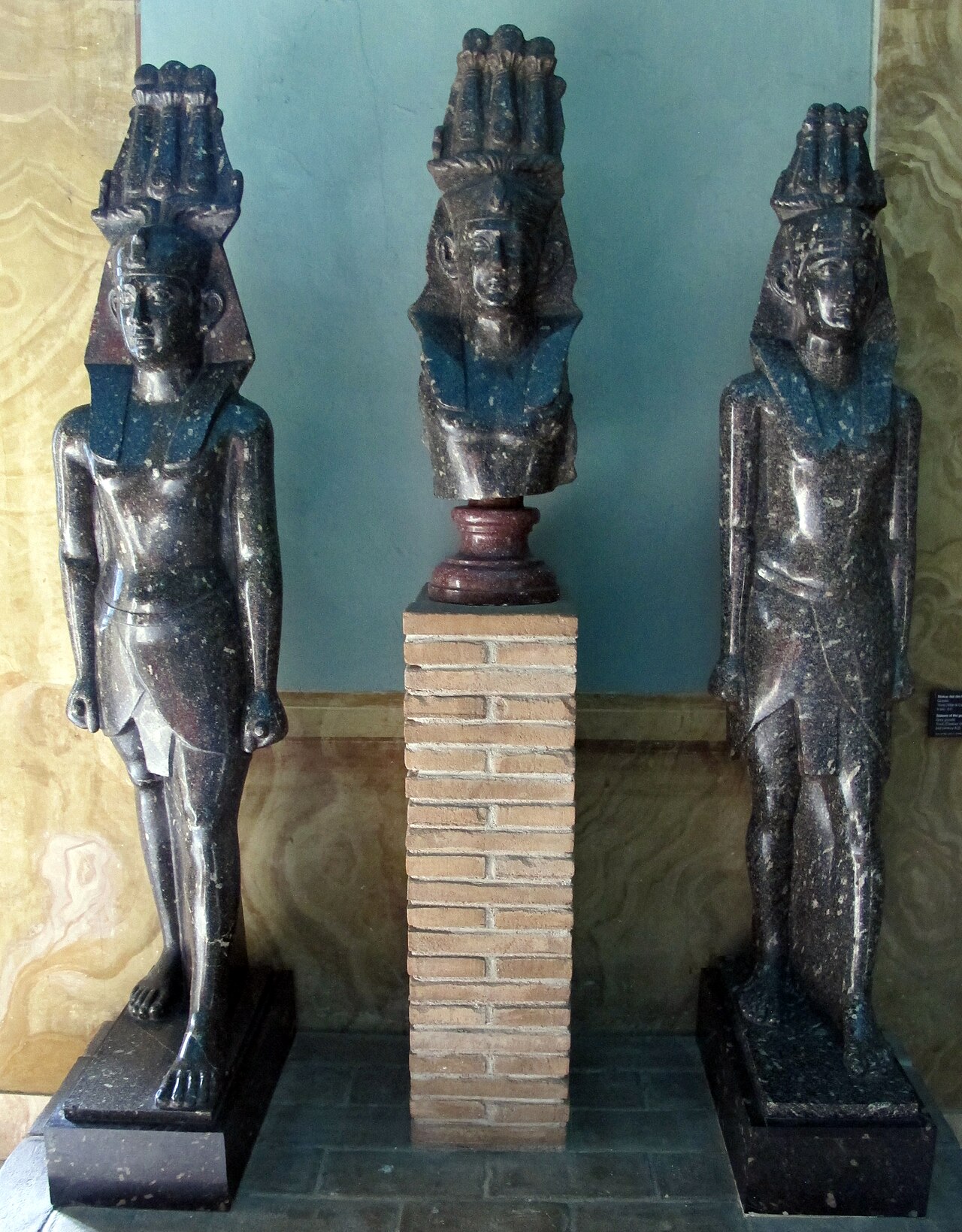
Pelusium, also known as Sin, was an important Egyptian city mentioned in Ezekiel's prophecy against Egypt.
Pelusium, referred to as Sin in the Hebrew Bible, was an ancient Egyptian city located in the northeastern Nile Delta, near the Mediterranean Sea. It is mentioned in the Book of Ezekiel as part of a prophecy against Egypt (Ezek. 30:15-16). Ezekiel foretells that God will pour out His wrath upon Sin (Pelusium) and cut off the multitude of No (Thebes), indicating that Pelusium would face divine judgment along with other major Egyptian cities. Historically, Pelusium served as a strategic frontier fortress and was known for its role in defending Egypt against foreign invasions. The city was also an important commercial center, situated at the crossroads of trade routes between Egypt, the Levant, and the Mediterranean world. Although the biblical references to Pelusium are limited, its inclusion in Ezekiel's prophecy highlights its significance in ancient Egypt.
“Sin against the Holy Ghost” (q.v.), or a “sin unto death” (Matt. 12:31, 32; 1 John 5:16), which amounts to a wilful rejection of grace.
Sin, a city in Egypt, called by the Greeks Pelusium, which means, as does also the Hebrew name, “clayey” or “muddy,” so called from the abundance of clay found there. It is called by Ezekel (Ezek. 30:15) “the strength of Egypt, “thus denoting its importance as a fortified city. It has been identified with the modern Tineh, “a miry place,” where its ruins are to be found. Of its boasted magnificence only four red granite columns remain, and some few fragments of others.
Sources: OpenBible.info Bible Geocoding Data (CC BY 4.0, aa32a17) · STEPBible TIPNR (CC BY 4.0, Pelusium@Ezk.30.15-) · Theographic Bible Metadata (CC BY-SA 4.0, pelusium_929) · Wikidata (CC0 1.0, Q25383052)