Phrygia Summary
STEPBible TIPNR
Phrygia was a region in Asia Minor where Paul traveled and preached the gospel, and some of its inhabitants were present in Jerusalem on the day of Pentecost.
A region in Asia Minor with early Christians
Loading book references…
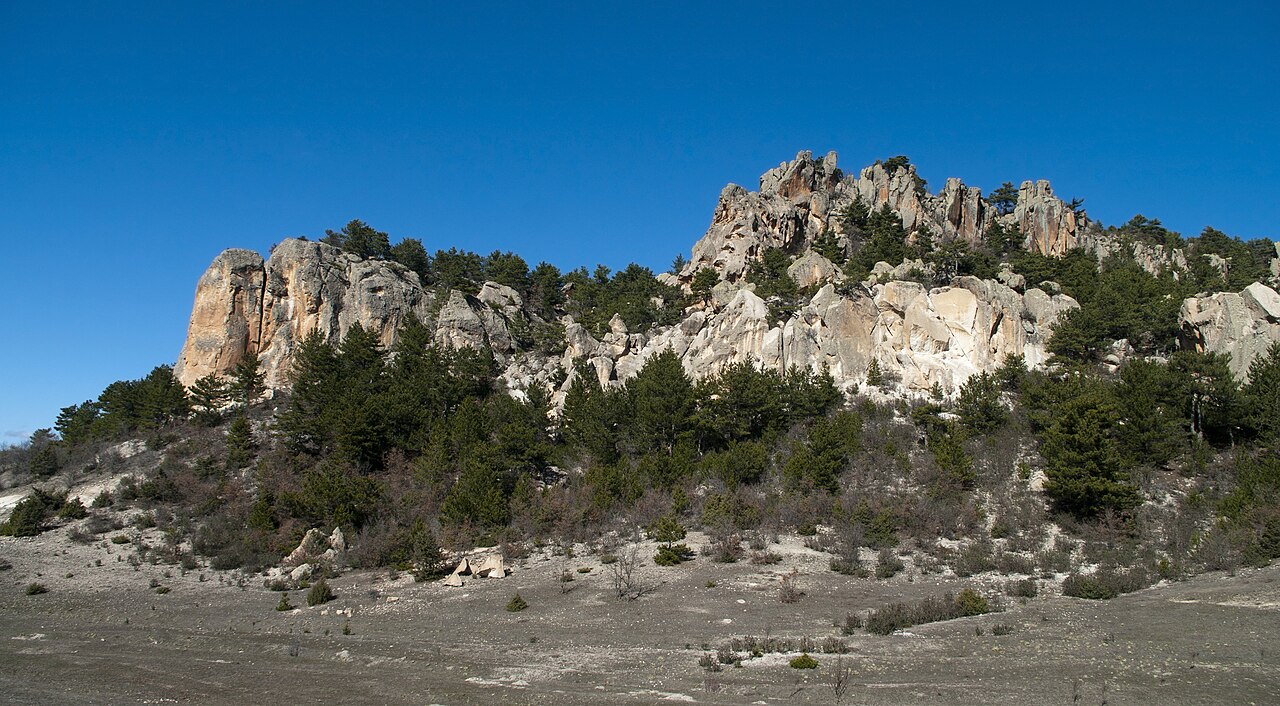
Phrygia was a region in Asia Minor where Paul traveled and preached the gospel, and some of its inhabitants were present in Jerusalem on the day of Pentecost.
Phrygia was an ancient region located in the central part of Asia Minor (modern-day Turkey). In the New Testament, Phrygia is mentioned in connection with the spread of the gospel and the missionary journeys of Paul. On the day of Pentecost, people from Phrygia were among those present in Jerusalem who heard the apostles speaking in their own languages (Act.2.10). During Paul's second missionary journey, he and his companions traveled through the region of Phrygia and Galatia, where they were forbidden by the Holy Spirit to preach in the province of Asia (Act.16.6). On his third missionary journey, Paul passed through the region of Phrygia and Galatia again, strengthening the disciples (Act.18.23). In the closing of Paul's first letter to Timothy, he mentions that some have wandered from the faith, including Phygelus and Hermogenes, who were likely from Phrygia (2Tim. 1:15). The mention of Phrygia in these passages highlights the spread of Christianity beyond Judea and the importance of the region in the early church's growth.
Dry, an irregular and ill-defined district in Asia Minor. It was divided into two parts, the Greater Phrygia on the south, and the Lesser Phrygia on the west. It is the Greater Phrygia that is spoken of in the New Testament. The towns of Antioch in Pisidia (Acts 13:14), Colosse, Hierapolis, Iconium, and Laodicea were situated in it.
Sources: OpenBible.info Bible Geocoding Data (CC BY 4.0, ab8ae56) · STEPBible TIPNR (CC BY 4.0, Phrygia@Act.2.10-1Ti) · Theographic Bible Metadata (CC BY-SA 4.0, phrygia_946) · Wikidata (CC0 1.0, Q32579)