Pisgah Summary
STEPBible TIPNR
Pisgah, or the slopes of Pisgah, was a mountain range in Moab where Moses viewed the Promised Land before his death.
A mountain range in Moab, east of the Jordan
Loading book references…
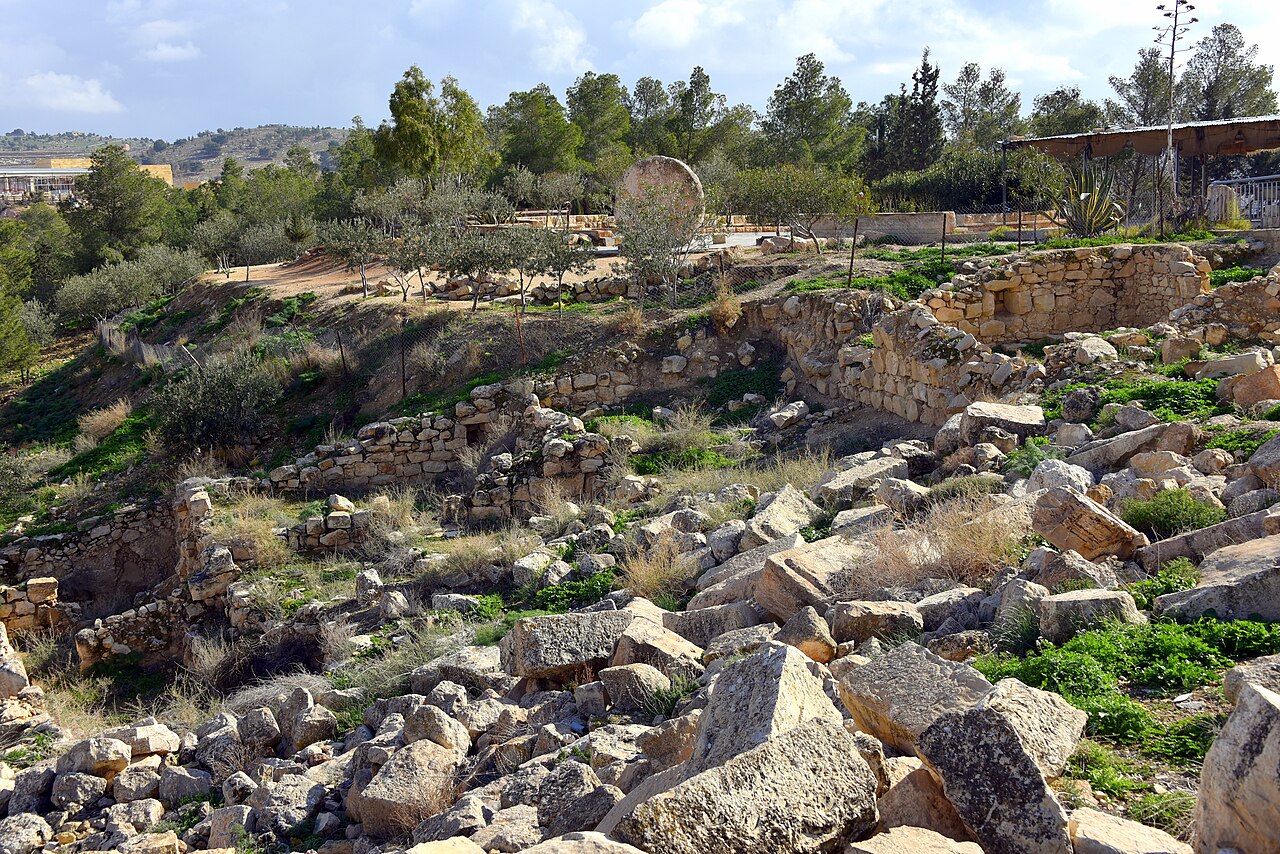
Pisgah, or the slopes of Pisgah, was a mountain range in Moab where Moses viewed the Promised Land before his death.
Pisgah, or the slopes of Pisgah, was a mountain range located in the land of Moab, east of the Jordan River. It is mentioned several times in the Pentateuch, particularly in relation to Moses and the Israelites' journey to the Promised Land. During the Israelites' wilderness wanderings, they camped in the valley opposite Beth-peor, in the land of Moab, where Moses delivered his final instructions and warnings to the people (Deut. 4:44-46). God instructed Moses to go up to Mount Nebo, to the top of Pisgah, and view the land of Canaan, which He was giving to the Israelites (Deut. 3:27; 34:1). From this vantage point, Moses was able to see the Promised Land, from Gilead to Dan, and all the lands of Naphtali, Ephraim, Manasseh, Judah, and the Negev (Deut. 34:1-3). After viewing the land, Moses died there in the land of Moab, and God buried him in a valley opposite Beth-peor (Deut. 34:5-6). The slopes of Pisgah are also mentioned as part of the territory conquered by the Israelites and allocated to the tribes of Reuben and Gad (Num. 21:20; Josh. 12:3; 13:20). The significance of Pisgah lies in its association with Moses' final moments and its panoramic view of the Promised Land, symbolizing the fulfillment of God's promise to His people.
A part, a mountain summit in the land of Moab, in the territory of Reuben, where Balak offered up sacrifices (Num. 21:20; 23:14), and from which Moses viewed the promised land (Deut. 3:27). It is probably the modern Jebel Siaghah.
Sources: OpenBible.info Bible Geocoding Data (CC BY 4.0, afd9259) · STEPBible TIPNR (CC BY 4.0, Pisgah@Num.21.20-Jos) · Theographic Bible Metadata (CC BY-SA 4.0, pisgah_950)