Ammon Summary
STEPBible TIPNR
Ammon, a nation descended from Lot, and its capital Rabbah, often in conflict with Israel.
An ancient nation and its capital city, enemies of Israel.
Loading book references…
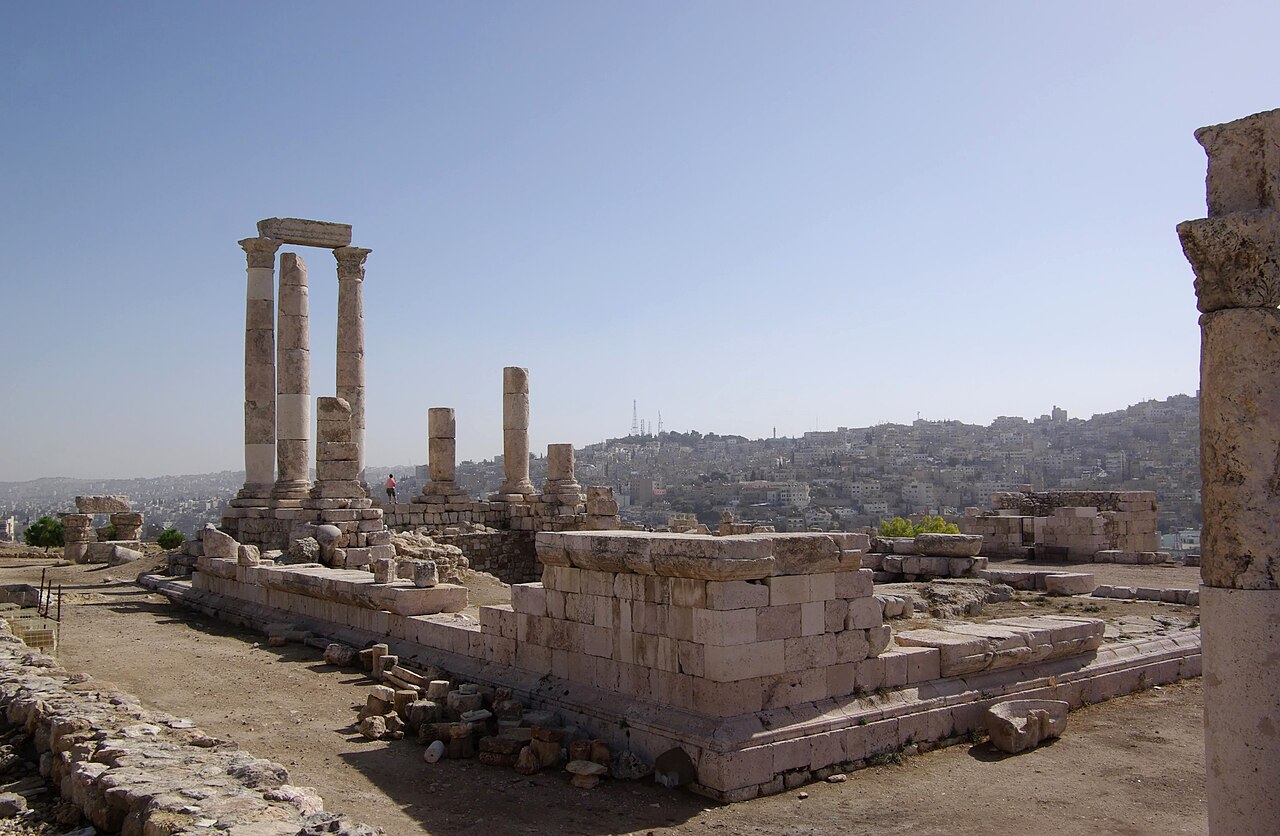
Ammon, a nation descended from Lot, and its capital Rabbah, often in conflict with Israel.
Ammon was an ancient nation located east of the Jordan River, in the region known as the Transjordan. The Ammonites were descendants of Ben-ammi, the son of Lot by his younger daughter (Genesis 19:38). They inhabited the area north of Moab and east of the tribe of Reuben.
Throughout history, the Ammonites were often in conflict with Israel. During the time of the judges, the Ammonites oppressed Israel (Judges 10:6-9) until Jephthah defeated them (Judges 11). Saul fought against the Ammonites and rescued Jabesh-gilead from their siege (1Sa.11.1-11). David, during his reign, also engaged in battles with the Ammonites (2Samuel 10; 12:26-31).
The Ammonite capital city was Rabbah (also known as Rabbath-Ammon), which was besieged and captured by Joab, David's commander (2Sa.12.26-29). The city later became part of the Ammonite territory again. The Ammonites were known for their worship of the god Milcom (1Ki.11.5,33; 2Ki.23.13).
The prophets often spoke against Ammon for their hostility towards Israel and predicted their downfall (Jeremiah 49:1-6; Ezk.21.28-32; 25:1-7)
“Rabbath of the children of Ammon,” the chief city of the Ammonites, among the eastern hills, some 20 miles east of the Jordan, on the southern of the two streams which united with the Jabbok. Here the bedstead of Og was preserved (Deut. 3:11), perhaps as a trophy of some victory gained by the Ammonites over the king of Bashan. After David had subdued all their allies in a great war, he sent Joab with a strong force to take their city. For two years it held out against its assailants. It was while his army was engaged in this protracted siege that David was guilty of that deed of shame which left a blot on his character and cast a gloom over the rest of his life. At length, having taken the “royal city” (or the “city of waters,” 2 Sam. 12:27, i.e., the lower city on the river, as distinguished from the citadel), Joab sent for David to direct the final assault (11:1; 12:26-31). The city was given up to plunder, and the people were ruthlessly put to death, and “thus did he with all the cities of the children of Ammon.” The destruction of Rabbath was the last of David’s conquests. His kingdom now reached its farthest limits (2 Sam. 8:1-15; 1 Chr. 18:1-15). The capture of this city is referred to by Amos (1:14), Jeremiah (49:2, 3), and Ezekiel (21:20; 25:5).
Sources: OpenBible.info Bible Geocoding Data (CC BY 4.0, a6046fa) · STEPBible TIPNR (CC BY 4.0, Ammon@Gen.19.38-Zep) · Theographic Bible Metadata (CC BY-SA 4.0, rabbah_966) · Wikidata (CC0 1.0, Q3157009)