Ramah was a town in the territory of Benjamin, often associated with significant events in Israel's history, such as the mourning of Rachel and the imprisonment of Jeremiah.
Ramah
PlaceA town in Benjamin, near Gibeah and Jerusalem
-
en
Ramah
same as Ram
- en Ramath,Rama · Also called
- en Rama · Also called
- he רָמָה · H7414G
- el Ῥαμᾶ · G4471
- bg Рама
SDA Books
Awaiting permission to publishLoading book references…
Ramah was a town located in the tribal territory of Benjamin, near Gibeah and Jerusalem. It is mentioned several times in the Bible in connection with various events and prophecies. During the period of the judges, Deborah, a prophetess and judge, held court between Ramah and Bethel (Judg. 4:5). In the story of the Levite and his concubine, the Levite planned to spend the night in Ramah before the tragic events in Gibeah (Judg. 19:13). Later, during the reign of King Baasha of Israel, he fortified Ramah to prevent people from going to or coming from Judah (1Kgs. 15:17, 21-22; 2Chr. 16:1, 5-6). The town was also mentioned in the context of the return of the exiles from Babylon (Ezra 2:26; Neh. 7:30) and as one of the settlements where the Benjamites lived after the exile (Neh. 11:33). The prophets Isaiah, Jeremiah, and Hosea mentioned Ramah in their prophecies, often in connection with judgment or mourning (Isa. 10:29; Jer. 31:15; 40:1; Hos. 5:8). In the New Testament, Matthew's Gospel quotes Jeremiah's prophecy about Rachel weeping for her children in Ramah, applying it to Herod's massacre of the infants in Bethlehem (Matt. 2:18). The frequent mention of Ramah in various contexts highlights its importance as a town in the territory of Benjamin and its association with significant events in Israel's history.
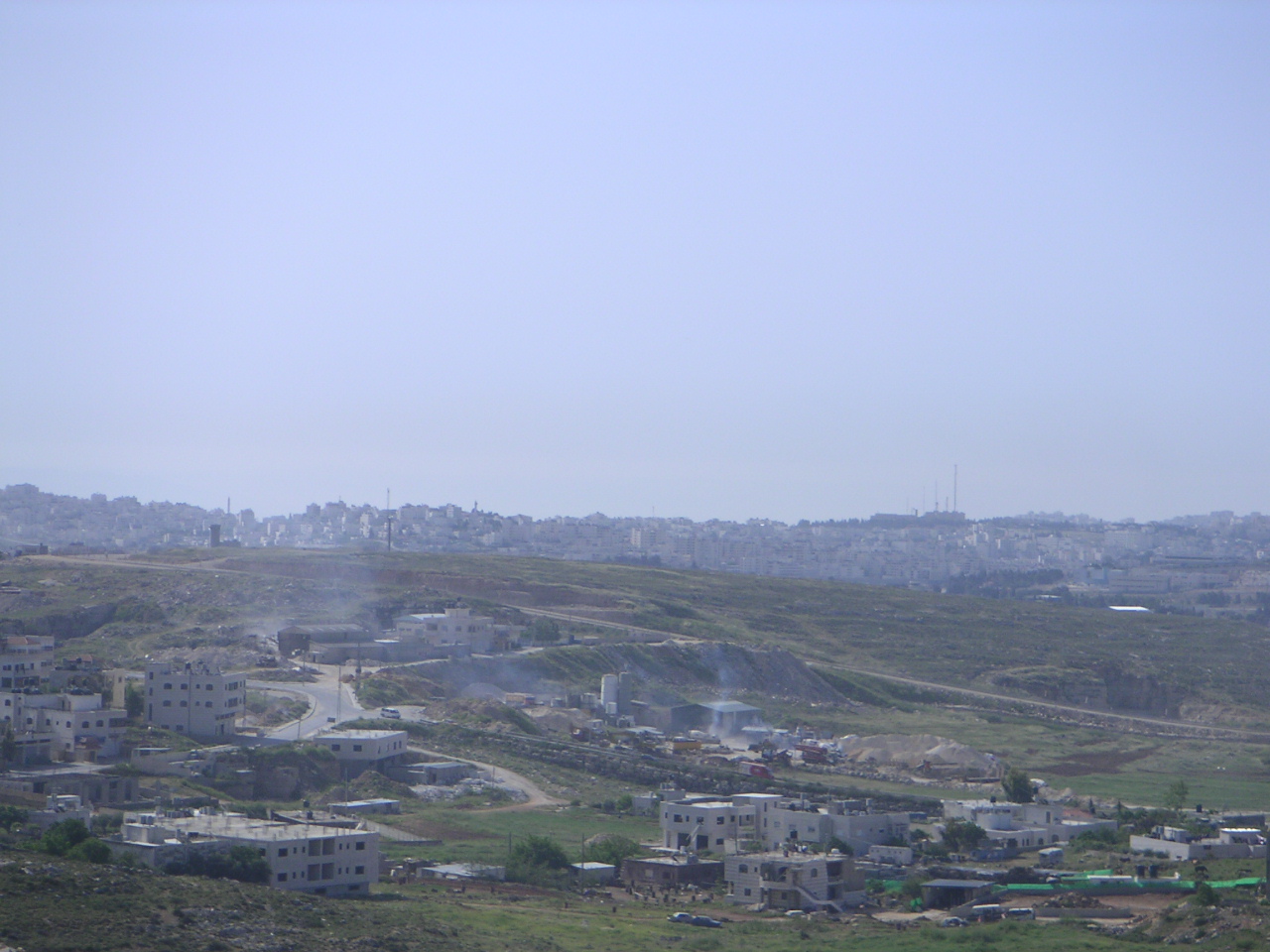
A city first mentioned in Josh. 18:25, near Gibeah of Benjamin. It was fortified by Baasha, king of Israel (1 Kings 15:17-22; 2 Chr. 16:1-6). Asa, king of Judah, employed Benhadad the Syrian king to drive Baasha from this city (1 Kings 15:18, 20). Isaiah (10:29) refers to it, and also Jeremiah, who was once a prisoner there among the other captives of Jerusalem when it was taken by Nebuchadnezzar (Jer. 39:8-12; 40:1). Rachel, whose tomb lies close to Bethlehem, is represented as weeping in Ramah (Jer. 31:15) for her slaughtered children. This prophecy is illustrated and fulfilled in the re-awakening of Rachel’s grief at the slaughter of the infants in Bethlehem (Matt. 2:18). It is identified with the modern village of er-Ram, between Gibeon and Beeroth, about 5 miles due north of Jerusalem.
Sources: OpenBible.info Bible Geocoding Data (CC BY 4.0, a6d57ed) · STEPBible TIPNR (CC BY 4.0, Ramah@Jos.18.25-Mat) · Theographic Bible Metadata (CC BY-SA 4.0, ramah_972)