Report an inaccuracy

Sepharvaim

Place

City of origin for people resettled in Samaria

Names
  • en Sepharvaim
    the two books; the two scribes
  • he סְפָרִים · H5616
  • he סְפַרְוַ֫יִם · H5617
  • bg Сефарваим
Location
Kind: City
Modern name: between Damascus and Hamath
Certainty: Probable
33.789693, 44.459399 · Show on map

SDA Books

Awaiting permission to publish
Linked through an explicitly cited Bible passage

Loading book references…

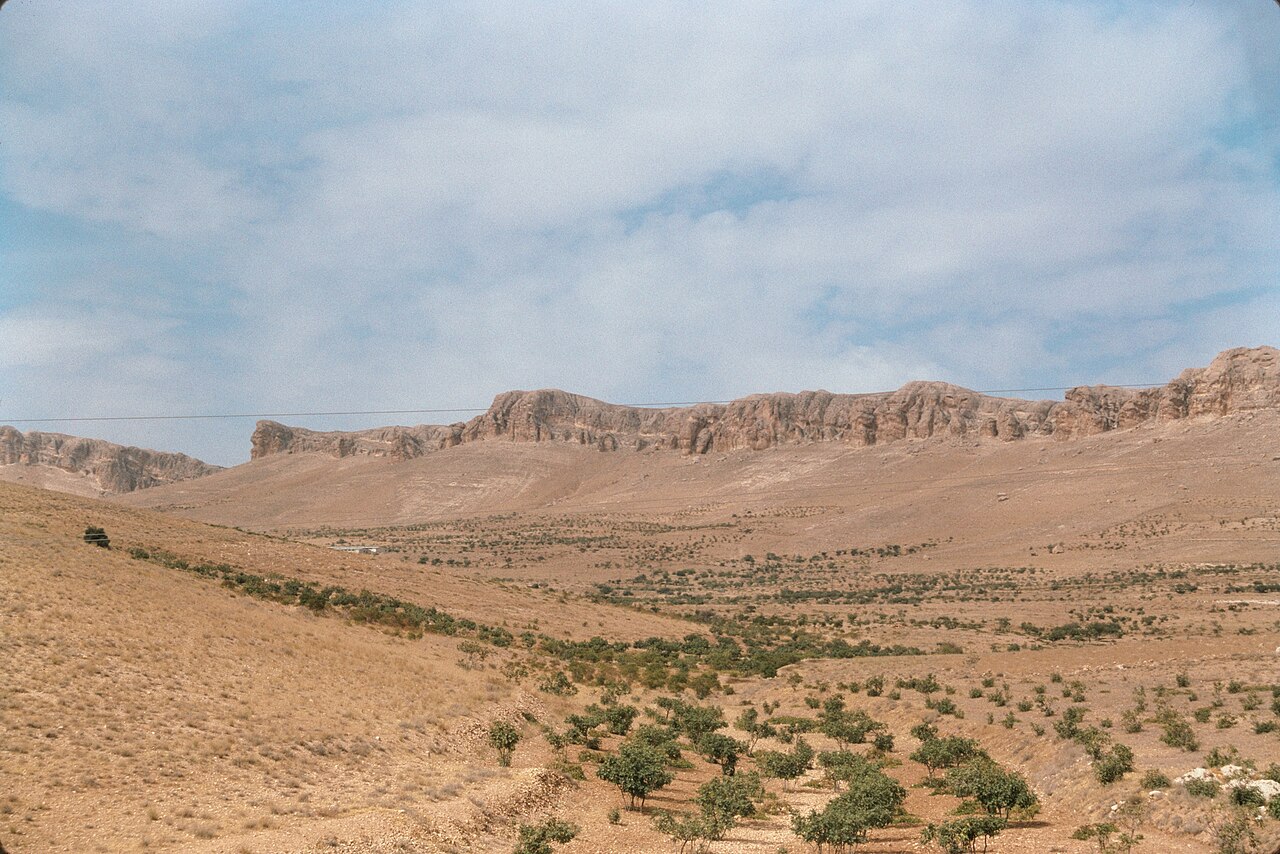
panorama of cliffs in the region between Damascus and Hamath
panorama of cliffs in the region between Damascus and Hamath · Frank Kidner · CC BY-SA 4.0 · Official source
Sepharvaim Article STEPBible TIPNR

Sepharvaim is mentioned in the Bible as one of the cities from which the Assyrians brought people to resettle in Samaria after the deportation of the Israelites (2Ki. 17:24, 31). The people of Sepharvaim, along with those from other cities, were brought in to replace the exiled Israelites and to populate the cities of Samaria. These foreign settlers brought with them their own gods and religious practices, including the worship of Adrammelech and Anammelech, the gods of Sepharvaim (2Ki. 17:31). The exact location of Sepharvaim is uncertain, but it is mentioned alongside other cities conquered by the Assyrians, such as Hamath and Arpad (2Ki. 18:34; 19:13; Isa. 36:19; 37:13). Some scholars propose that Sepharvaim may be identified with the Babylonian city of Sippar, located on the east bank of the Euphrates River, while others suggest it could be a city in Syria or Cilicia. The resettlement of people from Sepharvaim and other cities in Samaria contributed to the mixed religious and cultural background of the Samaritans, who were later regarded with animosity by the Jews.
Sepharvaim Dictionary Easton's Bible Dictionary (1897)

Taken by Sargon, king of Assyria (2 Kings 17:24; 18:34; 19:13; Isa. 37:13). It was a double city, and received the common name Sepharvaim, i.e., “the two Sipparas,” or “the two booktowns.” The Sippara on the east bank of the Euphrates is now called Abu-Habba; that on the other bank was Accad, the old capital of Sargon I., where he established a great library. The recent discovery of cuneiform inscriptions at Tel el-Amarna in Egypt, consisting of official despatches to Pharaoh Amenophis IV. and his predecessor from their agents in Palestine, proves that in the century before the Exodus an active literary intercourse was carried on between these nations, and that the medium of the correspondence was the Babylonian language and script.

Sources: OpenBible.info Bible Geocoding Data (CC BY 4.0, a282c15) · STEPBible TIPNR (CC BY 4.0, Sepharvaim@2Ki.17.24-Isa) · Theographic Bible Metadata (CC BY-SA 4.0, sepharvaim_1050)

Report an inaccuracy

Describe the inaccuracy and, if possible, provide the correct text or a source. The page address will be included automatically.

Page: /en/places/sepharvaim

Up to 5000 characters. You do not need to log in.

Contact details (optional)

Leave only the details you wish to share. They are sent to the administrator with your report and are not displayed publicly.

Make a suggestion

Describe your idea for improving the site. The page address will be included automatically.

Page: /en/places/sepharvaim

Up to 5000 characters. You do not need to log in.

Contact details (optional)

Leave only the details you wish to share. They are sent to the administrator with your report and are not displayed publicly.