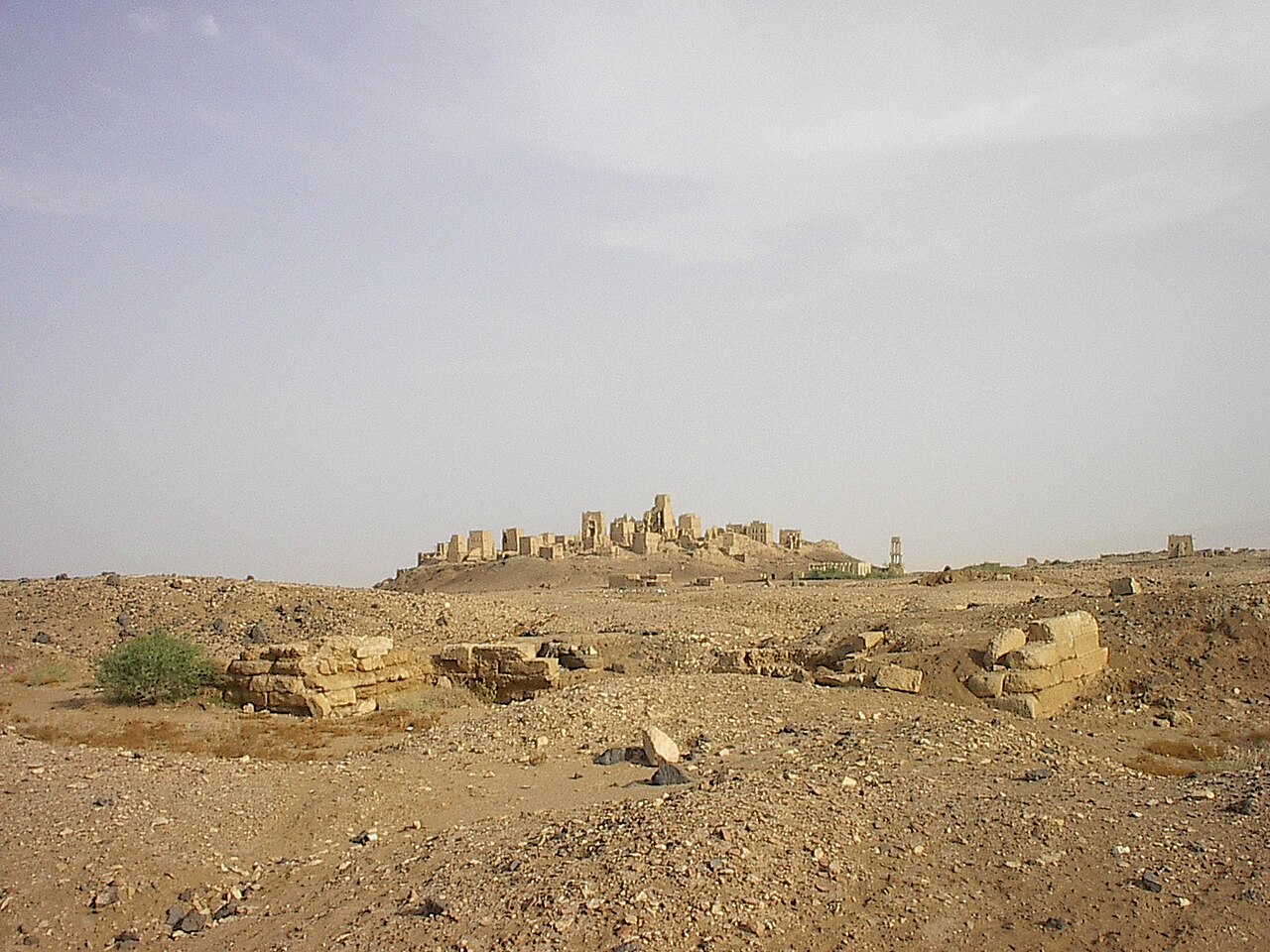
Sheba, also known as the South, was an ancient kingdom located in the southern part of the Arabian Peninsula, in modern-day Yemen. It was renowned for its wealth, derived from its control of the spice and incense trade routes. The Bible mentions Sheba in connection with its trade in gold, spices, precious stones, and incense (1Ki. 10:2, 10; 2Chr. 9:1, 9; Ps. 72:15; Isa. 60:6; Jer. 6:20; Ezek. 27:22).
The most famous biblical account involving Sheba is the visit of the Queen of Sheba to King Solomon (1Ki. 10:1-13; 2Chr. 9:1-12). Intrigued by reports of Solomon's wisdom and prosperity, the queen journeyed to Jerusalem with a great caravan, bearing gifts of gold, spices, and precious stones. She tested Solomon with hard questions and was impressed by his wisdom and the splendor of his court. The queen praised Solomon and his God, acknowledging the divine source of his wisdom and success.
Sheba is also mentioned in prophetic and poetic texts, often as a symbol of distant and exotic lands (Ps. 72:10; Isa. 60:6; Ezek. 38:13). In the New Testament, Jesus refers to the Queen of the South (Sheba) as one who will rise up in judgment against those who reject His message, emphasizing her recognition of wisdom and truth (Luke 11:31).
The kingdom of Sheba played a significant role in the trade networks of the ancient Near East, and its mention in the Bible attests to its fame and influence during the biblical period.