Report an inaccuracy

Shinar

Place

Ancient region in Mesopotamia, associated with Babylon

Names
  • en Shinar
    watch of him that sleeps
  • en Babylon · Also called
  • en Babylonia · Also called
  • en Babylonian · Also called
  • en Babylonish · Also called
  • he שִׁנְעָר · H8152
  • bg Сеннаар
Location
Kind: Region
Modern name: Babylon
Certainty: Disputed
32.536504, 44.420883 · Show on map

SDA Books

Awaiting permission to publish
Linked through an explicitly cited Bible passage

Loading book references…

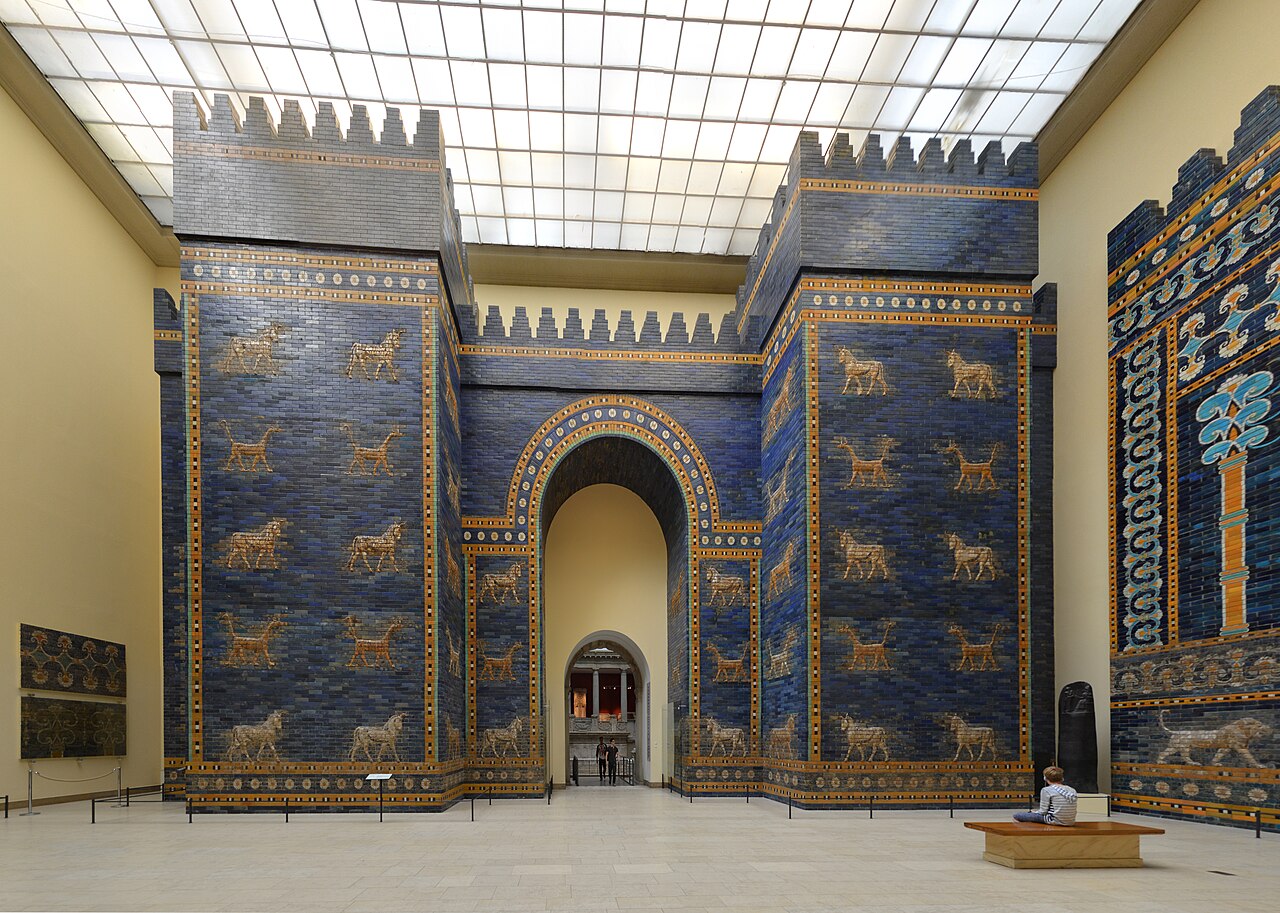
Ishtar gate from Babylon
Ishtar gate from Babylon · Radomir Vrbovsky · CC BY-SA 4.0 · Official source
Shinar Article STEPBible TIPNR

Shinar was an ancient territory first mentioned in Genesis as the location of several important cities including Babel, Erech, Accad, and Calneh (Genesis 10:10). This region became historically significant immediately after the Flood when people migrated to a plain in Shinar and built the Tower of Babel (Genesis 11:2).

The area was ruled by powerful kings from an early period. Amraphel, king of Shinar, appears among the coalition of kings who fought against the cities of the plain during Abraham's time (Genesis 14:1,9). This demonstrates the region's significant political influence in the ancient Near East.

Shinar's wealth and craftsmanship were renowned. During the conquest of Canaan, Achan coveted and stole a beautiful robe from Shinar among other valuable items (Joshua 7:21). The quality of its goods made them highly desirable as plunder.

The region maintained its importance throughout biblical history. Isaiah mentioned Shinar among the places from which God would recover the remnant of His people (Isaiah 11:11). During the Babylonian exile, King Nebuchadnezzar took vessels from Jerusalem's temple to "the land of Shinar," to the house of his god (Dan.1.2).

In a prophetic vision, Zechariah saw wickedness being transported to Shinar, where a house would be built for it (Zechariah 5:11), suggesting the region's enduring association with rebellion against God.

Probably corresponds to ancient Sumer and Babylonia, encompassing the southern portion of modern Iraq between the Tigris and Euphrates rivers.
"Shinar, The Land of" Dictionary Easton's Bible Dictionary (1897)

LXX. and Vulgate “Senaar;” in the inscriptions, “Shumir;” probably identical with Babylonia or Southern Mesopotamia, extending almost to the Persian Gulf. Here the tower of Babel was built (Gen. 11:1-6), and the city of Babylon. The name occurs later in Jewish history (Isa. 11:11; Zech. 5:11). Shinar was apparently first peopled by Turanian tribes, who tilled the land and made bricks and built cities. Then tribes of Semites invaded the land and settled in it, and became its rulers. This was followed in course of time by an Elamite invasion; from which the land was finally delivered by Khammurabi, the son of Amarpel (“Amraphel, king of Shinar,” Gen. 14:1), who became the founder of the new empire of Chaldea.

Sources: OpenBible.info Bible Geocoding Data (CC BY 4.0, af725b1) · STEPBible TIPNR (CC BY 4.0, Shinar@Gen.10.10-Zec) · Theographic Bible Metadata (CC BY-SA 4.0, shinar_1084)

Report an inaccuracy

Describe the inaccuracy and, if possible, provide the correct text or a source. The page address will be included automatically.

Page: /en/places/shinar

Up to 5000 characters. You do not need to log in.

Contact details (optional)

Leave only the details you wish to share. They are sent to the administrator with your report and are not displayed publicly.

Make a suggestion

Describe your idea for improving the site. The page address will be included automatically.

Page: /en/places/shinar

Up to 5000 characters. You do not need to log in.

Contact details (optional)

Leave only the details you wish to share. They are sent to the administrator with your report and are not displayed publicly.