Shoa Summary
STEPBible TIPNR
Shoa was a people group mentioned along with the Babylonians, Chaldeans, and Assyrians in Ezekiel's prophecy against Jerusalem (Ezek 23:23).
People group mentioned in Ezekiel's prophecy
Loading book references…
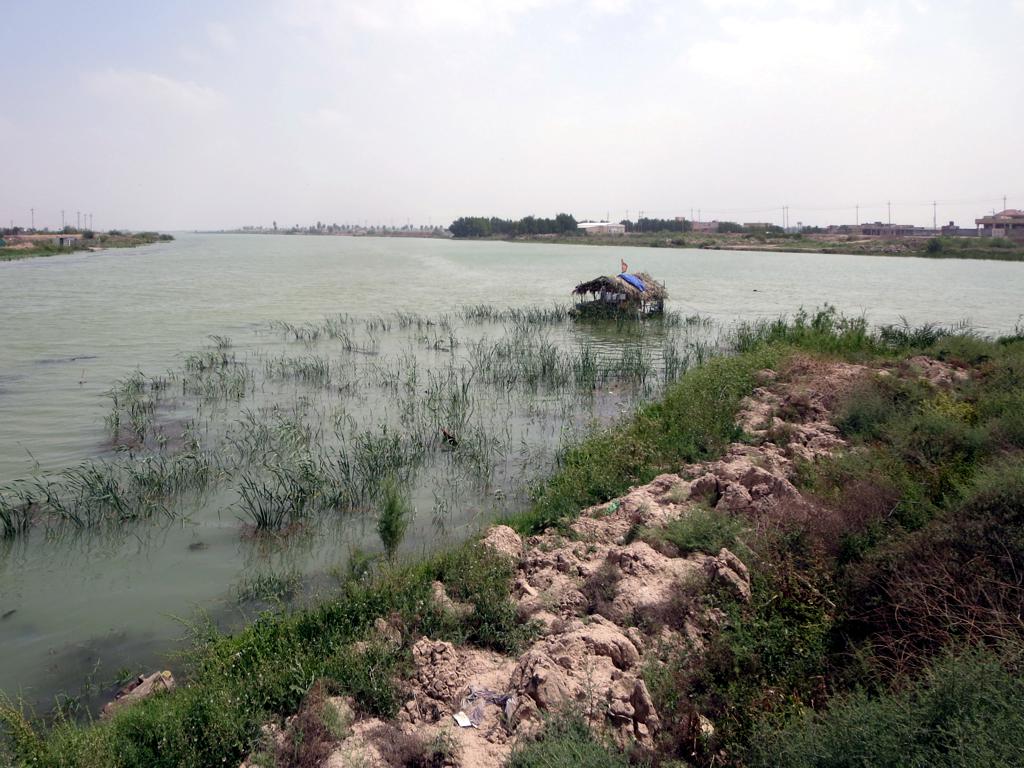
Shoa was a people group mentioned along with the Babylonians, Chaldeans, and Assyrians in Ezekiel's prophecy against Jerusalem (Ezek 23:23).
Shoa is mentioned briefly in the book of Ezekiel, in the context of a prophecy against Jerusalem and its unfaithfulness to God (Ezek. 23:23). In this prophecy, Ezekiel uses the metaphor of two sisters, Oholah (representing Samaria) and Oholibah (representing Jerusalem), who engaged in prostitution with various nations. Among the nations mentioned are the Babylonians, Chaldeans, Assyrians, and the people of Shoa. The exact identity and location of Shoa are uncertain, but it is likely that they were a people group from the region of Mesopotamia or the Arabian Peninsula. Some scholars propose that Shoa may be a reference to the Sutu, a nomadic people mentioned in Assyrian and Babylonian texts. The inclusion of Shoa in this list of nations highlights the extent of Jerusalem's spiritual unfaithfulness and its alliances with foreign powers. The prophecy warns of the judgment that will come upon Jerusalem for its sins, as God will bring these nations against the city to execute His punishment.
Opulent, the mountain district lying to the north-east of Babylonia, anciently the land of the Guti, or Kuti, the modern Kurdistan. The plain lying between these mountains and the Tigris was called su-Edina, i.e., “the border of the plain.” This name was sometimes shortened into Suti and Su, and has been regarded as = Shoa (Ezek. 23:23). Some think it denotes a place in Babylon.
Sources: OpenBible.info Bible Geocoding Data (CC BY 4.0, aa3bc1e) · STEPBible TIPNR (CC BY 4.0, Shoa@Ezk.23.23) · Theographic Bible Metadata (CC BY-SA 4.0, shoa_1087) · Wikidata (CC0 1.0, Q35591)