Susa Summary
STEPBible TIPNR
Susa, the capital city of the Persian Empire, where Esther lived and the events of her book took place (Esth. 1:2; Dan. 8:2).
Capital city of the Persian Empire
Loading book references…
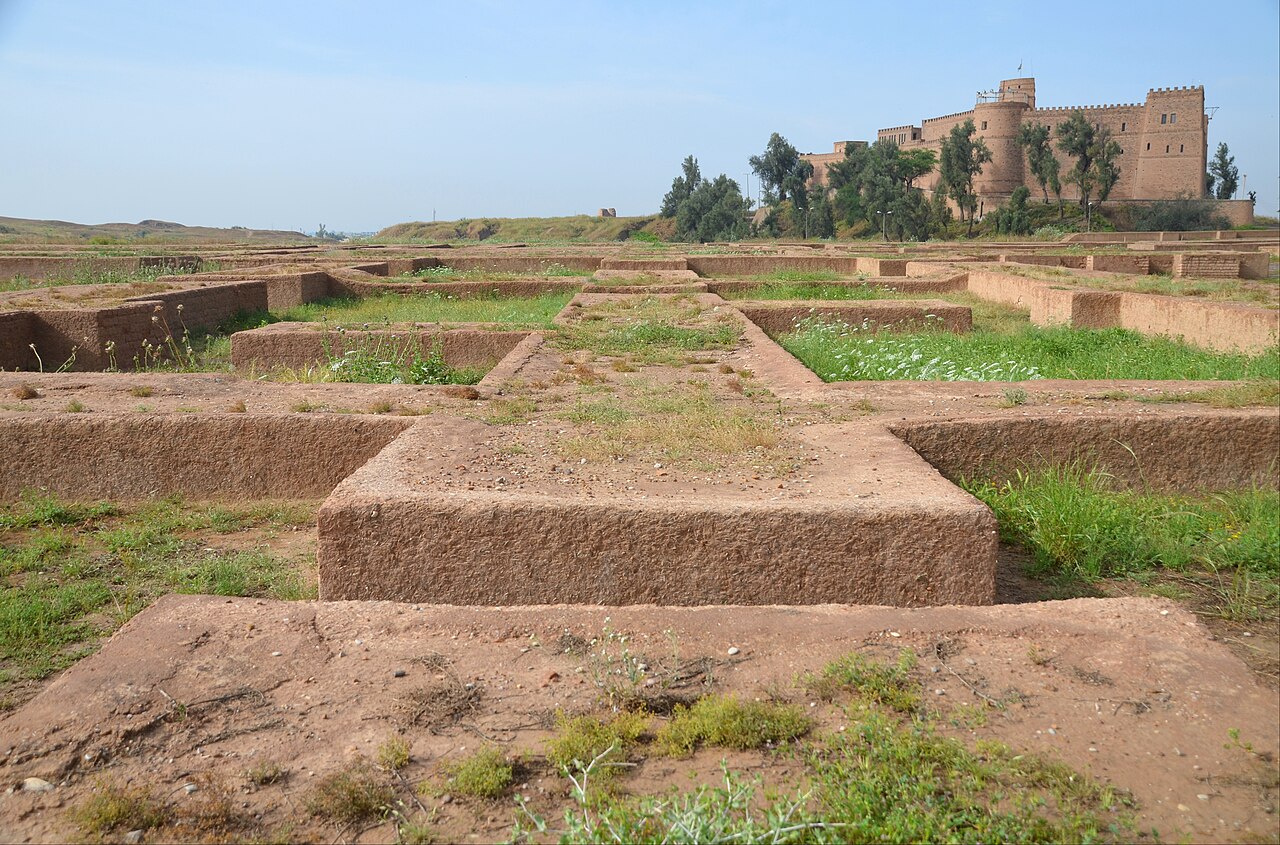
Susa, the capital city of the Persian Empire, where Esther lived and the events of her book took place (Esth. 1:2; Dan. 8:2).
Susa, also known as Shushan, was the capital city of the Persian Empire during the reigns of Darius I, Xerxes I (Ahasuerus), and Artaxerxes I. It is mentioned in the books of Nehemiah, Esther, Daniel, and Ezra. Nehemiah served as cupbearer to King Artaxerxes in Susa (Neh. 1:1). The events of the Book of Esther took place primarily in Susa, where Esther became queen and saved her people from Haman's plot (Esth. 1-9). Daniel's vision of the ram and the goat took place while he was in Susa (Dan. 8:2). Susa is also mentioned in Ezra 4:9 among the places from which people were sent to hinder the rebuilding of Jerusalem. The city was located in modern-day southwestern Iran and served as a royal residence and administrative center for the Persian kings.
A lily, the Susa of Greek and Roman writers, once the capital of Elam. It lay in the uplands of Susiana, on the east of the Tigris, about 150 miles to the north of the head of the Persian Gulf. It is the modern Shush, on the northwest of Shuster. Once a magnificent city, it is now an immense mass of ruins. Here Daniel saw one of his visions (Dan. 8); and here also Nehemiah (Neh. 1) began his public life. Most of the events recorded in the Book of Esther took place here. Modern explorers have brought to light numerous relics, and the ground-plan of the splendid palace of Shushan, one of the residences of the great king, together with numerous specimens of ancient art, which illustrate the statements of Scripture regarding it (Dan. 8:2). The great hall of this palace (Esther 1) “consisted of several magnificent groups of columns, together with a frontage of 343 feet 9 inches, and a depth of 244 feet. These groups were arranged into a central phalanx of thirty-six columns (six rows of six each), flanked on the west, north, and east by an equal number, disposed in double rows of six each, and distant from them 64 feet 2 inches.” The inscriptions on the ruins represent that the palace was founded by Darius and completed by Artaxerxes.
Sources: OpenBible.info Bible Geocoding Data (CC BY 4.0, a033b84) · STEPBible TIPNR (CC BY 4.0, Susa@Ezr.4.9-Dan) · Theographic Bible Metadata (CC BY-SA 4.0, susa_1118)