Syria Summary
STEPBible TIPNR
Syria, an ancient region north of Israel, often engaged in conflicts with Israel and Judah (1Kgs. 20:1; 2Kgs. 13:3).
Ancient region north of Israel, often in conflict
Loading book references…
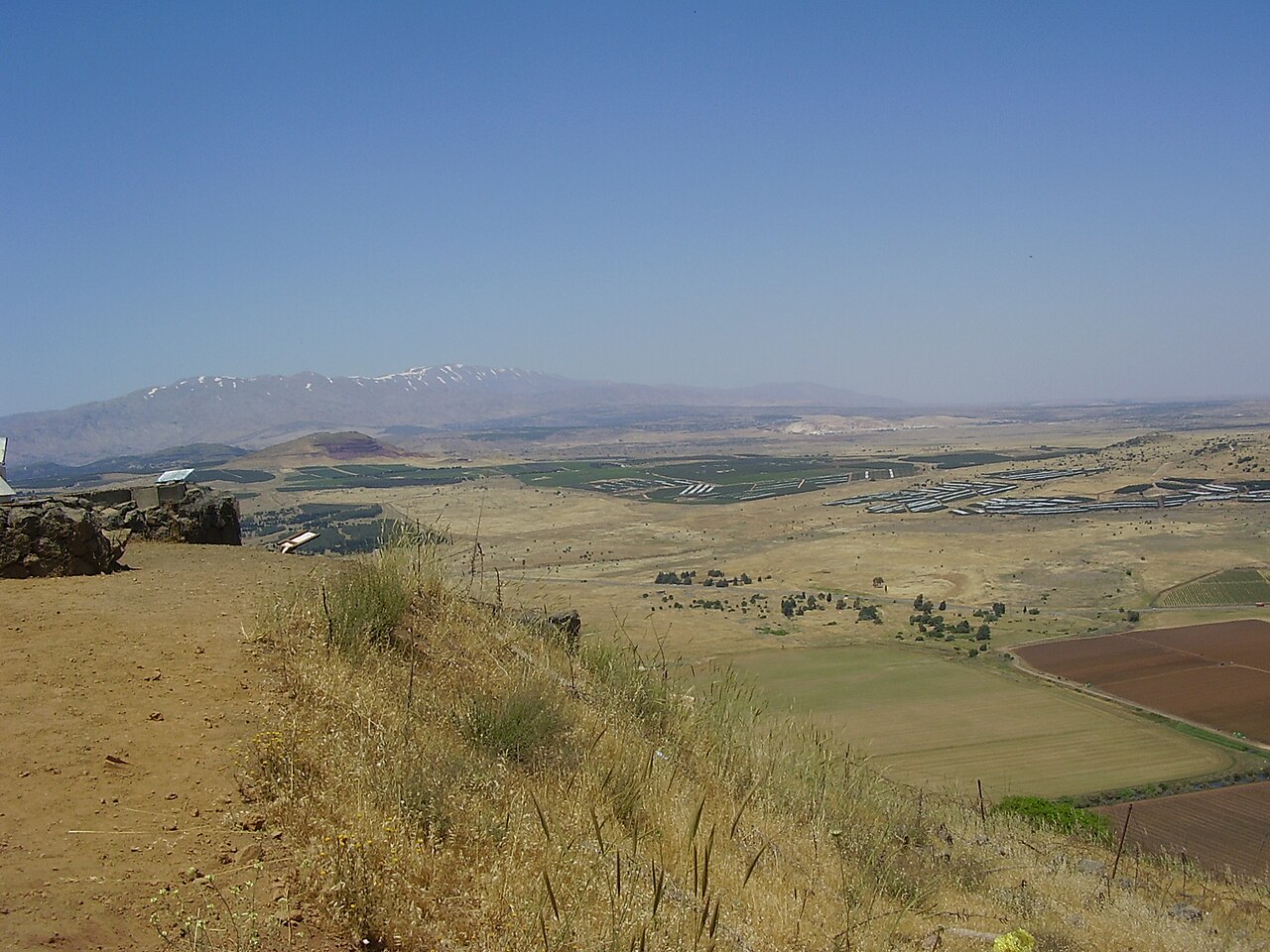
Syria, an ancient region north of Israel, often engaged in conflicts with Israel and Judah (1Kgs. 20:1; 2Kgs. 13:3).
Syria, also known as Aram, was an ancient region located north of Israel, with its capital at Damascus. Throughout the Old Testament, Syria frequently engaged in conflicts with Israel and Judah. During the reigns of Kings David and Solomon, Israel exerted control over parts of Syria (2Sam. 8:5-6; 1Chr. 18:5-6). However, in later years, Syrian kings often posed a threat to Israel and Judah, forming alliances against them (1Kgs. 15:18-20; 2Kgs. 16:5-9). The Arameans, the inhabitants of Syria, are mentioned as worshipping foreign gods (Judg. 10:6). In the New Testament, Syria is mentioned in connection with the spread of the gospel and the early church (Act.15.23, 41; Gal. 1:21). The apostle Paul spent time in Syria during his missionary journeys (Act.18.18; 21:3). A Syrophoenician woman is mentioned in Mrk.7.26, highlighting Jesus' ministry in the region. Syria played a significant role in the history of Israel and the early church.
(Heb. Aram), the name in the Old Testament given to the whole country which lay to the north-east of Phoenicia, extending to beyond the Euphrates and the Tigris. Mesopotamia is called (Gen. 24:10; Deut. 23:4) Aram-naharain (=Syria of the two rivers), also Padan-aram (Gen. 25:20). Other portions of Syria were also known by separate names, as Aram-maahah (1 Chr. 19:6), Aram-beth-rehob (2 Sam. 10:6), Aram-zobah (2 Sam. 10:6, 8). All these separate little kingdoms afterwards became subject to Damascus. In the time of the Romans, Syria included also a part of Palestine and Asia Minor.
“From the historic annals now accessible to us, the history of Syria may be divided into three periods: The first, the period when the power of the Pharaohs was dominant over the fertile fields or plains of Syria and the merchant cities of Tyre and Sidon, and when such mighty conquerors as Thothmes III. and Rameses II. could claim dominion and levy tribute from the nations from the banks of the Euphrates to the borders of the Libyan desert. Second, this was followed by a short period of independence, when the Jewish nation in the south was growing in power, until it reached its early zenith in the golden days of Solomon; and when Tyre and Sidon were rich cities, sending their traders far and wide, over land and sea, as missionaries of civilization, while in the north the confederate tribes of the Hittites held back the armies of the kings of Assyria. The third, and to us most interesting, period is that during which the kings of Assyria were dominant over the plains of Syria; when Tyre, Sidon, Ashdod, and Jerusalem bowed beneath the conquering armies of Shalmaneser, Sargon, and Sennacherib; and when at last Memphis and Thebes yielded to the power of the rulers of Nineveh and Babylon, and the kings of Assyria completed with terrible fulness the bruising of the reed of Egypt so clearly foretold by the Hebrew prophets.”, Boscawen.
Sources: OpenBible.info Bible Geocoding Data (CC BY 4.0, a159fa4) · STEPBible TIPNR (CC BY 4.0, Syria@Jdg.10.6-Gal) · Theographic Bible Metadata (CC BY-SA 4.0, syria_1122)