Tekoa Summary
STEPBible TIPNR
Tekoa, a town in Judah, known as the birthplace of the prophet Amos and the home of one of David's mighty men (2Sam. 14:2; 1Chr. 11:28; Amo.1.1).
Town in Judah, home of the prophet Amos
Loading book references…
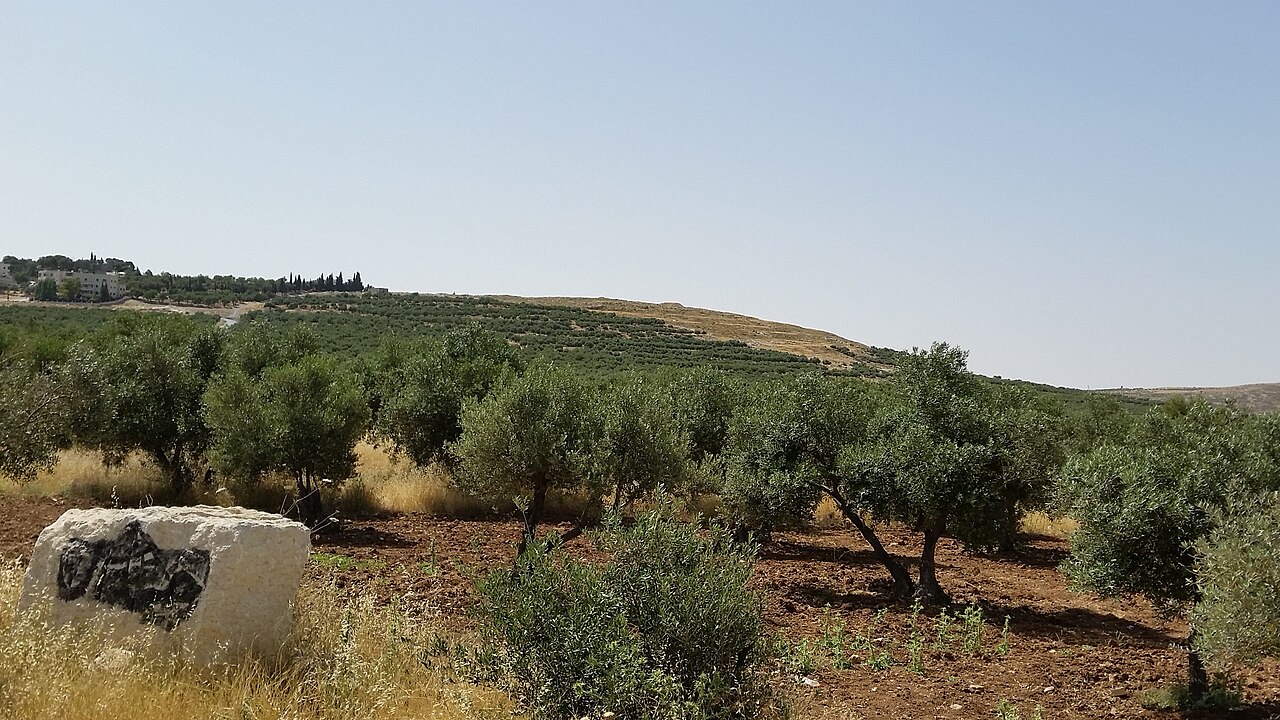
Tekoa, a town in Judah, known as the birthplace of the prophet Amos and the home of one of David's mighty men (2Sam. 14:2; 1Chr. 11:28; Amo.1.1).
Tekoa was a town in the hill country of Judah, located about 10 miles south of Jerusalem. It is first mentioned as the birthplace of Ira, one of David's mighty men (2Sam. 23:26; 1Chr. 11:28). Tekoa was also the hometown of the wise woman who, at Joab's request, persuaded David to reconcile with his son Absalom (2Sam. 14:2-9). During the reign of Rehoboam, Tekoa was fortified as part of Judah's defense system (2Chr. 11:6). The town was the birthplace of the prophet Amos, who identified himself as "one of the shepherds of Tekoa" (Amo.1.1). Amos's rural background and proximity to the wilderness shaped his prophetic message. In the time of Jehoshaphat, the people of Judah gathered in the wilderness of Tekoa to seek God's help against their enemies (2Chr. 20:20). The town was also involved in the rebuilding of Jerusalem's walls during the time of Nehemiah (Neh. 3:5, 27). Jeremiah mentioned Tekoa in his prophecy, urging the people to flee and sound the trumpet of warning (Jer. 6:1).
Pitching of tents; fastening down, a town of Judah, about 12 miles south of Jerusalem, and visible from the city. From this place Joab procured a “wise woman,” who pretended to be in great affliction, and skilfully made her case known to David. Her address to the king was in the form of an apologue, similar to that of Nathan (2 Sam. 12:1-6). The object of Joab was, by the intervention of this woman, to induce David to bring back Absalom to Jerusalem (2 Sam. 14:2, 4, 9).
This was also the birth-place of the prophet Amos (1:1).
It is now the village of Teku’a, on the top of a hill among ruins, 5 miles south of Bethlehem, and close to Beth-haccerem (“Herod’s mountain”).
Sources: OpenBible.info Bible Geocoding Data (CC BY 4.0, a2e3aa0) · STEPBible TIPNR (CC BY 4.0, Tekoa@2Sa.14.2-Amo) · Theographic Bible Metadata (CC BY-SA 4.0, tekoa_1142)