Telassar Summary
STEPBible TIPNR
Telassar, a Mesopotamian city conquered by the Assyrians, mentioned in the context of Sennacherib's boasting (2Kgs. 19:12; Isa. 37:12).
Mesopotamian city conquered by the Assyrians
Loading book references…
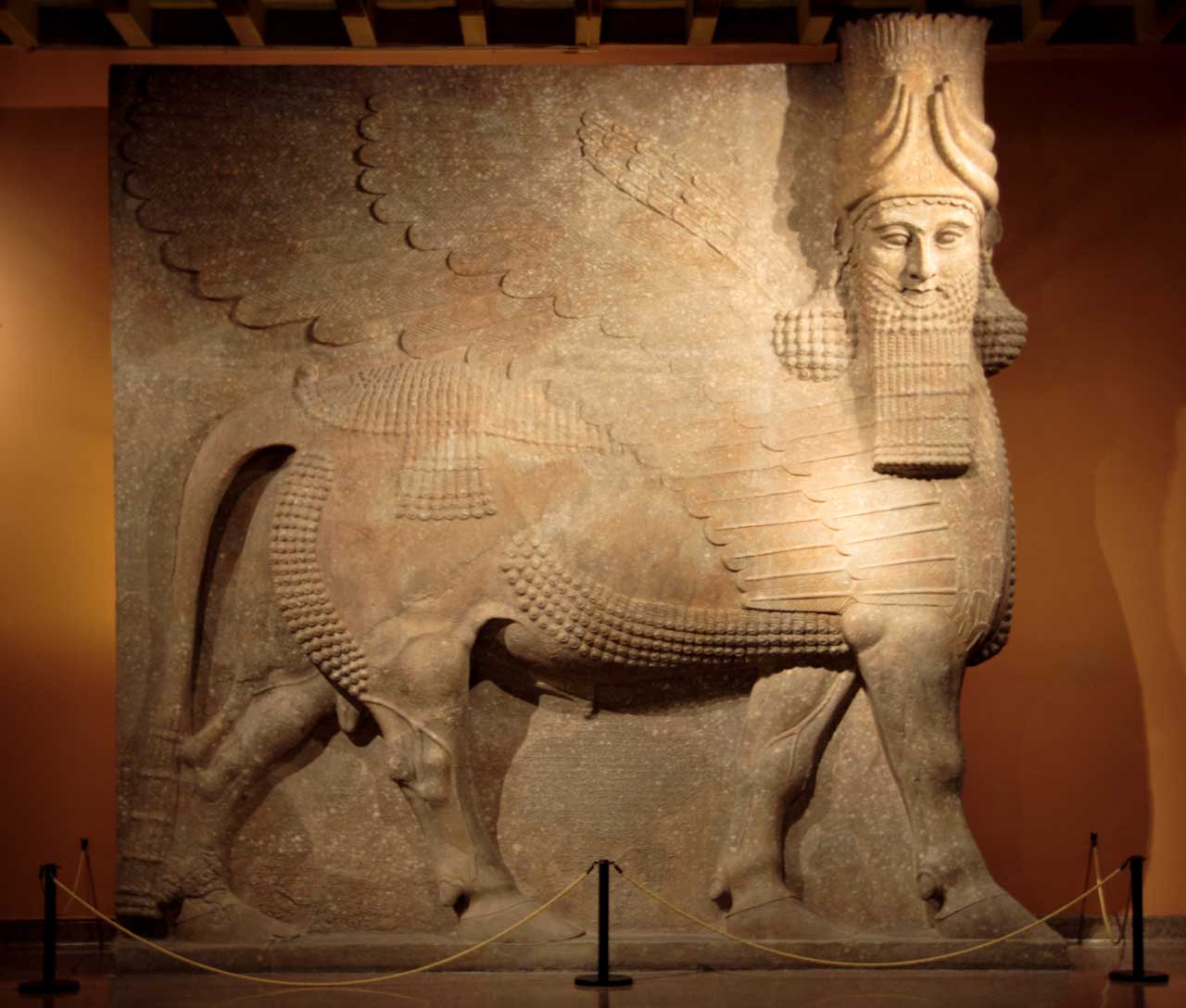
Telassar, a Mesopotamian city conquered by the Assyrians, mentioned in the context of Sennacherib's boasting (2Kgs. 19:12; Isa. 37:12).
Telassar is mentioned in 2Ki.19.12 and Isaiah 37:12 as one of the cities conquered by the Assyrians. The context is a message sent by King Sennacherib of Assyria to King Hezekiah of Judah, boasting about the Assyrian victories over various cities and nations. Sennacherib mocks the gods of these conquered lands, including the gods of Telassar, claiming that they were unable to deliver their people from his hand. The exact location of Telassar is uncertain, but it is believed to have been situated in Mesopotamia, possibly in the region of the Tigris or Euphrates rivers. The name "Telassar" may be derived from the Akkadian language, meaning "mound of Asshur" or "hill of Asshur," referring to the Assyrian deity. The mention of Telassar alongside other conquered cities serves to emphasize the extent of Assyrian power and their disregard for the gods of other nations.
Or Thelasar, (Isa. 37:12; 2 Kings 19:12), a province in the south-east of Assyria, probably in Babylonia. Some have identified it with Tel Afer, a place in Mesopotamia, some 30 miles from Sinjar.
Sources: OpenBible.info Bible Geocoding Data (CC BY 4.0, a0e11c1) · STEPBible TIPNR (CC BY 4.0, Telassar@2Ki.19.12-Isa) · Theographic Bible Metadata (CC BY-SA 4.0, telassar_1145)