Zaanannim, a place near Kedesh in Naphtali, associated with the Kenites and mentioned in connection with the story of Deborah and Barak (Josh. 19:33; Judg. 4:11).
Zaanannim
PlaceA place near Kedesh in Naphtali
-
en
Zaanannim
movings; a person asleep
- en Zaanaim · Also called
- en Elon-bezaanannim · Also called
- he צַעֲנַנִּים · H6815
- bg Цаананим
SDA Books
Awaiting permission to publishLoading book references…
Zaanannim is a place mentioned twice in the Bible, once in Joshua 19:33 and again in Judges 4:11. In Joshua 19:33, Zaanannim is described as being near Kedesh, a city in the territory of Naphtali, in the northern part of Canaan. The verse mentions Zaanannim as part of the boundary description for the allotment of land to the tribe of Naphtali. In Judges 4:11, Zaanannim is associated with the Kenites, a nomadic tribe that was friendly to the Israelites. The verse states that Heber the Kenite, of the children of Hobab the father-in-law of Moses, had separated himself from the Kenites and pitched his tent near the terebinth tree at Zaanannim. This reference to Zaanannim occurs in the context of the story of Deborah and Barak, who led the Israelites in a battle against Sisera, the commander of King Jabin's army. Heber's wife, Jael, would later kill Sisera by driving a tent peg through his temple as he slept (Judg. 4:17-22). The exact location of Zaanannim is not certain, but its association with Kedesh and the Kenites suggests that it was situated in the northern region of Israel, near the border with Syria.
Wanderings; the unloading of tents, so called probably from the fact of nomads in tents encamping amid the cities and villages of that region, a place in the north-west of Lake Merom, near Kedesh, in Naphtali. Here Sisera was slain by Jael, “the wife of Heber the Kenite,” who had pitched his tent in the “plain [R.V., ’as far as the oak’] of Zaanaim” (Judg. 4:11).
It has been, however, suggested by some that, following the LXX. and the Talmud, the letter b, which in Hebrew means “in,” should be taken as a part of the word following, and the phrase would then be “unto the oak of Bitzanaim,” a place which has been identified with the ruins of Bessum, about half-way between Tiberias and Mount Tabor.
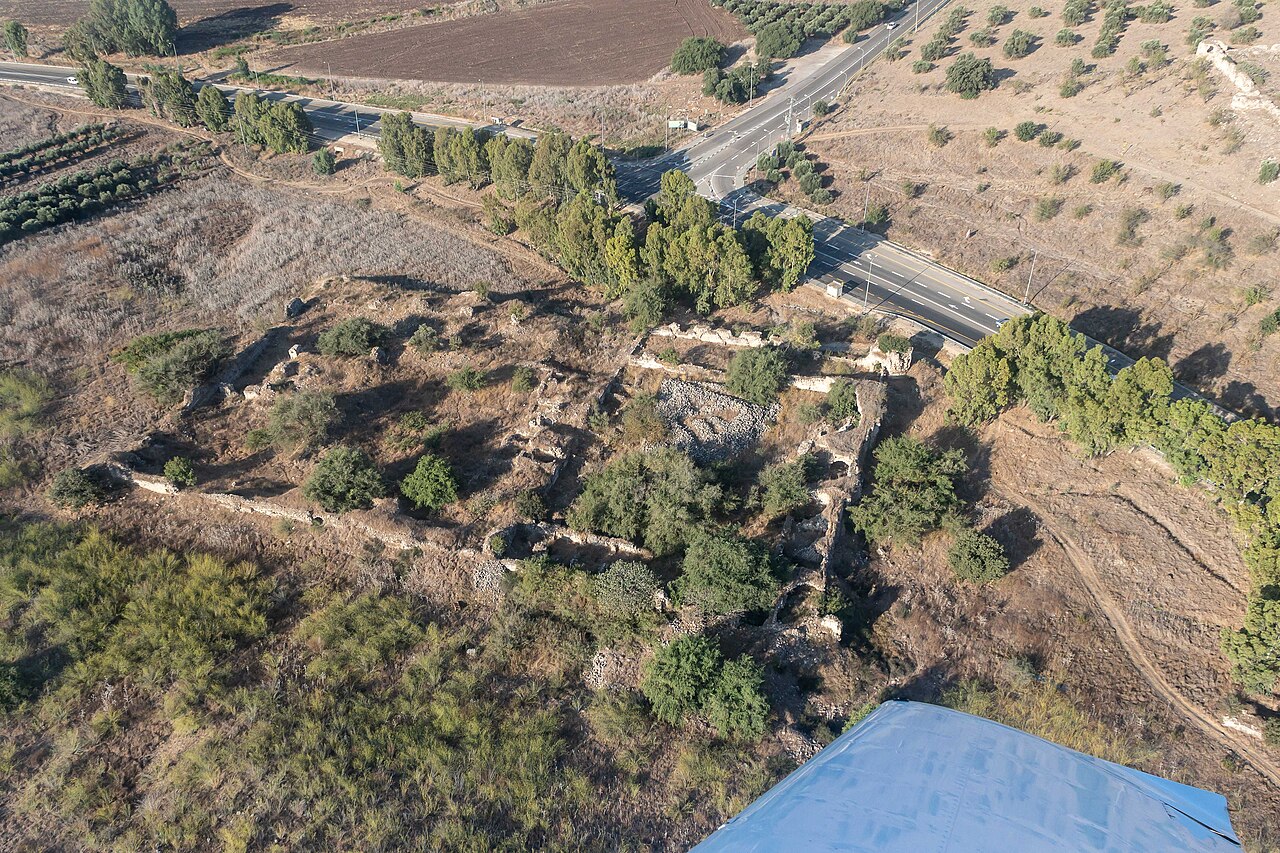
Sources: OpenBible.info Bible Geocoding Data (CC BY 4.0, a0c4f5e) · STEPBible TIPNR (CC BY 4.0, Zaanannim@Jos.19.33-Jdg) · Theographic Bible Metadata (CC BY-SA 4.0, zaanannim_1235)