Ziklag Summary
STEPBible TIPNR
Ziklag was a city allotted to Judah and Simeon that was later given to David by the Philistine king Achish .
A city given to David; originally Judah's, then Simeon's
Loading book references…
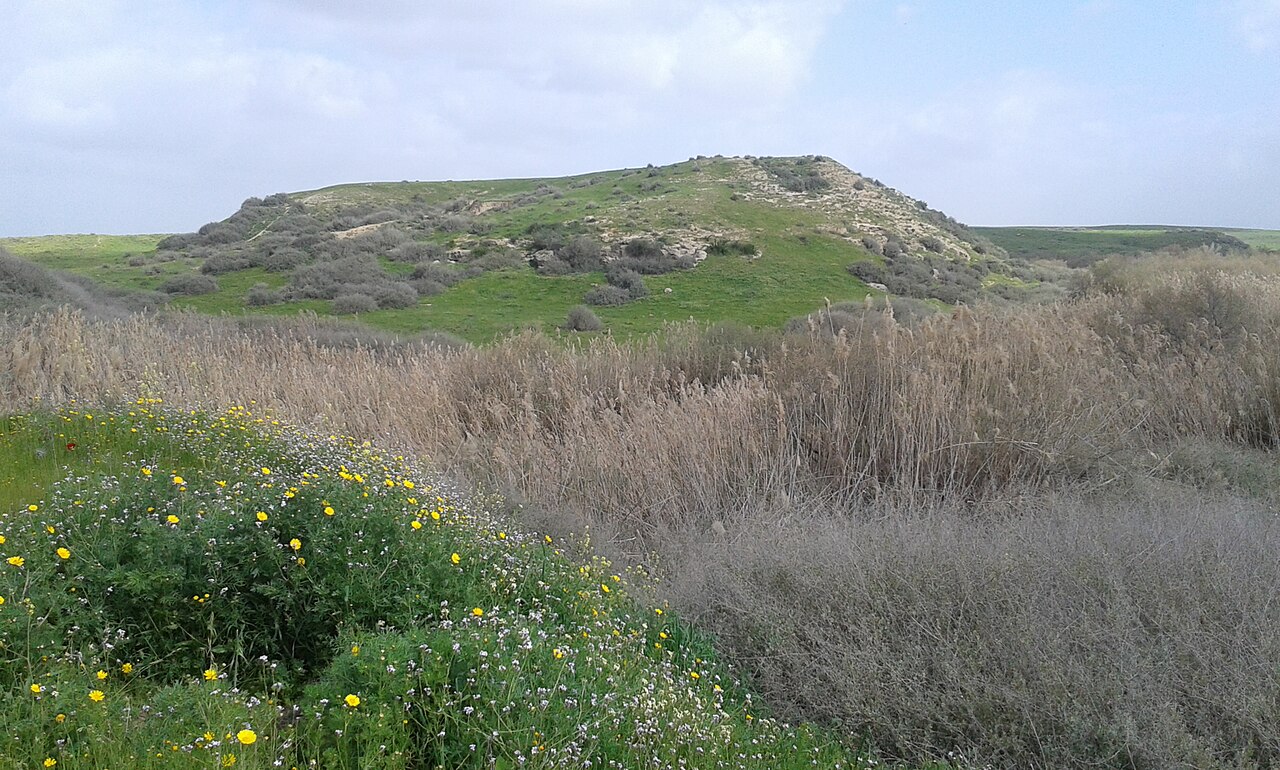
Ziklag was a city allotted to Judah and Simeon that was later given to David by the Philistine king Achish .
Ziklag was a city located in the Negev region of Judah, initially allotted to the tribe of Judah (Jos.15.31) and later to Simeon (Jos.19.5; 1Ch.4.30). The Philistine king Achish of Gath gave the city to David when he fled from King Saul (1Sa.27.6). David and his men lived there for over a year, making raids on the Geshurites, Girzites, and Amalekites (1Sa.27.8-9). While David and his men were away, the Amalekites attacked and burned Ziklag, taking captive the women and children (1Sa.30.1-2). David pursued them, defeated them, and recovered all that was taken (1Sa.30.18-20). David sent some of the spoils from this victory to his friends in Judah (1Sa.30.26). After Saul's death, David departed from Ziklag to go to Hebron (2Sa.1.1). During David's reign, some Benjamites and Manassites defected to him at Ziklag (1Ch.12.1,20). In the time of Nehemiah, Ziklag was reinhabited by the people of Judah (Neh.11.28). Its exact location is uncertain.
A town in the Negeb, or south country of Judah (Josh. 15:31), in the possession of the Philistines when David fled to Gath from Ziph with all his followers. Achish, the king, assigned him Ziklag as his place of residence. There he dwelt for over a year and four months. From this time it pertained to the kings of Judah (1 Sam. 27:6). During his absence with his army to join the Philistine expedition against the Israelites (29:11), it was destroyed by the Amalekites (30:1, 2), whom David, however, pursued and utterly routed, returning all the captives (1 Sam. 30:26-31). Two days after his return from this expedition, David received tidings of the disastrous battle of Gilboa and of the death of Saul (2 Sam. 1:1-16). He now left Ziklag and returned to Hebron, along with his two wives, Ahinoam and Abigail, and his band of 600 men. It has been identified with ‘Asluj, a heap of ruins south of Beersheba. Conder, however, identifies it with Khirbet Zuheilikah, ruins found on three hills half a mile apart, some seventeen miles north-west of Beersheba, on the confines of Philistia, Judah, and Amalek.
Sources: OpenBible.info Bible Geocoding Data (CC BY 4.0, a0ed7ff) · STEPBible TIPNR (CC BY 4.0, Ziklag@Jos.15.31-Neh) · Theographic Bible Metadata (CC BY-SA 4.0, ziklag_1259) · Wikidata (CC0 1.0, Q578876)