Antioch Summary
STEPBible TIPNR
Antioch, a city in Syria where the gospel first reached Gentiles and the believers were first called Christians.
A major city where the gospel spread to Gentiles.
Loading book references…
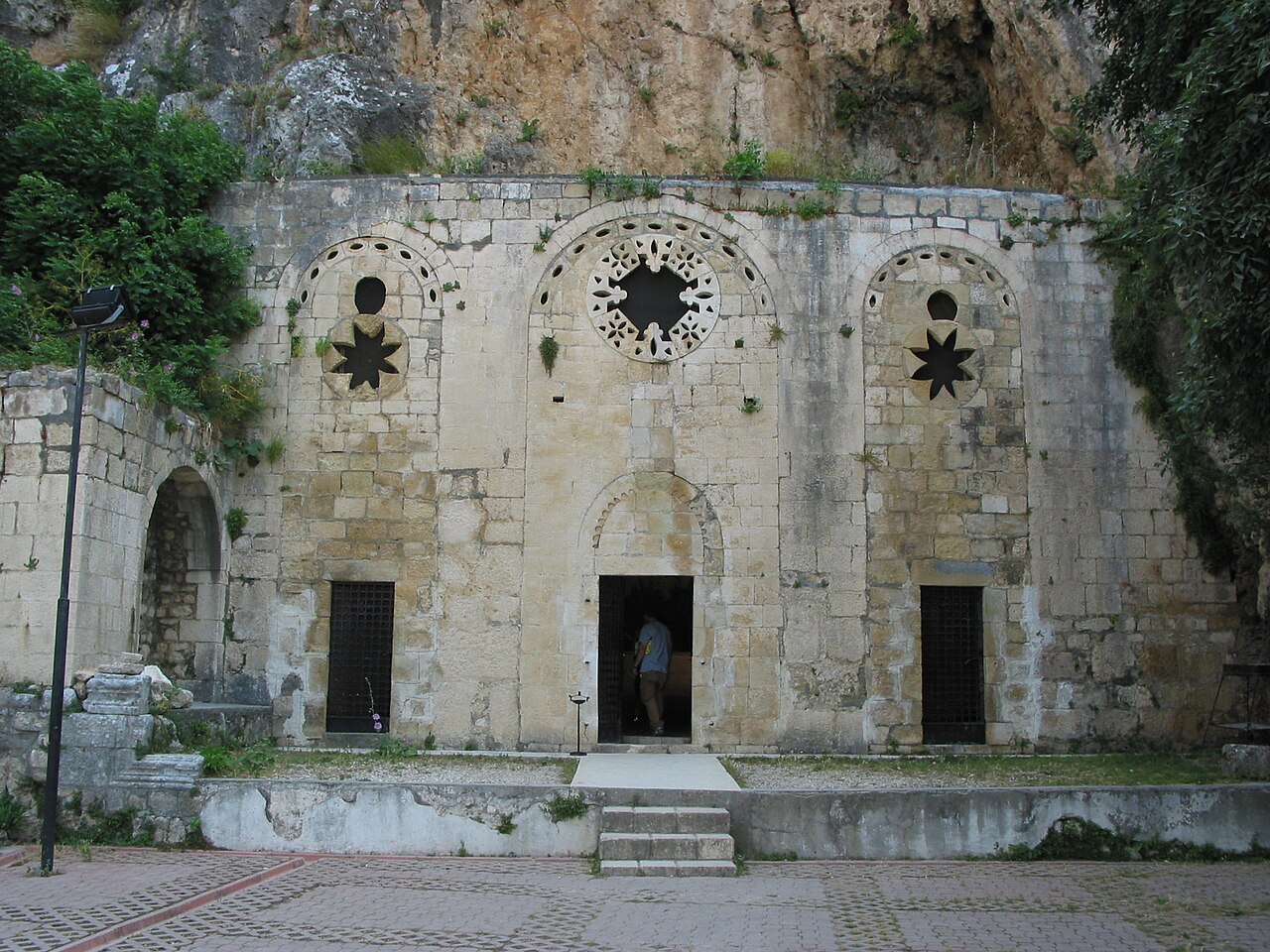
Antioch, a city in Syria where the gospel first reached Gentiles and the believers were first called Christians.
Antioch, located in Syria, was a significant city in the early spread of Christianity. After the persecution that followed Stephen's martyrdom, some believers from Cyprus and Cyrene came to Antioch and preached the gospel to the Hellenists (Greeks) there (Act.11.19-20). The church in Jerusalem sent Barnabas to Antioch, who encouraged the believers and brought Saul (Paul) there to teach (Act.11.22-26).
It was in Antioch that the disciples were first called Christians (Act.11.26). The city became a hub for missionary activity, with Paul and Barnabas being sent out from Antioch on their first missionary journey (Act.13.1-3; 14:26). The church in Antioch also played a crucial role in the Jerusalem Council, which addressed the issue of Gentile believers and the Mosaic Law (Act.15.1-35).
Antioch was the home church of several notable figures, including the prophet Agabus (Act.11.27-28) and the evangelist Nicolas, a proselyte from Antioch (Act.6.5). The apostle Peter visited Antioch, where Paul confronted him about his inconsistent behavior regarding Gentile believers (Galatians 2:11-14).
The church in Antioch became a model of a multicultural, mission-oriented congregation, demonstrating the power of the gospel to transcend cultural barriers and unite believers in Christ. Its strategic location and the fervor of its believers made Antioch a launching pad for the spread of Christianity throughout the Roman Empire.
In Syria, on the river Orontes, about 16 miles from the Mediterranean, and some 300 miles north of Jerusalem. It was the metropolis of Syria, and afterwards became the capital of the Roman province in Asia. It ranked third, after Rome and Alexandria, in point of importance, of the cities of the Roman empire. It was called the “first city of the East.” Christianity was early introduced into it (Acts 11:19, 21, 24), and the name “Christian” was first applied here to its professors (Acts 11:26). It is intimately connected with the early history of the gospel (Acts 6:5; 11:19, 27, 28, 30; 12:25; 15:22-35; Gal. 2:11, 12). It was the great central point whence missionaries to the Gentiles were sent forth. It was the birth-place of the famous Christian father Chrysostom, who died A.D. 407. It bears the modern name of Antakia, and is now a miserable, decaying Turkish town. Like Philippi, it was raised to the rank of a Roman colony. Such colonies were ruled by “praetors” (R.V. marg., Acts 16:20, 21).
Sources: OpenBible.info Bible Geocoding Data (CC BY 4.0, ae41ab4) · STEPBible TIPNR (CC BY 4.0, Antioch@Act.6.5-Gal) · Theographic Bible Metadata (CC BY-SA 4.0, antioch_68) · Wikidata (CC0 1.0, Q3677505)