Arabia Summary
STEPBible TIPNR
Arabia, a desert region southeast of Israel, known for trade and nomadic tribes.
A region and its inhabitants, mentioned in various contexts.
Loading book references…
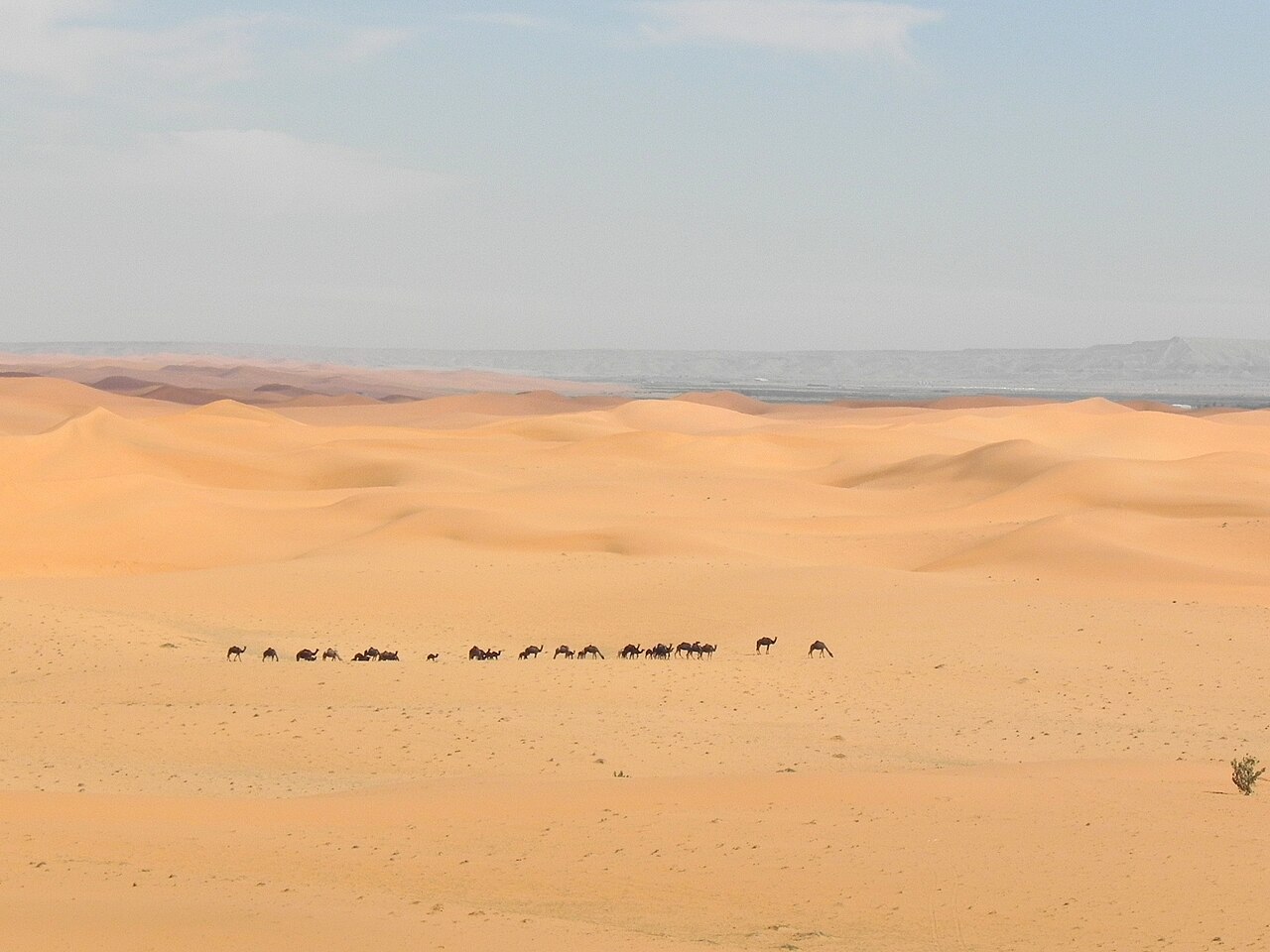
Arabia, a desert region southeast of Israel, known for trade and nomadic tribes.
Arabia is a vast desert region located southeast of Israel, encompassing the Arabian Peninsula. In the Bible, Arabia and its inhabitants, the Arabs or Arbites, are mentioned in various contexts, ranging from commercial interactions to prophetic messages.
The Queen of Sheba, who visited King Solomon, is said to have brought gifts from Arabia, including gold, spices, and precious stones (1Ki.10.15; 2Ch.9.14). The Arabians also paid tribute to King Jehoshaphat of Judah (2Ch.17.11) and were among the enemies who attacked Judah during the reigns of Jehoram and Ahaziah (2Ch.21.16; 22:1).
The prophets Isaiah, Jeremiah, and Ezekiel mention Arabia and its inhabitants in their prophecies. Isaiah delivers a message concerning Arabia, foretelling the decline of its glory (Isaiah 21:13-17). Jeremiah includes the kings of Arabia among those who will drink the cup of God's wrath (Jeremiah 25:24). Ezekiel lists Arabia as one of the nations that traded with Tyre (Ezk.27.21) and includes the Arabians among the allies of Egypt who will fall (Ezk.30.5).
In the New Testament, the Apostle Paul mentions his visit to Arabia after his conversion (Galatians 1:17) and uses Mount Sinai in Arabia as an allegory for the earthly Jerusalem (Galatians 4:25). On the day of Pentecost, Arabs were among the people who heard the apostles speaking in their own languages (Act.2.11).
The Arabians were known for their nomadic lifestyle, traveling through the desert with their herds and engaging in trade. They were skilled in archery and horsemanship, making them formidable opponents in warfare.
Throughout the Bible, Arabia and its people are portrayed as having both positive and negative interactions with Israel and the surrounding nations, reflecting the complex dynamics of the ancient Near East.
Arabia Petraea, i.e., the Rocky Arabia, so called from its rocky mountains and stony plains. It comprehended all the north-west portion of the country, and is much better known to travellers than any other portion. This country is, however, divided by modern geographers into (1) Arabia Proper, or the Arabian Peninsula; (2) Northern Arabia, or the Arabian Desert; and (3) Western Arabia, which includes the peninsula of Sinai and the Desert of Petra, originally inhabited by the Horites (Gen. 14:6, etc.), but in later times by the descendants of Esau, and known as the Land of Edom or Idumea, also as the Desert of Seir or Mount Seir.
The whole land appears (Gen. 10) to have been inhabited by a variety of tribes of different lineage, Ishmaelites, Arabians, Idumeans, Horites, and Edomites; but at length becoming amalgamated, they came to be known by the general designation of Arabs. The modern nation of Arabs is predominantly Ishmaelite. Their language is the most developed and the richest of all the Semitic languages, and is of great value to the student of Hebrew.
The Israelites wandered for forty years in Arabia. In the days of Solomon, and subsequently, commercial intercourse was to a considerable extent kept up with this country (1 Kings 10:15; 2 Chr. 9:14; 17:11). Arabians were present in Jerusalem at Pentecost (Acts 2:11). Paul retired for a season into Arabia after his conversion (Gal. 1:17). This country is frequently referred to by the prophets (Isa. 21:11; 42:11; Jer. 25:24, etc.)
Sources: OpenBible.info Bible Geocoding Data (CC BY 4.0, a59f6f5) · STEPBible TIPNR (CC BY 4.0, Arabia@2Sa.23.35-Gal) · Theographic Bible Metadata (CC BY-SA 4.0, arabia_80) · Wikidata (CC0 1.0, Q31945)