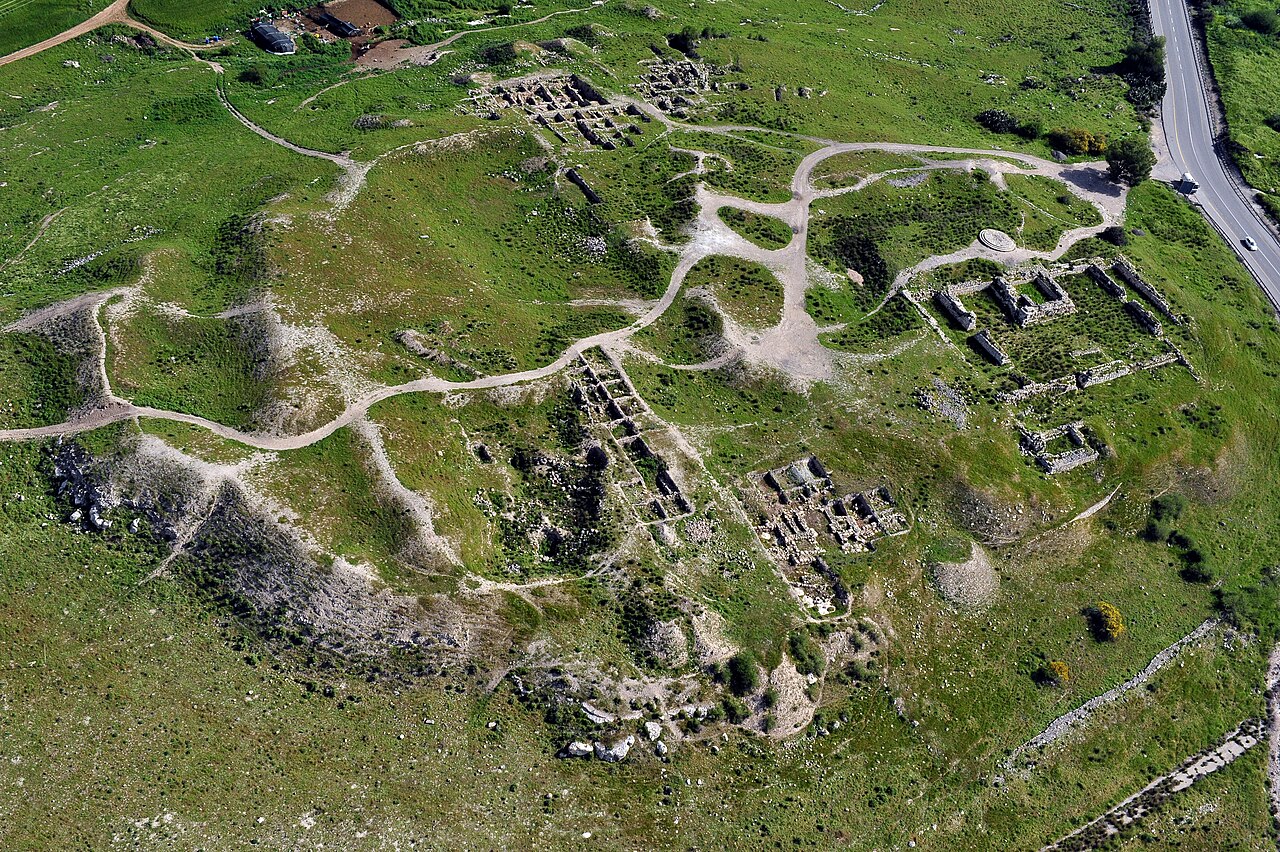
Beth-shemesh, meaning "house of the sun" in Hebrew, was a city located in the Shephelah region, the western foothills of Judah. It was allotted to the tribe of Judah (Joshua 15:10) and later given to the Levites of the family of Aaron (Joshua 21:16; 1Ch.6.59).
Beth-shemesh is primarily known for its association with the return of the Ark of the Covenant from the Philistines (1Samuel 6). After the Ark had been captured by the Philistines, they sent it back on a cart, guided by two milk cows. The cows miraculously went straight to Beth-shemesh, where the people were reaping their wheat harvest in the valley (1Sa.6.9, 12-13).
The men of Beth-shemesh rejoiced when they saw the Ark, offering the cows as a burnt offering and sacrificing to the Lord (1Sa.6.14-15). However, some of the men looked inside the Ark, and as a result, God struck down 70 men (some manuscripts say 50,070) for their irreverence (1Sa.6.19-20).
During the reign of King Solomon, Beth-shemesh was included in the second administrative district overseen by Ben-Deker (1Ki.4.9).
Later, during the reign of King Amaziah of Judah, a battle took place between Amaziah and King Jehoash of Israel at Beth-shemesh. Amaziah was defeated and captured by Jehoash, who then proceeded to break down a section of the wall of Jerusalem (2Ki.14.11-13; 2Ch.25.21-23).
In the time of King Ahaz of Judah, the Philistines invaded the cities of the Shephelah, including Beth-shemesh, capturing and occupying them (2Ch.28.18).
The city of Beth-shemesh is also mentioned in Judges 1:35, where it is stated that the Amorites persisted in dwelling in Mount Heres, Aijalon, and Shaalbim, but the hand of the house of Joseph rested heavily on them, and they became subject to forced labor. Mount Heres, meaning "mount of the sun," is likely another name for Beth-shemesh or the hill on which it was located.