Habor Summary
STEPBible TIPNR
Habor was a river in Assyria along which the Israelite captives from the northern kingdom were settled by the Assyrians (2Ki.17.6; 18:11; 1Ch.5.26).
A river in Assyria where Israelite captives were settled.
Loading book references…
Habor was a river in Assyria along which the Israelite captives from the northern kingdom were settled by the Assyrians (2Ki.17.6; 18:11; 1Ch.5.26).
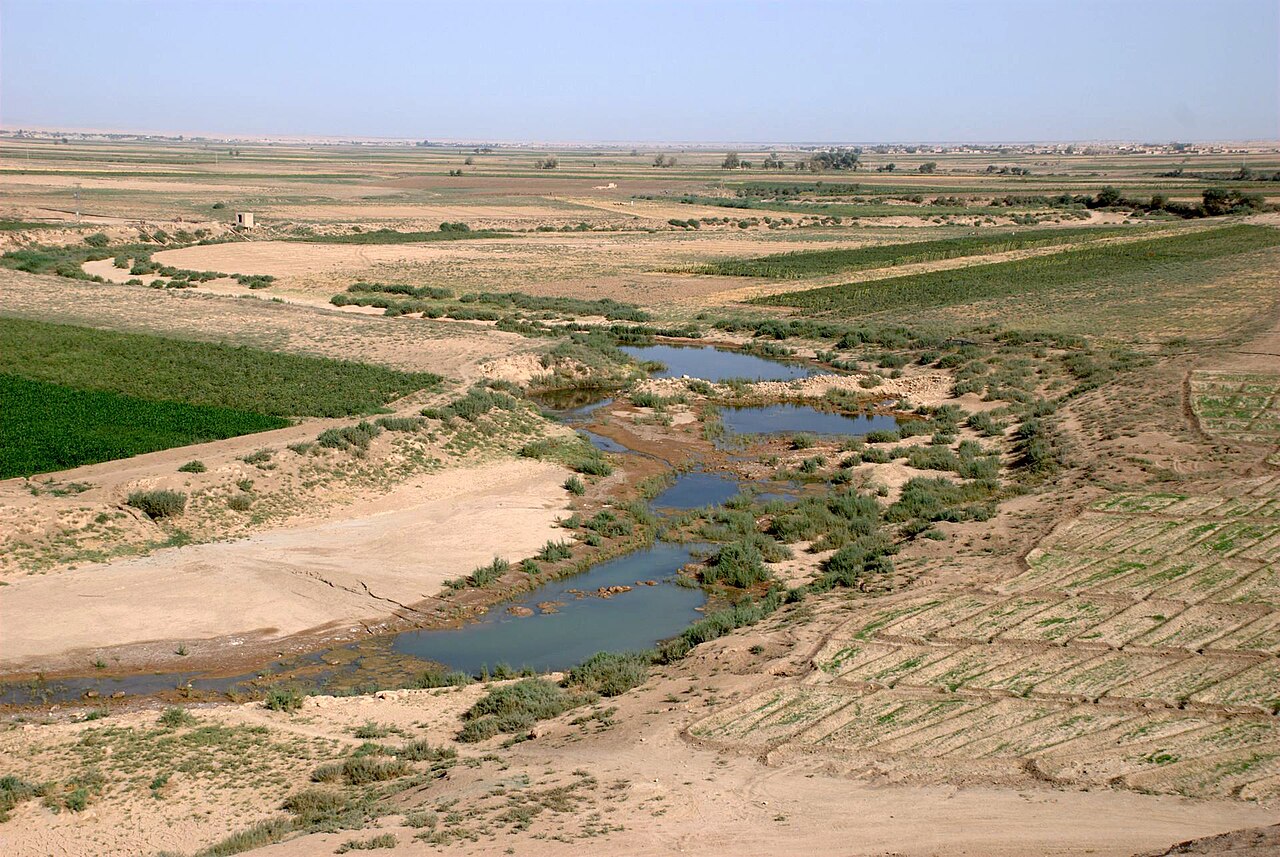
Habor was a river located in Assyria, associated with the region of Gozan, where Israelite captives from the northern kingdom were settled by the Assyrians. During the reign of Hoshea, the last king of Israel, the Assyrian king Shalmaneser conquered Samaria and deported the Israelites to various locations in Assyria, including the cities of Halah and Habor, by the river Gozan (2Ki.17.6; 18:11; 1Ch.5.26). The practice of deporting conquered populations was a common strategy employed by the Assyrians to prevent rebellions and to integrate the conquered peoples into their empire. The exact location of the Habor River is not specified in the Bible, but it is generally identified with the Khabur River, a tributary of the Euphrates River, located in modern-day Syria and Iraq. The Khabur River was known for its fertile lands and was an important region in the Assyrian Empire. The deportation of the Israelites to the region of the Habor River marked the end of the northern kingdom and the beginning of the Assyrian captivity, which had a profound impact on the history and identity of the Israelite people.
The united stream, or, according to others, with beautiful banks, the name of a river in Assyria, and also of the district through which it flowed (1 Chr. 5:26). There is a river called Khabur which rises in the central highlands of Kurdistan, and flows south-west till it falls into the Tigris, about 70 miles above Mosul. This was not, however, the Habor of Scripture.
There is another river of the same name (the Chaboras) which, after a course of about 200 miles, flows into the Euphrates at Karkesia, the ancient Circesium. This was, there can be little doubt, the ancient Habor.
Sources: OpenBible.info Bible Geocoding Data (CC BY 4.0, af19252) · STEPBible TIPNR (CC BY 4.0, Habor@2Ki.17.6-1Ch) · Theographic Bible Metadata (CC BY-SA 4.0, habor_499) · Wikidata (CC0 1.0, Q685344)