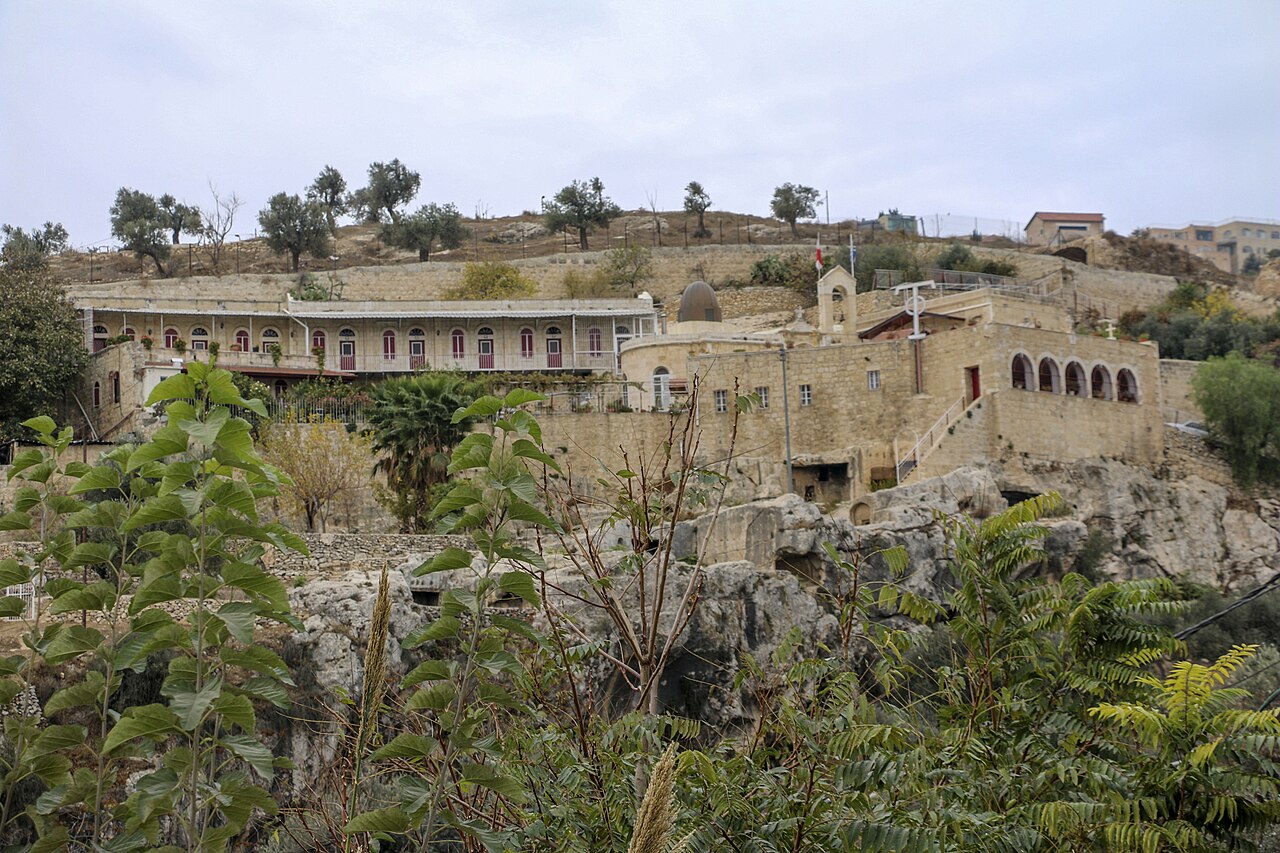
Акелдама, което на арамейски означава „Кръвна нива“, се споменава в Новия завет като нивата, купена с тридесетте сребърника, които Юда Искариот получил за предаването на Исус (Мат 27:7-8; Деян 1:18-19). Тя е известна също като Грънчарската нива.
Според разказа на Матей, когато Юда осъзнал последиците от предателството си, той върнал парите на главните свещеници и старейшините. Те обаче сметнали, че не е позволено парите да се сложат в храмовата съкровищница, защото били „цена на кръв“. Вместо това те използвали парите, за да купят грънчарската нива за гробище на чужденци (Мат 27:7).
В Деяния нивата е наречена Акелдама и се казва, че Юда купил нивата с наградата за своето беззаконие и паднал там презглава, пукнал се през средата и всичките му вътрешности изтекли (Деян 1:18). След това нивата станала известна като Кръвна нива заради връзката ѝ със смъртта на Юда и с кървавите пари, с които била купена.
По традиция Акелдама се отъждествява с място южно от Йерусалим, близо до мястото, където се събират долините Еном и Кедрон. Районът се използва като гробище от векове и в него има множество гробници и погребални пещери от древността до наши дни.
Купуването на Акелдама с парите от предателството на Юда се разглежда като изпълнение на пророчество, както е казано в Мат 27:9-10, където се цитират Зах 11:12-13 и Ер 32:6-9. Нивата служи като напомняне за трагичните последици от предателството на Юда и за окончателното изкупление, постигнато чрез жертвата на Исус.
Покажи английския оригинал
Akeldama, which means "Field of Blood" in Aramaic, is mentioned in the New Testament as the field purchased with the thirty pieces of silver that Judas Iscariot received for betraying Jesus (Matthew 27:7-8; Act.1.18-19). It is also known as the Potter's Field.
According to Matthew's account, when Judas realized the consequences of his betrayal, he returned the money to the chief priests and elders. However, they considered it unlawful to put the money into the temple treasury, as it was "blood money." Instead, they used the money to purchase a potter's field as a burial place for foreigners (Matthew 27:7).
In Acts, the field is called Akeldama, and it is stated that Judas bought the field with the reward of his wickedness and fell headlong there, bursting open in the middle, and his intestines gushed out (Act.1.18). The field was then known as the Field of Blood because of its association with Judas' death and the blood money used to purchase it.
The location of Akeldama is traditionally identified as a site south of Jerusalem, near the junction of the Hinnom and Kidron Valleys. The area has been used as a burial ground for centuries, with numerous tombs and burial caves dating from ancient times to the present day.
The purchase of Akeldama with the money from Judas' betrayal is seen as a fulfillment of prophecy, as stated in Matthew 27:9-10, which quotes from Zechariah 11:12-13 and Jeremiah 32:6-9. The field serves as a reminder of the tragic consequences of Judas' betrayal and the ultimate redemption brought about by Jesus' sacrifice.