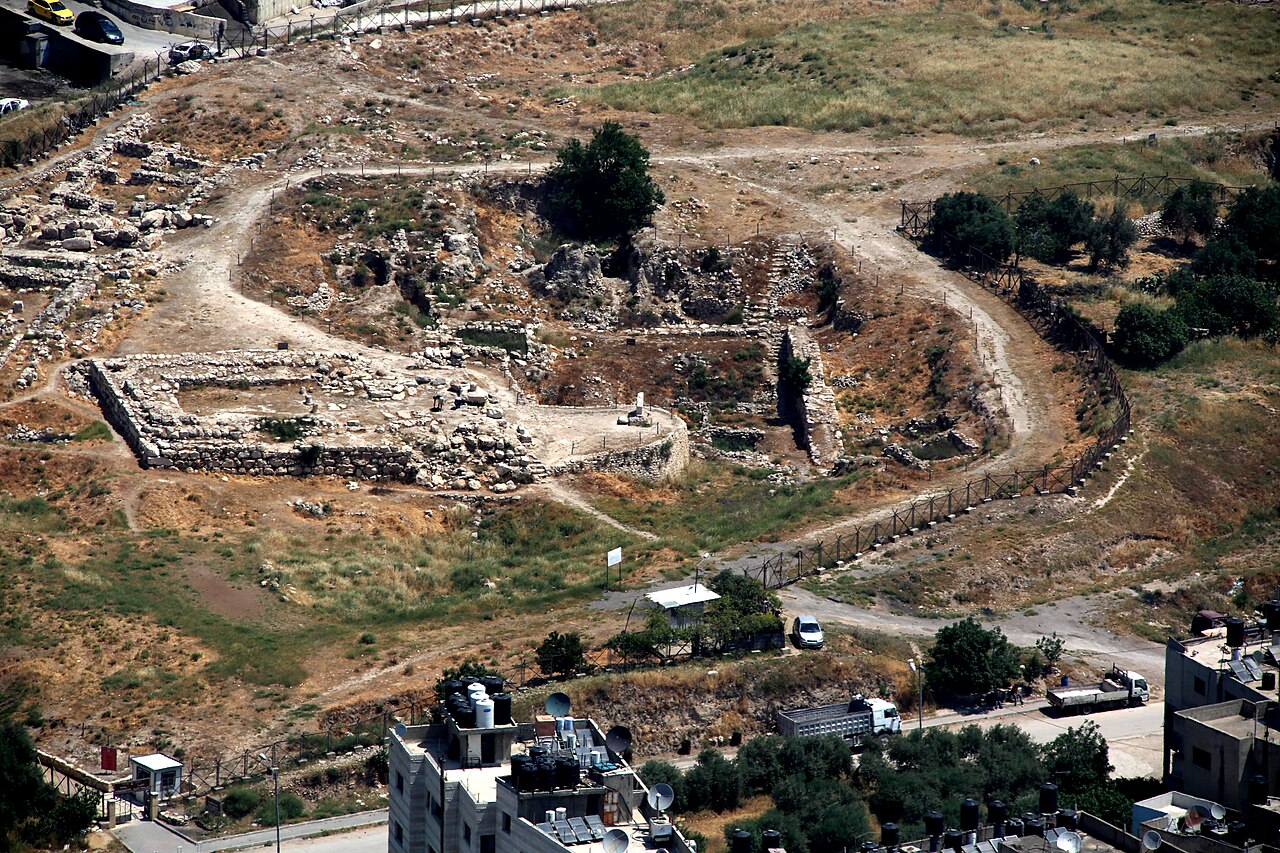
Бет-Мило, чието име означава „дом на насипа“ или „дом на укрепителния вал“ на еврейски, бил укрепено място или цитадела в град Сихем, в хълмистата област на Ефрем. Той се споменава във връзка с възхода на Авимелех към властта и последвалия му конфликт с жителите на Сихем.
В Съд 9:6 мъжете на Сихем и Бет-Мило се събрали, за да поставят Авимелех, сина на Гедеон (Иероваал), за свой цар. Това събитие се състояло при теревинтовото дърво до стълба в Сихем, което подсказва, че Бет-Мило е бил значима част от града и че неговите жители са имали думата при избора на своя владетел.
Отношенията между Авимелех и жителите на Сихем и Бет-Мило обаче се влошили с времето. В Съд 9:20 Йотам, братът на Авимелех по баща, пророкувал, че от Авимелех ще излезе огън, който ще погълне мъжете на Сихем и Бет-Мило, и че от тях ще излезе огън, който ще погълне Авимелех. Това пророчество се сбъднало, когато мъжете на Сихем се обърнали срещу Авимелех, а той на свой ред разрушил града и избил жителите му (Съд 9:23-49).
Точното естество и местоположение на Бет-Мило в Сихем не са уточнени в Библията. Някои учени предполагат, че той може да е бил укрепена цитадела или жилищен район за висшата прослойка на града. Други допускат, че може да е бил част от отбранителните съоръжения на града, например насипен укрепителен вал или кула.
Историята на Авимелех и Бет-Мило подчертава политическата нестабилност и борбите за власт, характерни за периода на съдиите в историята на Израил. Тя също показва последиците от сключването на съюзи с онези, които не следват Божиите пътища.
Покажи английския оригинал
Beth-millo, meaning "house of the filling" or "house of the rampart" in Hebrew, was a fortified place or citadel within the city of Shechem, in the hill country of Ephraim. It is mentioned in the context of Abimelech's rise to power and his subsequent conflict with the people of Shechem.
In Judges 9:6, the men of Shechem and Beth-millo gathered together to make Abimelech, the son of Gideon (Jerubbaal), king over them. This event took place by the terebinth tree at the pillar in Shechem, suggesting that Beth-millo was a significant part of the city and that its inhabitants had a say in the selection of their ruler.
However, the relationship between Abimelech and the people of Shechem and Beth-millo deteriorated over time. In Judges 9:20, Jotham, Abimelech's half-brother, prophesied that fire would come from Abimelech to devour the men of Shechem and Beth-millo and that fire would come from them to devour Abimelech. This prophecy came true when the men of Shechem turned against Abimelech and he, in turn, destroyed the city and killed its inhabitants (Judges 9:23-49).
The exact nature and location of Beth-millo within Shechem are not specified in the Bible. Some scholars suggest that it may have been a fortified citadel or a residential area for the city's upper class. Others propose that it could have been a part of the city's defensive structures, such as a filled-in rampart or a tower.
The story of Abimelech and Beth-millo highlights the political instability and power struggles that characterized the period of the judges in Israel's history. It also demonstrates the consequences of making alliances with those who do not follow God's ways.