Haran was a city in Mesopotamia where Abraham and his family settled after leaving Ur, and from where Abraham later departed for Canaan (Genesis 11:31-32; 12:4-5; 27:43; 28:10; 29:4; Act.7.2, 4).
Haran
PlaceA city in Mesopotamia, associated with Abraham and his family.
-
en
Haran
mountainous country
- en Harran · Also called
- en Charran · Also called
- he חָרָן · H2771A
- el Χαρράν · G5488
- bg Харан
SDA Books
Awaiting permission to publishLoading book references…
Haran, also known as Charan, was a significant city in Mesopotamia, located in modern-day Turkey. It played a crucial role in the life of Abraham and his family. After leaving Ur of the Chaldeans, Abraham, his father Terah, and his nephew Lot settled in Haran (Genesis 11:31). It was in Haran that Terah died (Genesis 11:32), and from there, Abraham departed for Canaan in response to God's call (Genesis 12:4-5). Later, when Israel (or 'Jacob') fled from his brother Esau, he sought refuge in Haran with his uncle Laban (Genesis 27:43; 28:10). Jacob lived in Haran for many years, marrying Laban's daughters, Leah and Rachel, and working for Laban (Genesis 29:4). Haran was known for its association with the worship of the moon god, Sin. In the Old Testament, Haran is mentioned as one of the places conquered by the Assyrian kings (2Ki.19.12; Isaiah 37:12) and as a trading partner of Tyre (Ezk.27.23). The city's strategic location along major trade routes contributed to its importance in the ancient Near East.
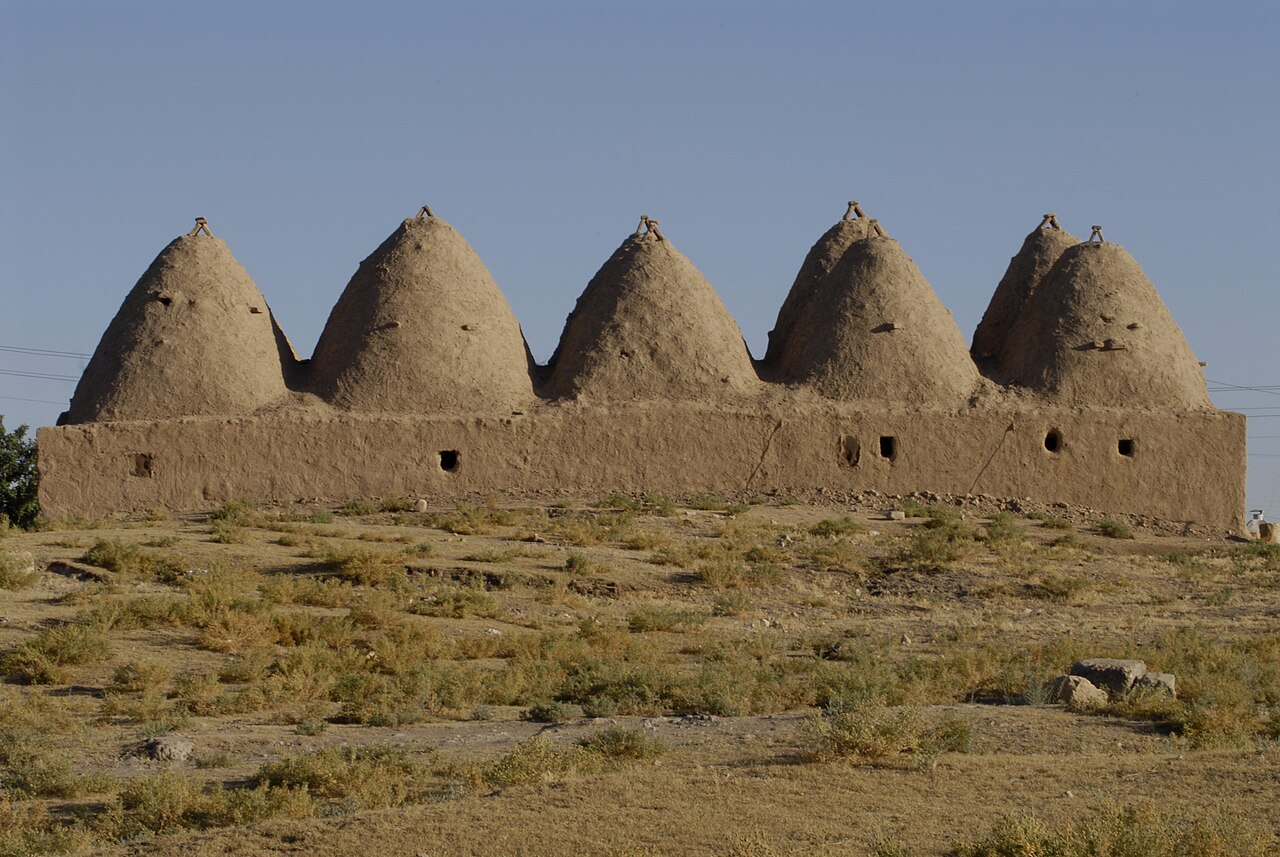
Heb. haran, i.e., “parched;” or probably from the Accadian charana, meaning “a road.” A celebrated city of Western Asia, now Harran, where Abram remained, after he left Ur of the Chaldees, till his father Terah died (Gen. 11:31, 32), when he continued his journey into the land of Canaan. It is called “Charran” in the LXX. and in Acts 7:2. It is called the “city of Nahor” (Gen. 24:10), and Jacob resided here with Laban (30:43). It stood on the river Belik, an affluent of the Euphrates, about 70 miles above where it joins that river in Upper Mesopotamia or Padan-aram, and about 600 miles northwest of Ur in a direct line. It was on the caravan route between the east and west. It is afterwards mentioned among the towns taken by the king of Assyria (2 Kings 19:12; Isa. 37:12). It was known to the Greeks and Romans under the name Carrhae.
Sources: OpenBible.info Bible Geocoding Data (CC BY 4.0, a6d9af3) · STEPBible TIPNR (CC BY 4.0, Haran@Gen.11.31-Act) · Theographic Bible Metadata (CC BY-SA 4.0, haran_527)