Mary
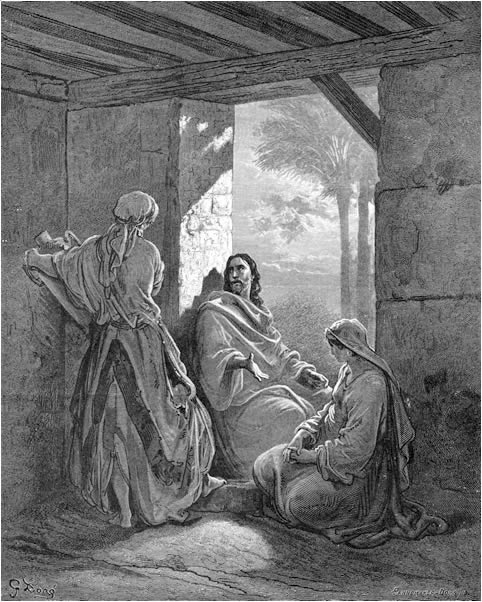
Mary is the sister of Martha and Lazarus in the family at Bethany. During the visit, she sits at the feet of Jesus and listens to His word. When Martha asks for help with serving, Jesus commends Mary’s choice of the good part. The narrative identifies this sister as the woman who anoints Him. Luke 10:38–42; John 11:1–2.
The Sabbath School lesson “The Witness of Mary” (11 November 2024) interprets her gift as an expression of gratitude and devotion to Jesus. Ellen White’s The Desire of Ages, chapter 62 likewise gives the giver’s love greater significance than the monetary value of the ointment. These observations concern the anointing that Jesus relates to His burial. John 12:3–8.
In the earlier account of her brother’s raising, Mary stays in the house while Martha goes to meet Jesus. After her sister calls her, she rises quickly and comes to Him. Falling at His feet, she says that Lazarus would not have died if He had been there. The narrative places her weeping beside the grief of the visitors and the tears of Jesus. John 11:20–35.
At the later supper, Mary pours costly spikenard ointment on the feet of Jesus and wipes them with her hair, filling the house with its fragrance. Judas Iscariot objects that the ointment could have been sold for the poor; the narrator explains that he kept the money bag and stole from it. Jesus defends her act by referring to His burial. John 12:1–8.