Jesus Christ
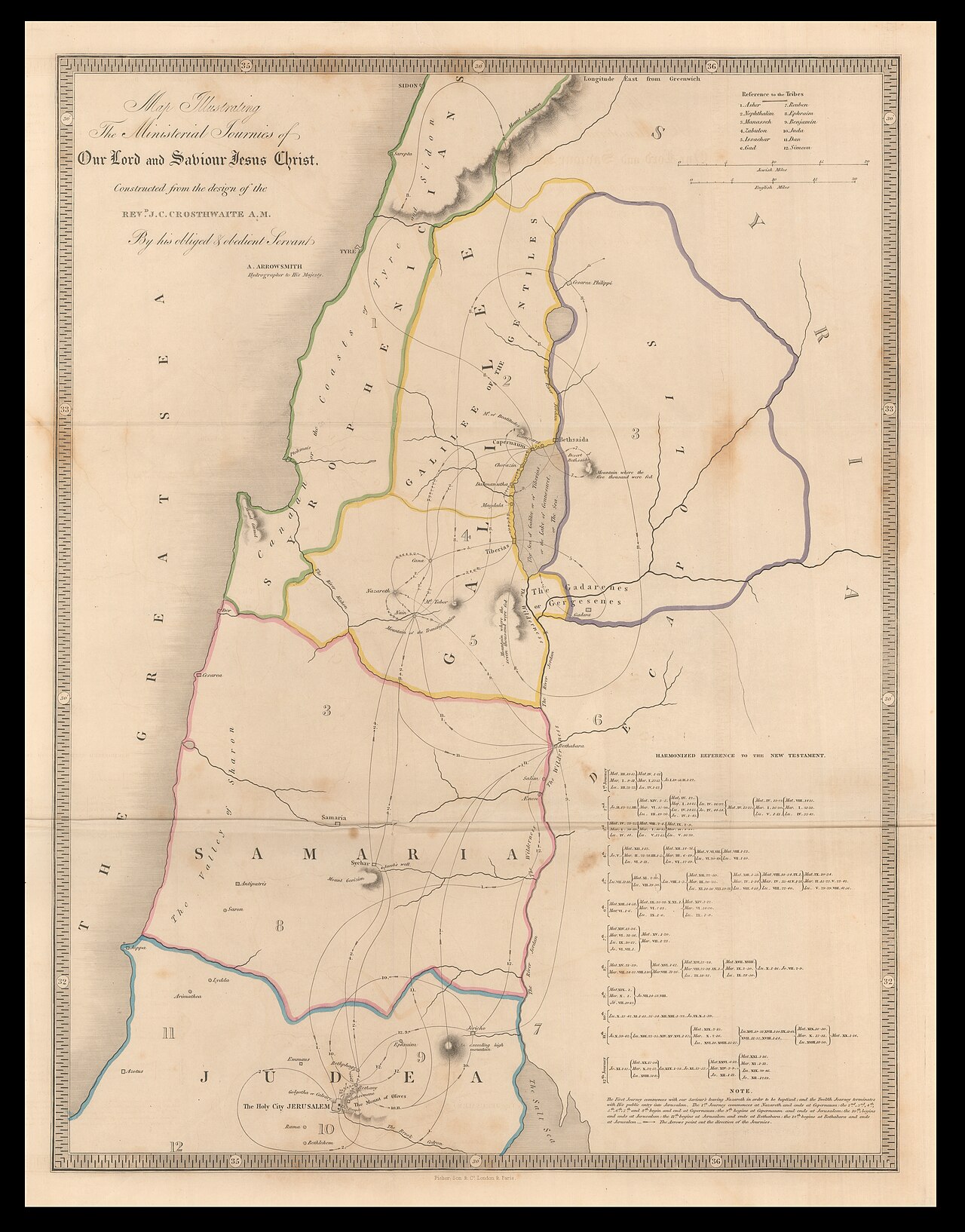
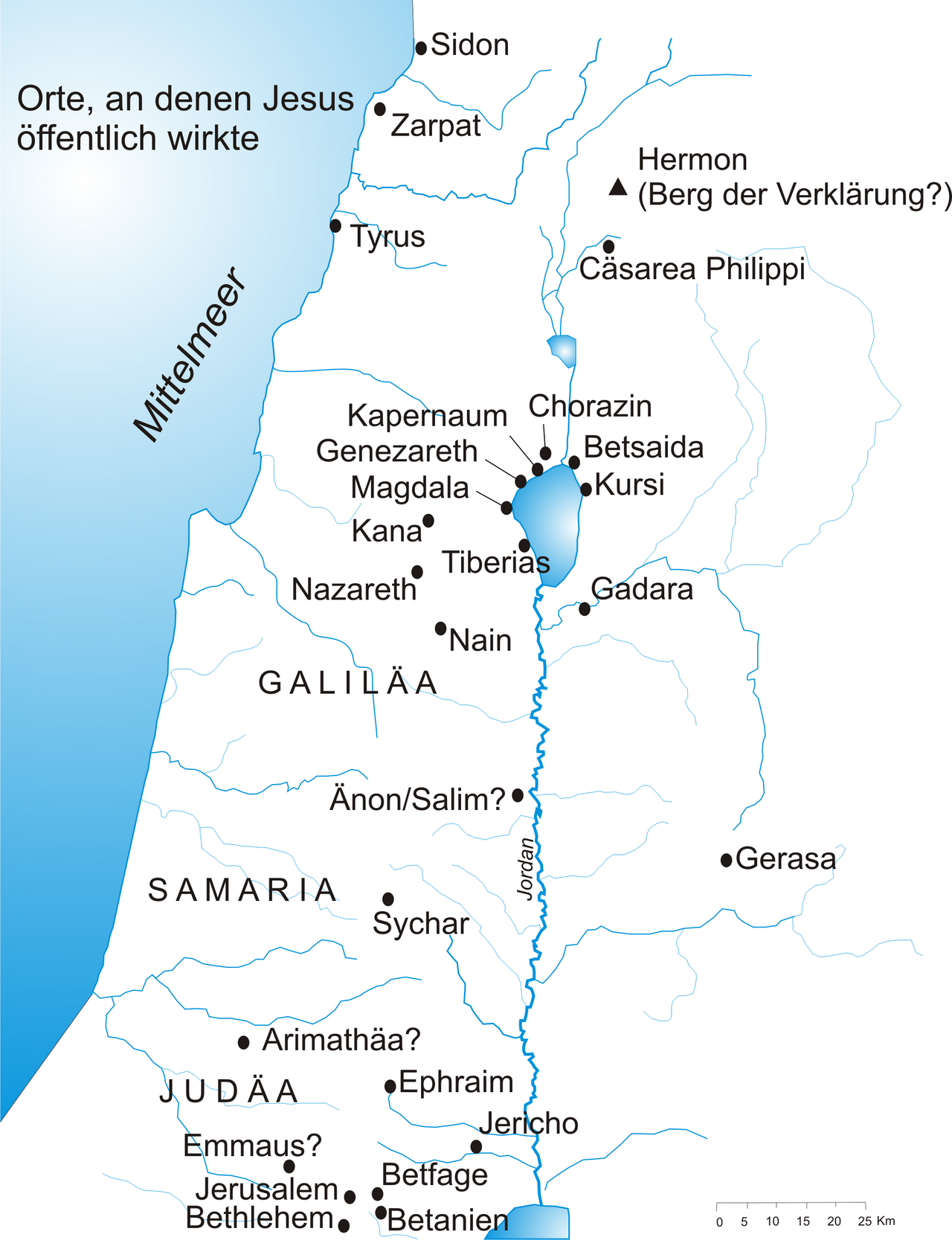
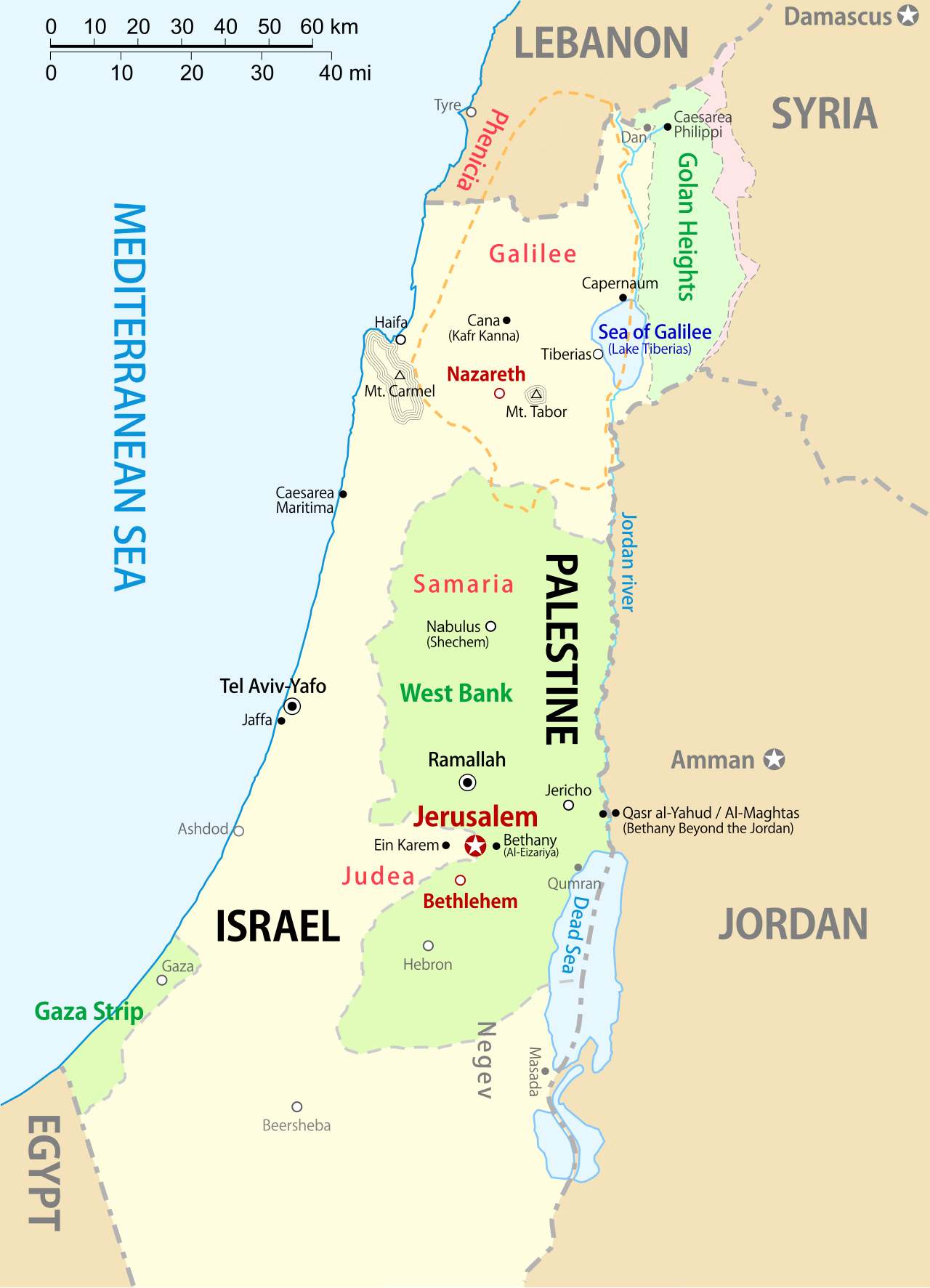
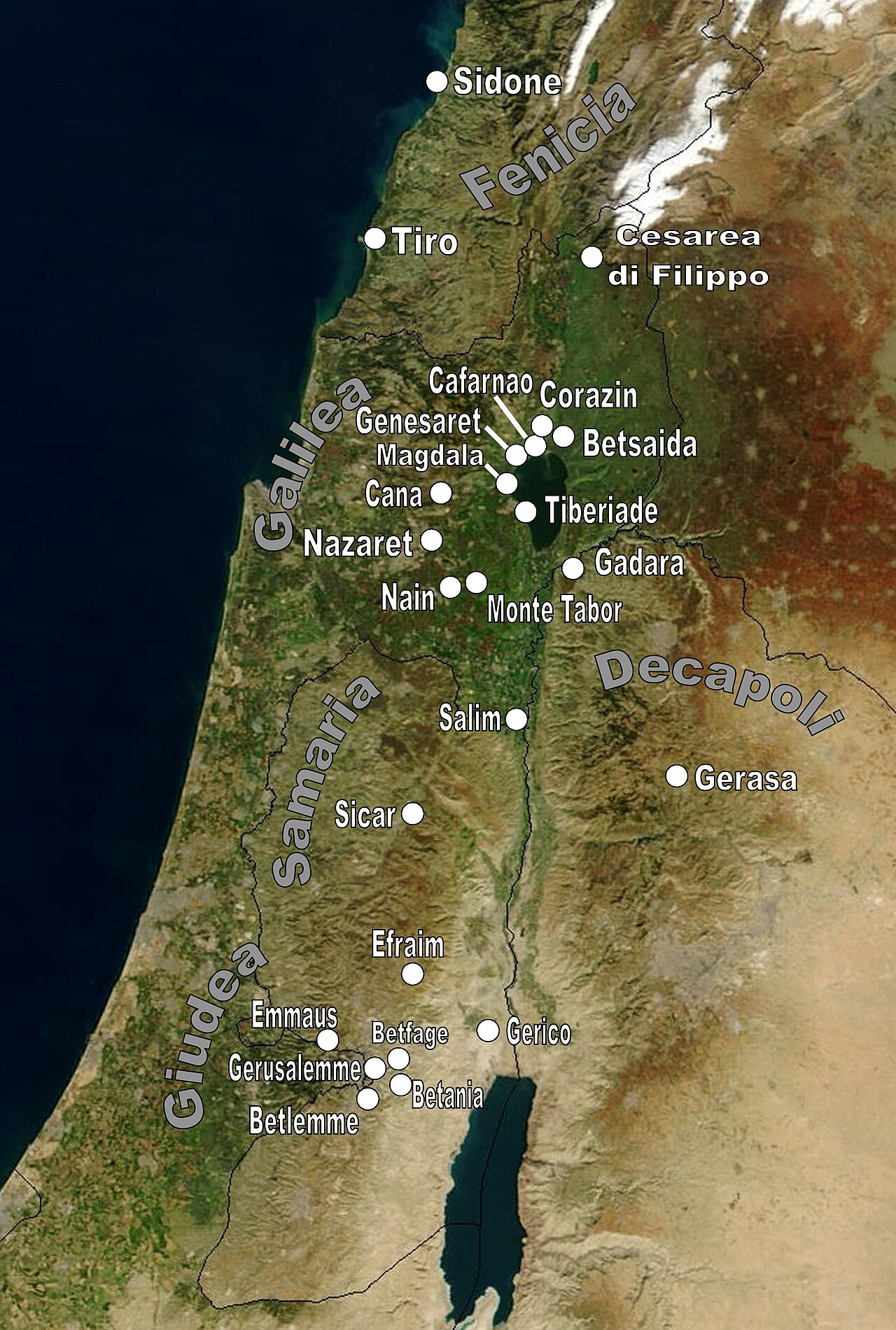
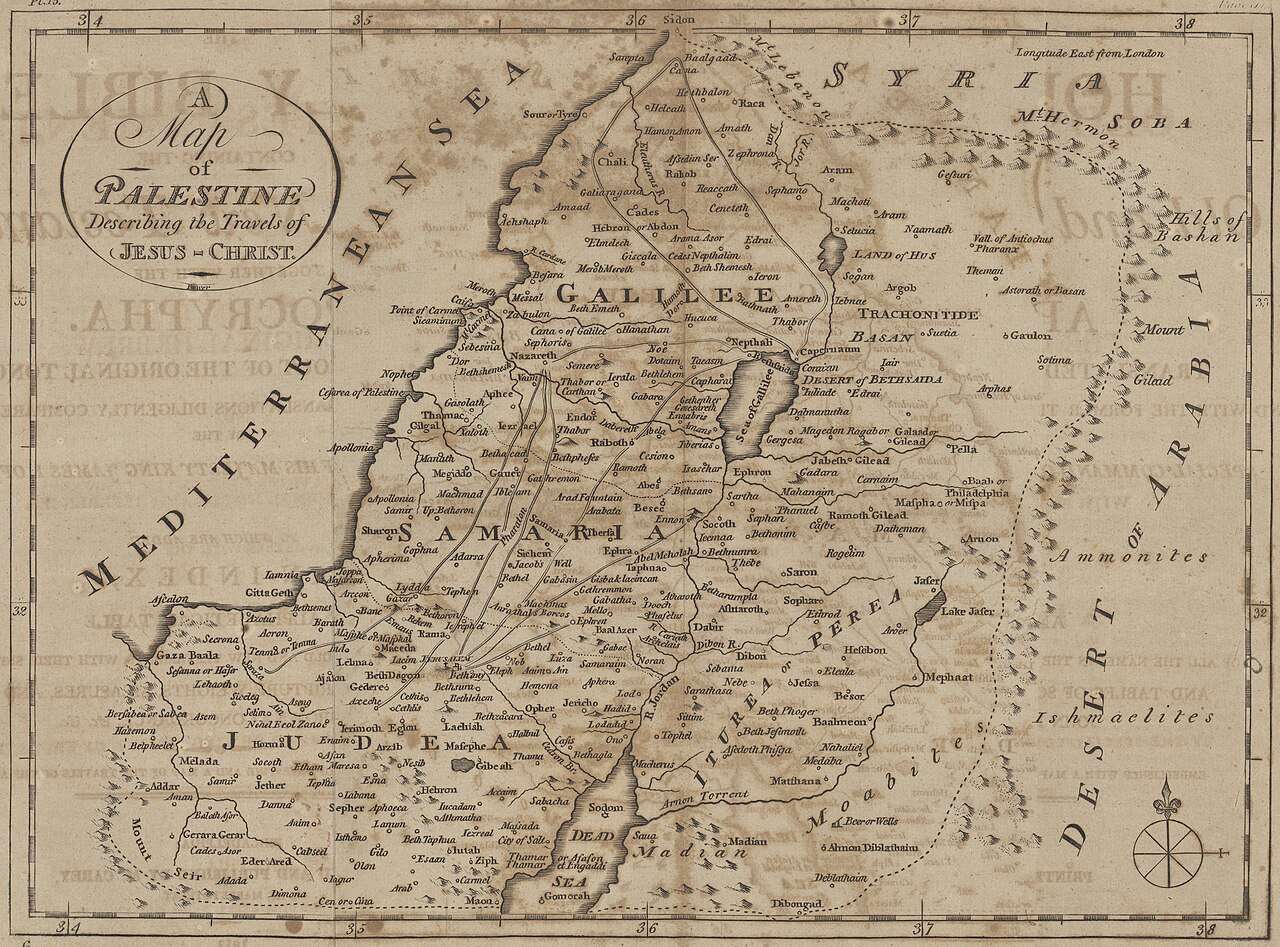
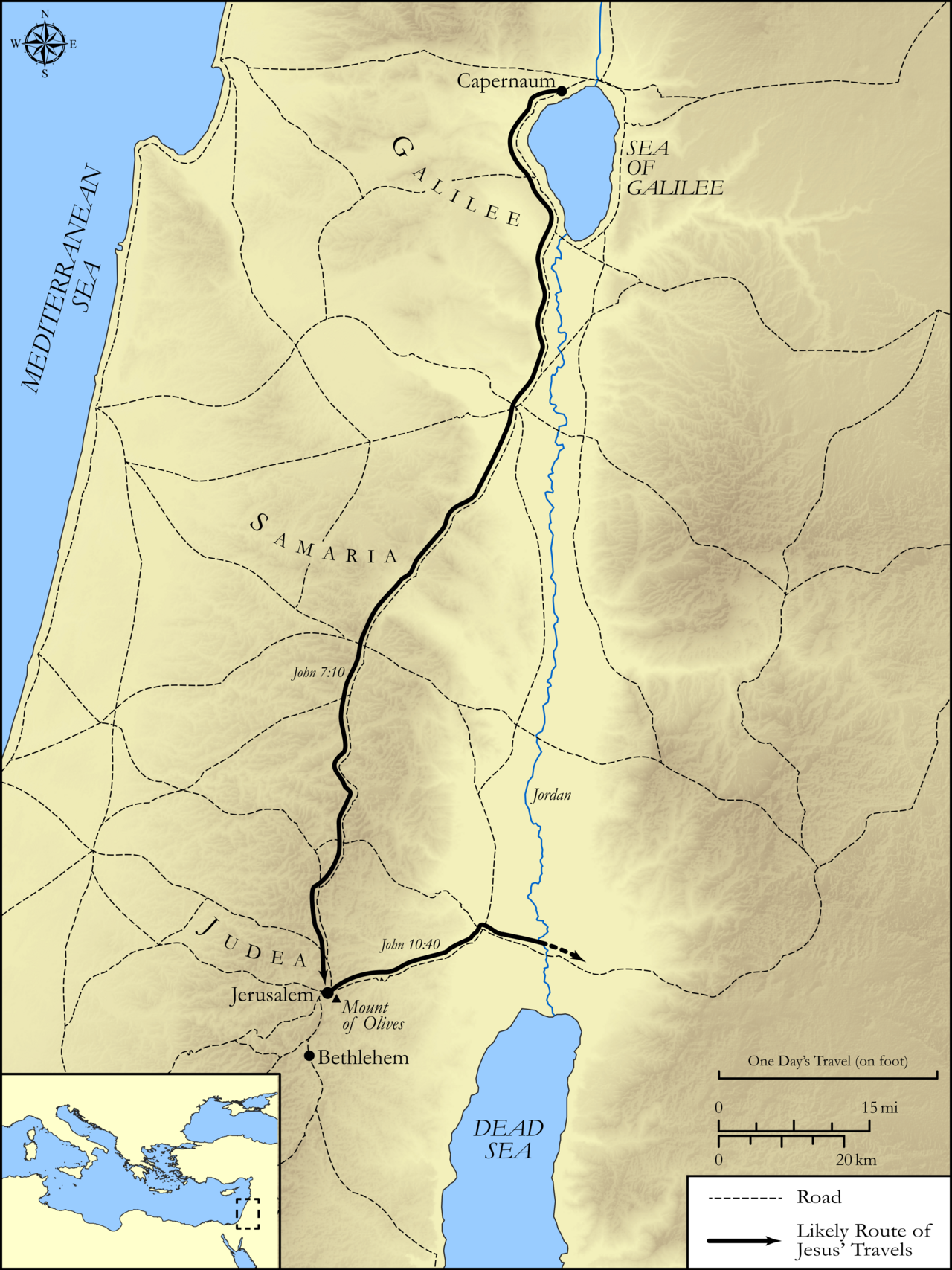
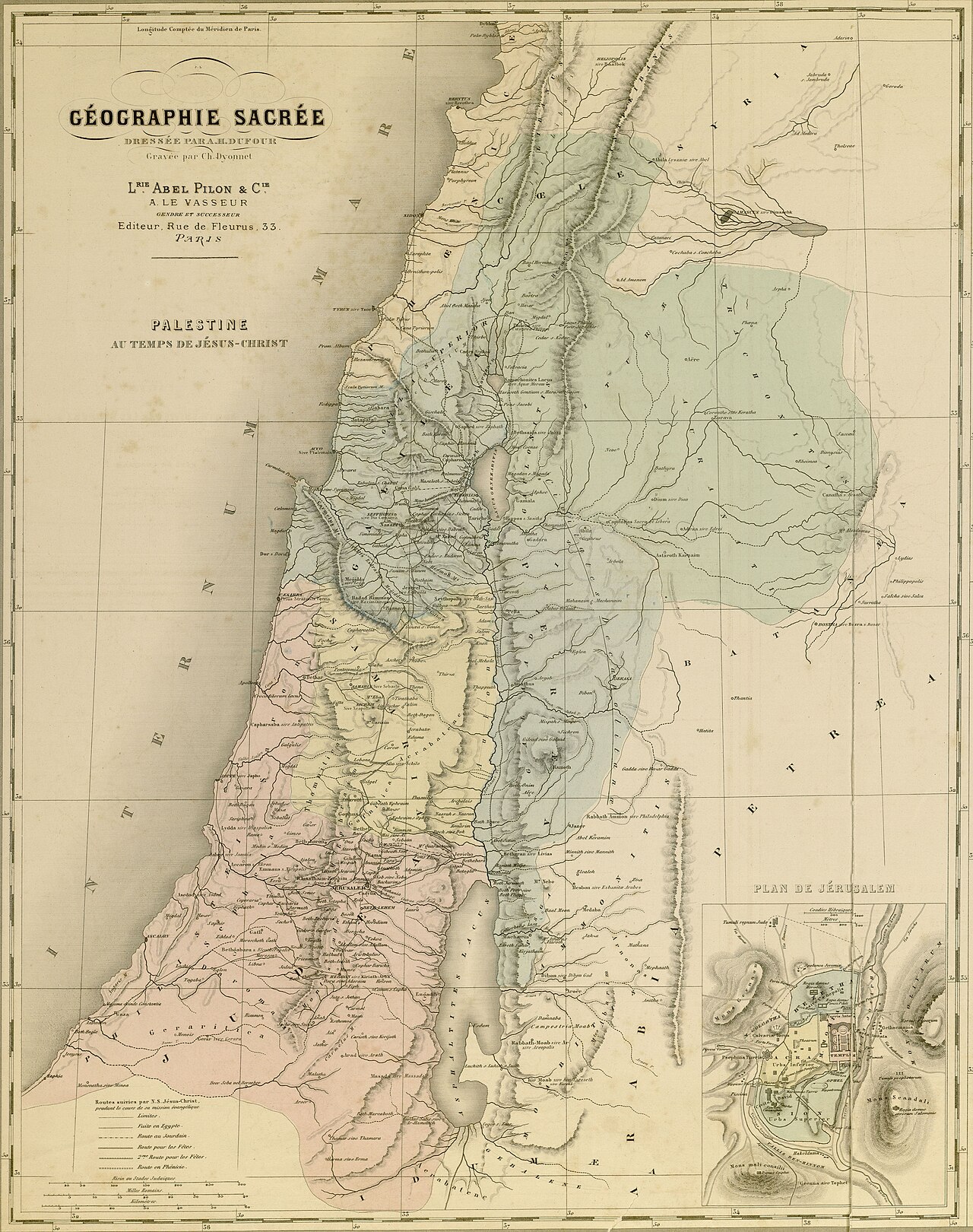
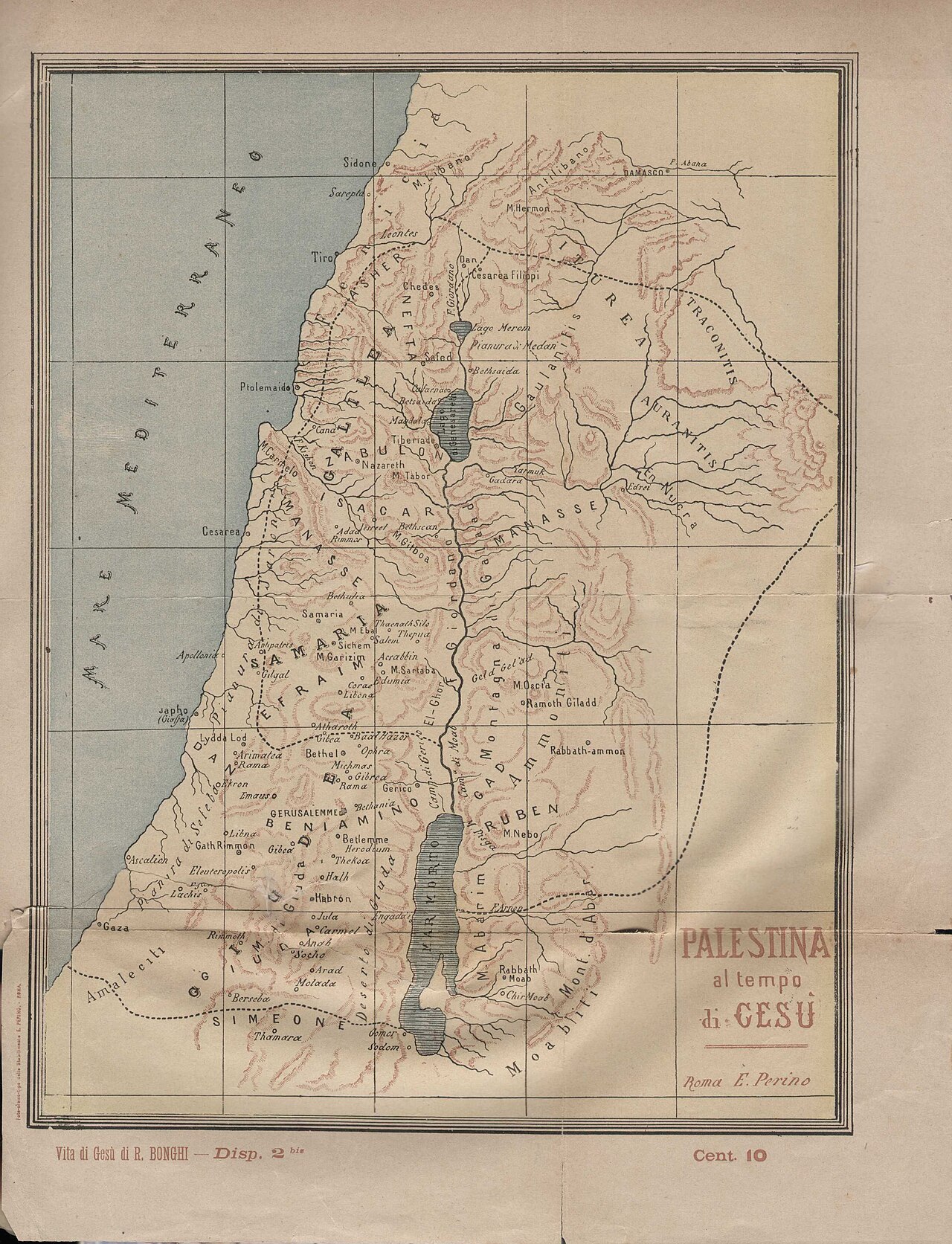
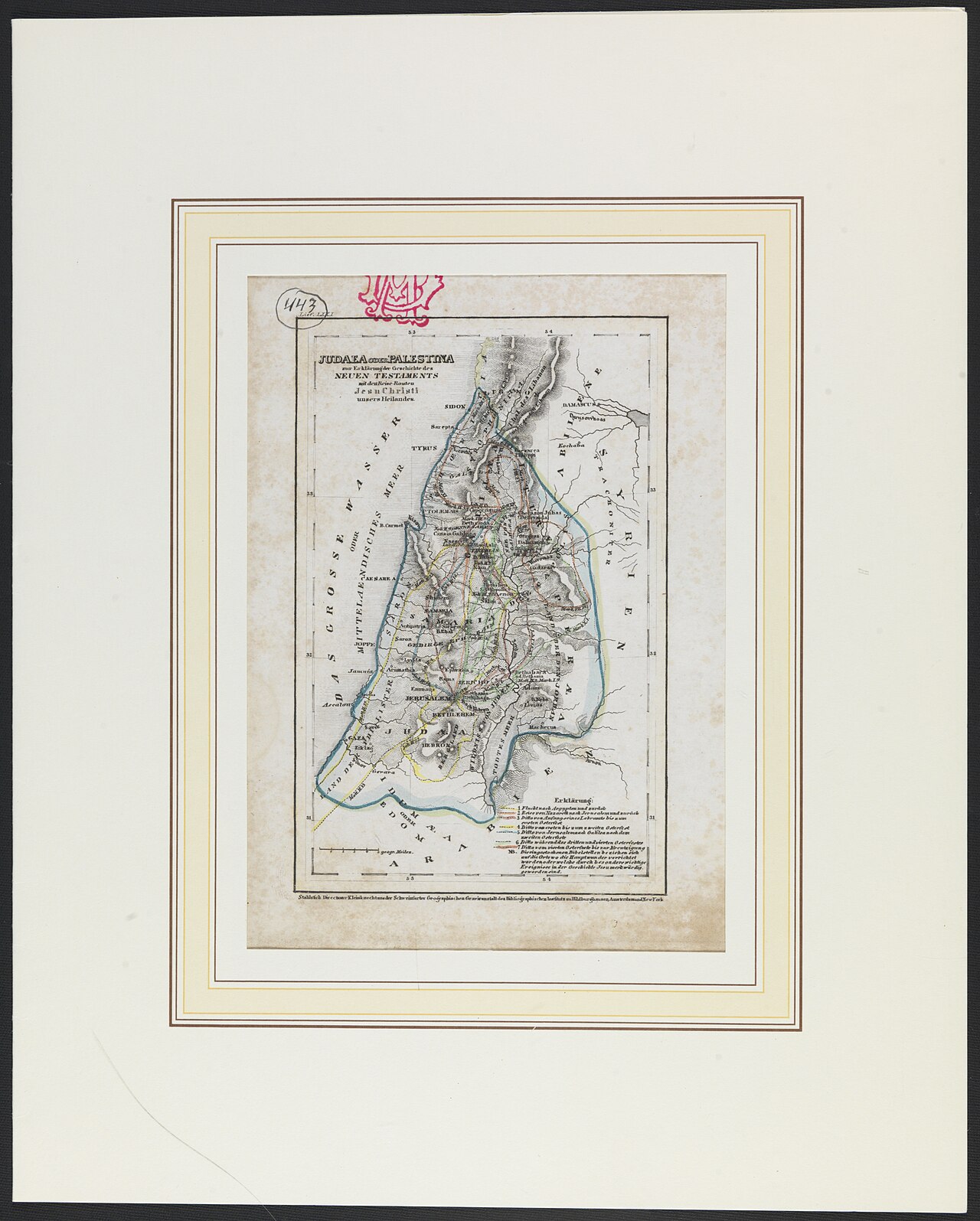
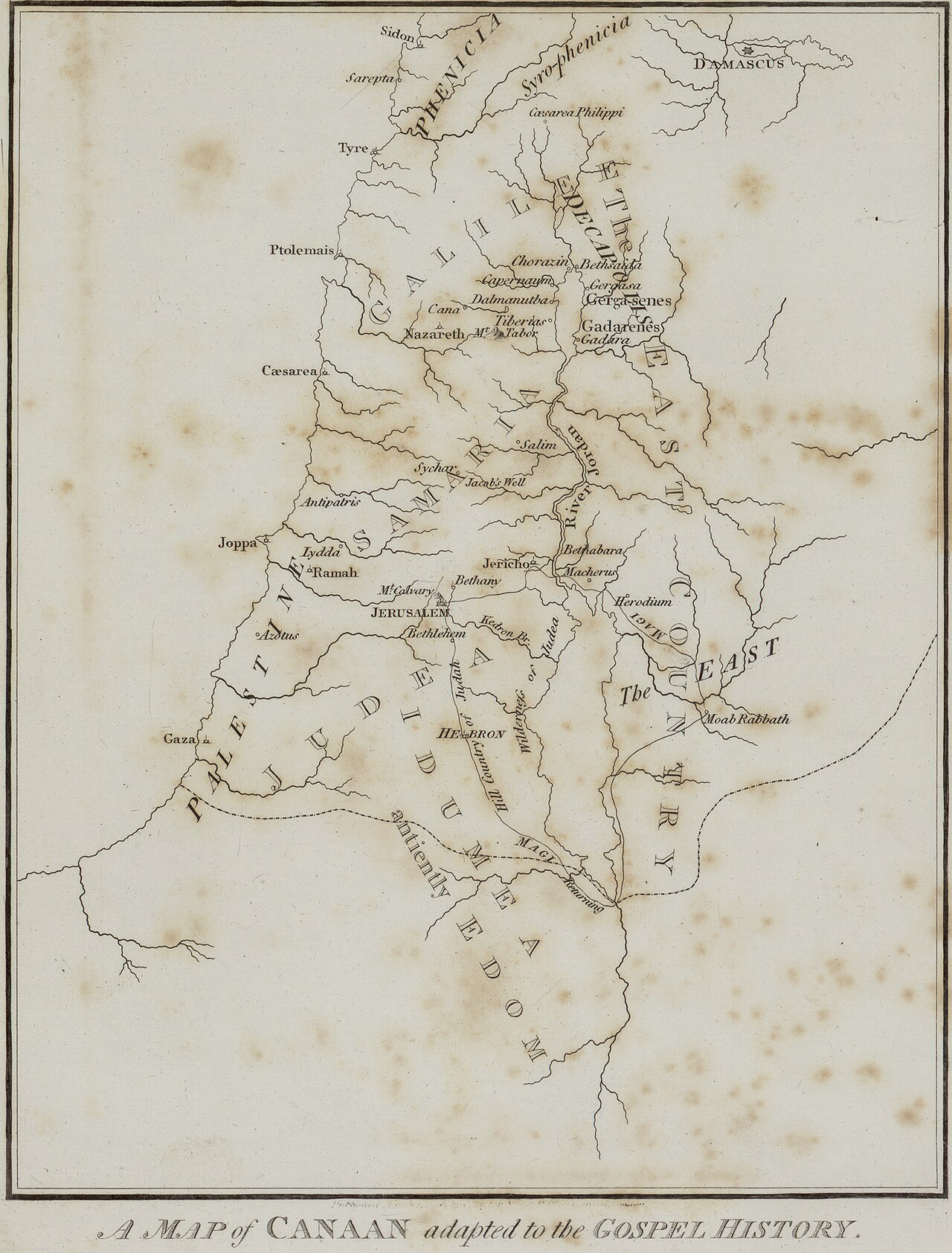
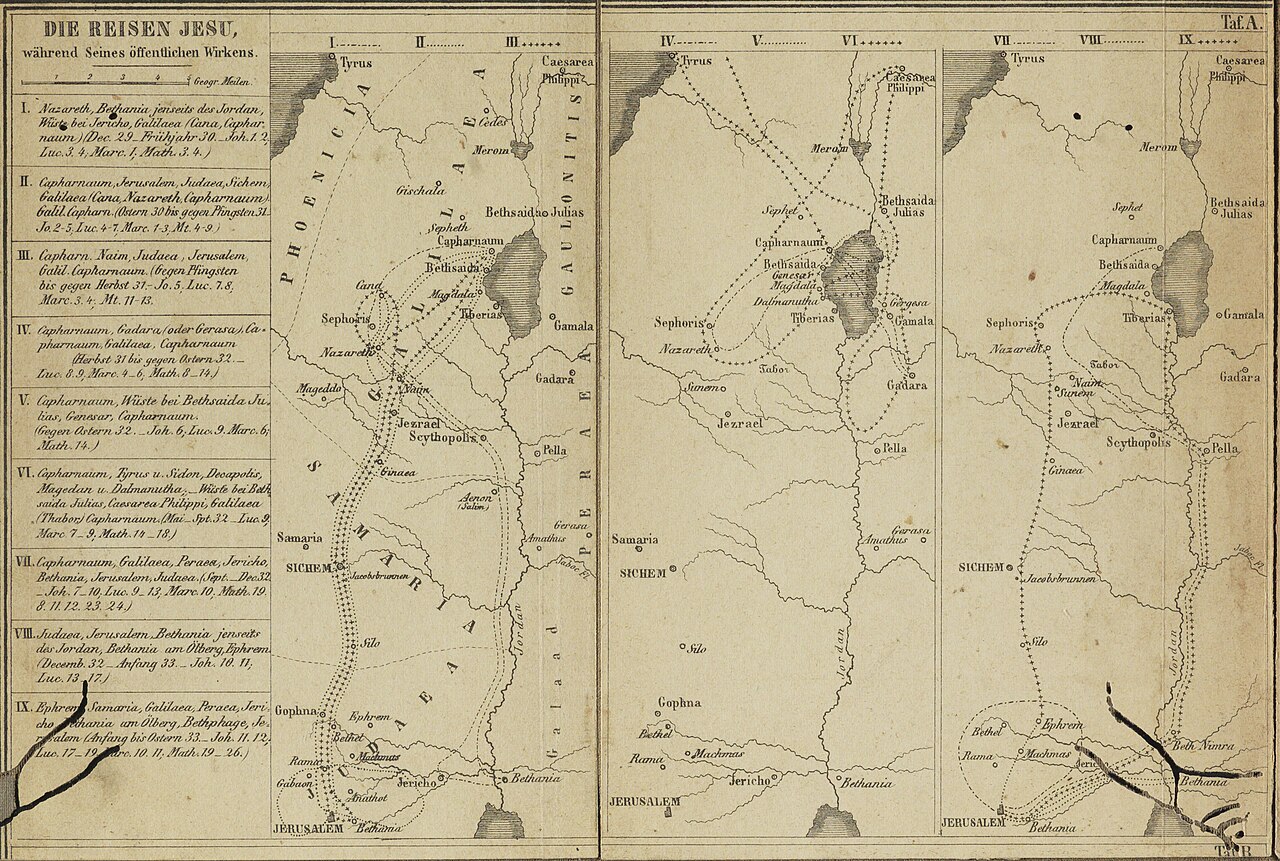
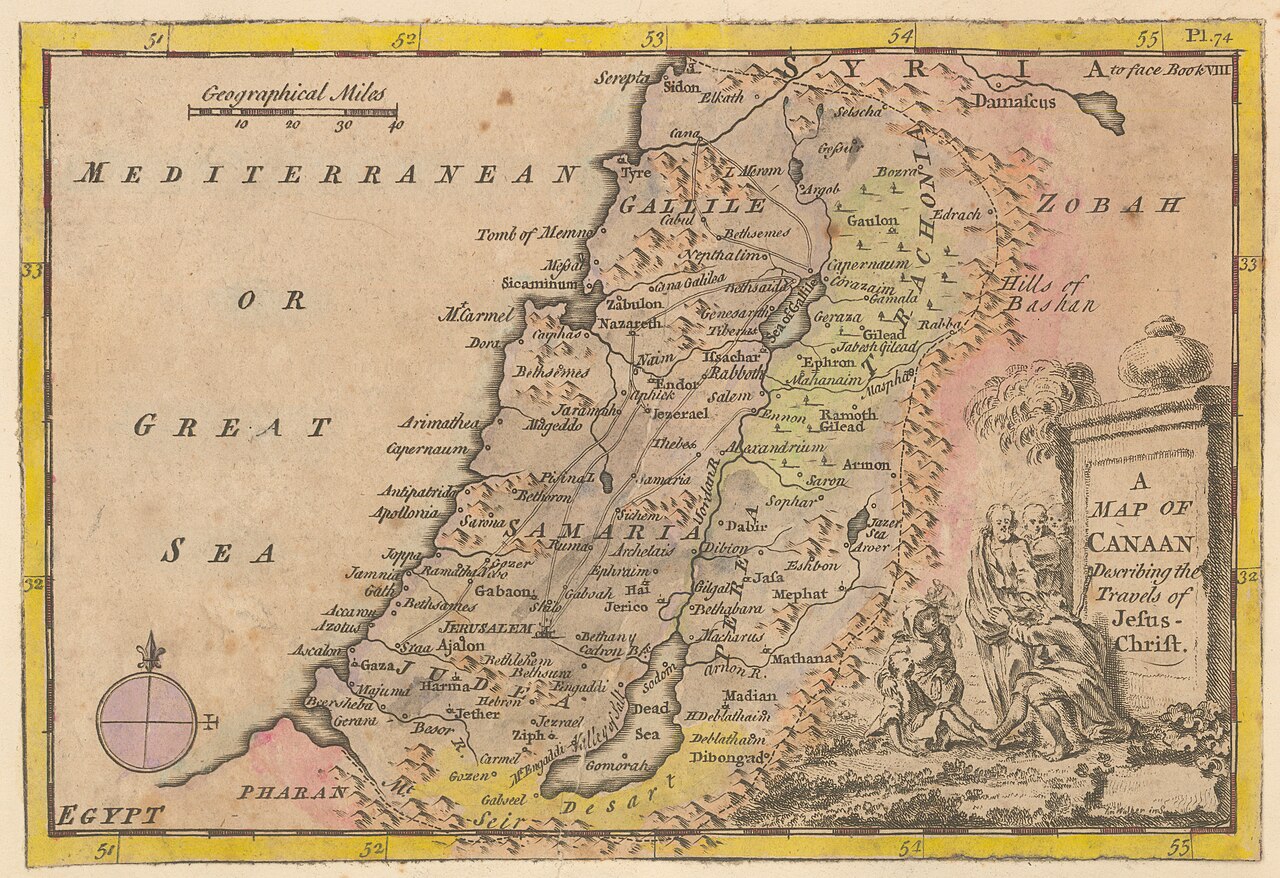
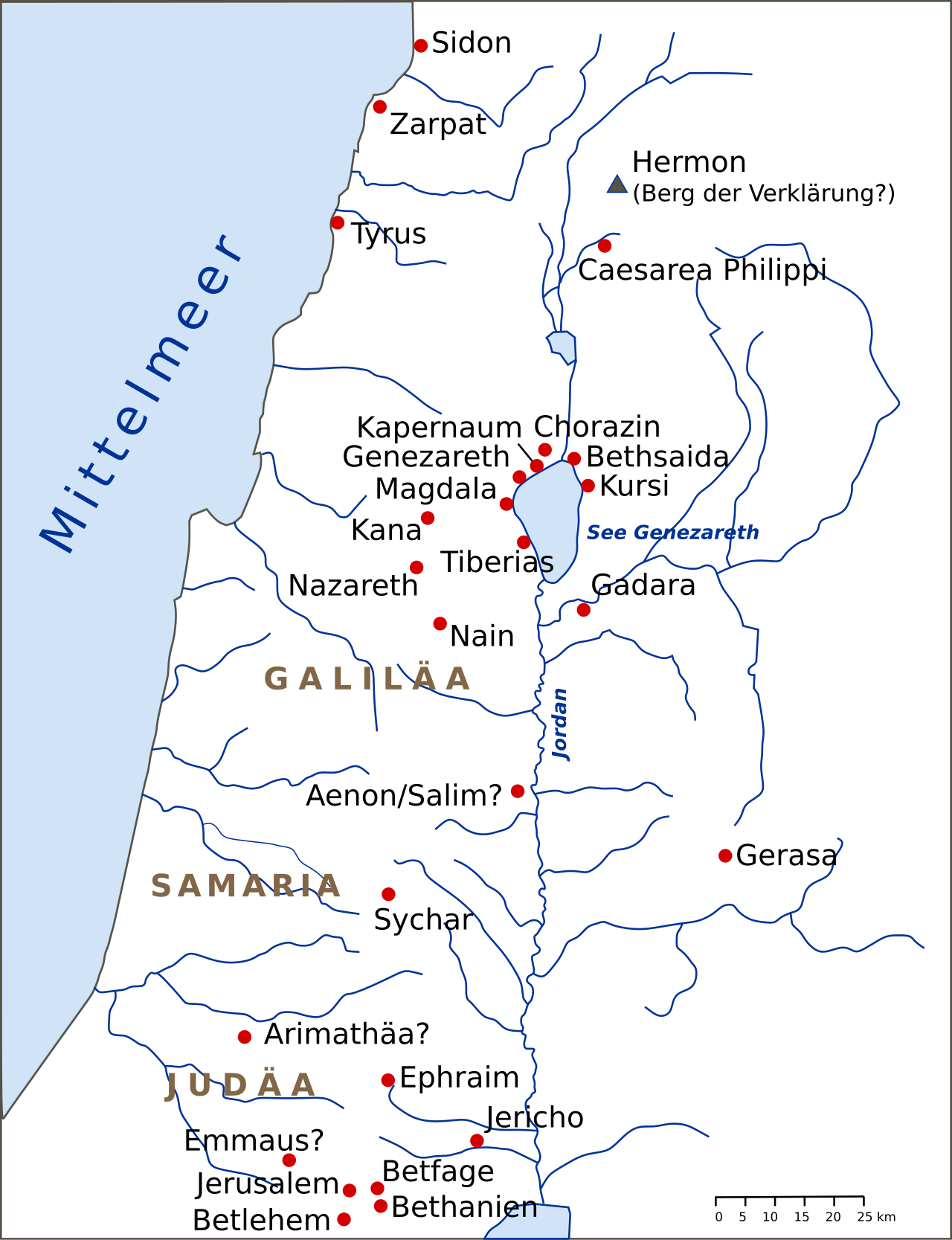
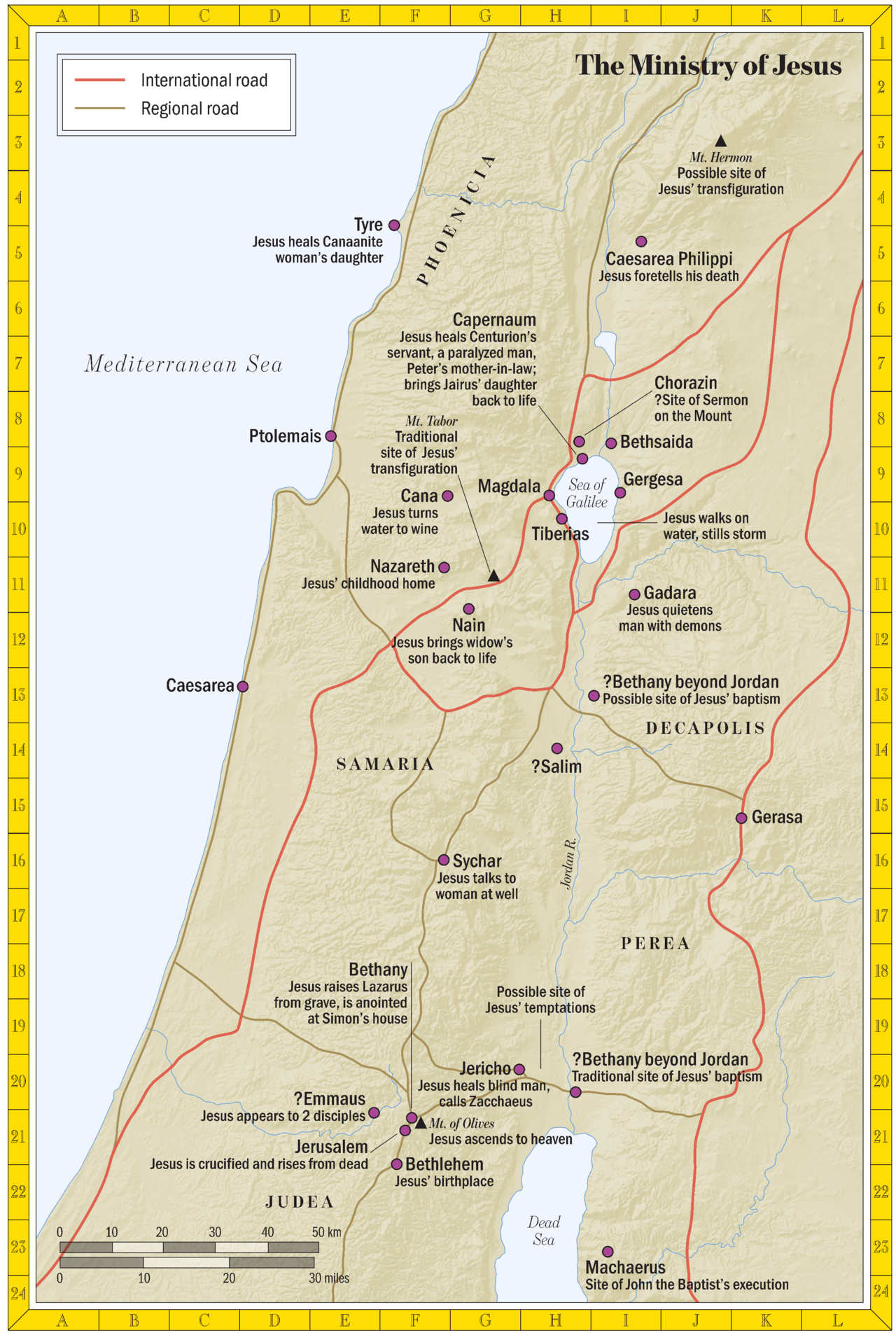
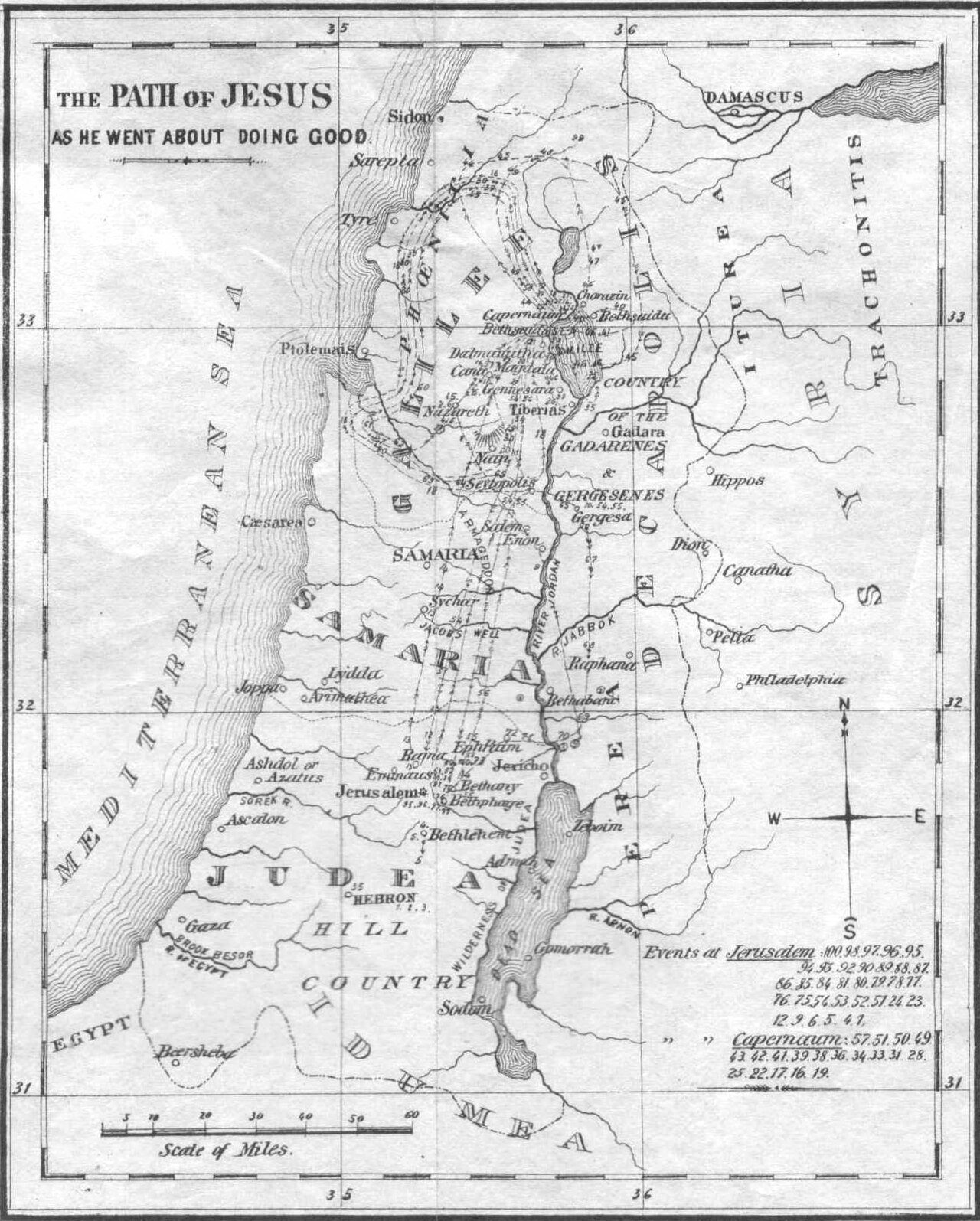
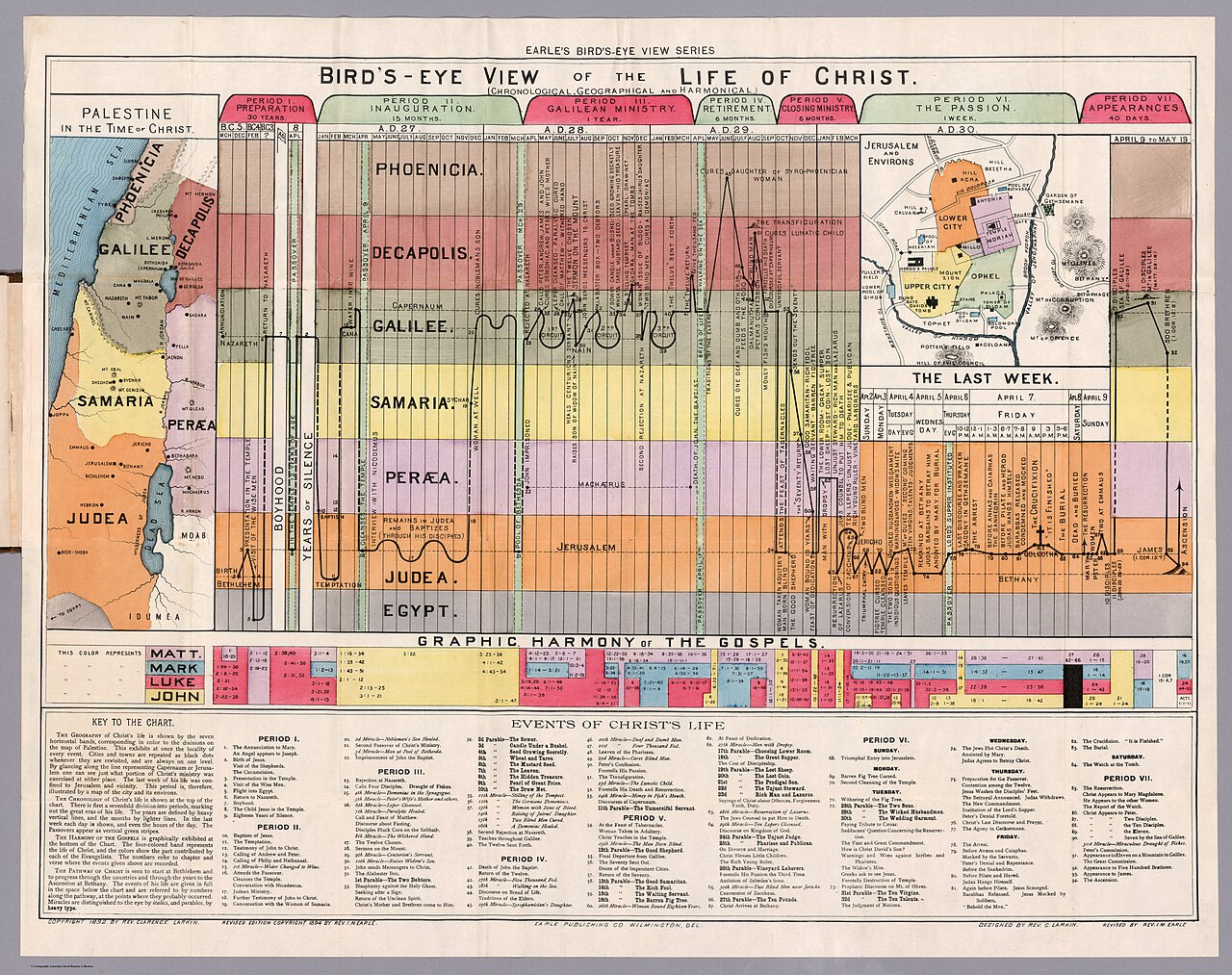
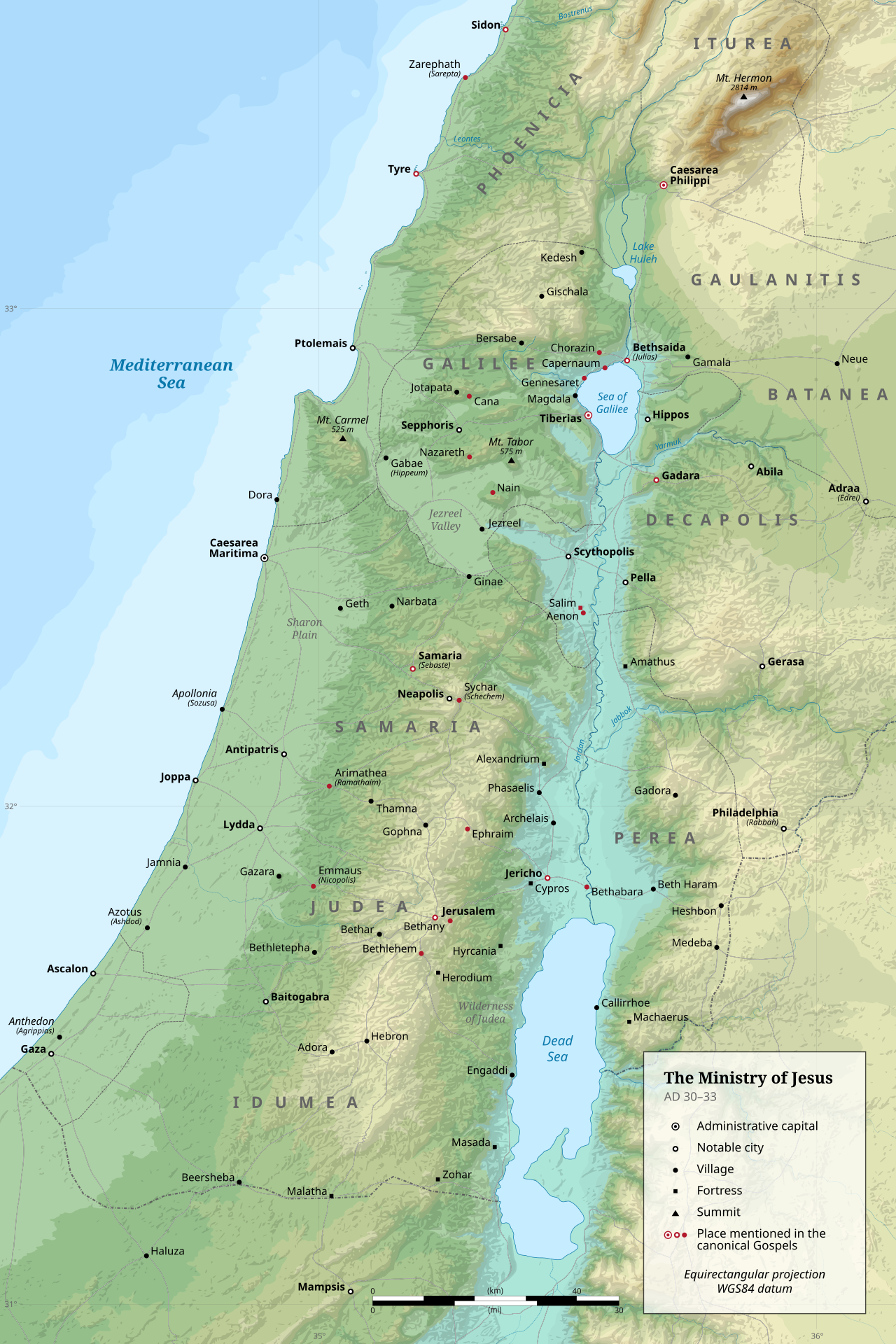
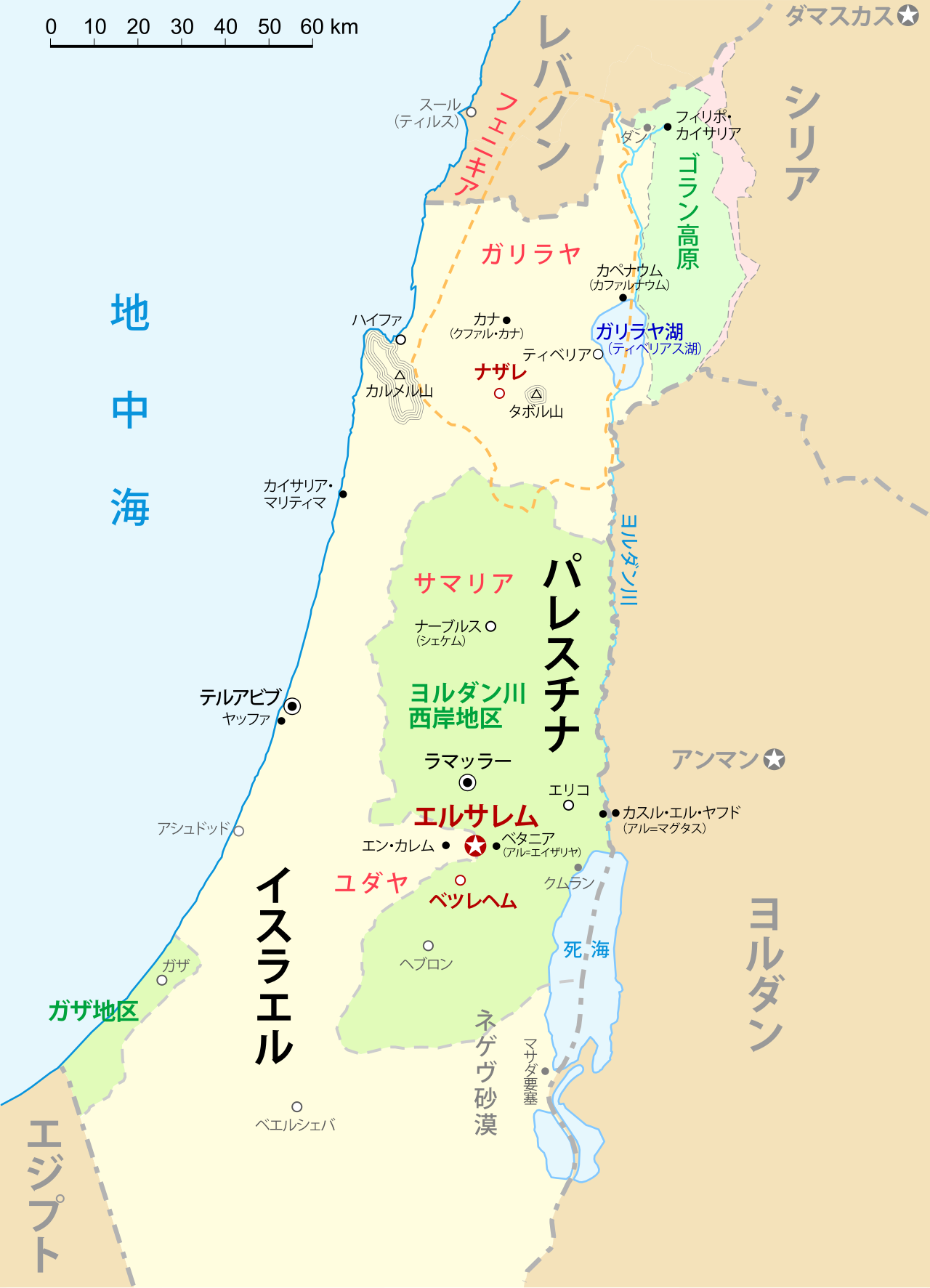
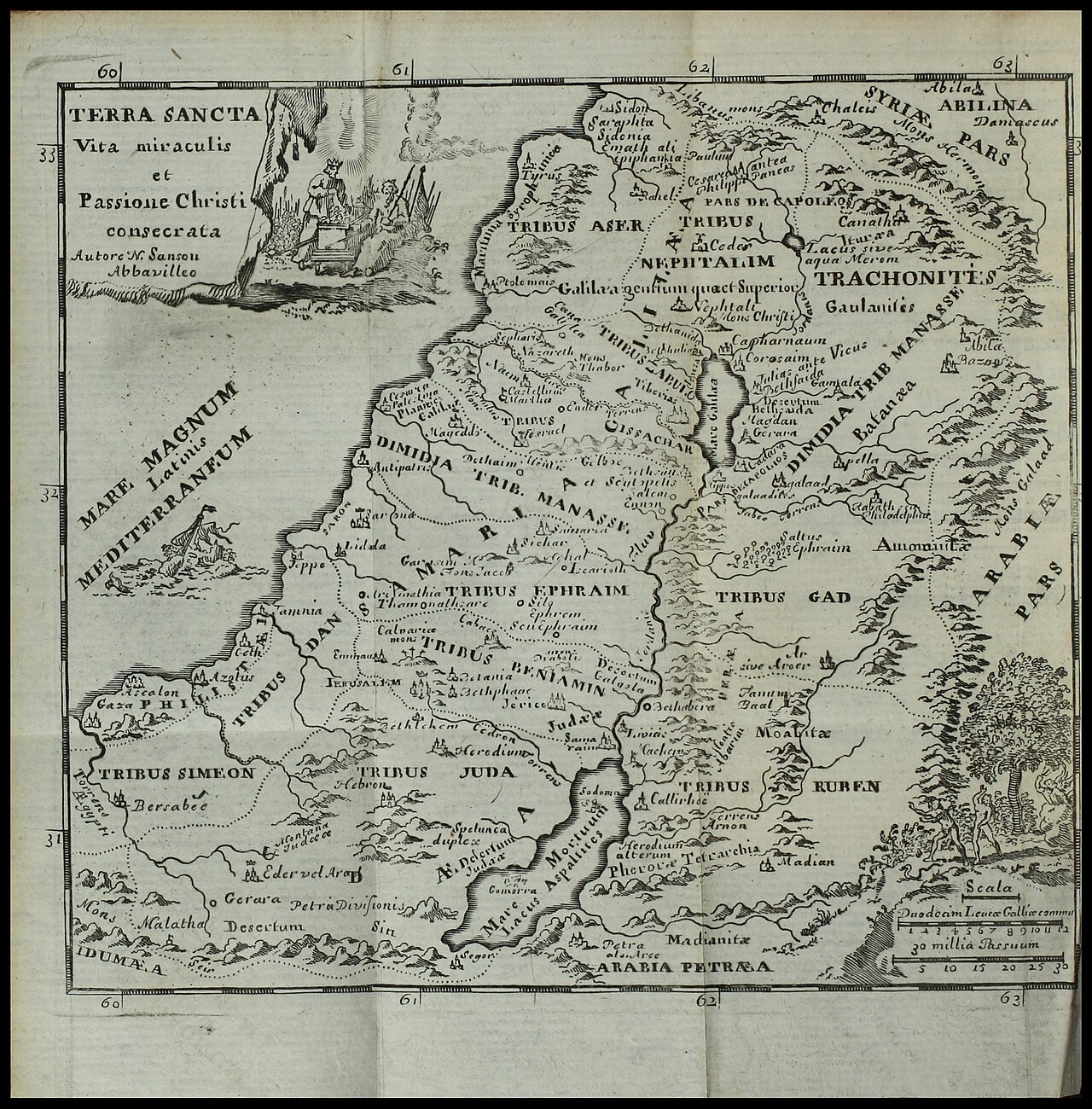
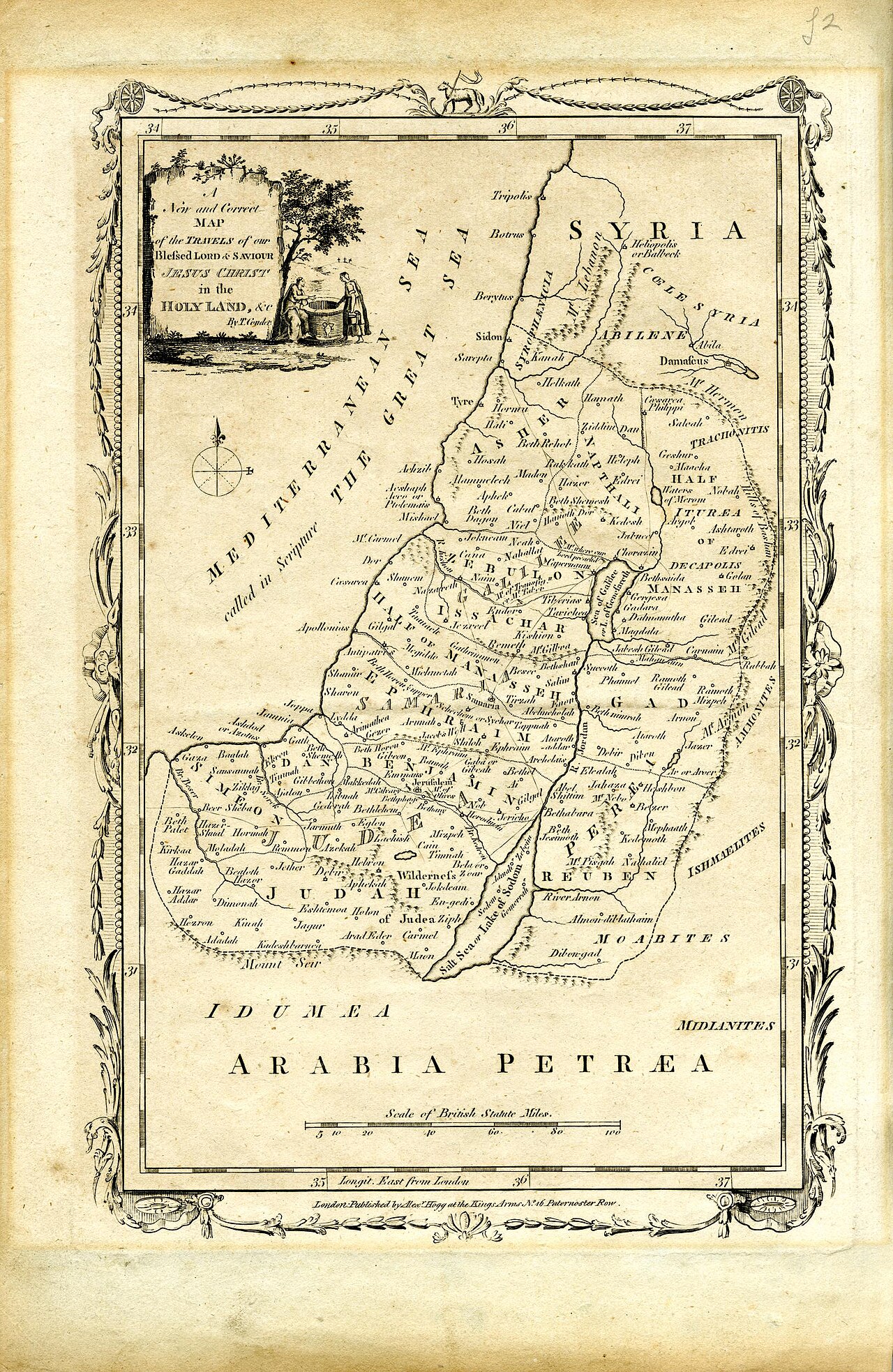
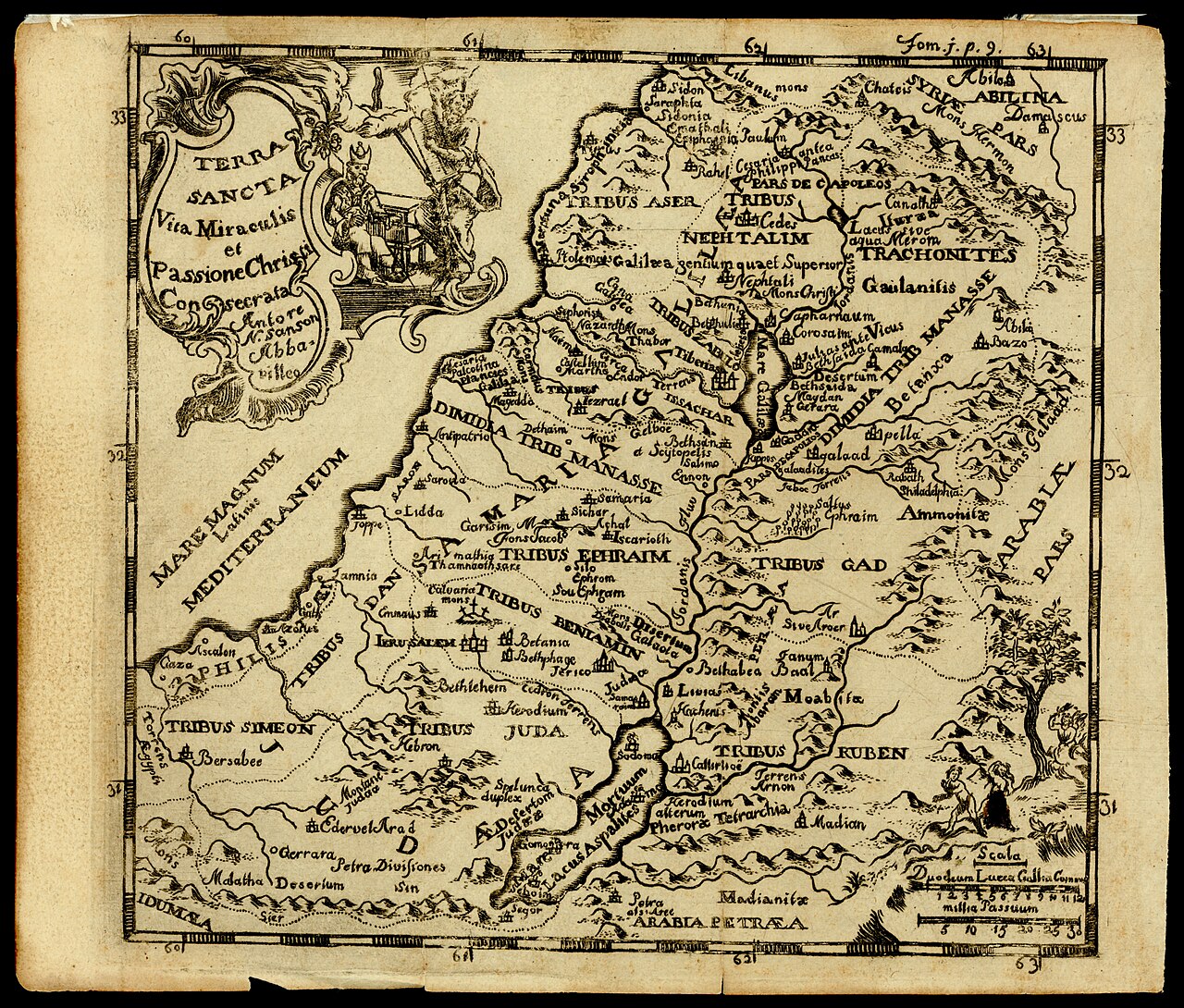
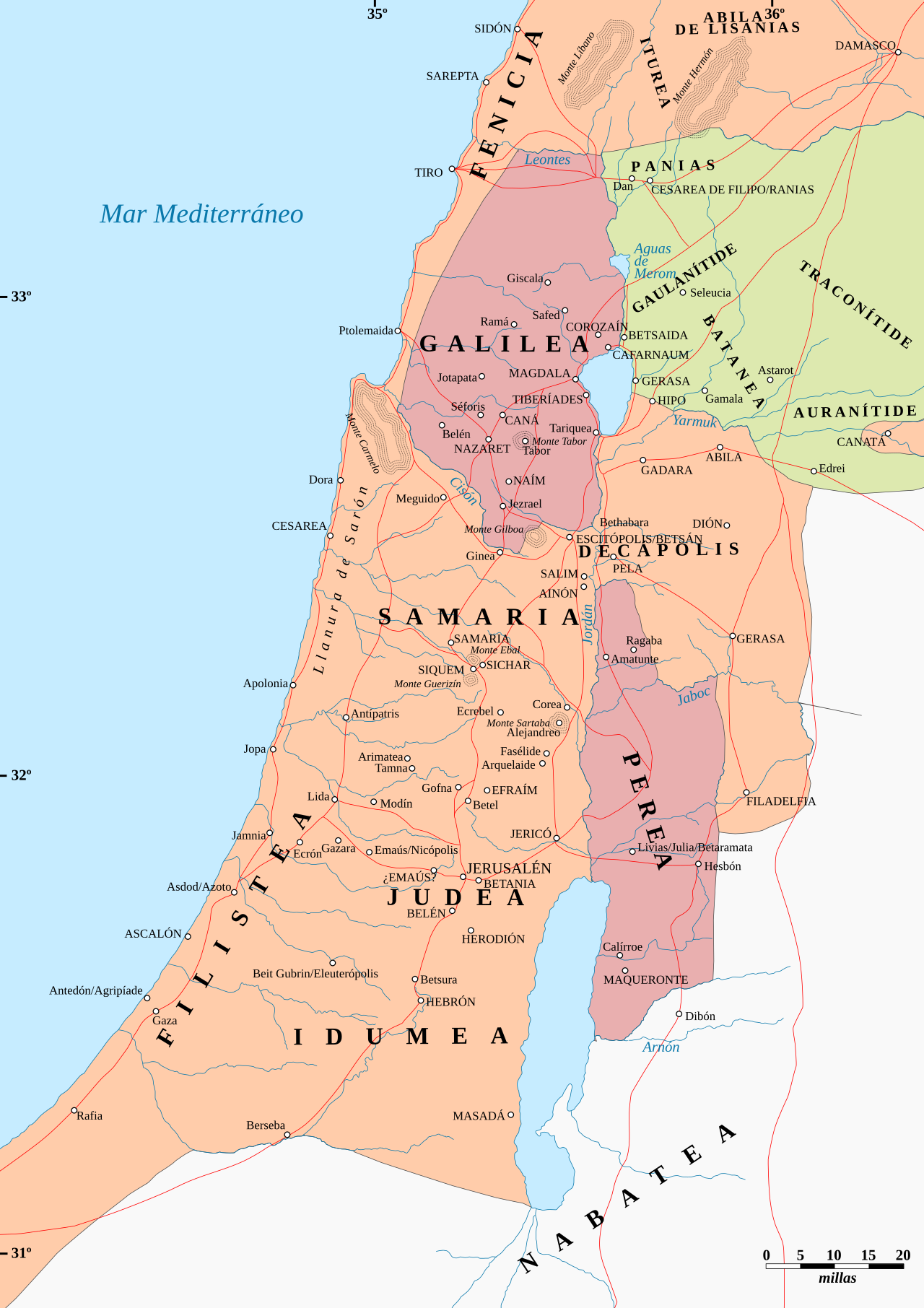
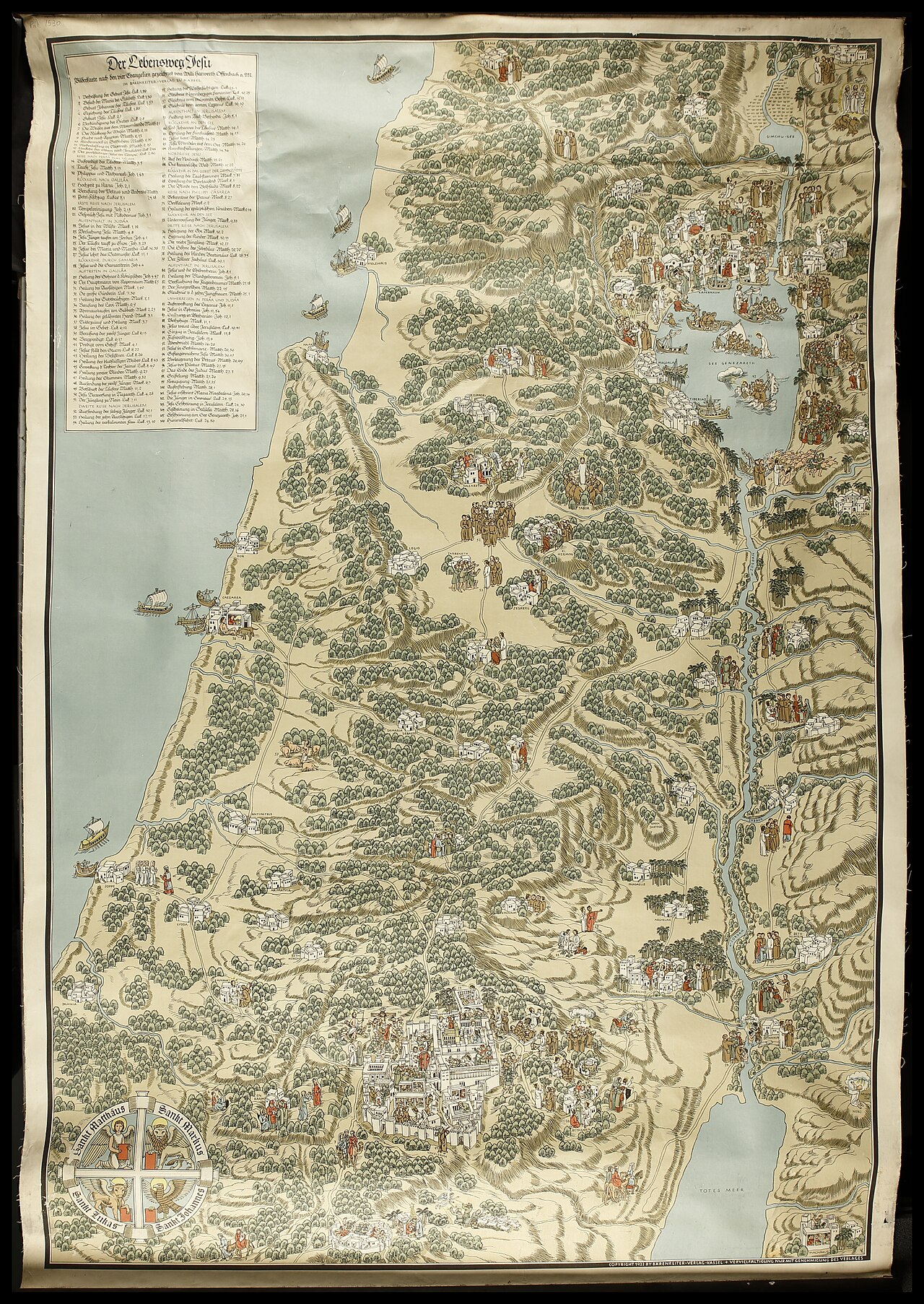
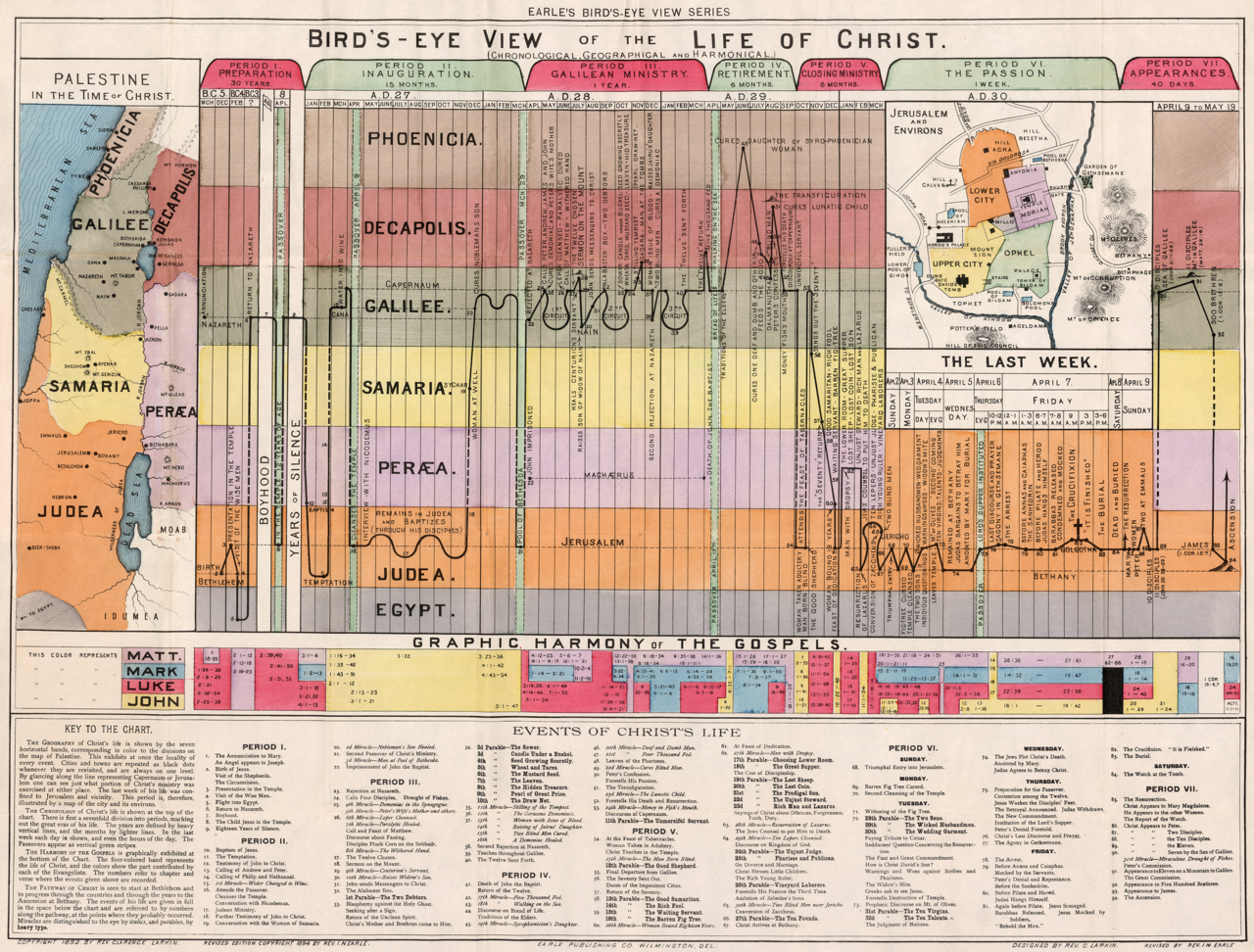
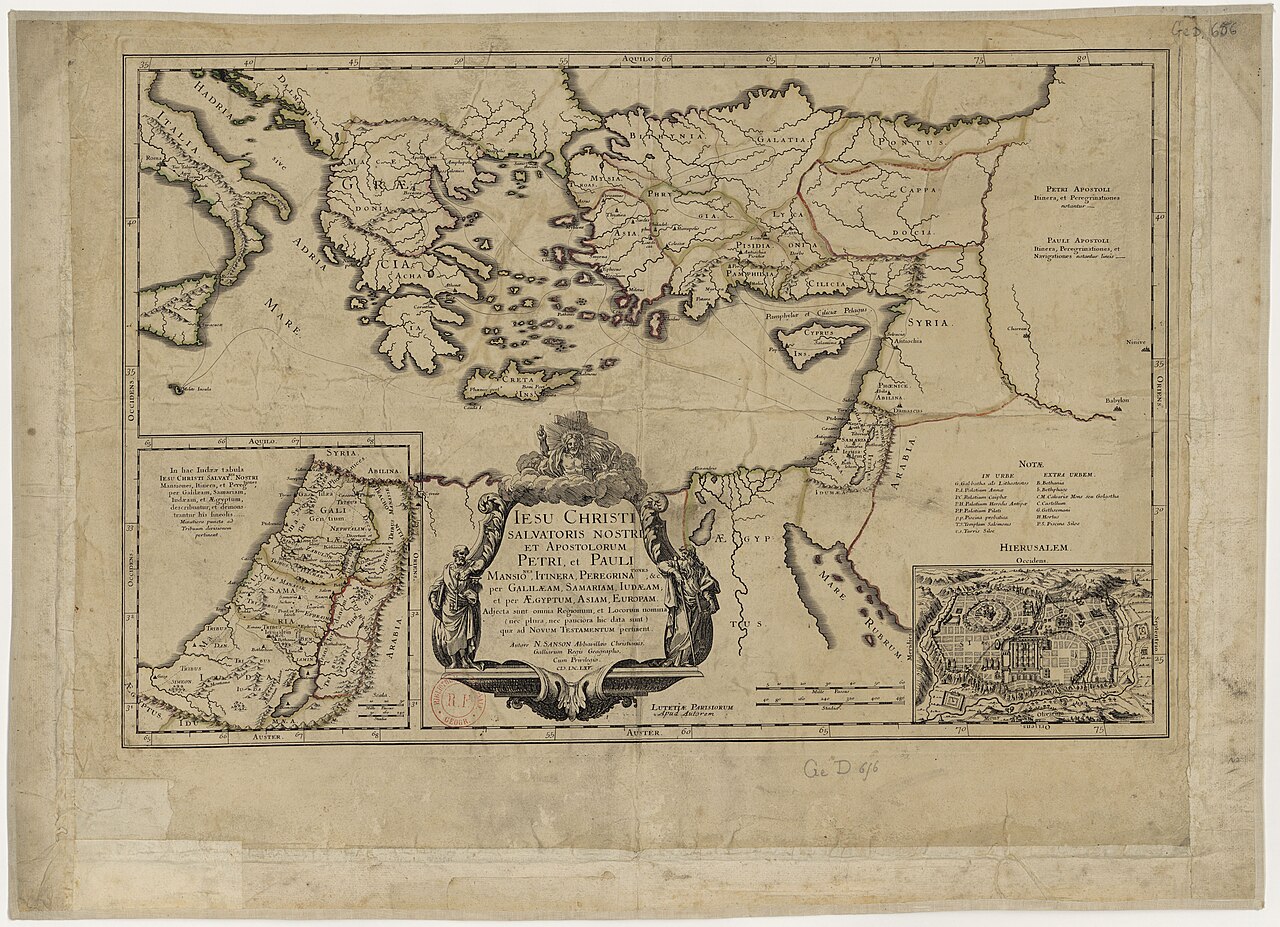
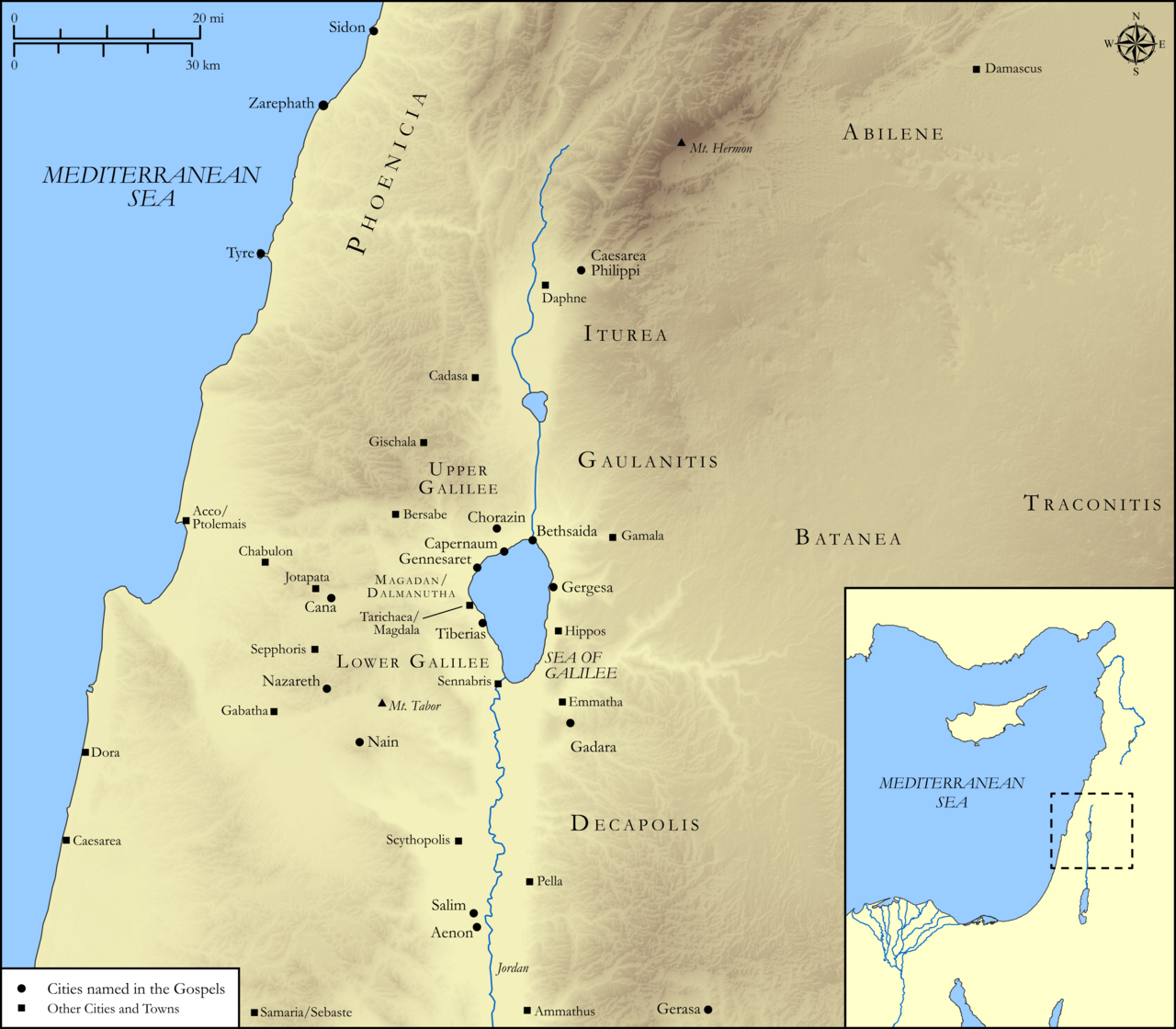
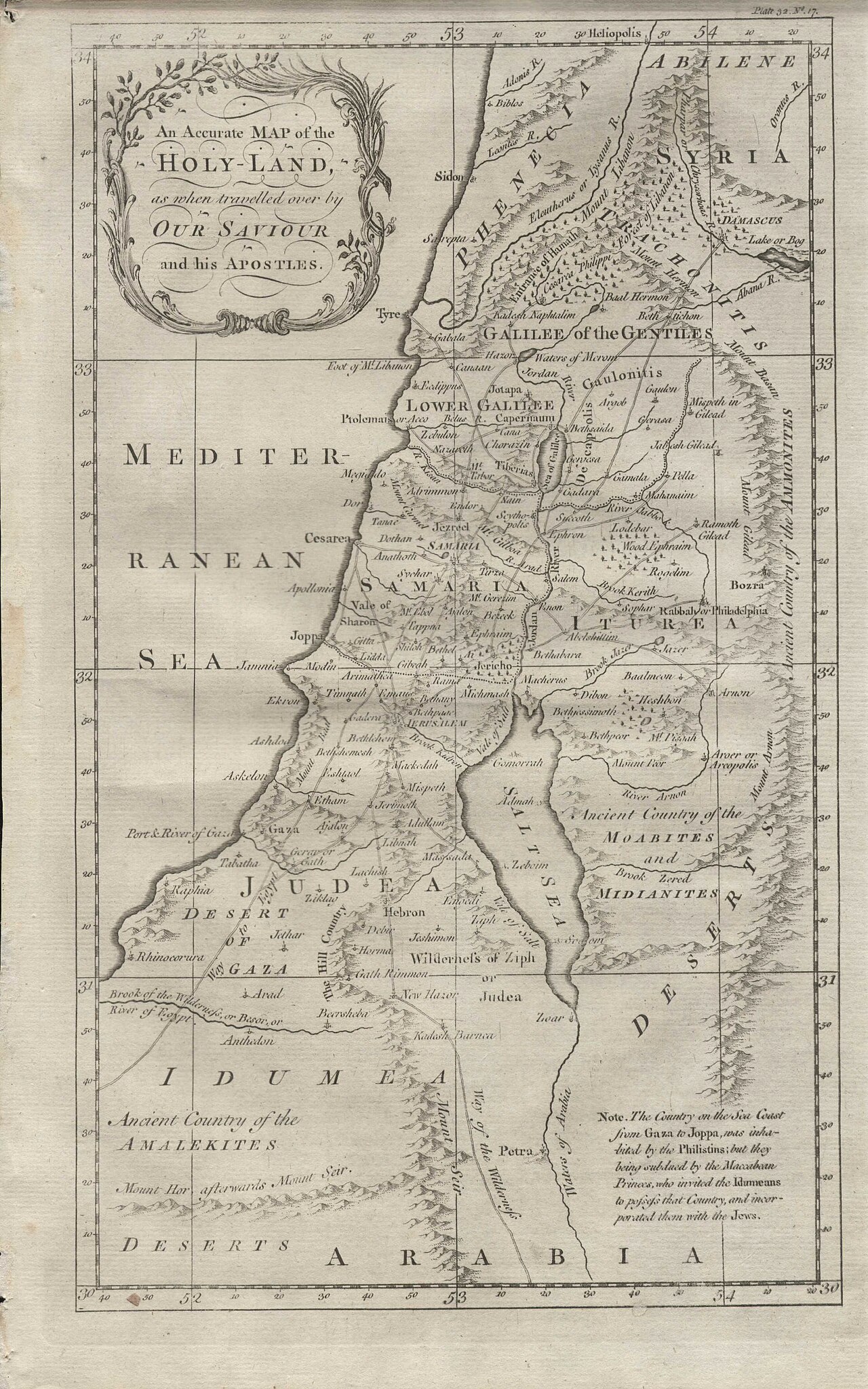
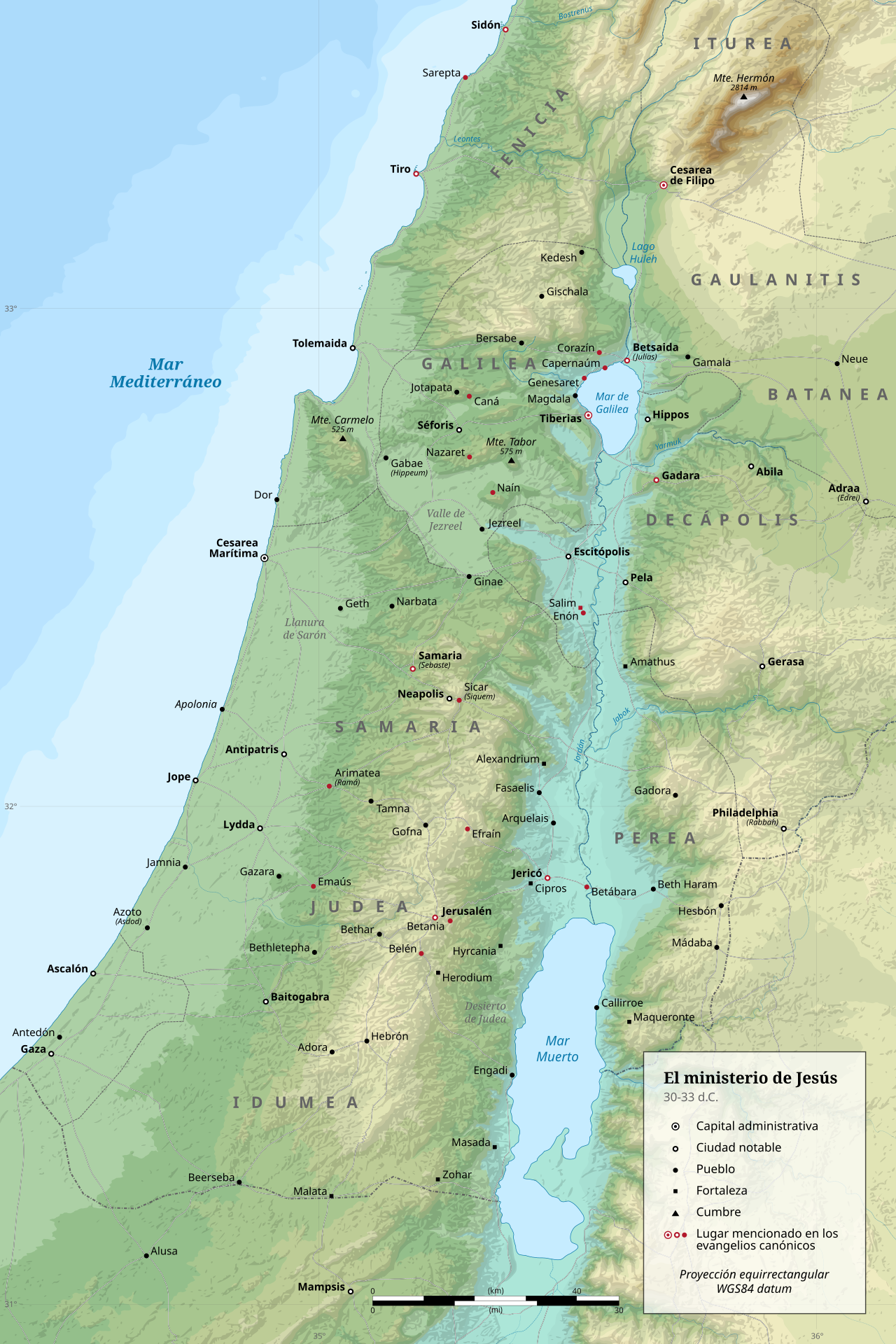
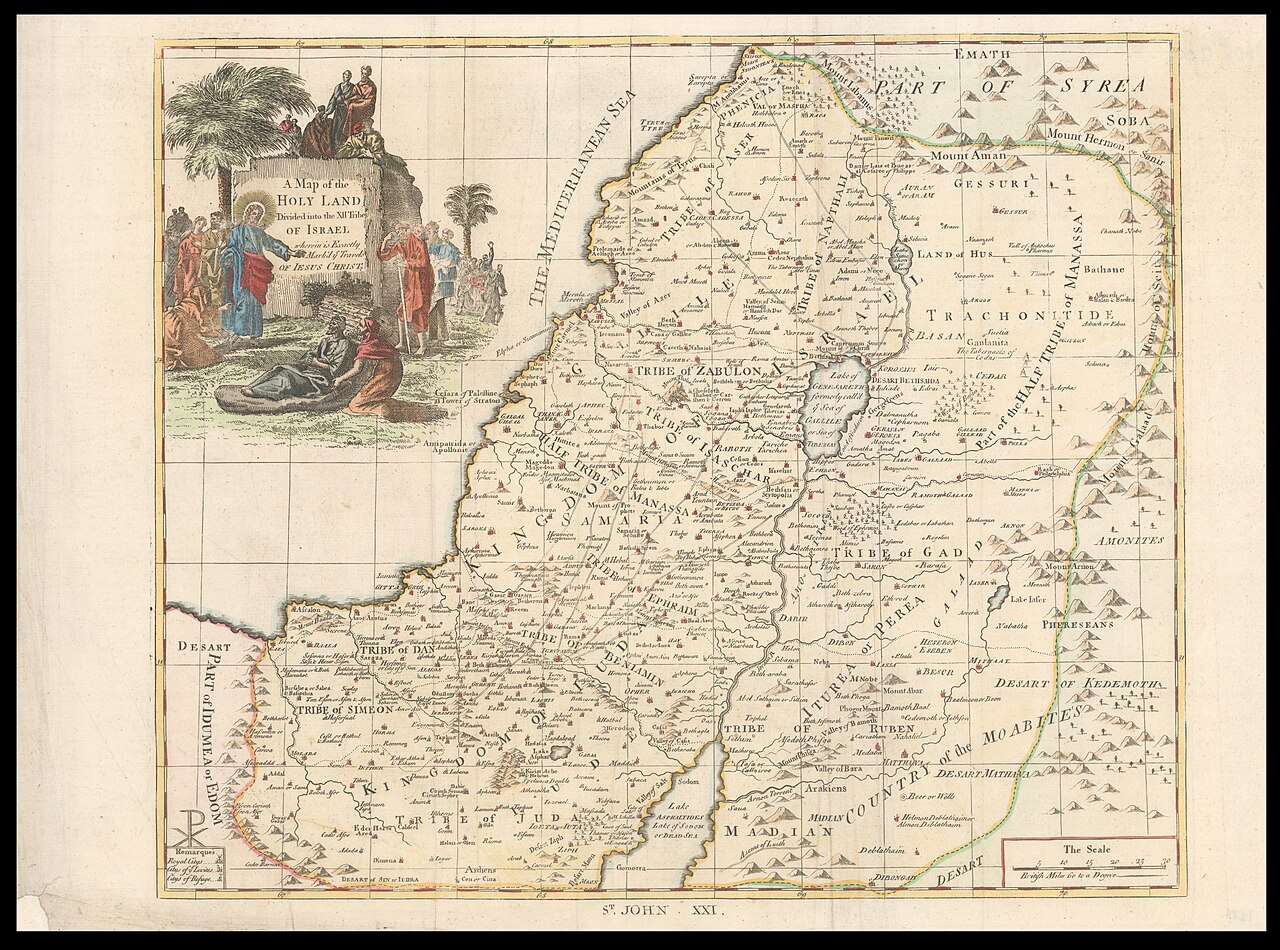
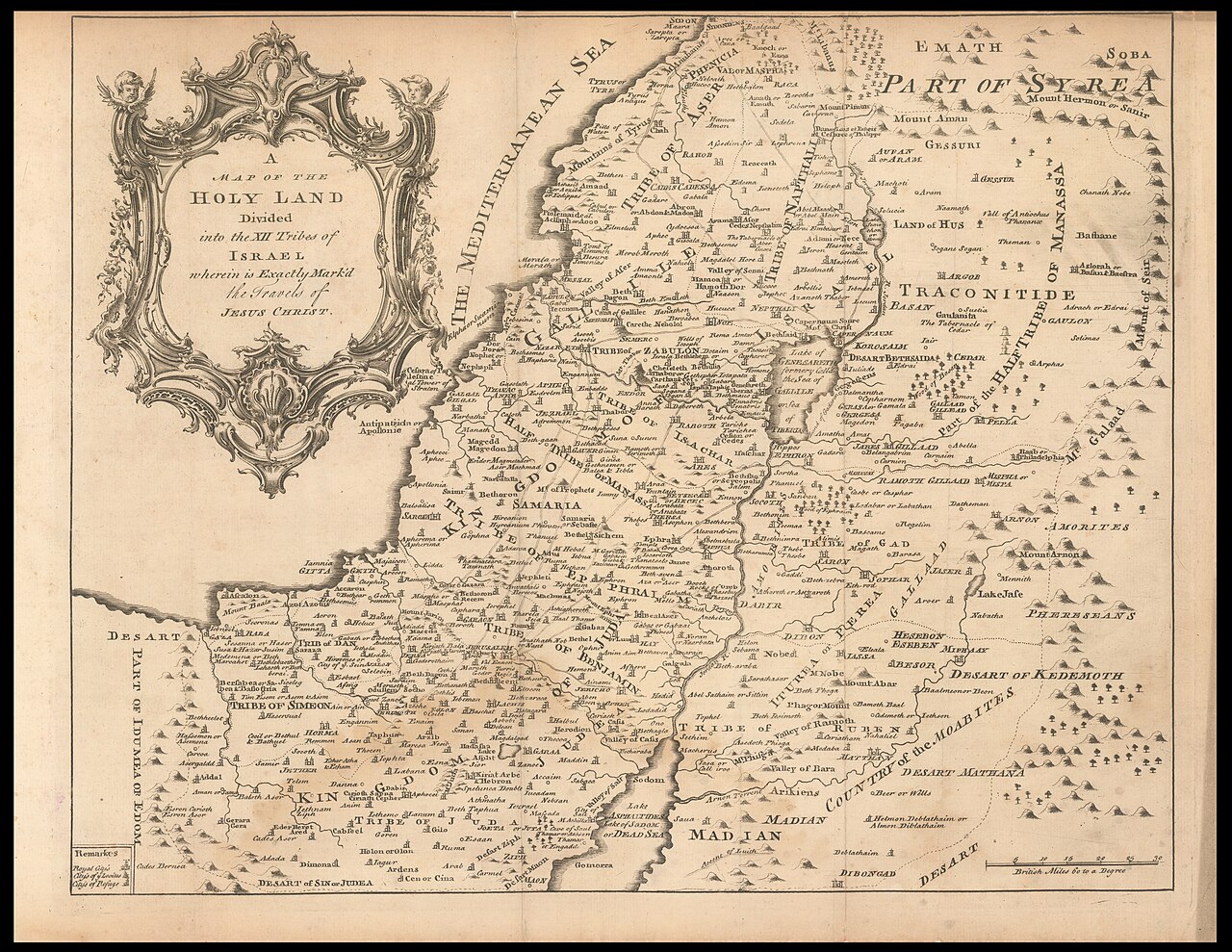
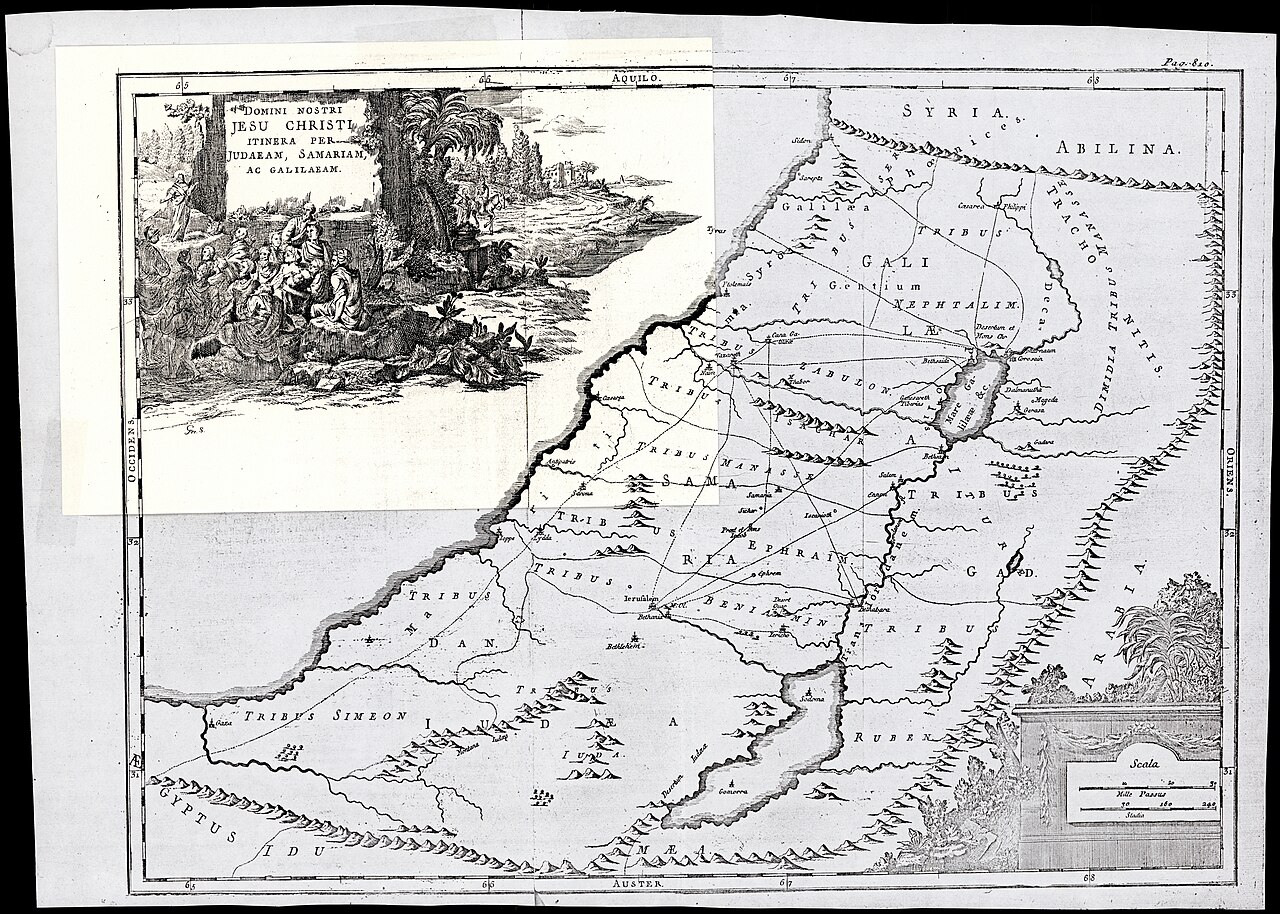
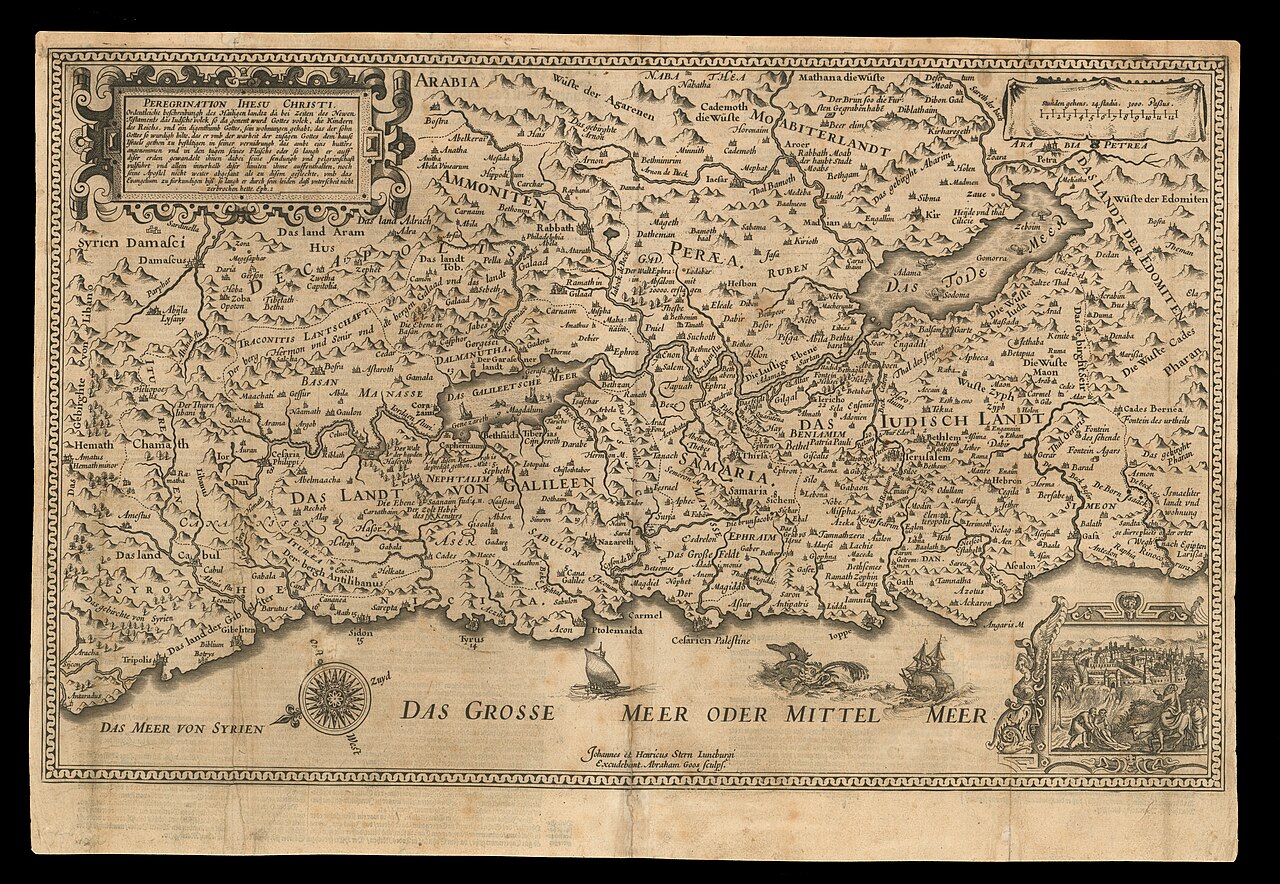
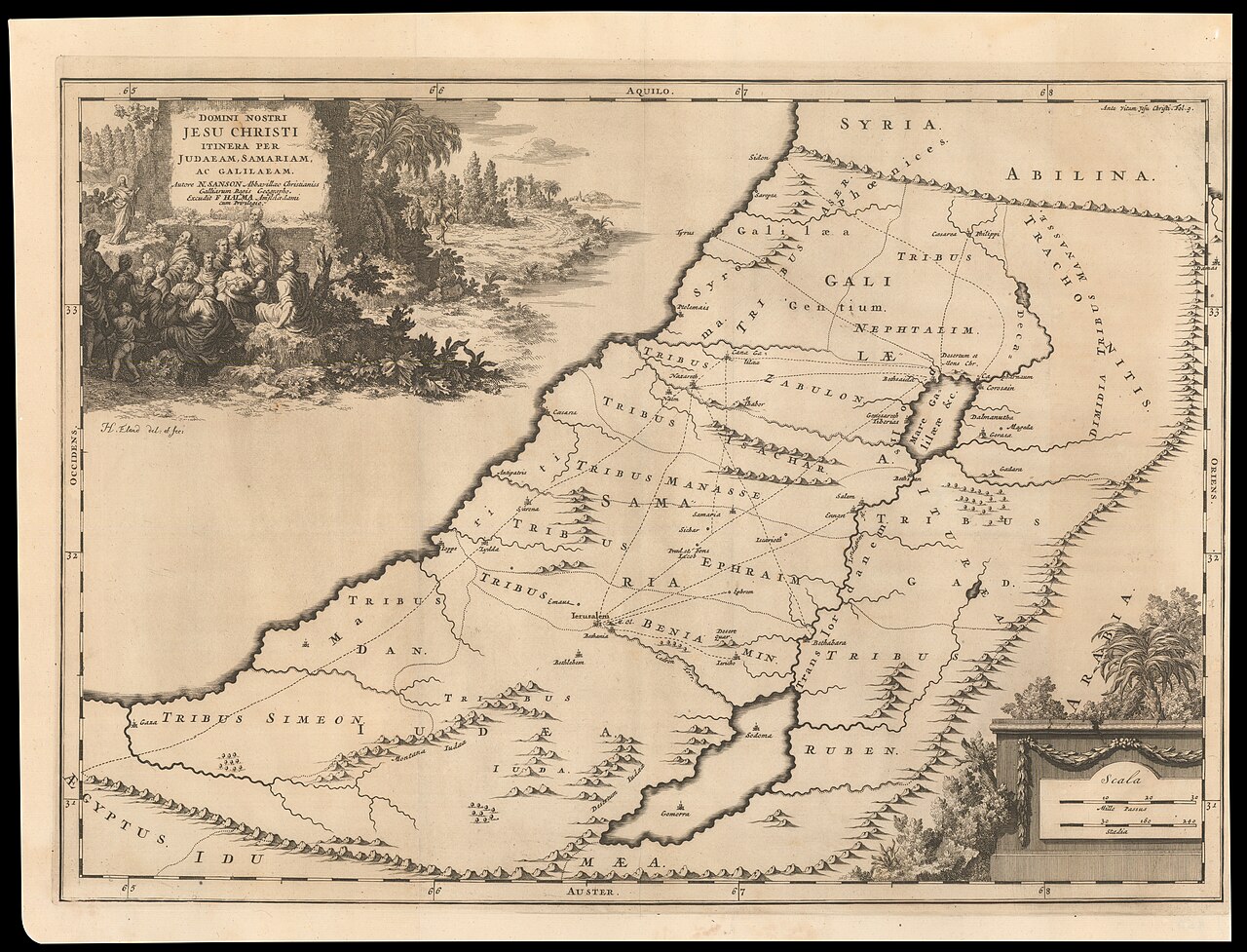
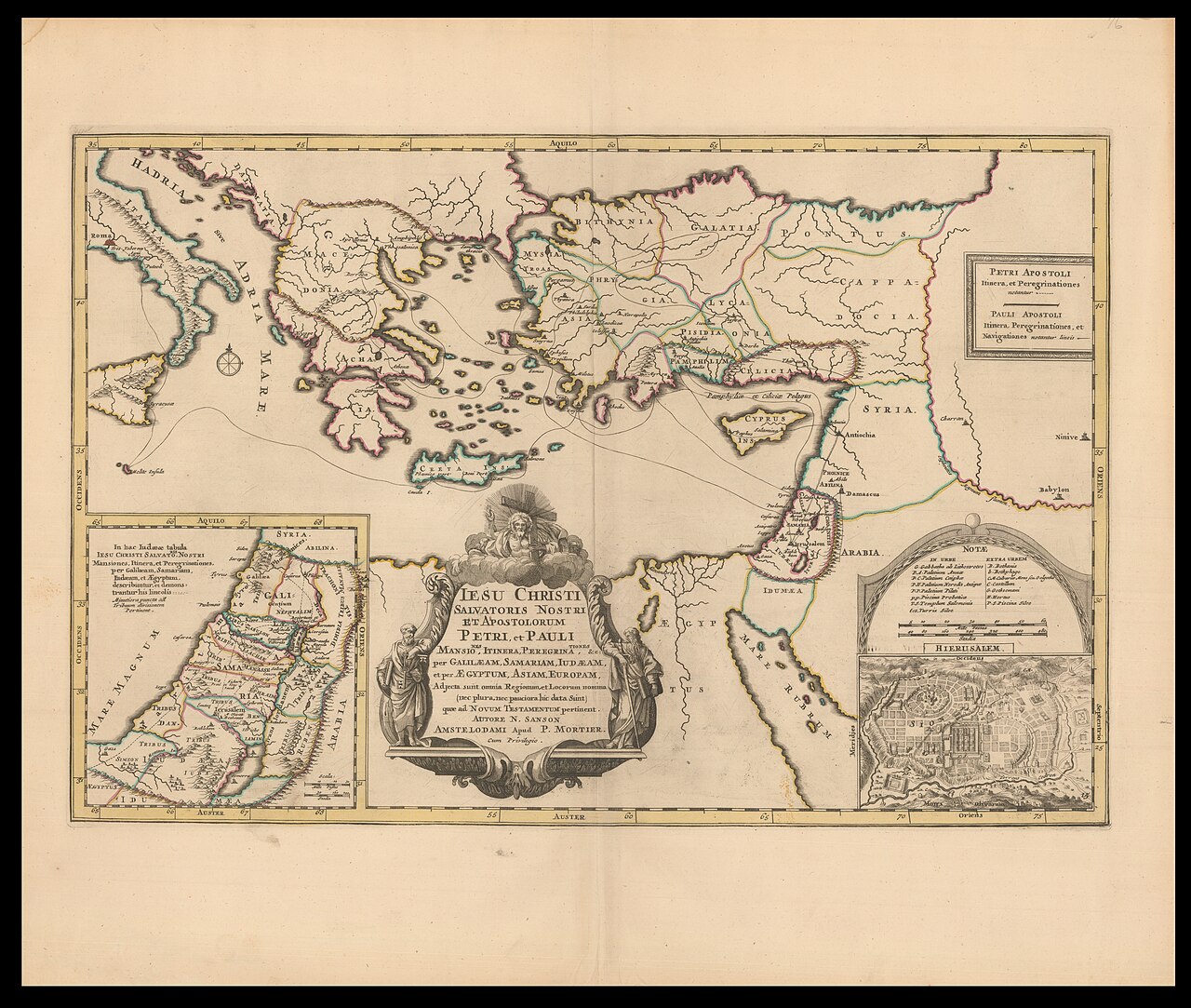
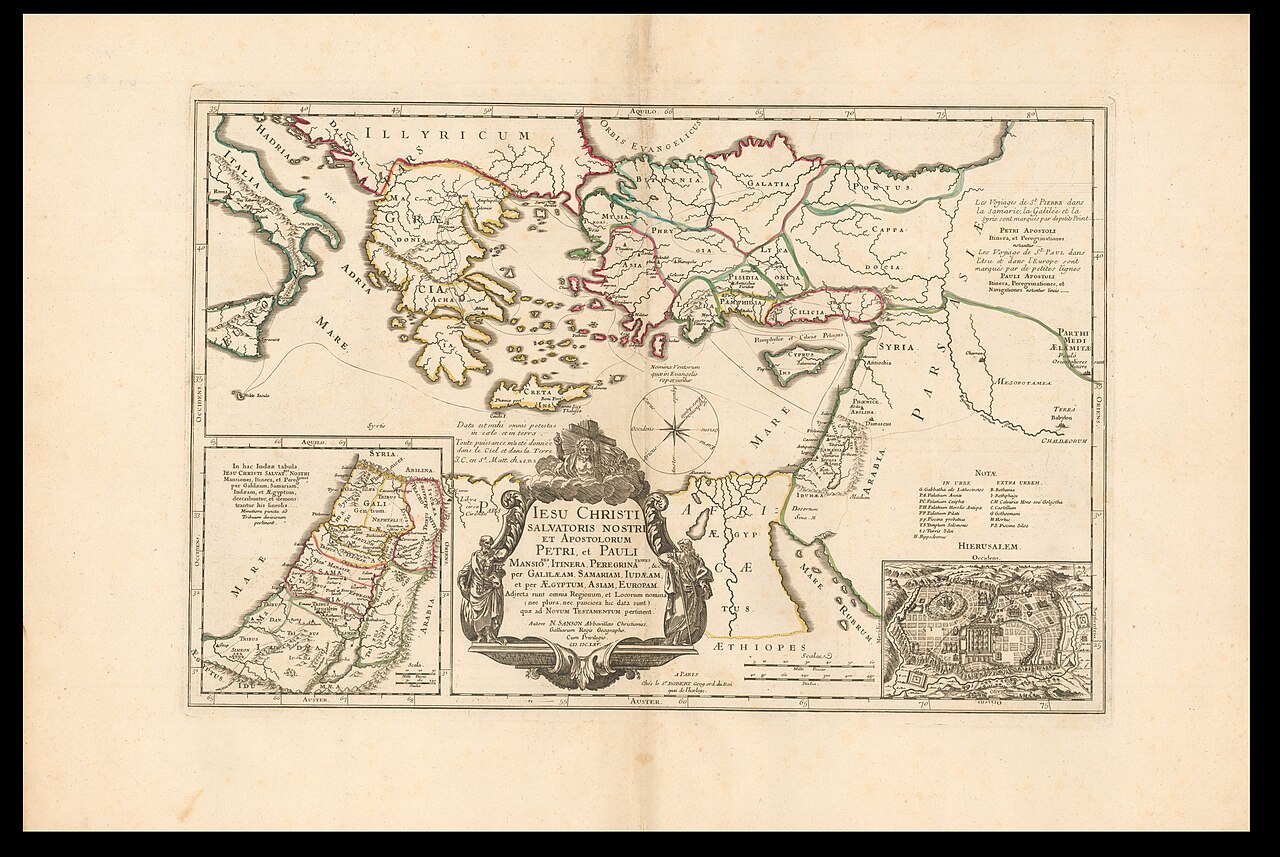
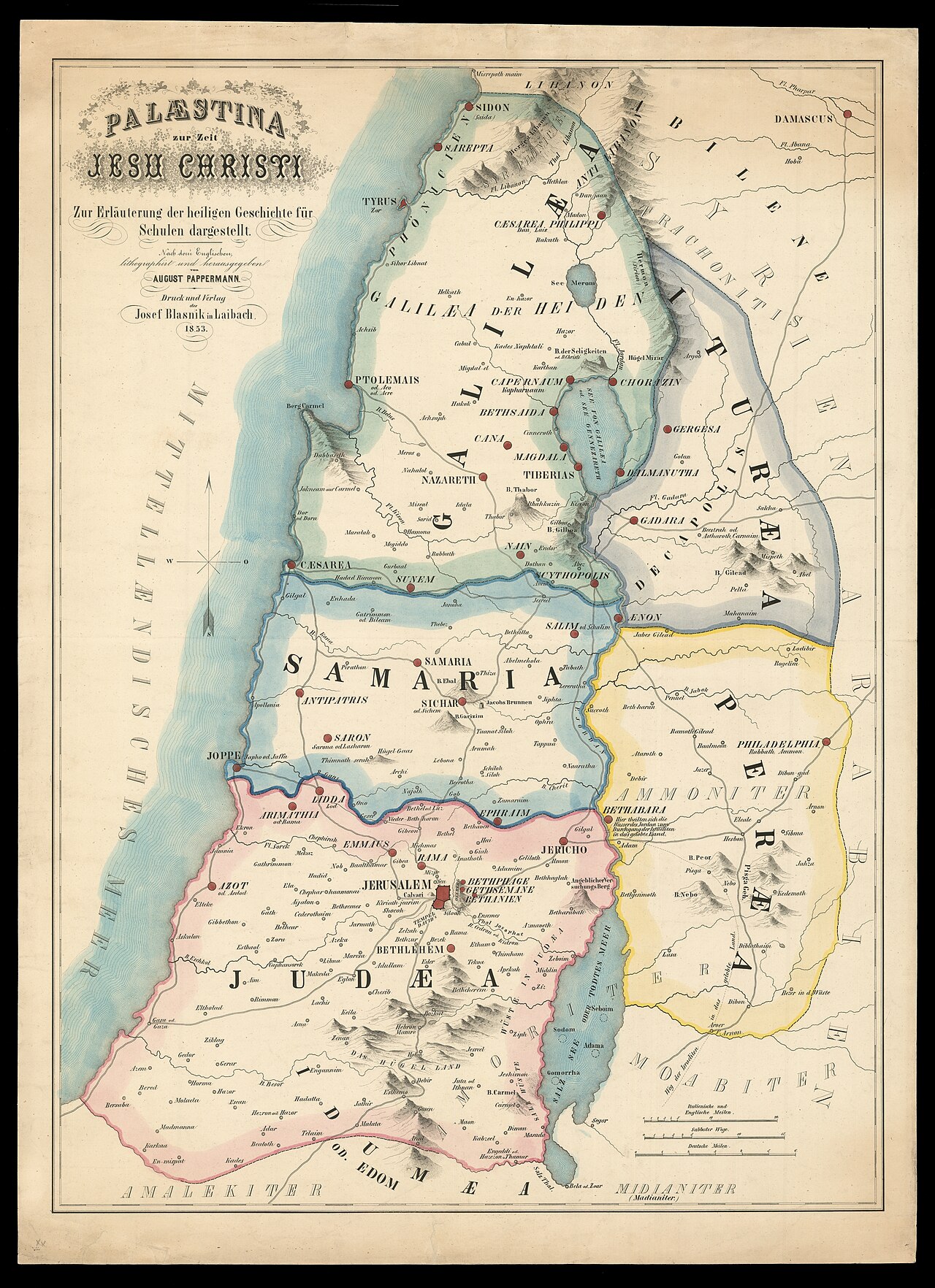
Jesus Christ is the central figure of the Gospels, identified as the Son of God and as the son born to Mary within her marriage to Joseph. His recorded earthly life connects Bethlehem, Nazareth, the communities of Galilee and Jerusalem. The sources combine family notices, public teaching, healing, the gathering of disciples, death and resurrection, while interpreting his identity through the promises of Scripture. Matt 1:18-25 Luke 2:1-7 Mark 1:1-15 (John Baptizes Jesus) (Temptations of Jesus)
The incarnation is presented in John’s prologue through the Logos, or Word, a personal divine subject identified as God and as the agent of creation who becomes human. The prologue’s language of dwelling is interpreted in relation to the sanctuary command for divine dwelling among the people. The Word Made Flesh study John 1:1-18 Exod 25:8-9
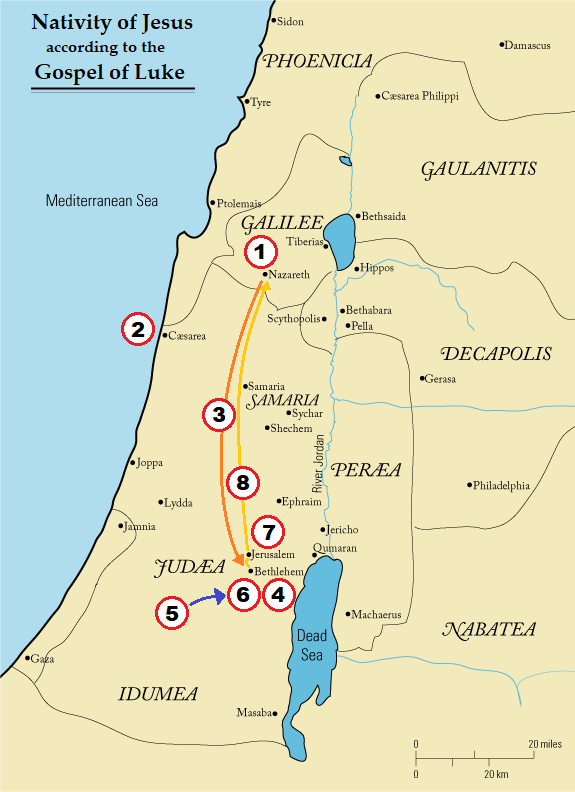
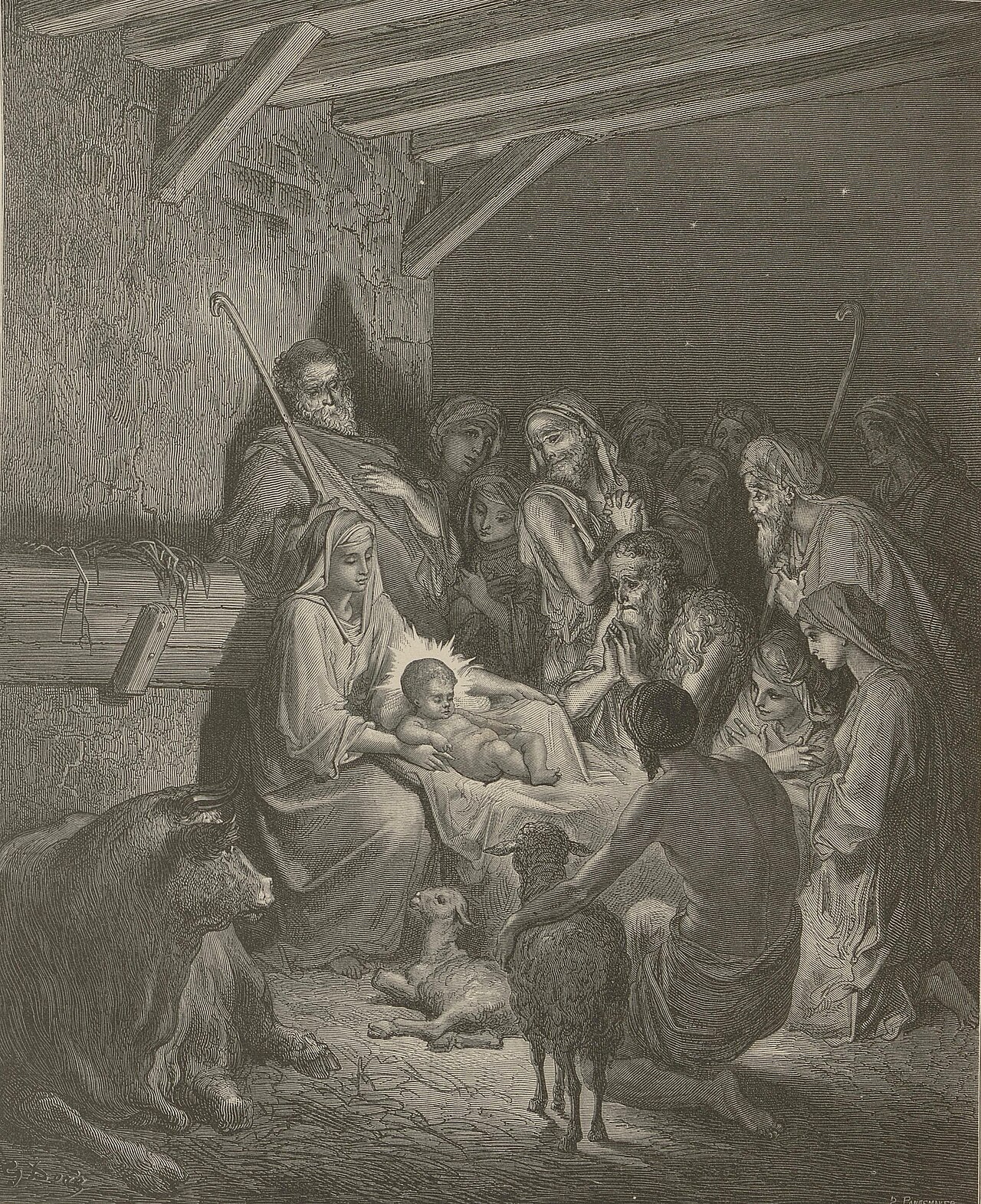
The birth accounts name Gabriel, Mary and Joseph. The announcement promises Davidic rule over the house of Jacob, attributes the conception to the Holy Spirit, and mentions Mary’s relative Elisabeth. Joseph takes Mary as wife and names the child; Luke qualifies the public assumption that Jesus is his son. Matthew interprets the birth through Isaiah’s Emmanuel prophecy. These passages provide the human household and the theological account of conception together. Luke 1:26-38 Matt 1:18-25 Luke 3:23 Isa 7:14 (The Annuciation)
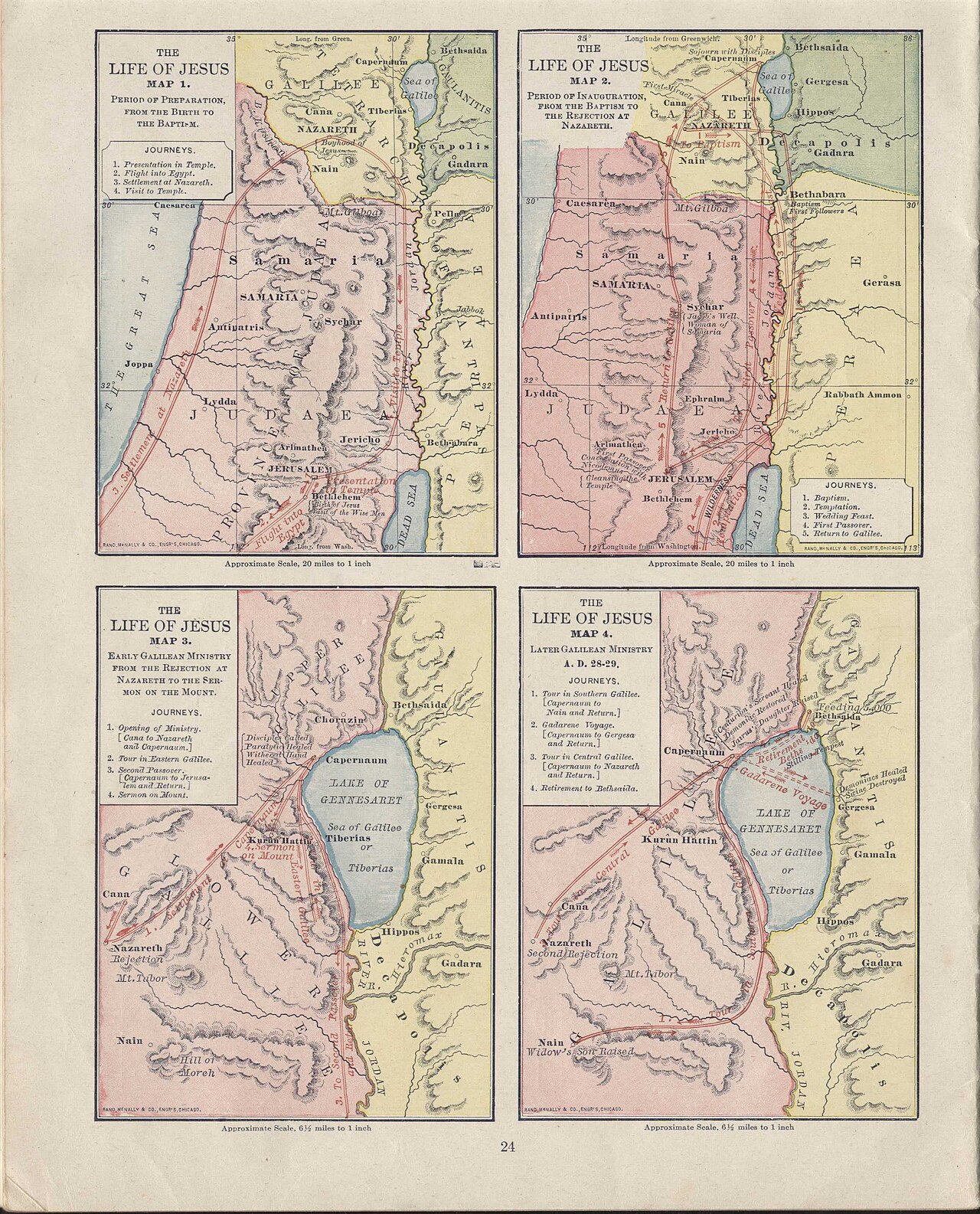
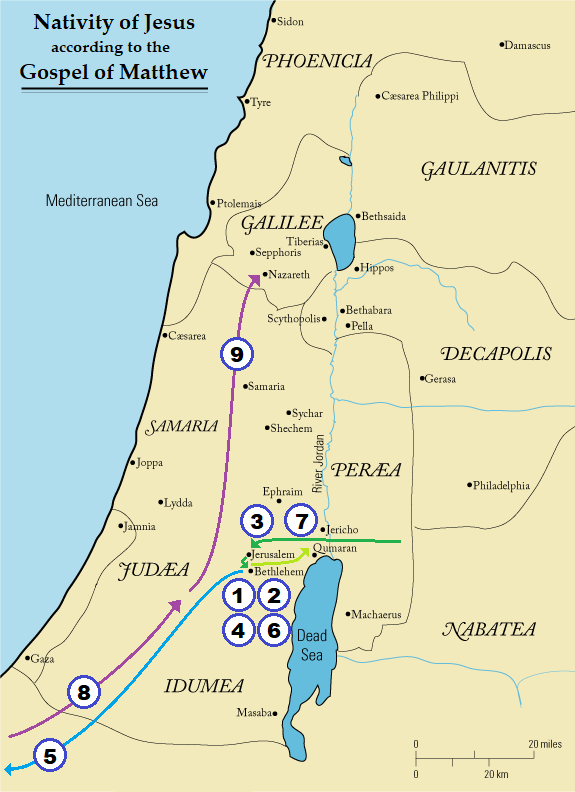
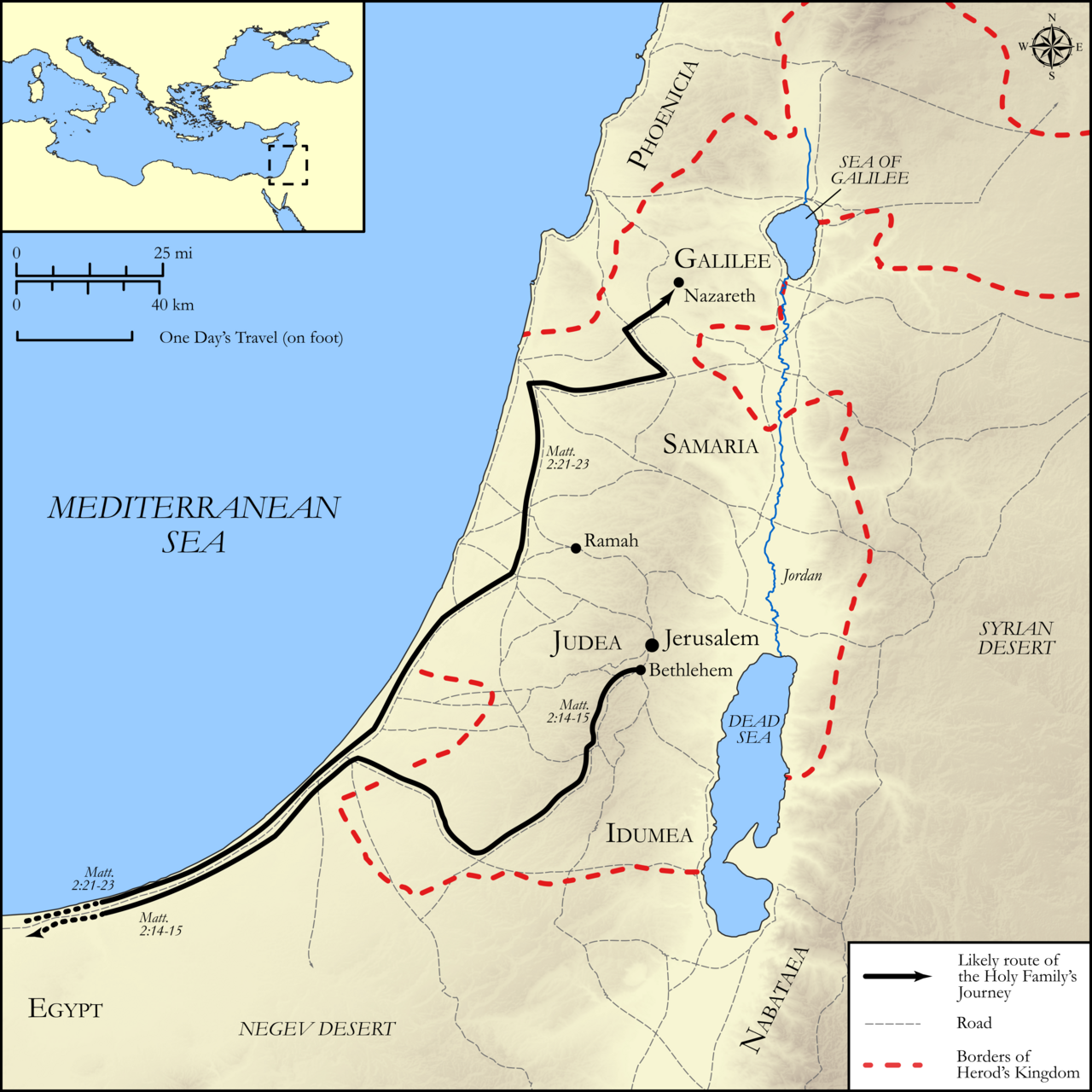
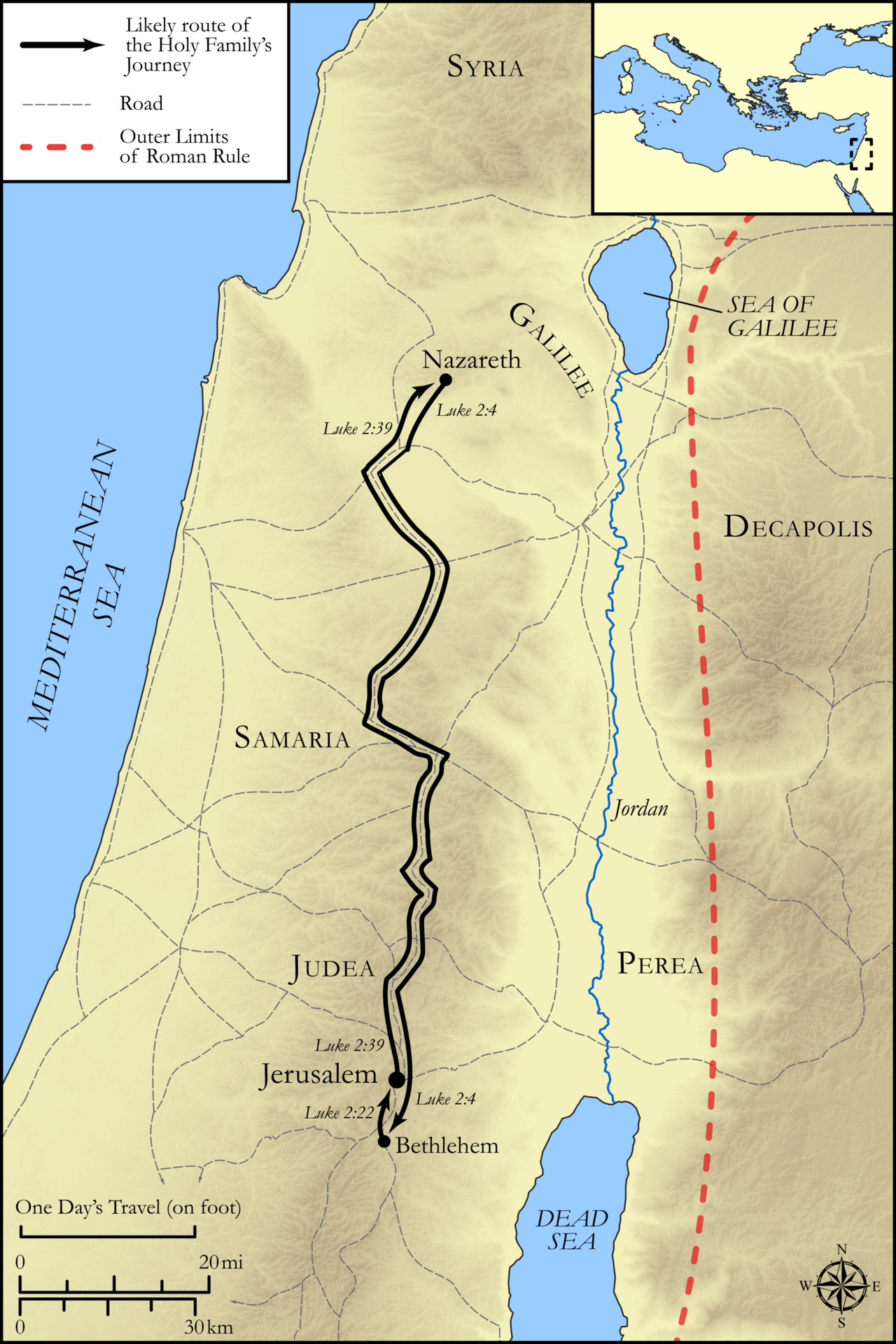
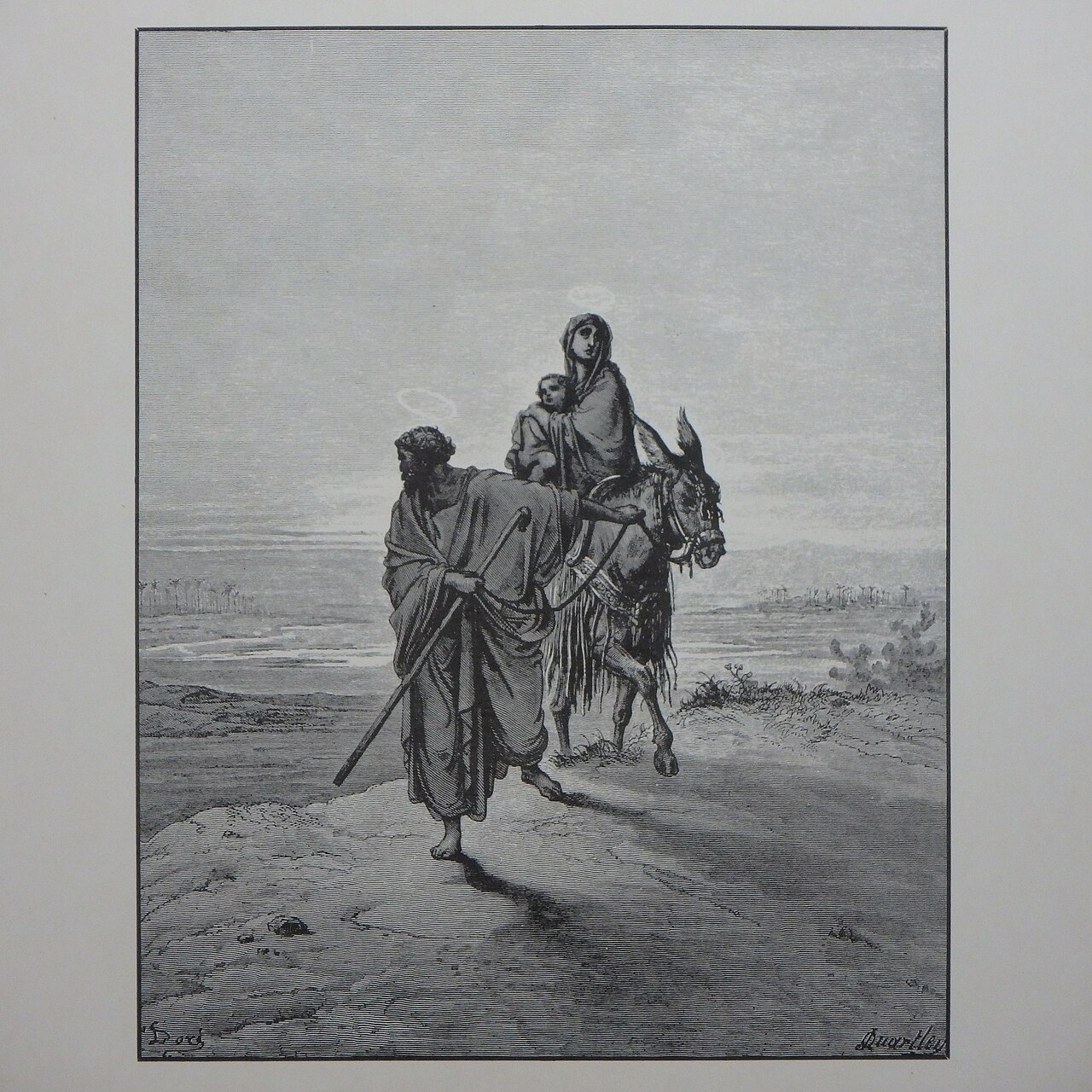
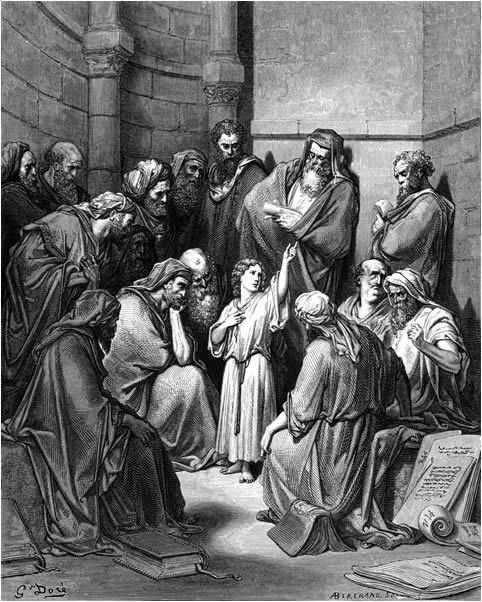
The registration notice places the birth in Bethlehem under Caesar Augustus and names Cyrenius. The presentation in Jerusalem brings the family into contact with Simeon and the prophetess Anna, daughter of Phanuel. Matthew records refuge in Egypt during Herod’s threat and settlement in Nazareth after his death, with Archelaus’ rule affecting the return. The childhood record also preserves the temple visit at twelve and subsequent growth within the household. At Nazareth, the local account calls him a carpenter and names his mother Mary, brothers James, Joses, Juda and Simon, and unnamed sisters. Luke 2:1-7 Luke 2:21-52 Matt 2:13-23 Mark 6:1-6 (Birth of Jesus) (Temple Presentation of Jesus) (Joseph and Mary Flee to Egypt) (Joseph and Mary return to Nazareth) (Jesus as a child in the Temple)
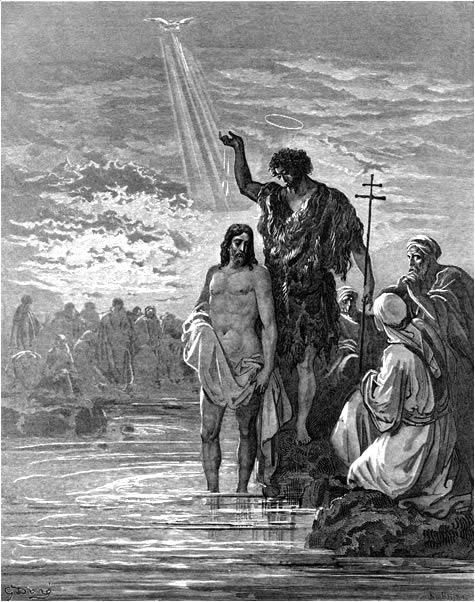
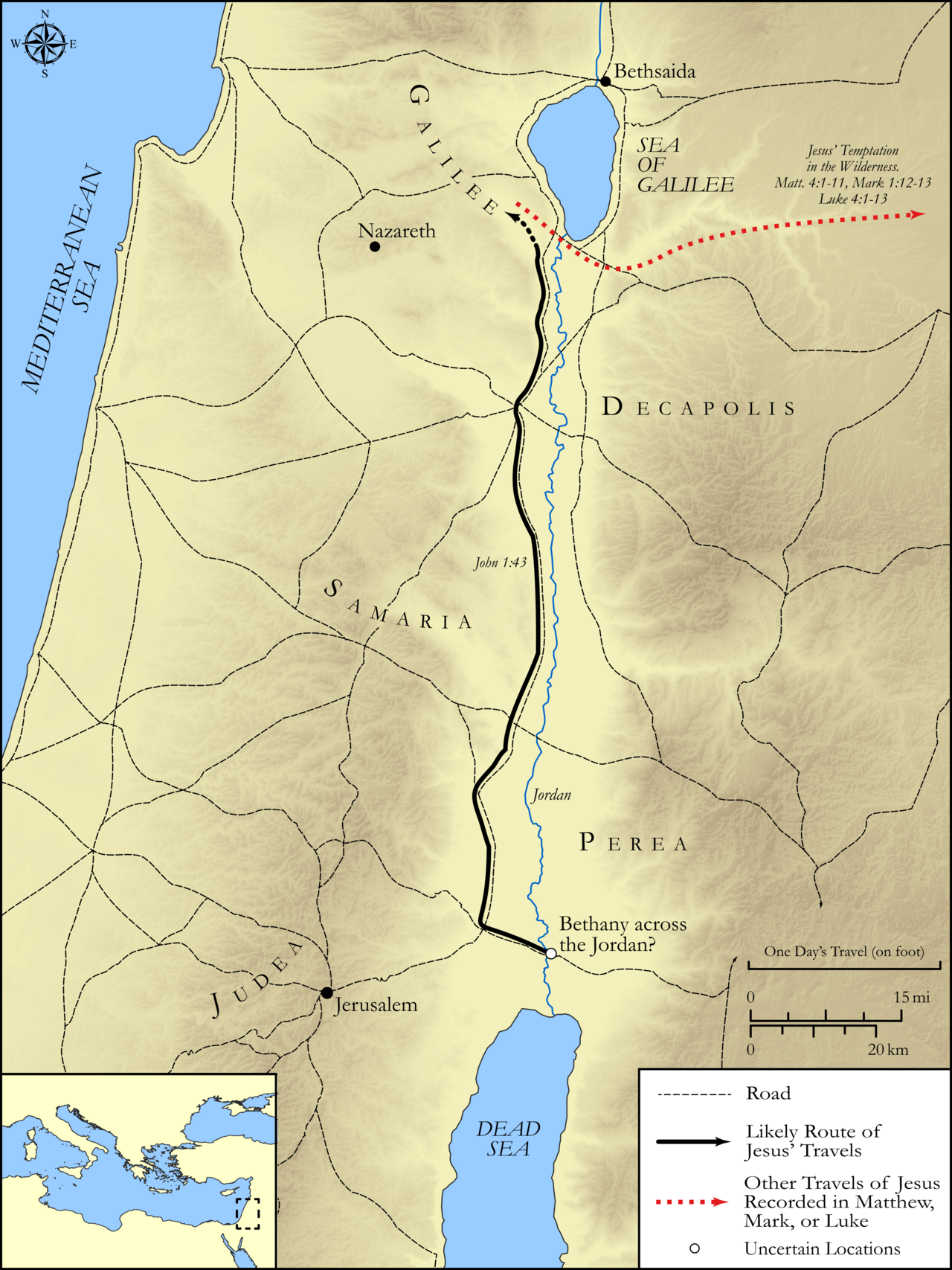
The political framework of the public ministry is supplied through John the Baptist, son of Zacharias. Luke places his activity in the fifteenth year of Tiberius, naming Pontius Pilate, Herod, the tetrarch Philip, Lysanias, Annas and Caiaphas. Luke gives Jesus’ age at the beginning of public ministry as about thirty. Jesus’ baptism by John the Baptist, the heavenly declaration of sonship, the descent of the Spirit, and the wilderness temptation by Satan introduce the proclamation of the approaching kingdom and the call to repentance and faith. Luke 3:1-6 Luke 3:23 Mark 1:1-15
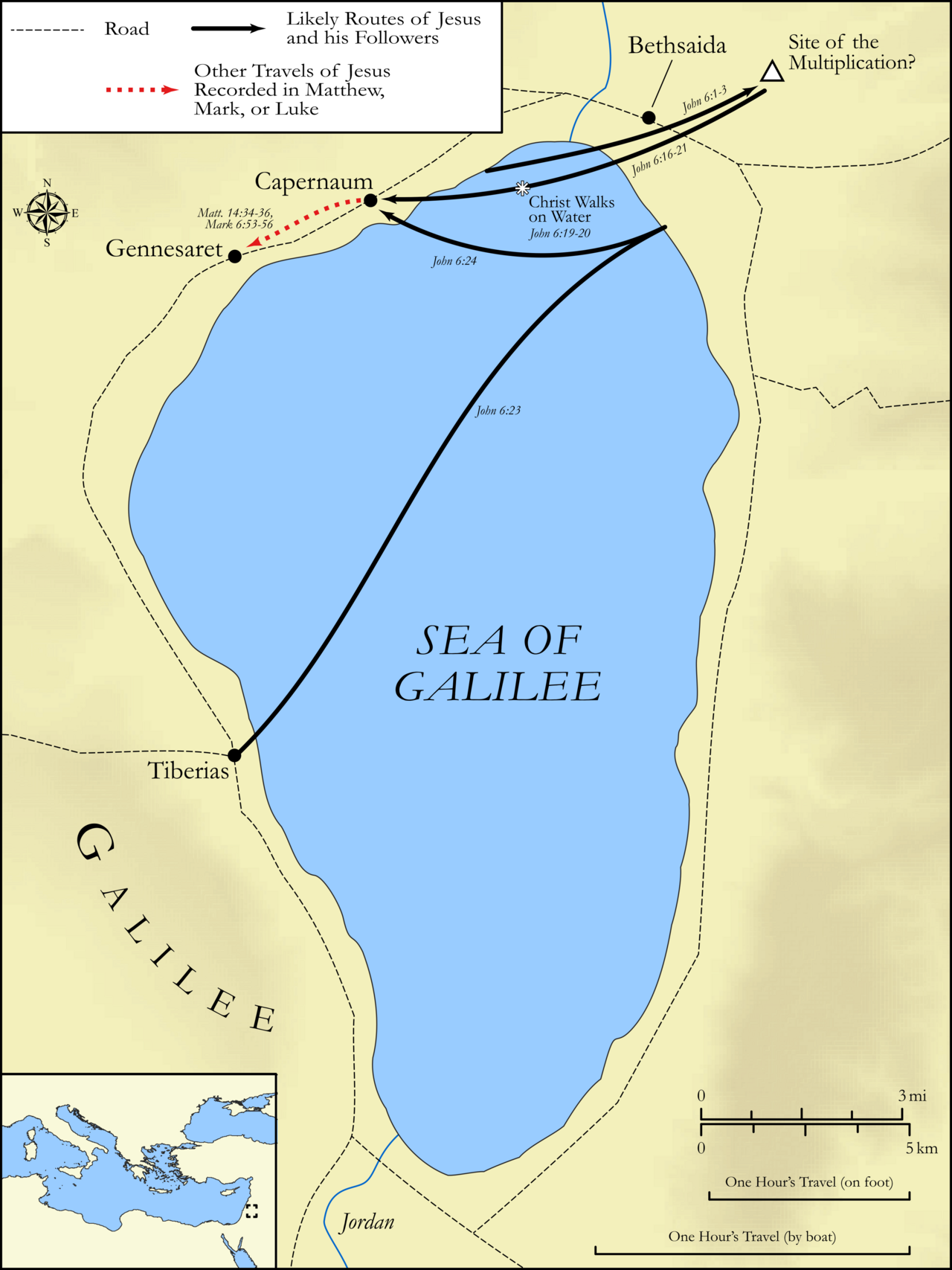
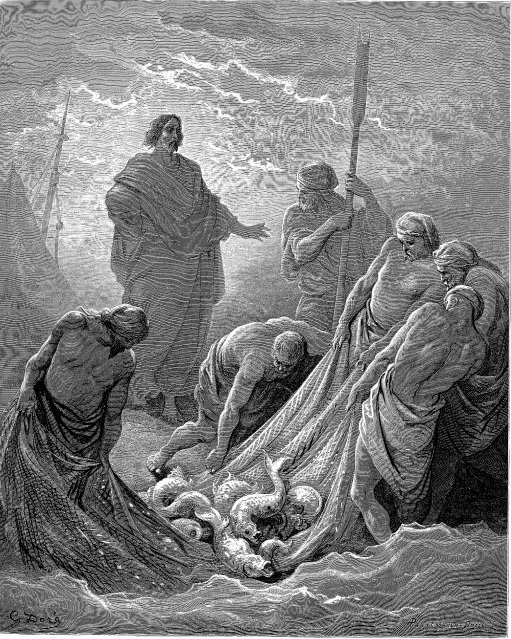
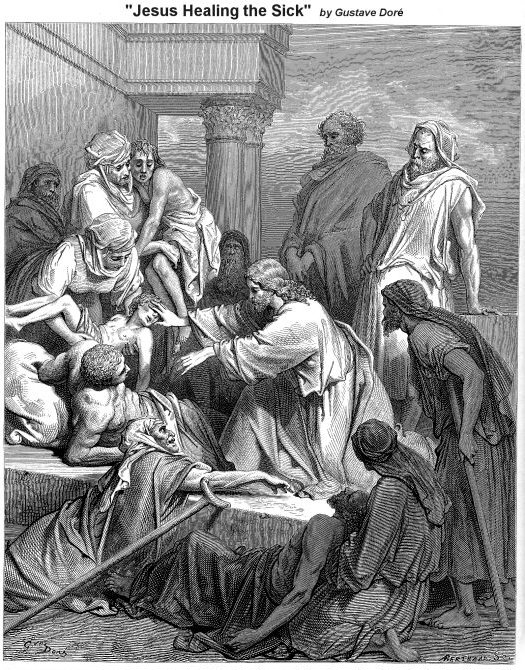
The disciple group is a named community commissioned for proclamation and deliverance. Mark lists Simon Peter, the brothers James and John (sons of Zebedee), Andrew, Philip, Bartholomew, Matthew, Thomas, James son of Alphaeus, Thaddaeus, Simon the Zealot and Judas Iscariot. The call of Levi, son of Alphaeus, also associates the ministry with a tax office and meals shared with tax collectors. In Capernaum, the house of Simon Peter and Andrew and the synagogue provide domestic and public settings for healing and instruction. Mark 3:13-19 Mark 2:13-17 Mark 1:16-45 (Apostles Chosen) (Jesus Calls Matthew) (Peter's Mother-in-law and Others Healed)
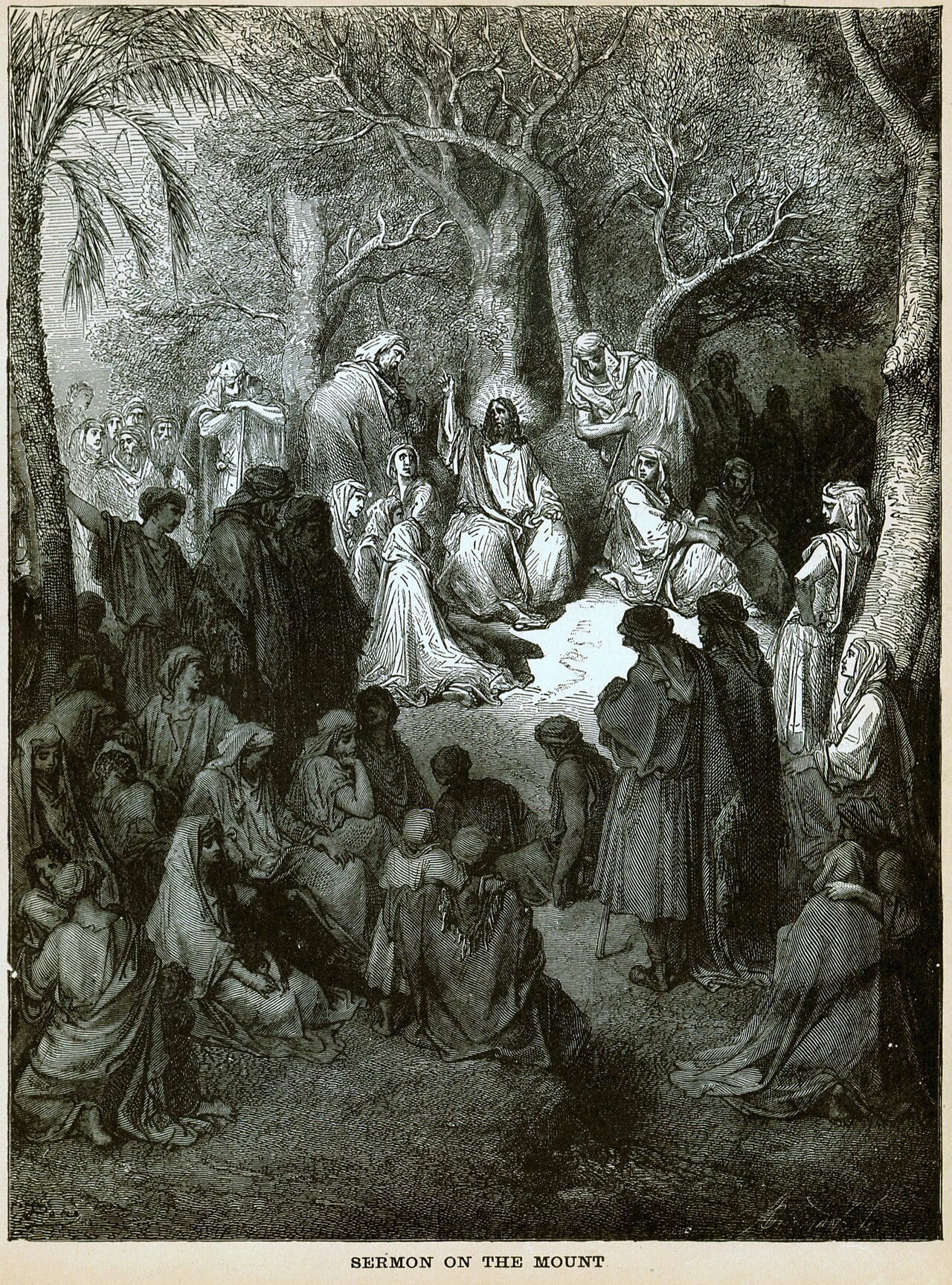
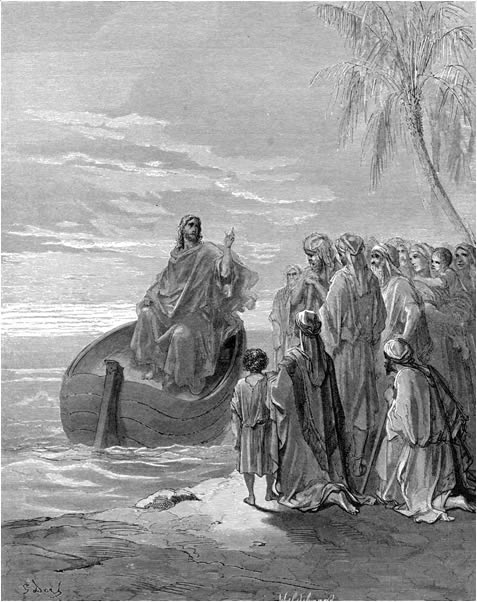
The teaching recorded in Matthew gives mercy, purity, peacemaking and the pursuit of righteousness a central place in the kingdom. Jesus presents his mission as fulfillment of the law and prophets, and treats obedience as significant rather than dissolving the commandments. Instructions on almsgiving, prayer and fasting examine the purpose of religious acts; the prayer addresses the Father and joins the coming kingdom with daily provision and forgiveness. The concluding teaching tests claims by their fruits and joins hearing his words with doing them. Matt 5:1-20 Matt 6:1-18 Matt 7:12-29 (Sermon on the Mount)
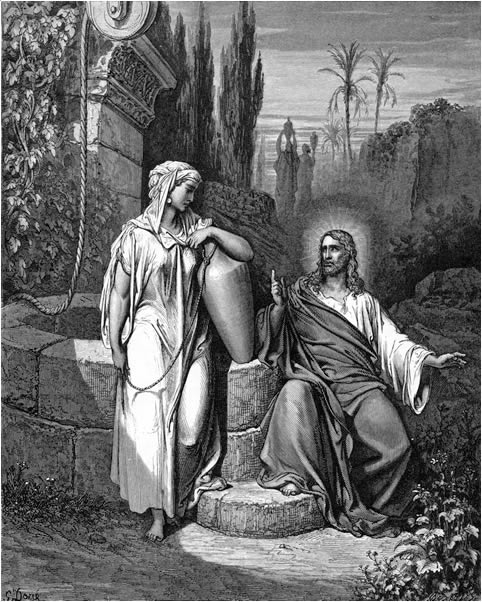
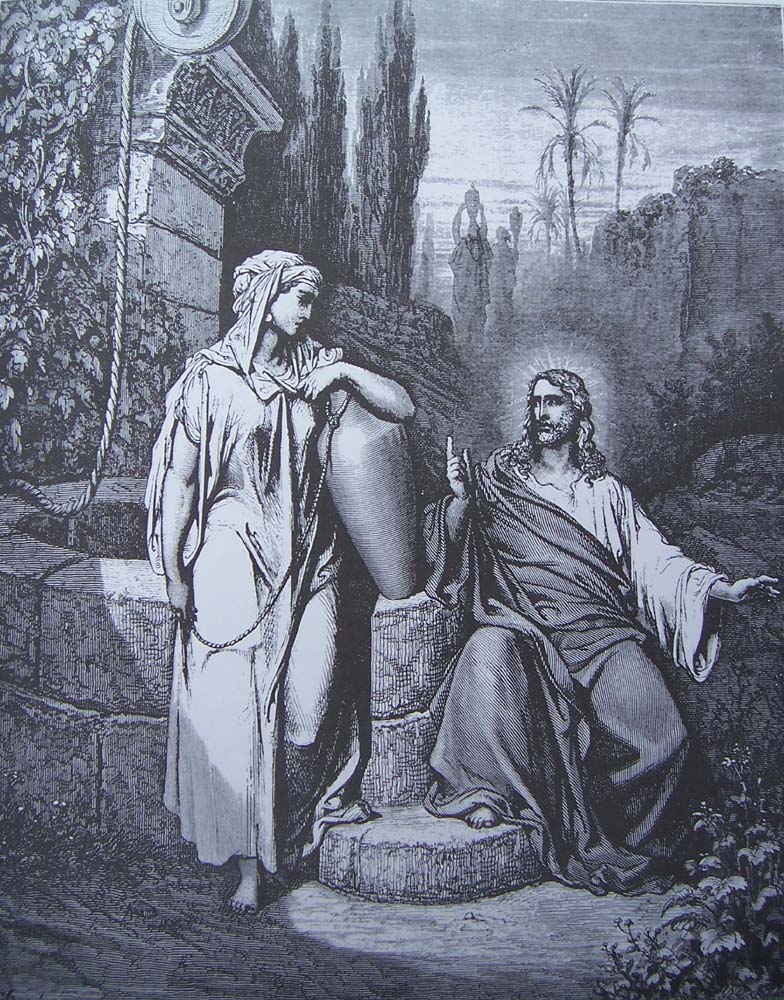
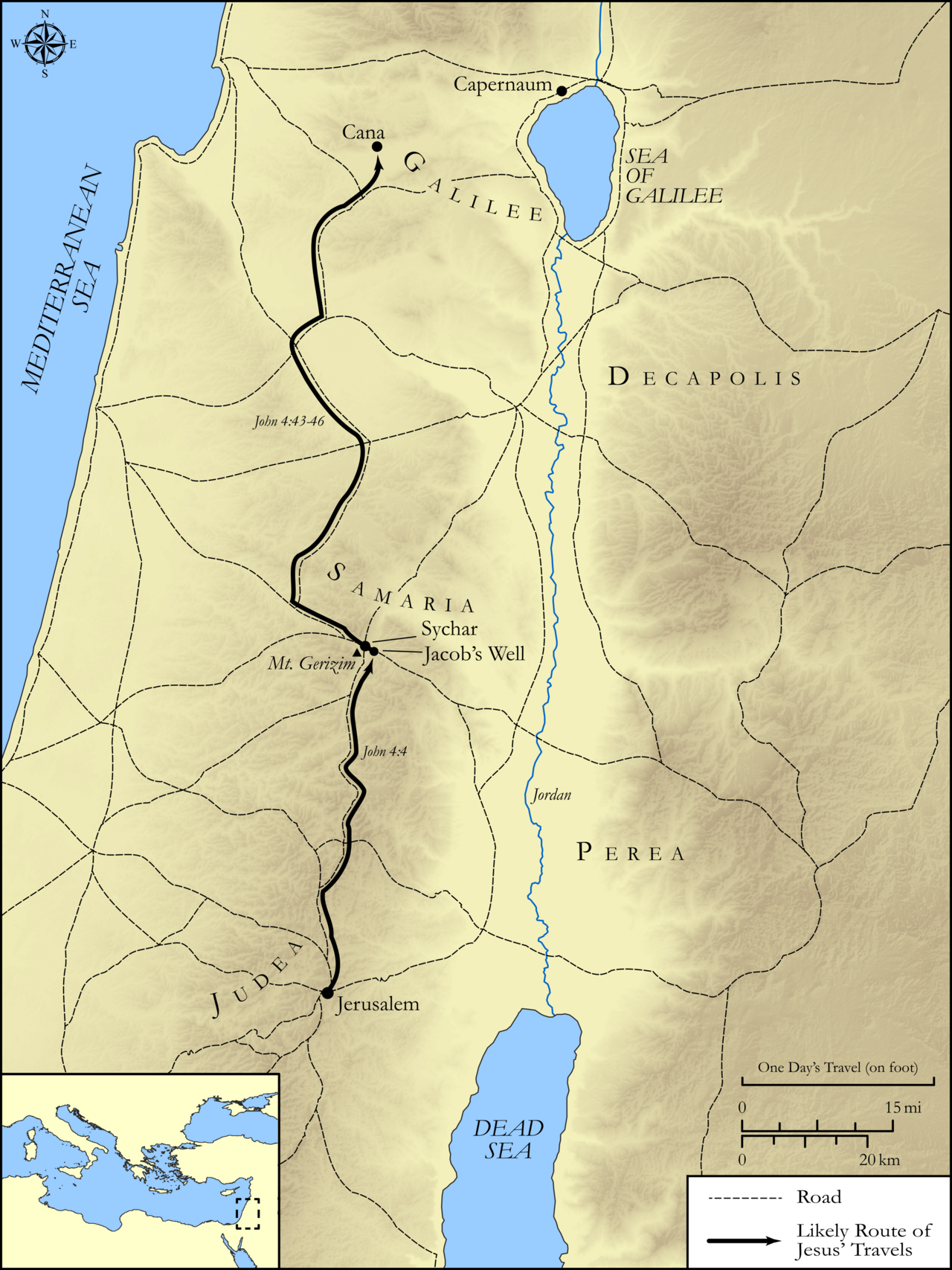
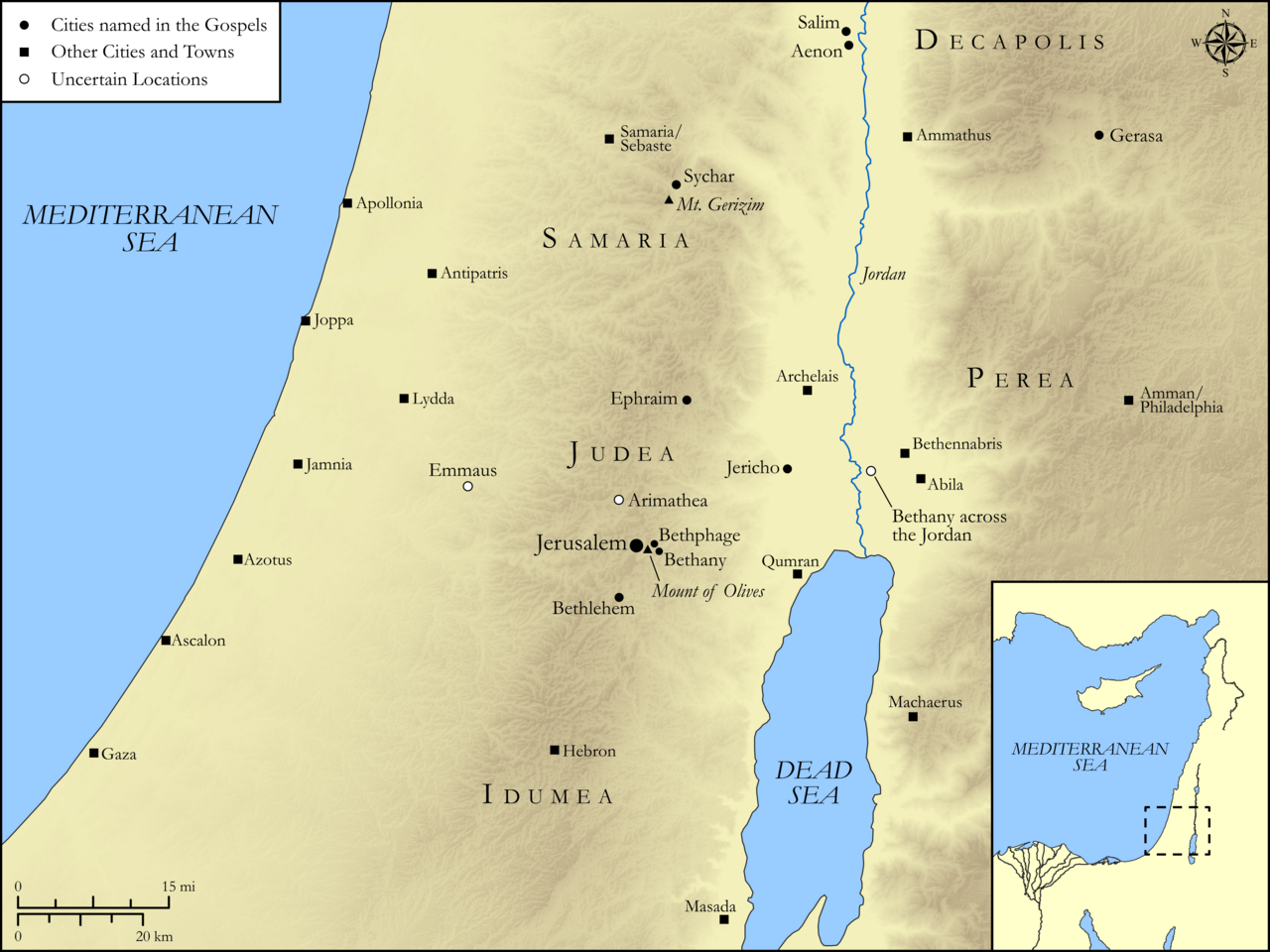
Other teaching is preserved through particular encounters. At Nazareth, Jesus reads Isaiah and relates the passage to his mission, citing Elijah, the widow at Zarephath, Elisha and Naaman. With Nicodemus, he teaches birth from above through the Spirit, faith and the saving purpose of God’s sending of the Son. At Sychar, the conversation with an unnamed Samaritan woman concerns living water and worship in spirit and truth; the setting is the well associated with Jacob and the land given to Joseph. Luke 4:16-30 John 3:1-21 John 4:1-42 (Jesus Rejected at Nazareth) (Jesus and Nicodemus) (The Samaritan Woman)
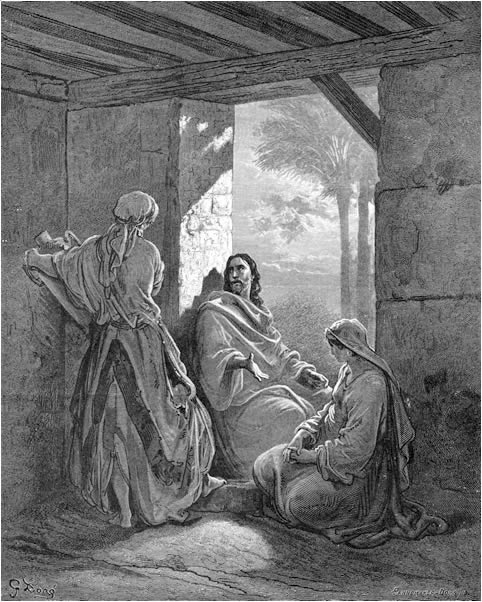
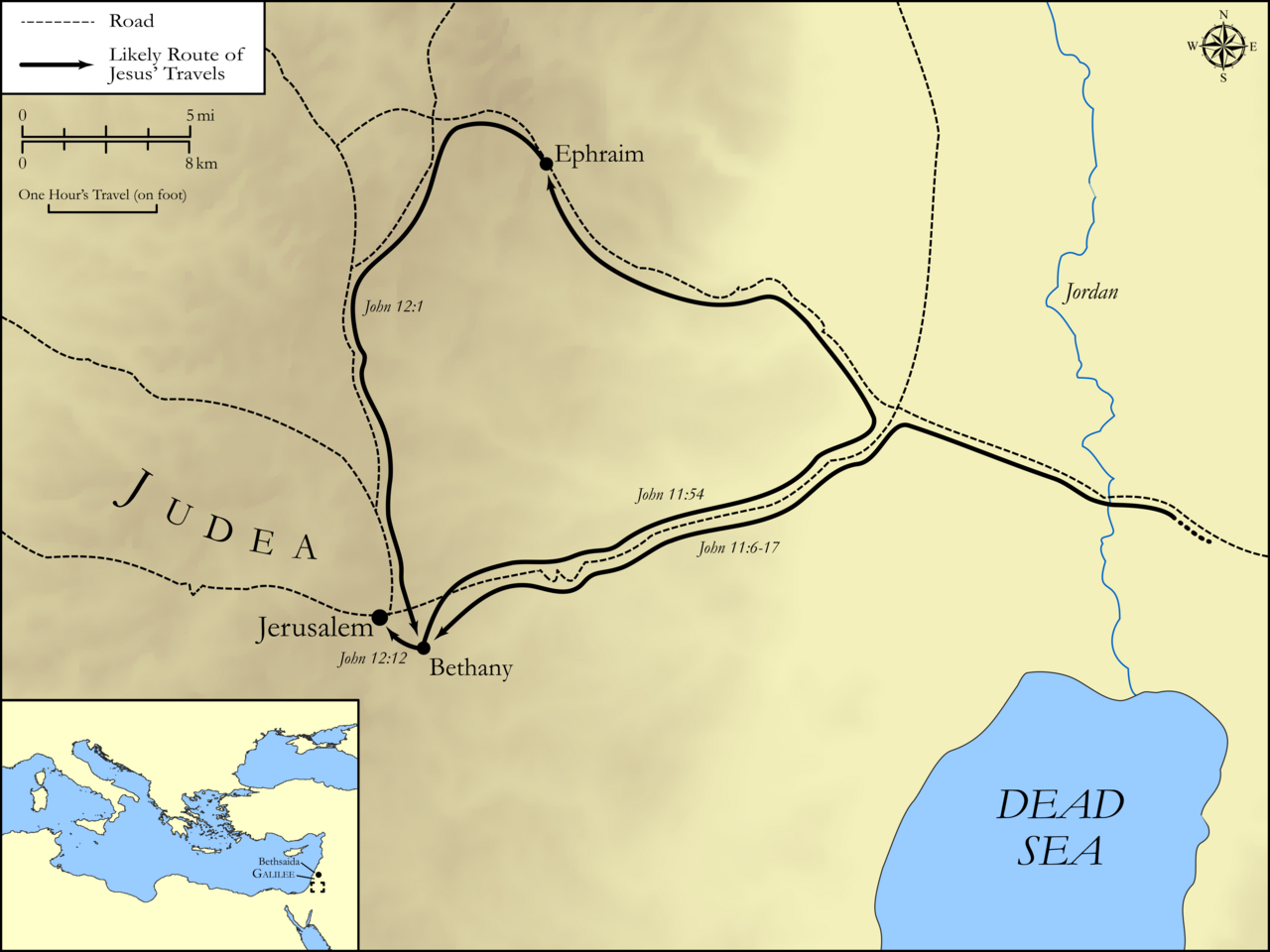
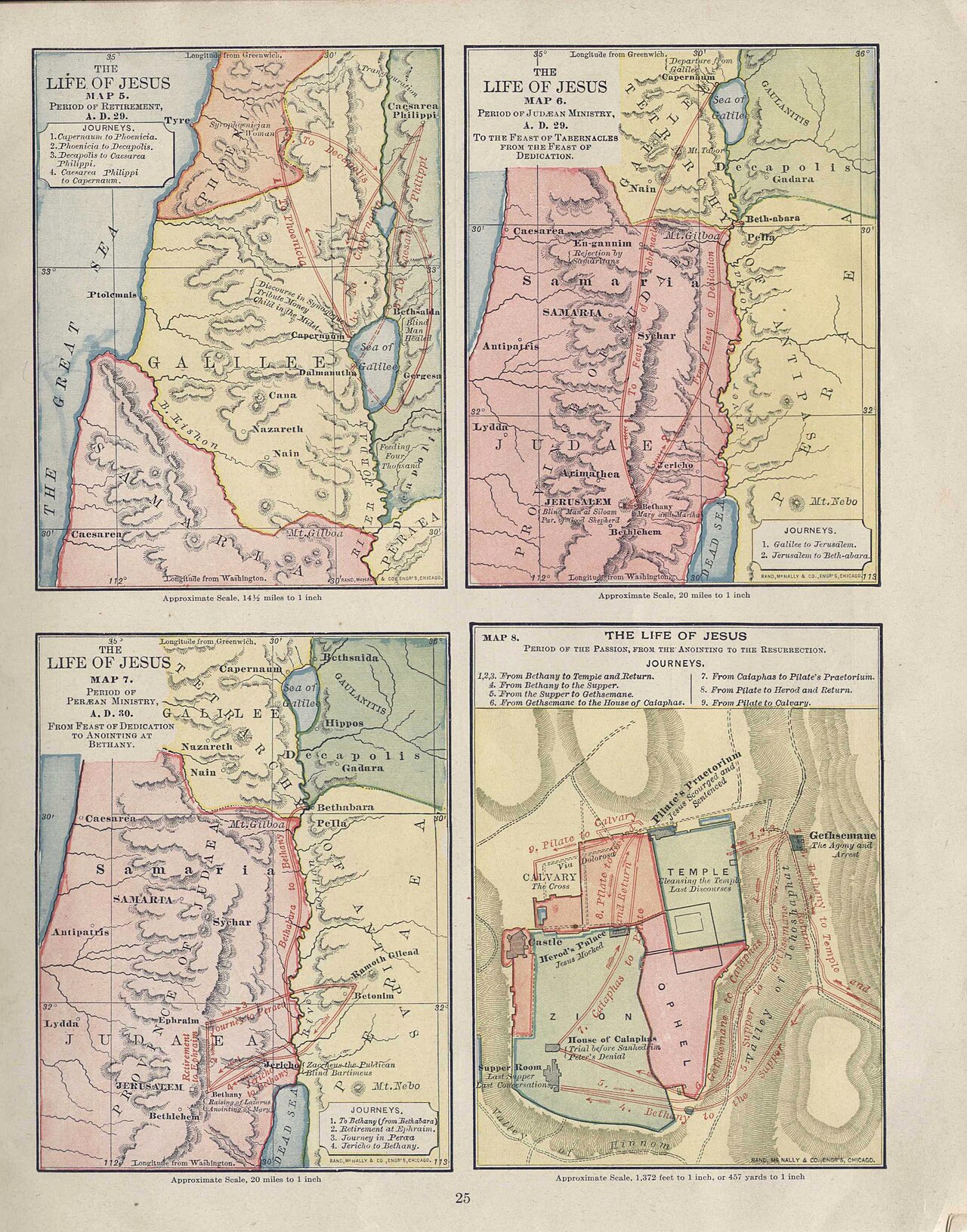
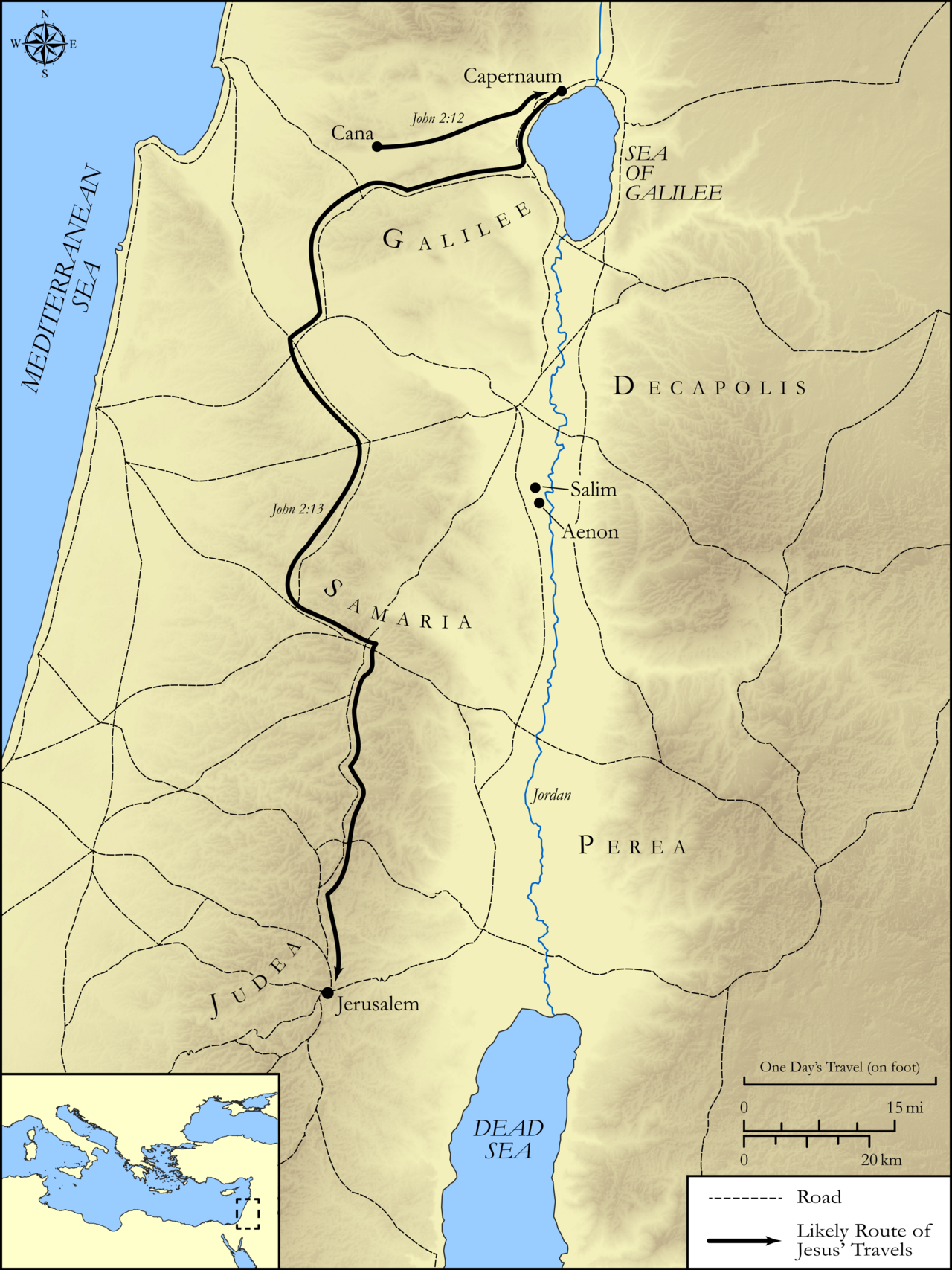
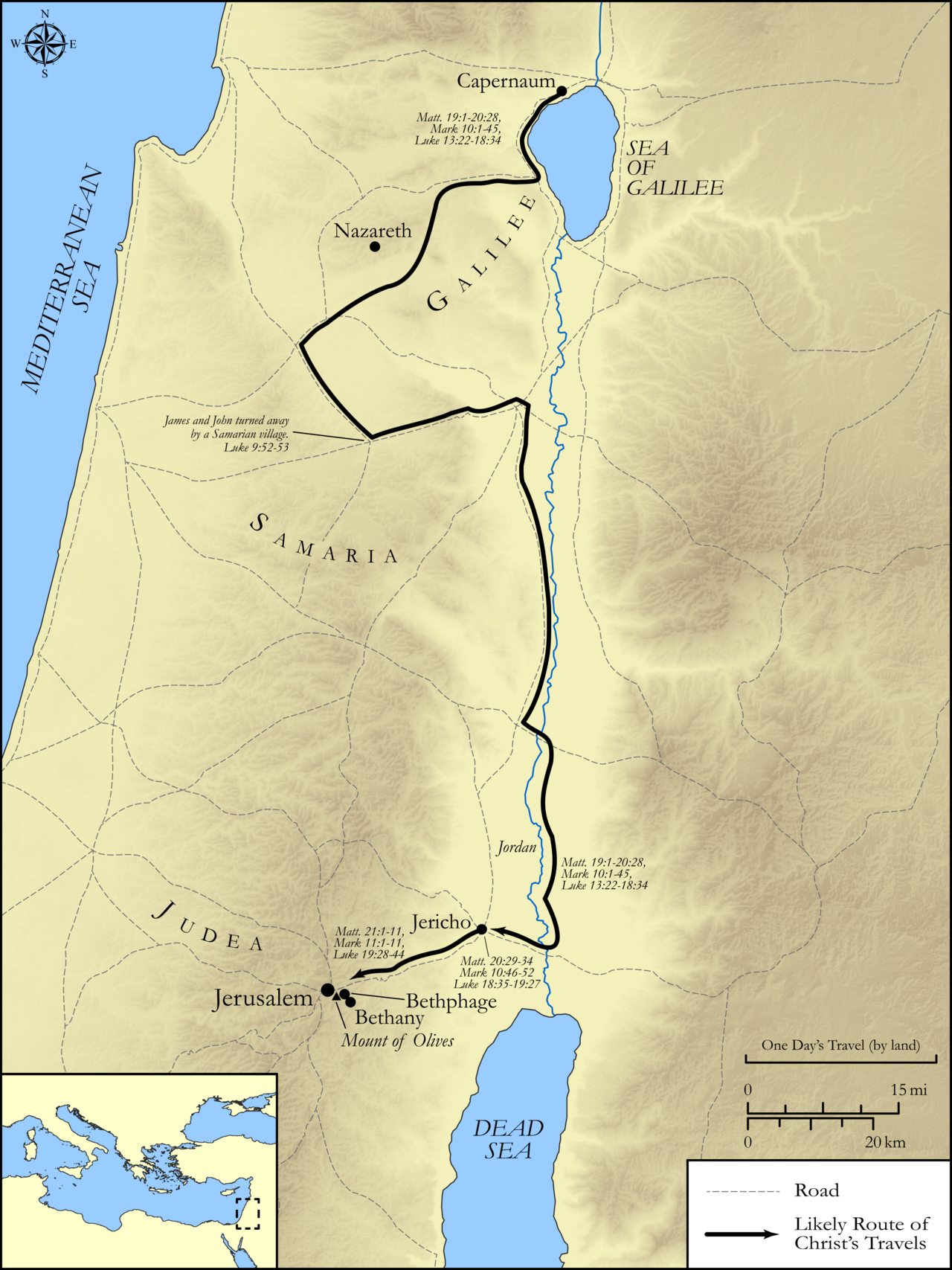
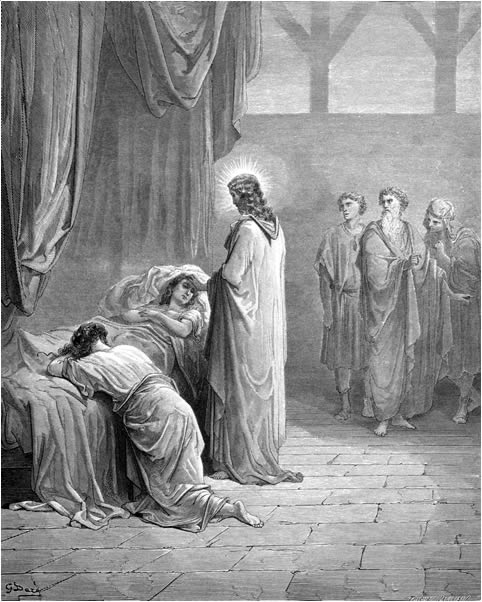
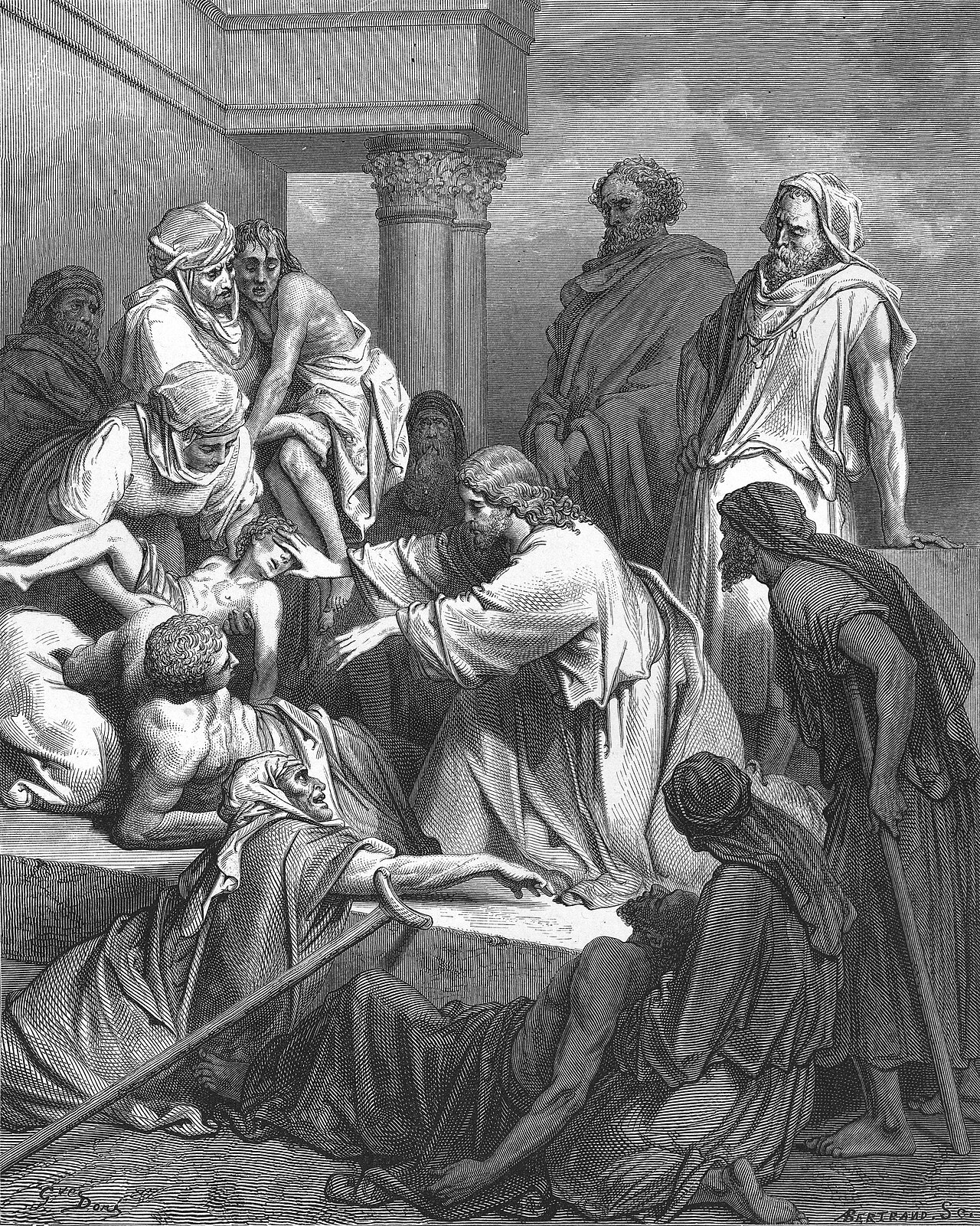
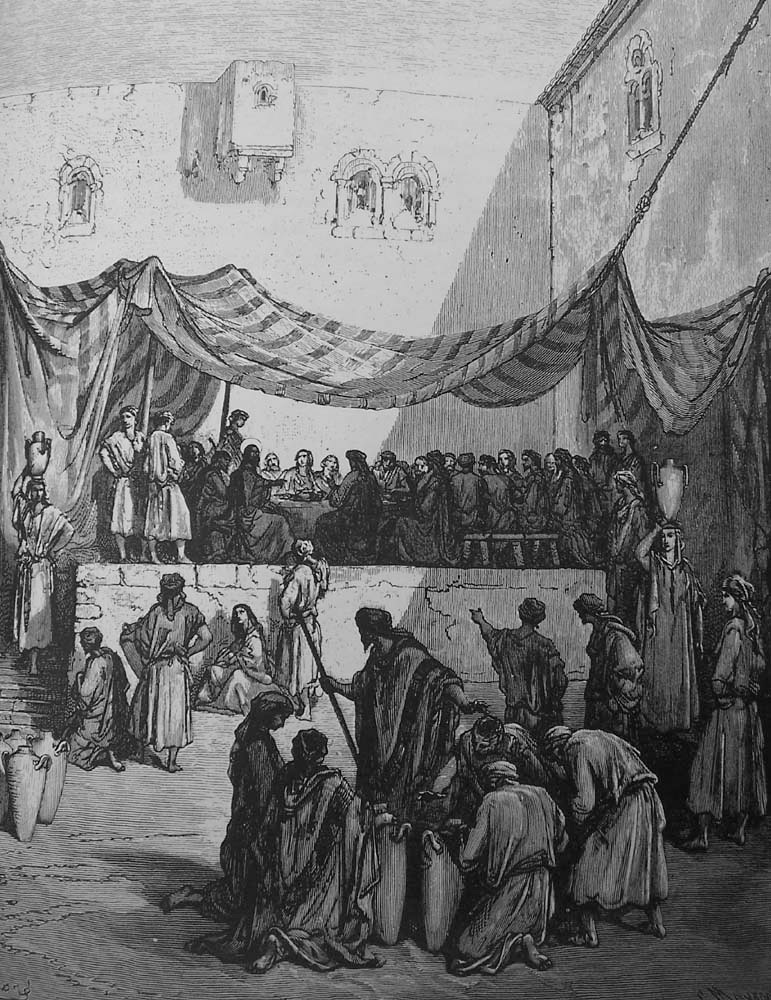
The signs and healing accounts concern both named and unnamed people. The wedding at Cana, attended by Mary, is presented as the beginning of the signs. Jairus, a synagogue ruler, seeks help for his daughter; the same account includes the woman healed of prolonged bleeding. At Jericho, Bartimaeus, son of Timaeus, receives sight, and Zacchaeus hosts Jesus and declares restitution. At Bethany, the raising of Lazarus involves his sisters Martha and Mary, with death explicitly described as sleep and Jesus identifying himself as resurrection and life. The accounts connect the acts with faith, restoration and testimony to his identity. John 2:1-11 Mark 5:21-43 Mark 10:46-52 Luke 19:1-10 John 11:1-44 (Water to Wine) (Healing Blind Bartimaeus) (Zaccheus Converted and Parable of the Pounds) (Lazarus Raised form the Dead)
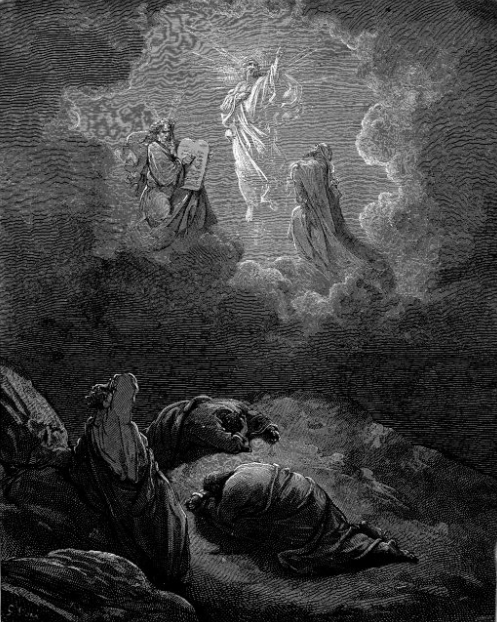
The question of messianic identity also shapes the disciples’ understanding. Near Caesarea Philippi, Peter confesses Jesus as Christ but resists the announced suffering; the response connects discipleship with self-denial and the cross. The transfiguration account names Peter, James and John as witnesses and presents Moses and Elijah speaking with Jesus. The heavenly declaration again identifies the beloved Son and directs attention to his teaching. Mark 8:27-38 Matt 17:1-8 (Peter's Confession "Upon this Rock") (Foretelling the Death and Resurrection) (The Transfiguation)
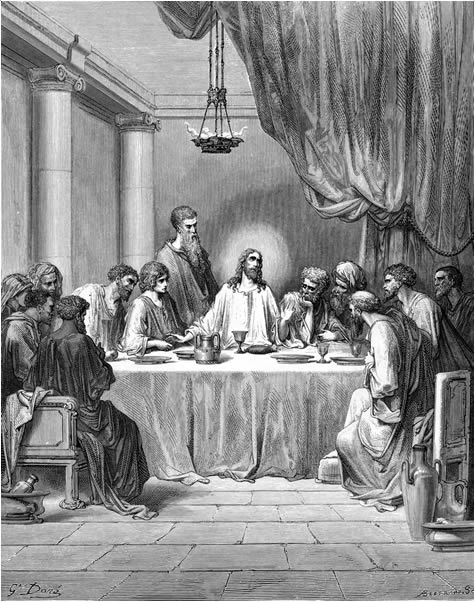
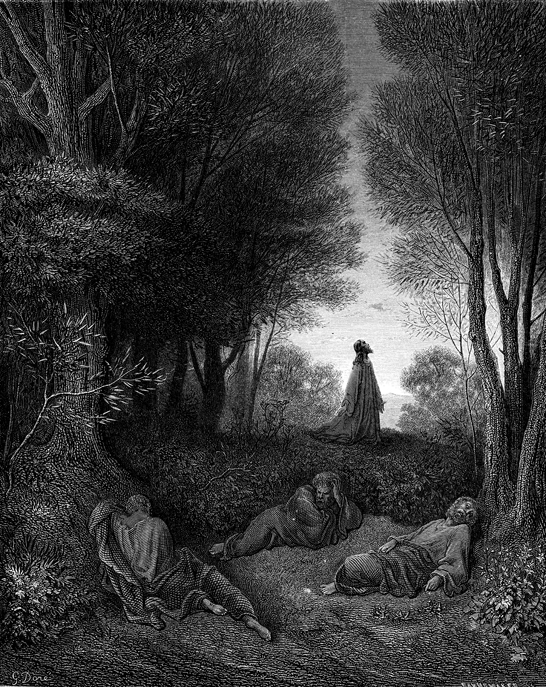
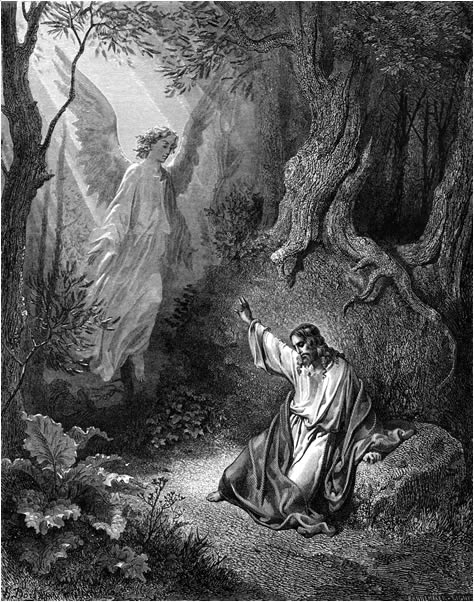
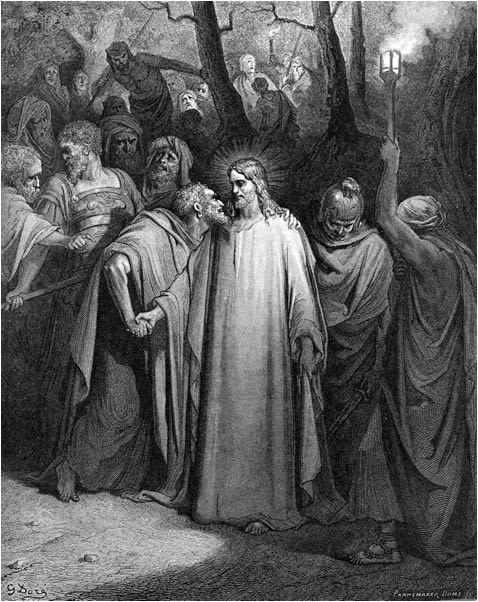
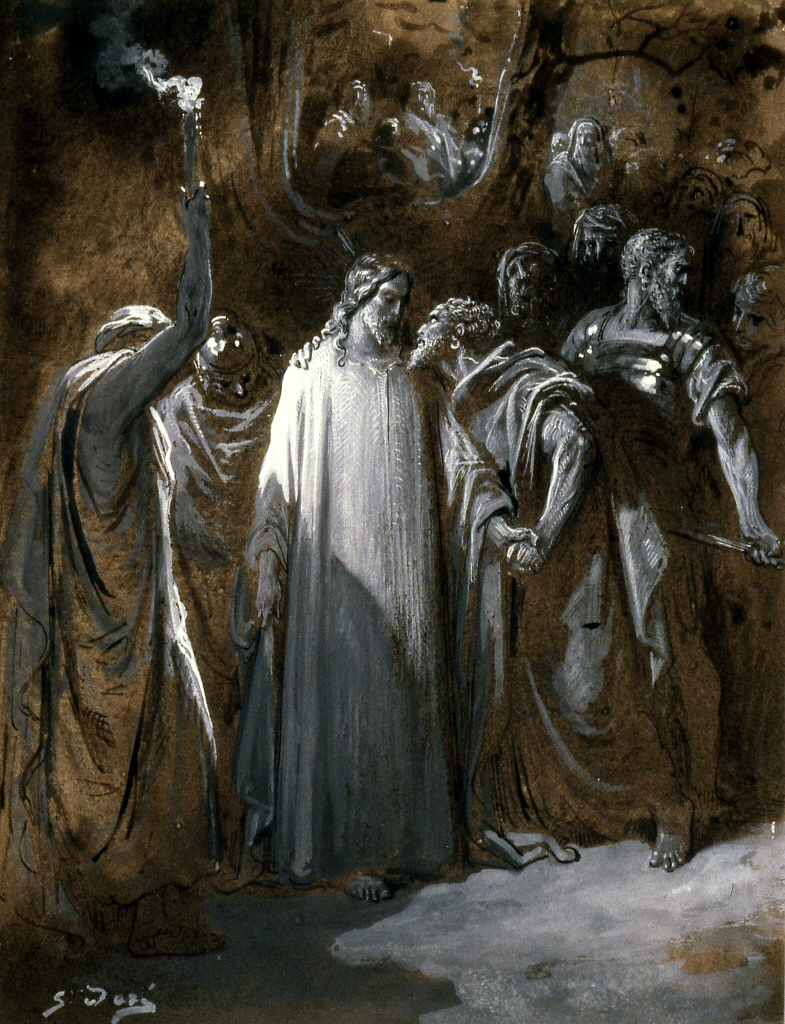
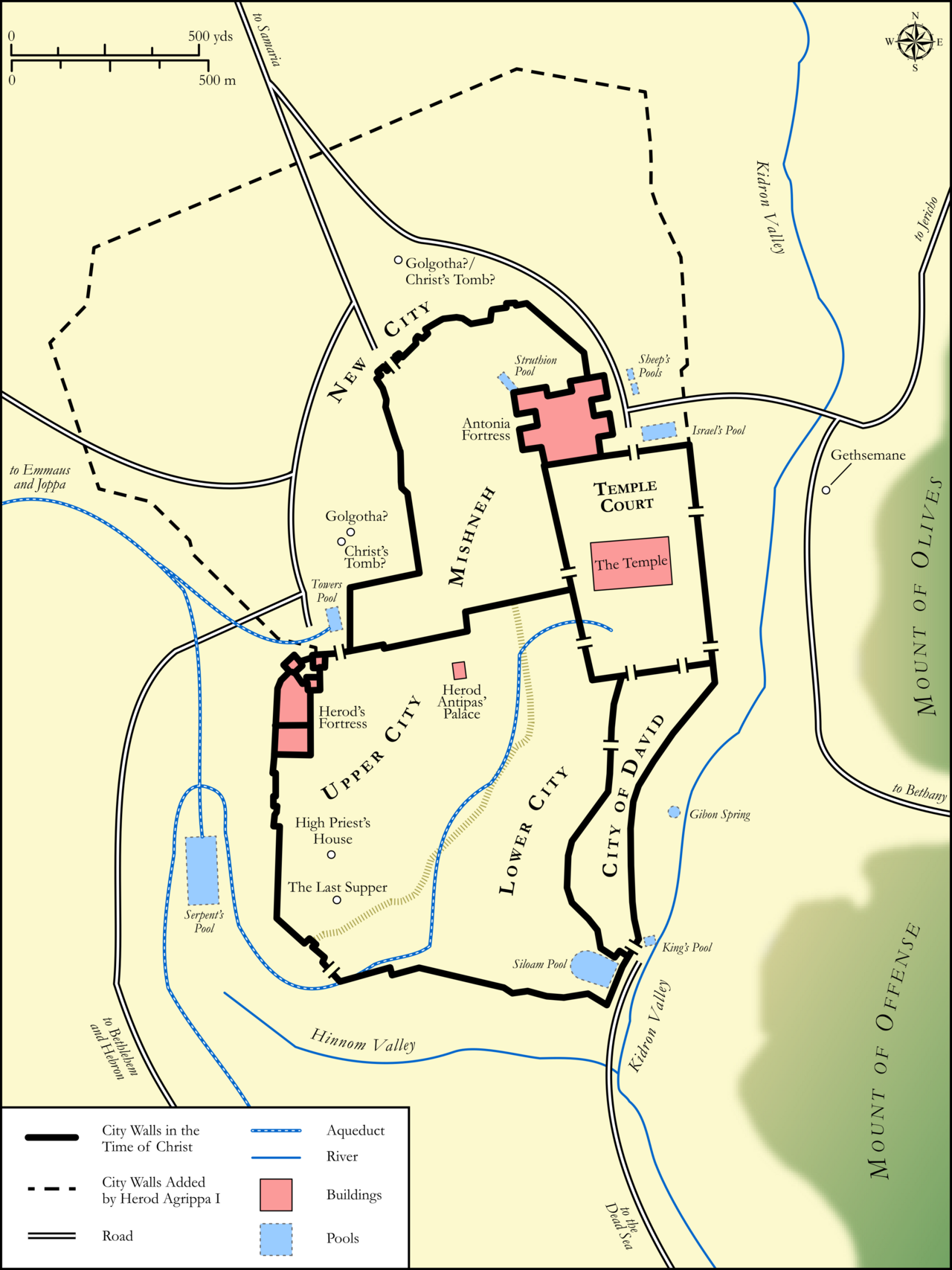
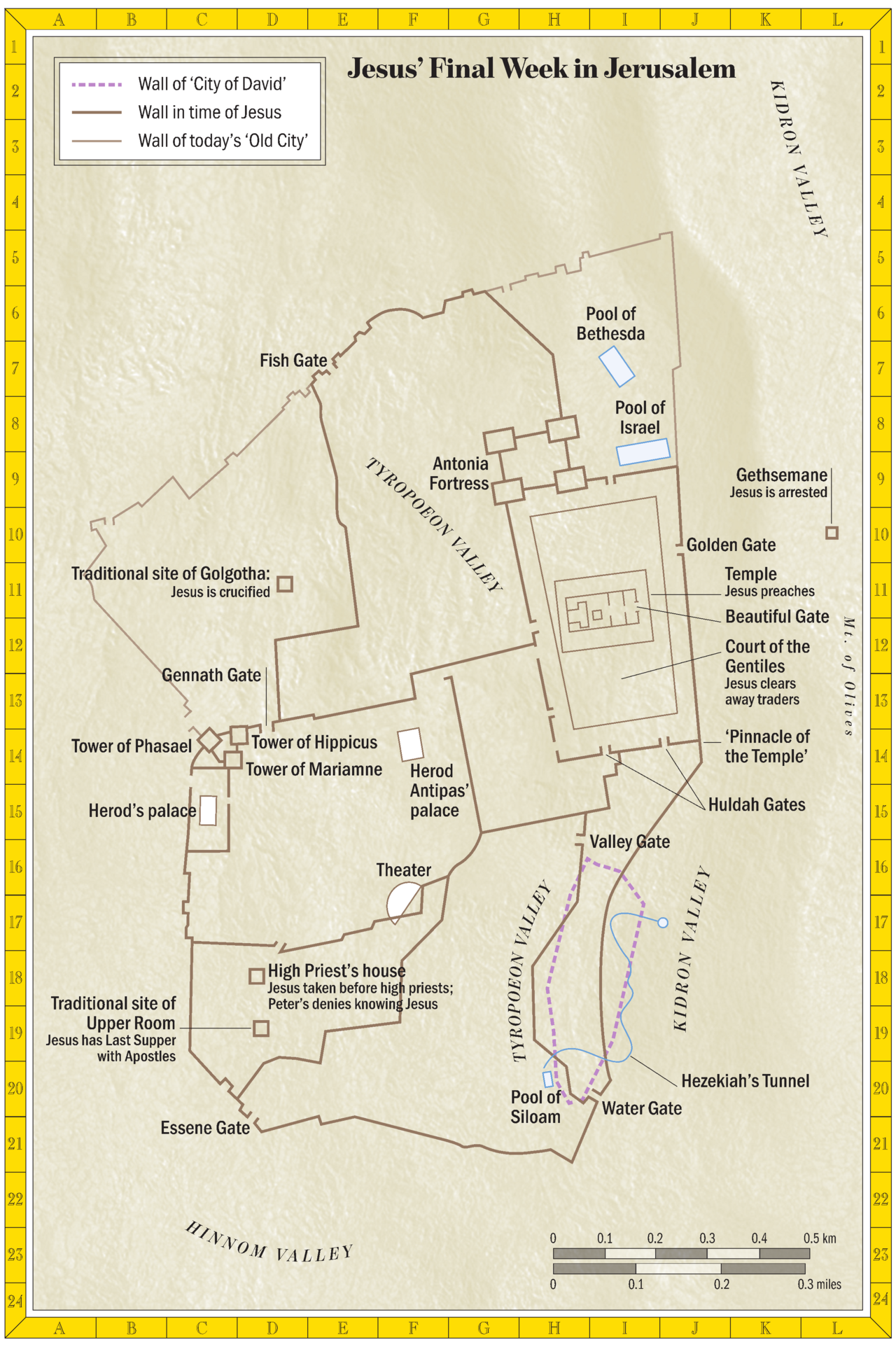
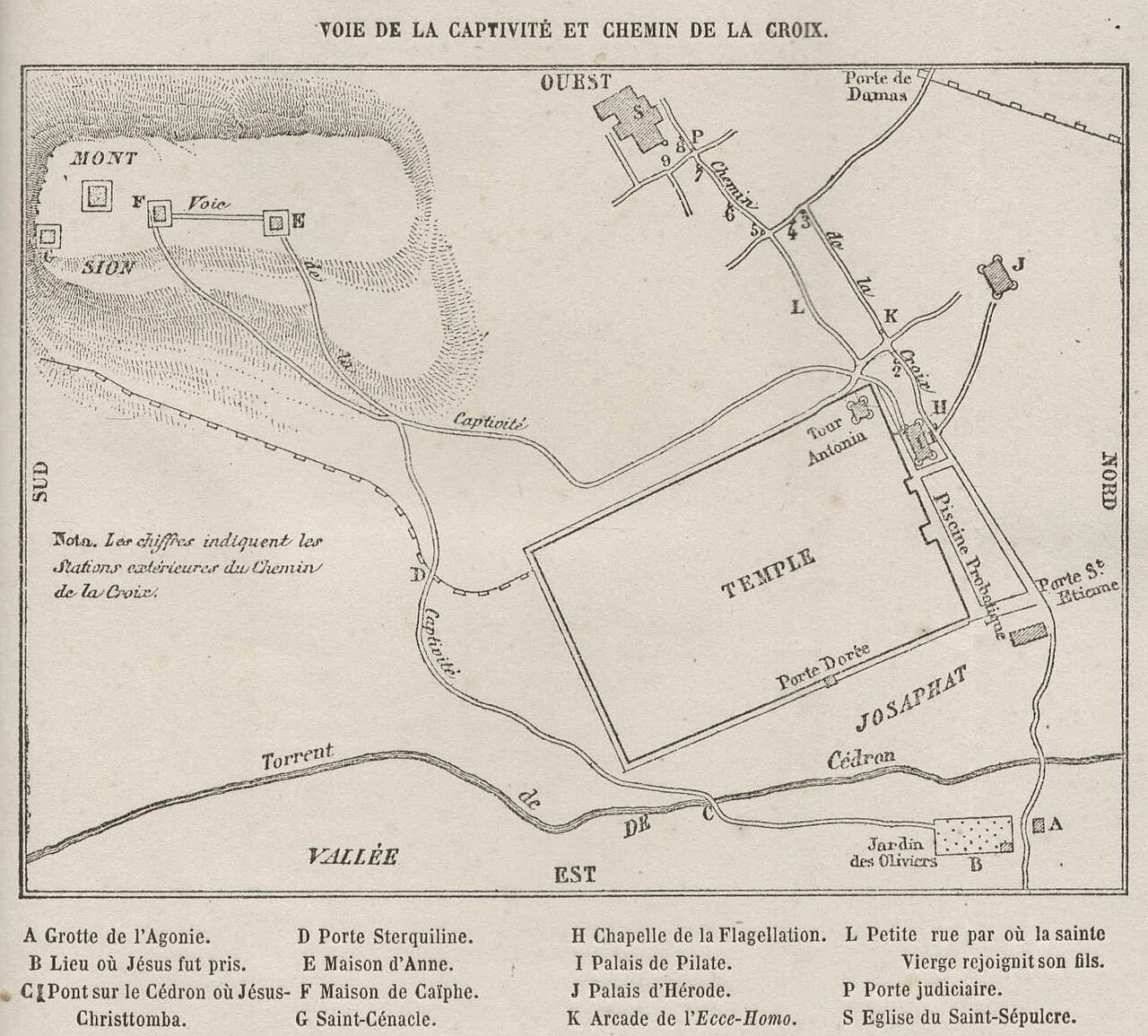
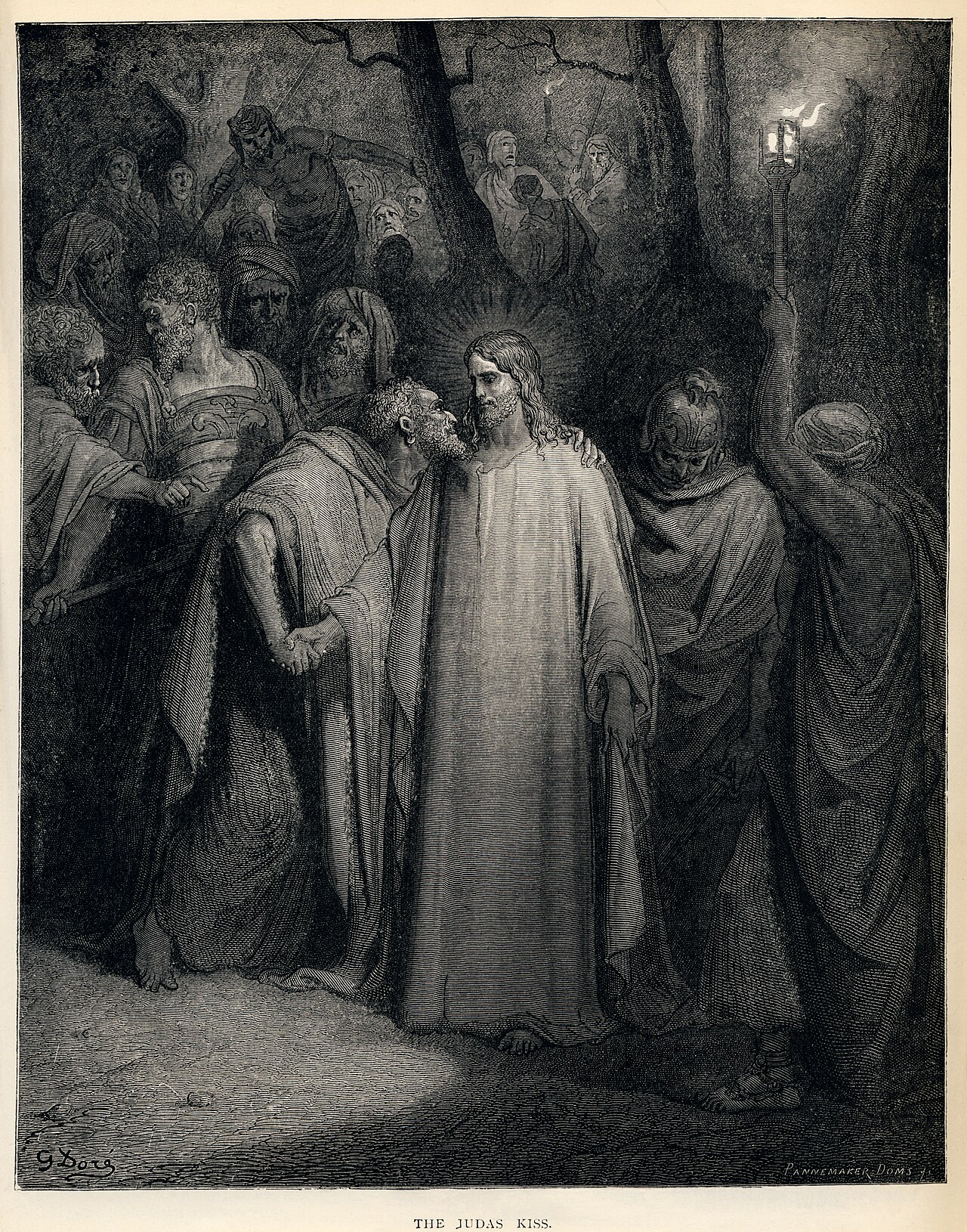
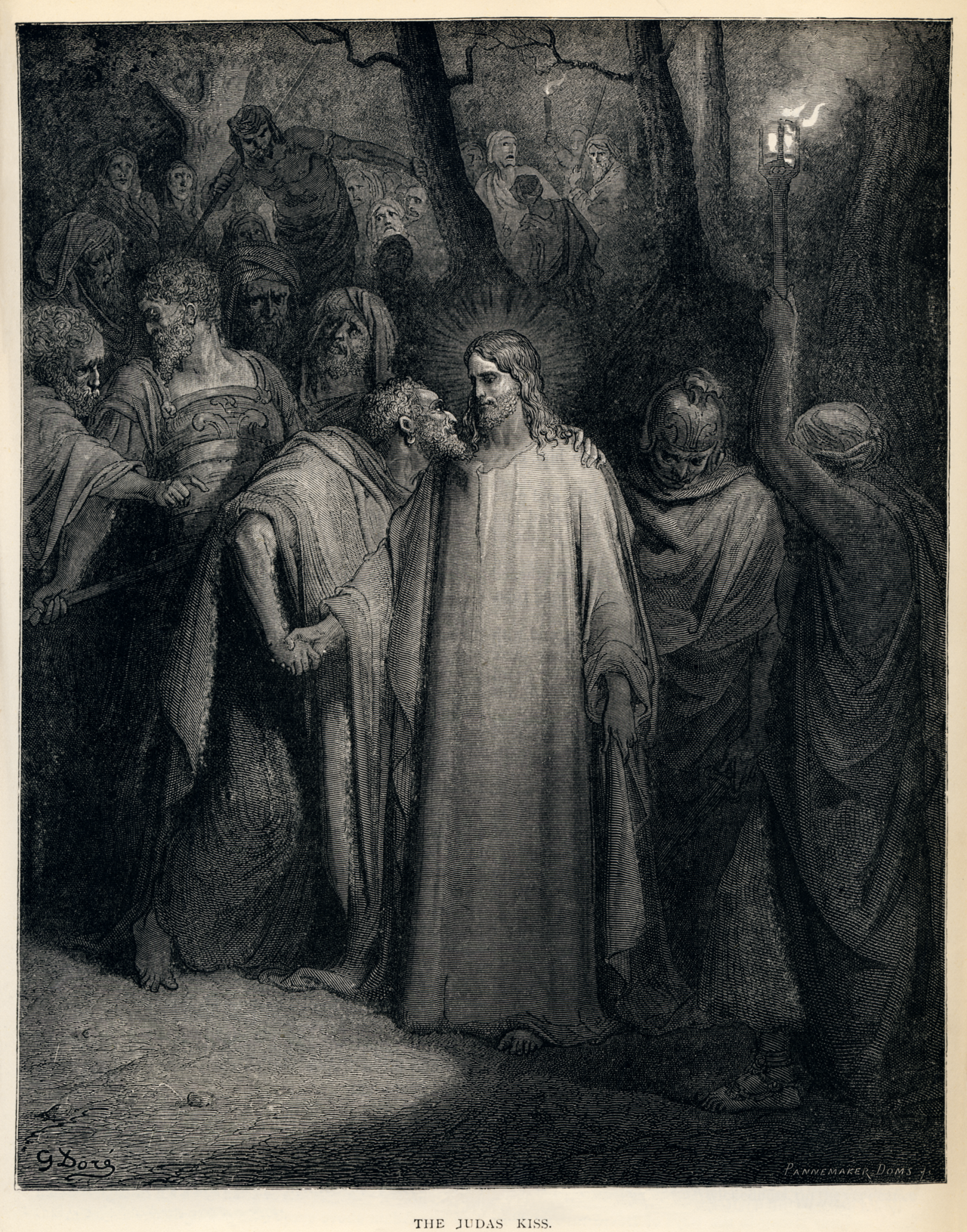
The final Passover meal in Jerusalem, prepared by Peter and John, gives the bread and cup their memorial meaning in relation to his body and the new covenant in his blood. Judas Iscariot is named in the betrayal arrangements. The prayer at the Mount of Olives expresses acceptance of the Father’s will, and the arrest account records the healing of the injured servant. John identifies that servant as Malchus, whose ear Simon Peter cuts. Luke 22:1-23 Luke 22:39-53 John 18:1-11 (The Last Supper) (Judas Plans Betrayal) (Prayer and Betrayal in Gethsemane)
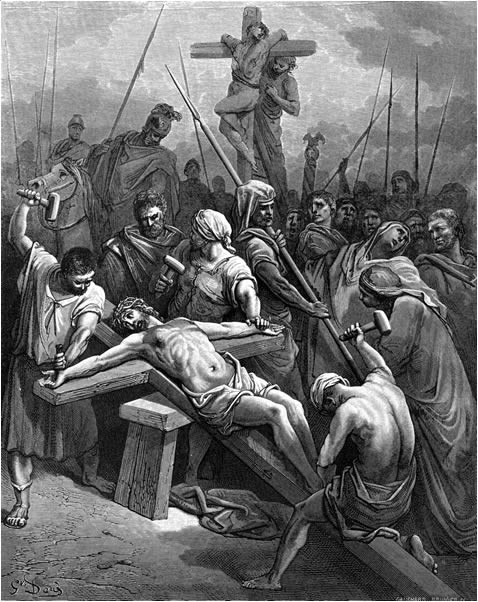
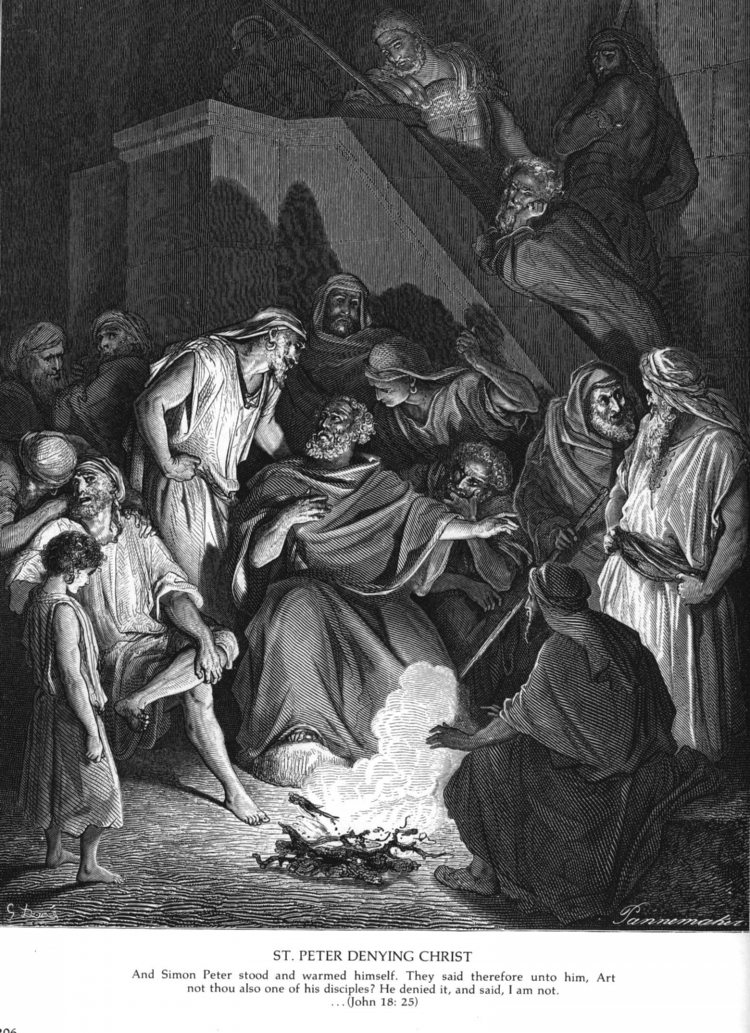
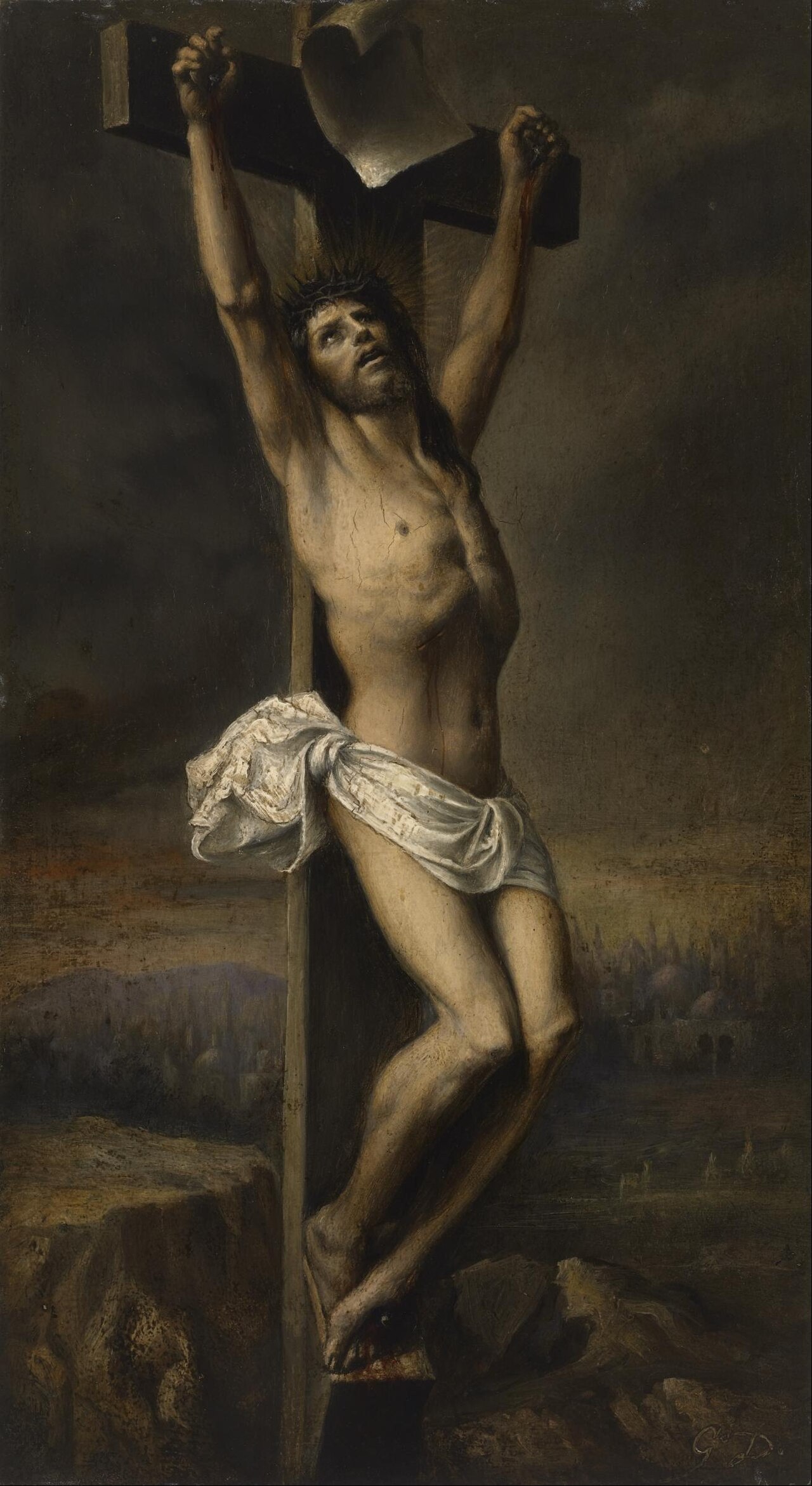
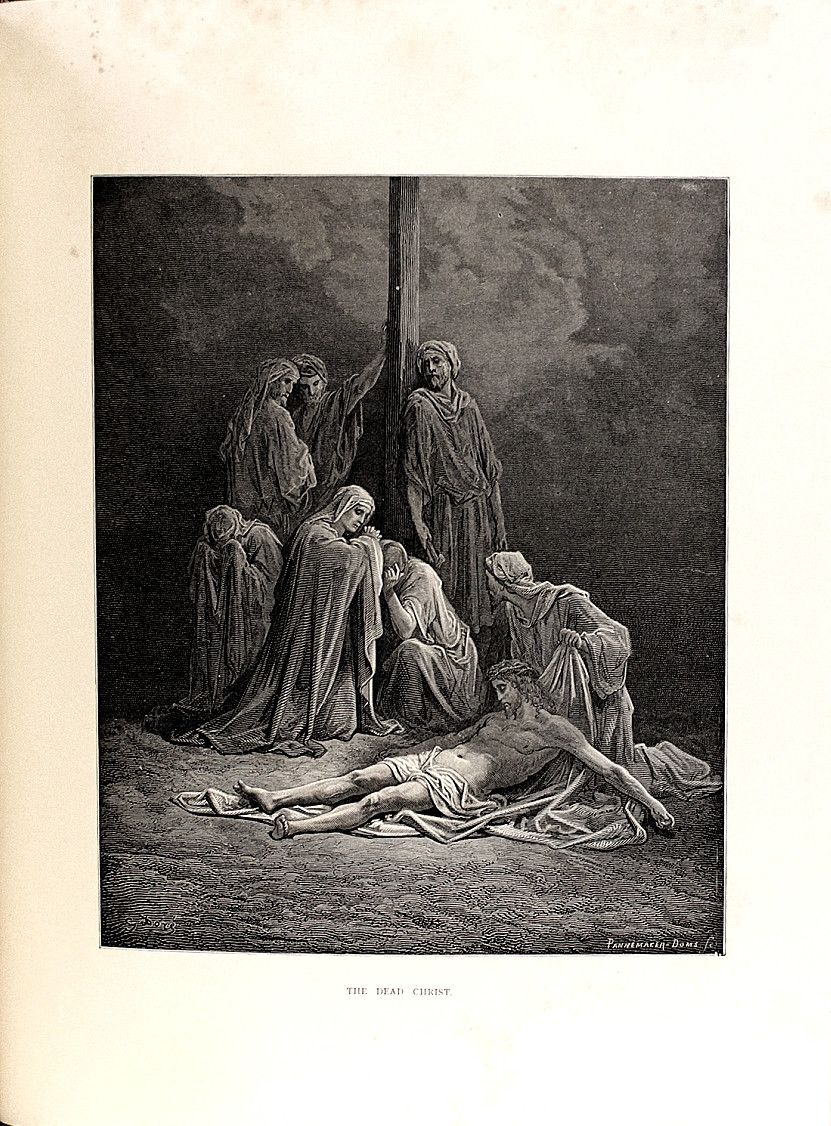
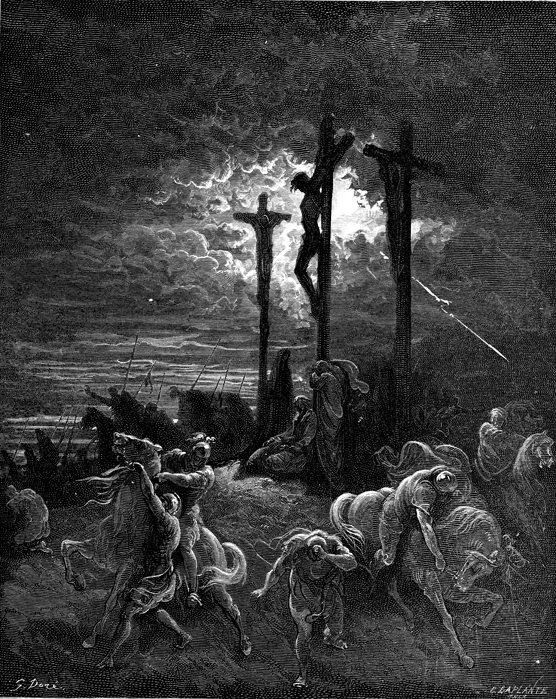
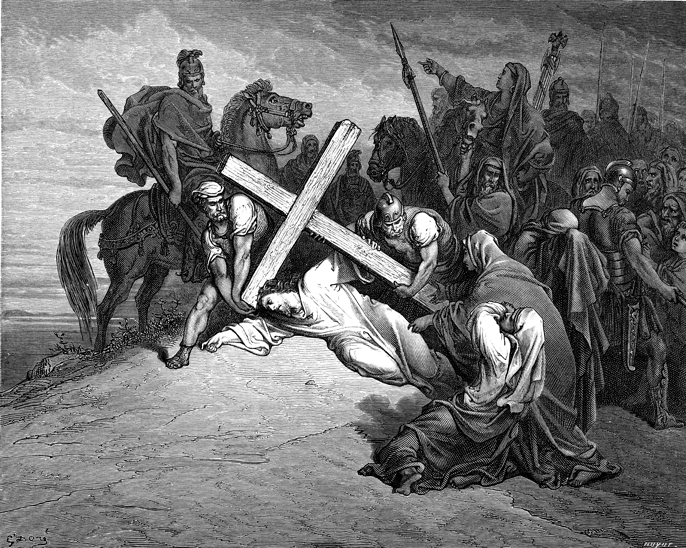
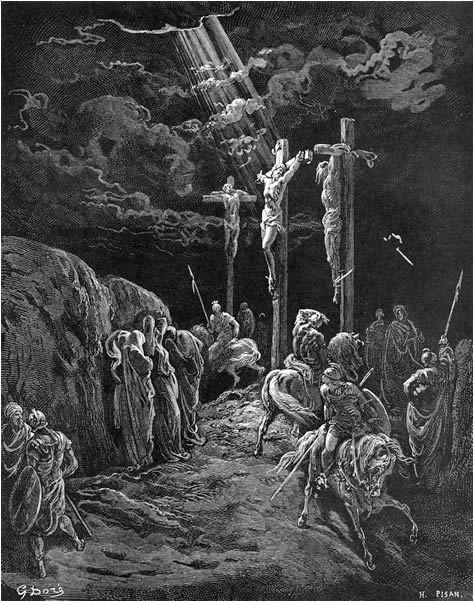
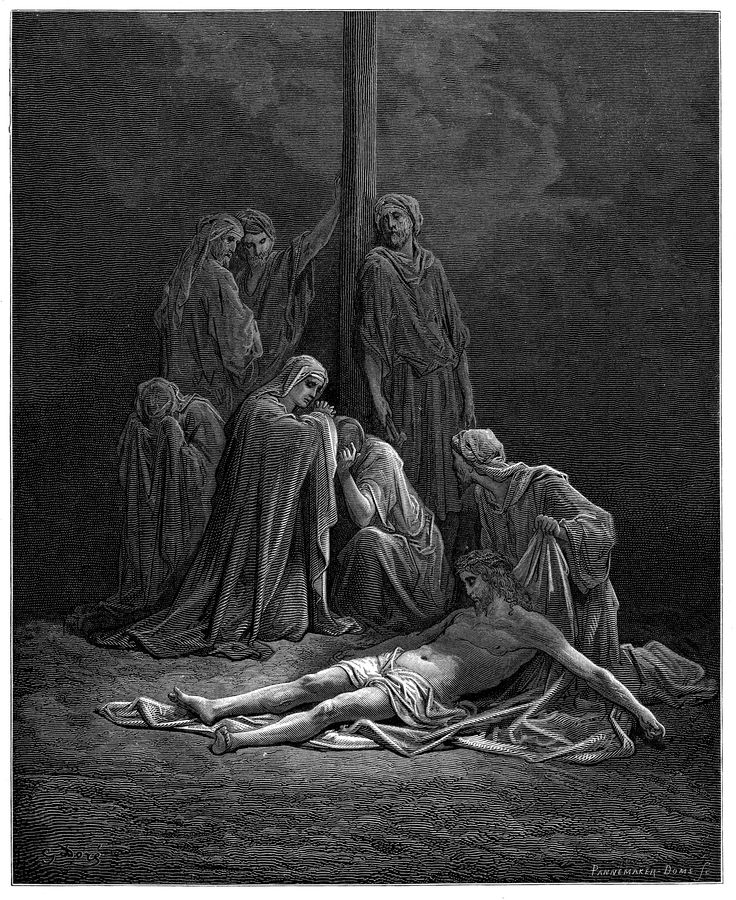
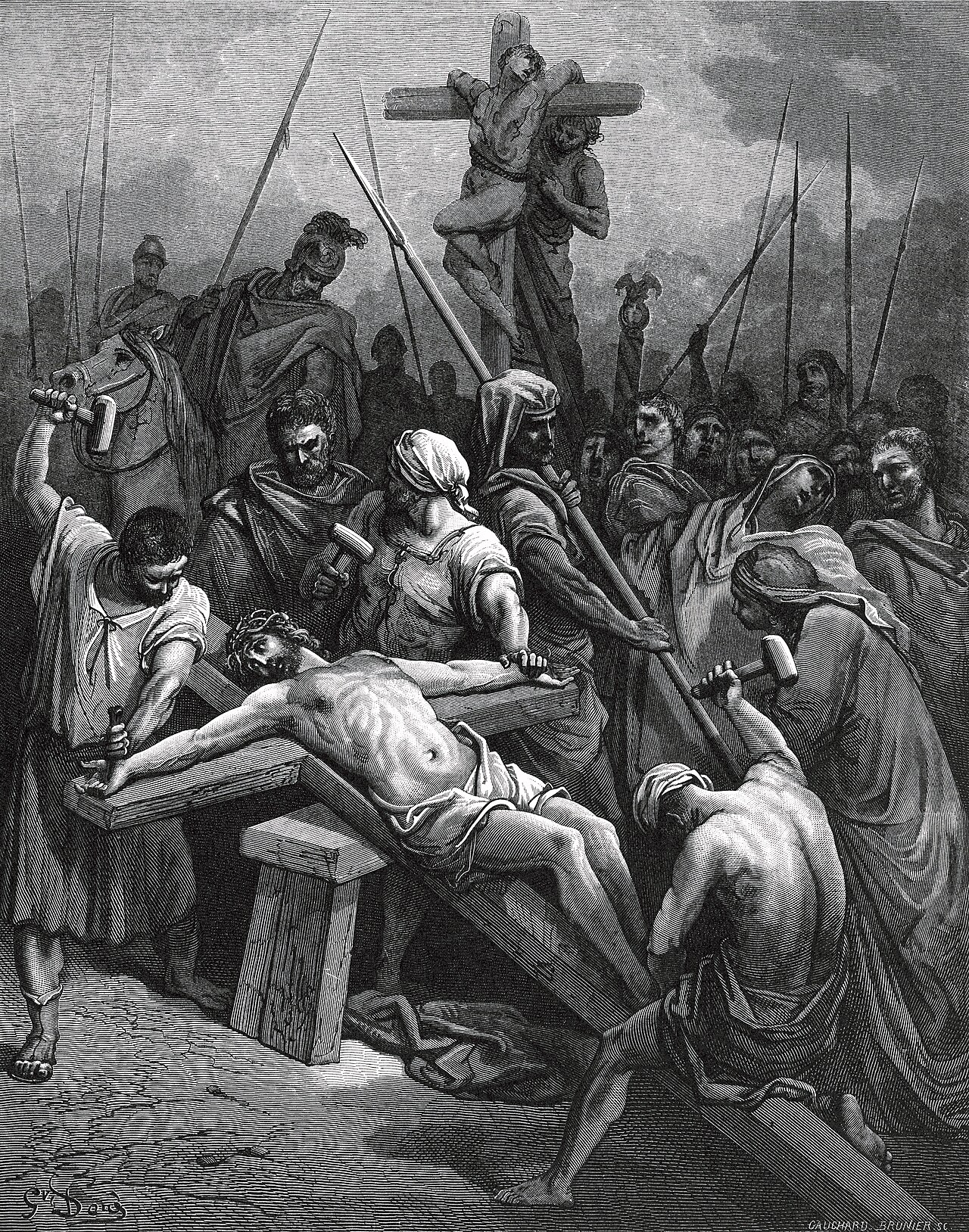
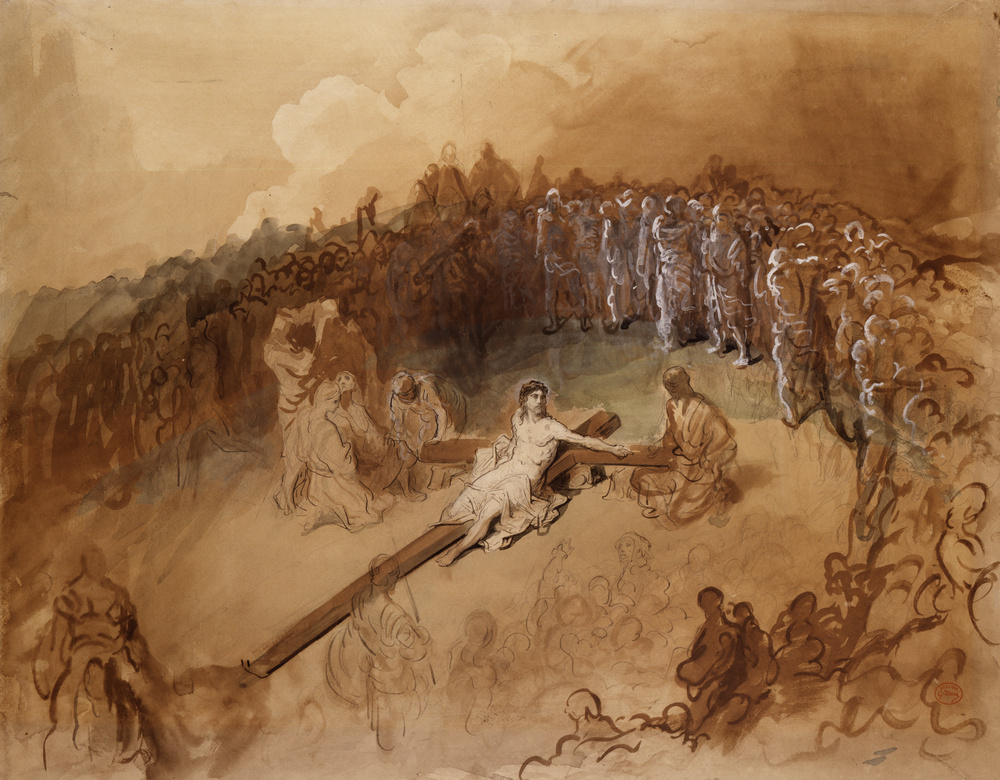
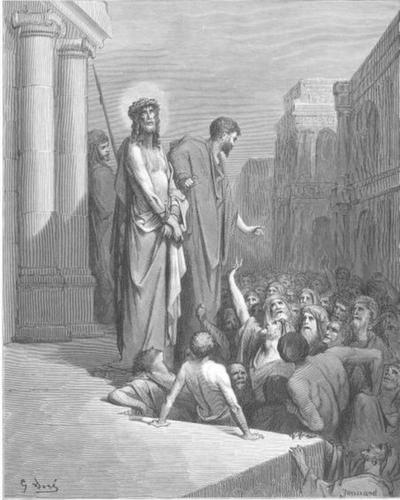
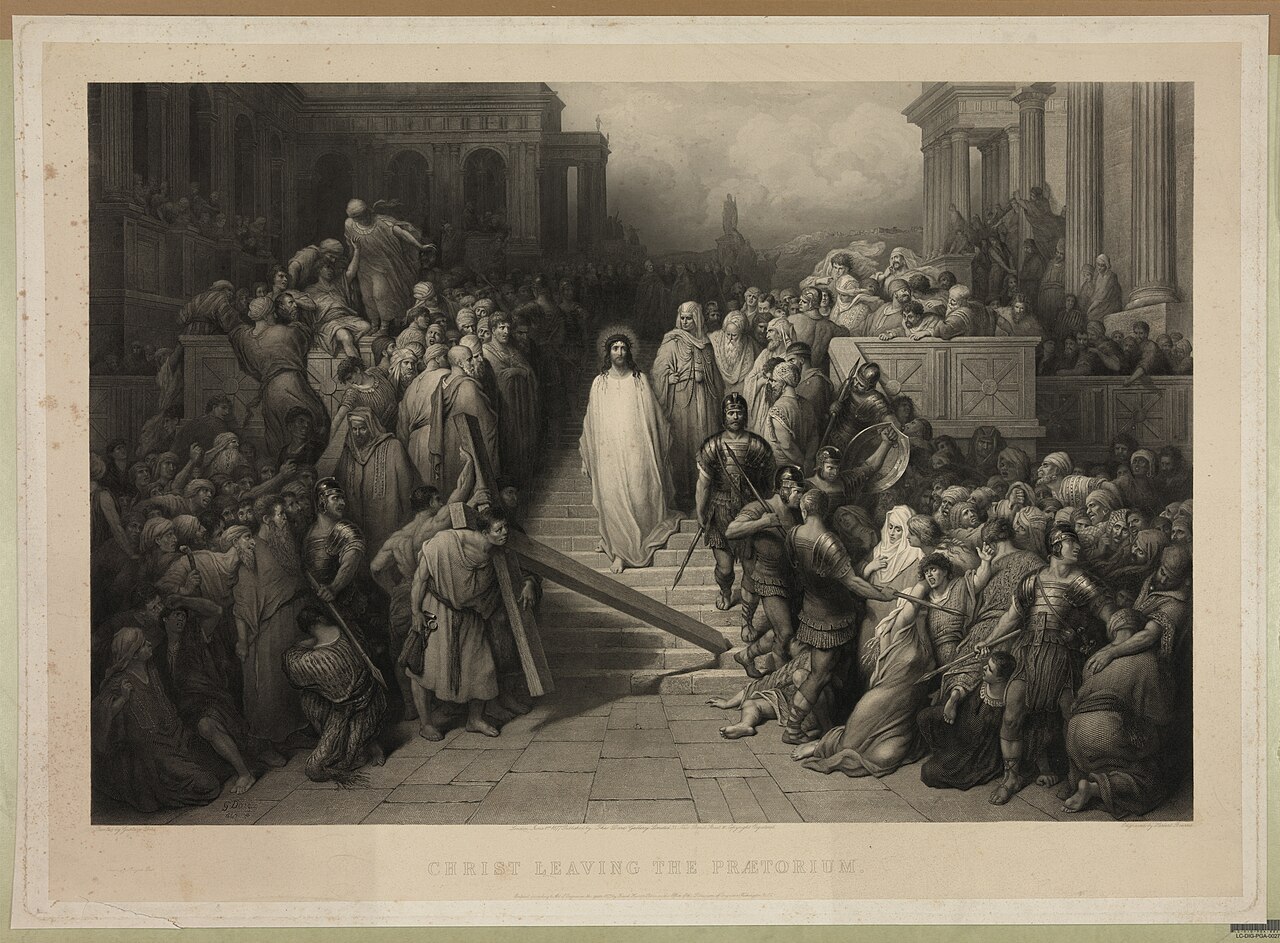
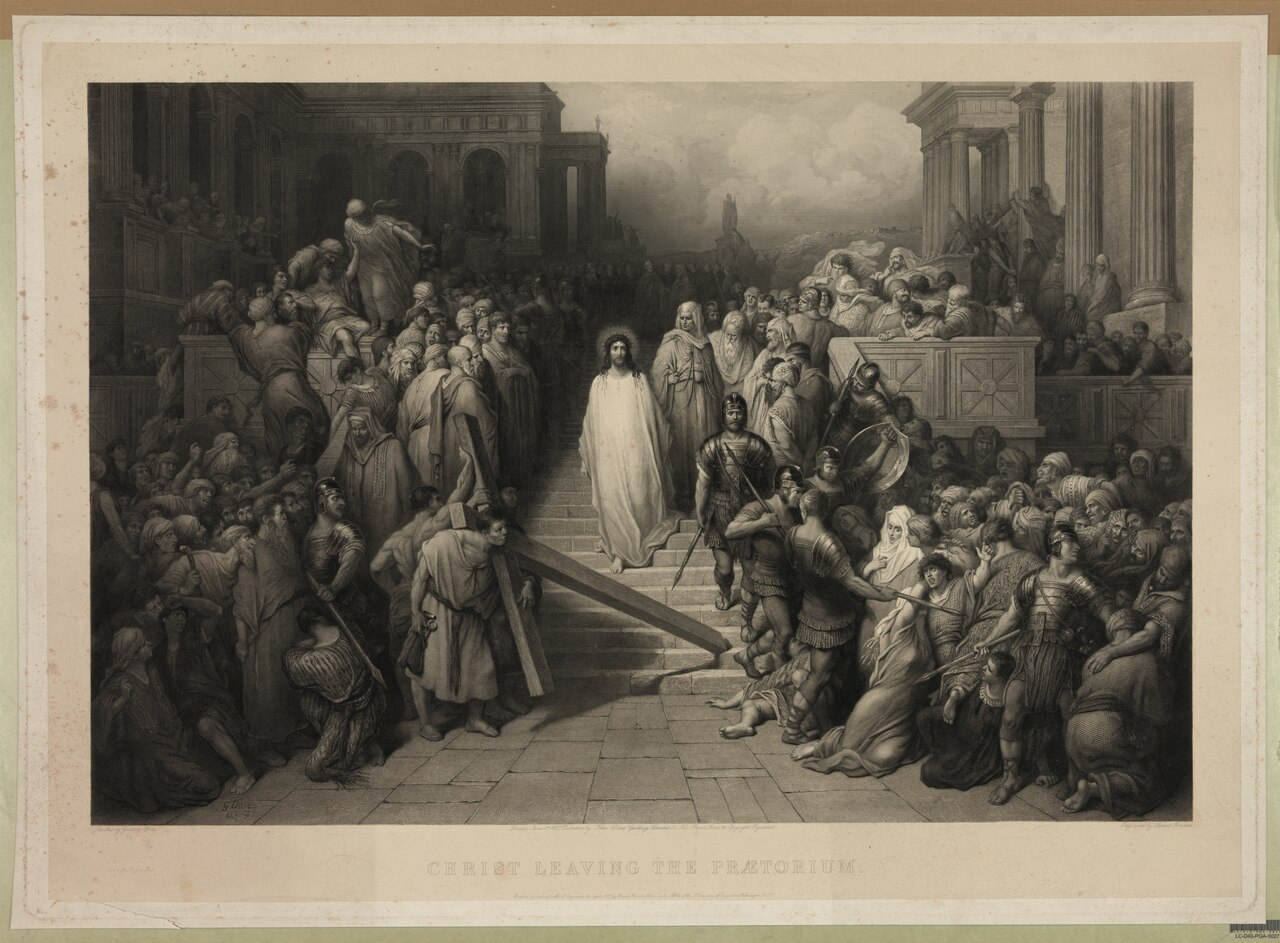
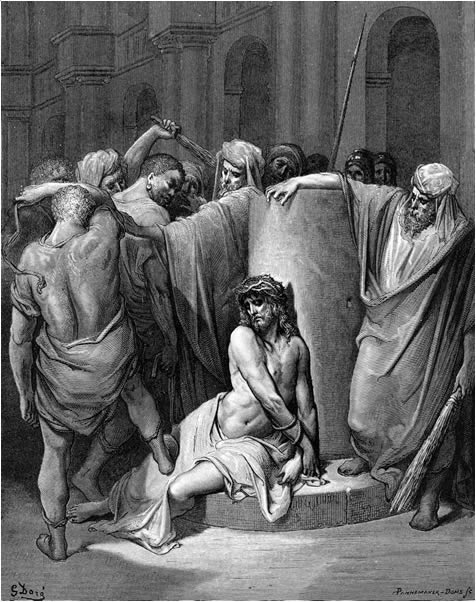
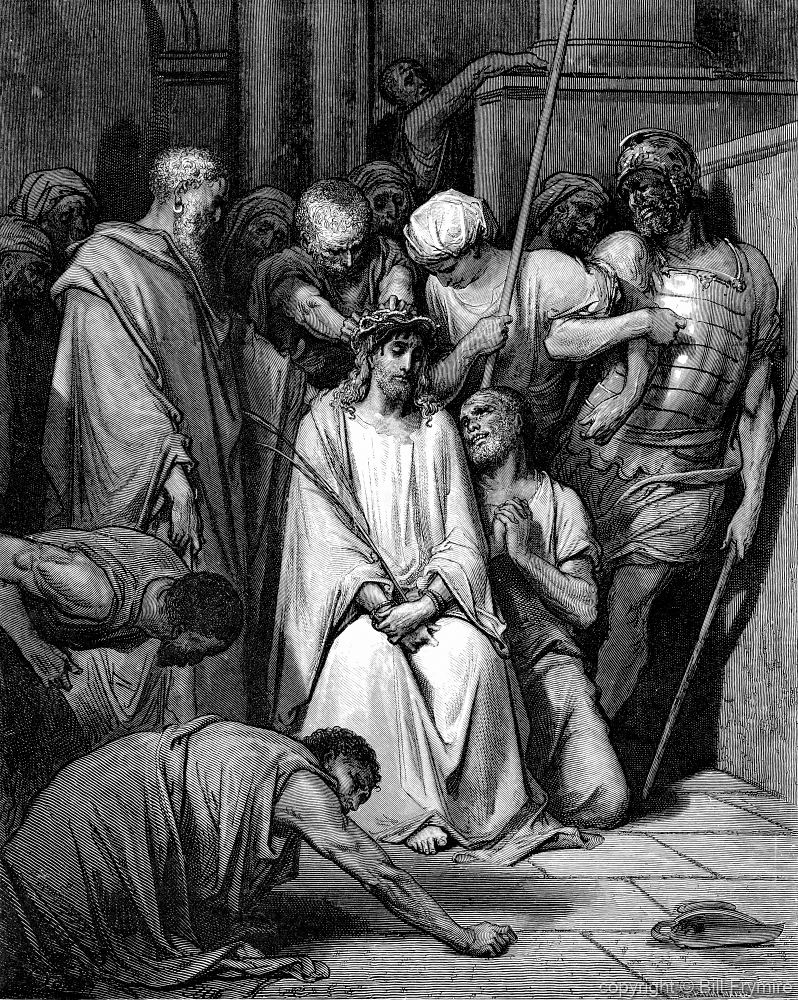
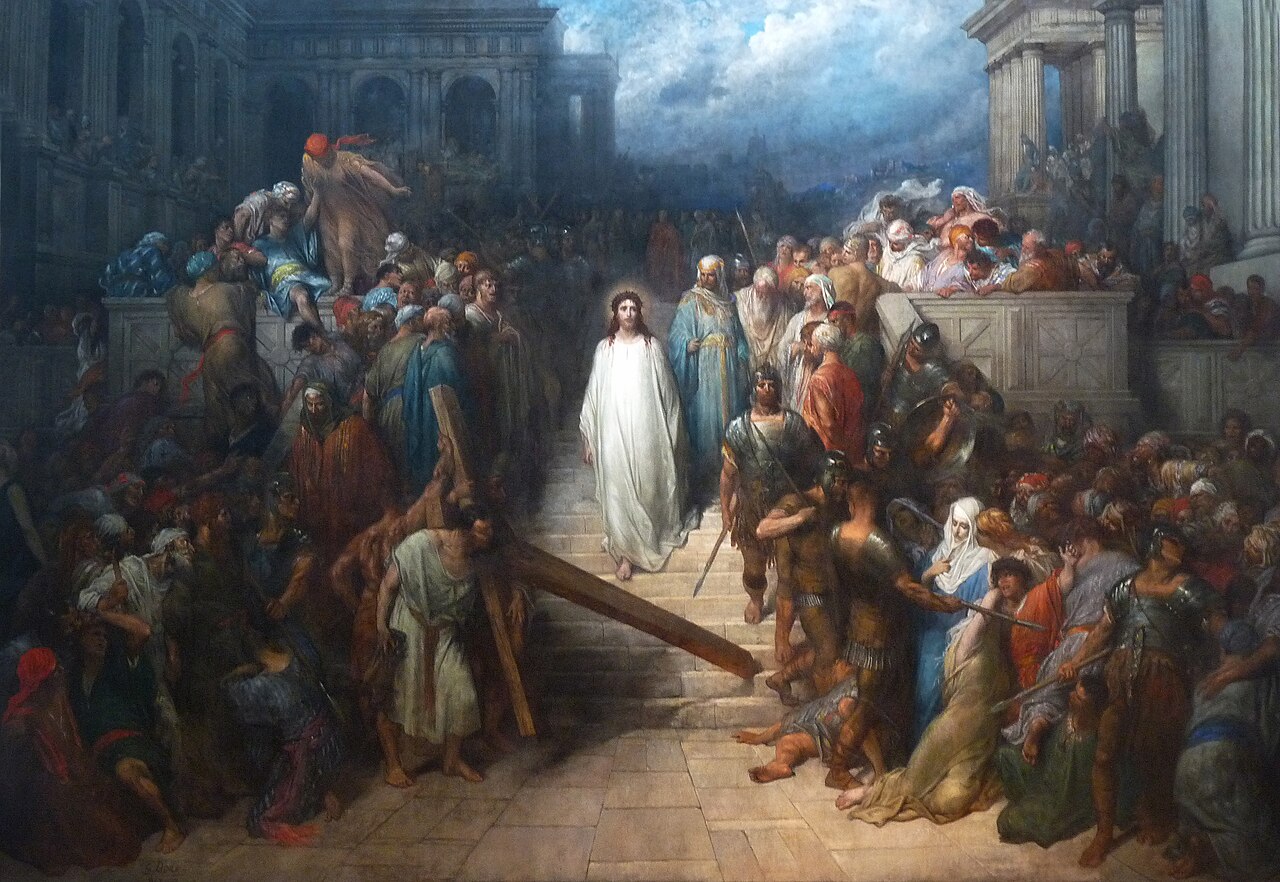
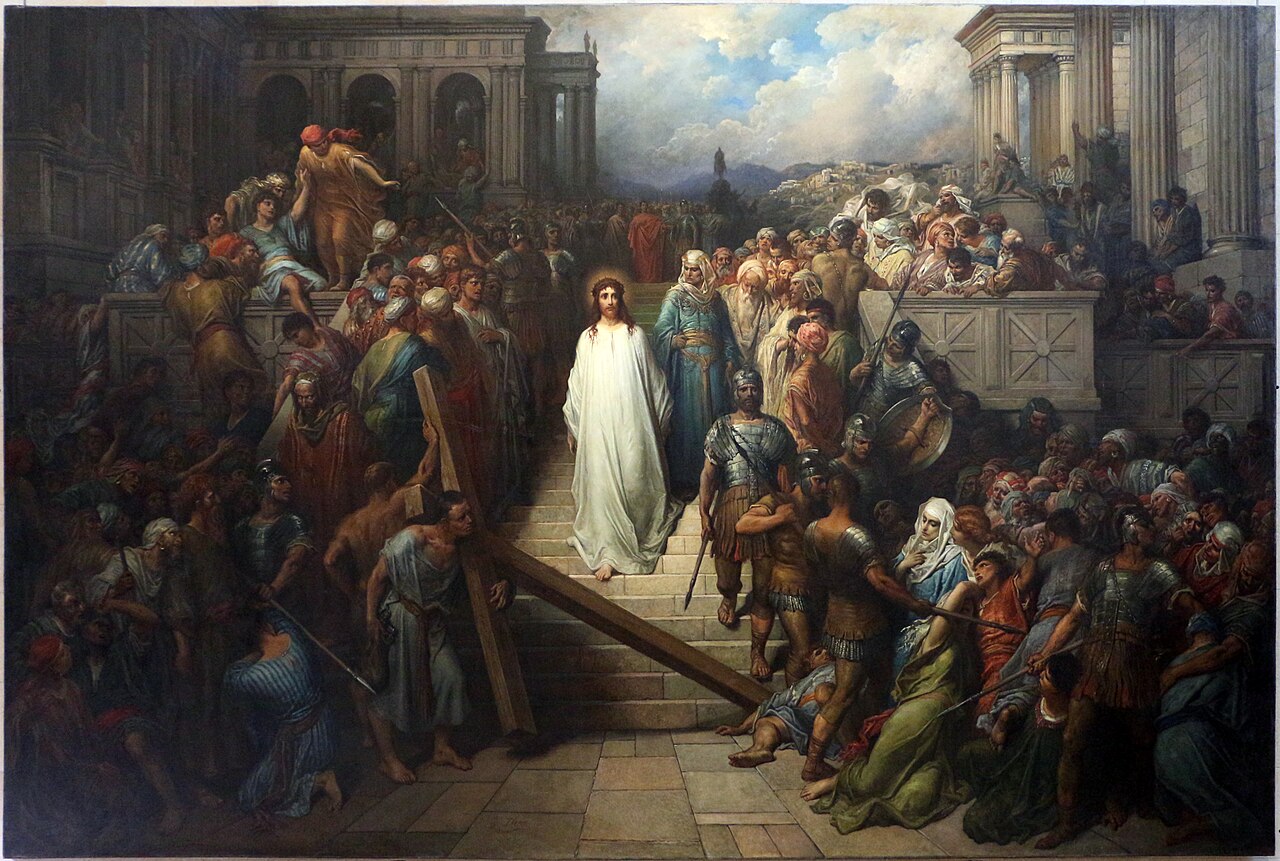
The proceedings involve Annas, Caiaphas, Pilate and Herod, with accusations concerning kingship and political allegiance. Peter’s denial is recorded in the priestly setting. The outcome includes the release of Barabbas and the sentence against Jesus; Simon of Cyrene is made to carry the cross. The execution account records crucifixion, darkness, the torn temple curtain and death. At the cross, John names Jesus’ mother Mary, Mary associated with Clopas, and Mary Magdalene. Burial is undertaken by Joseph of Arimathea, with Nicodemus also named in the preparation of the body. John 18:12-24 Luke 23:1-56 John 19:25-27 John 19:38-42 (Jewish Trials) (Roman Trials) (Crucifixion and Burial)
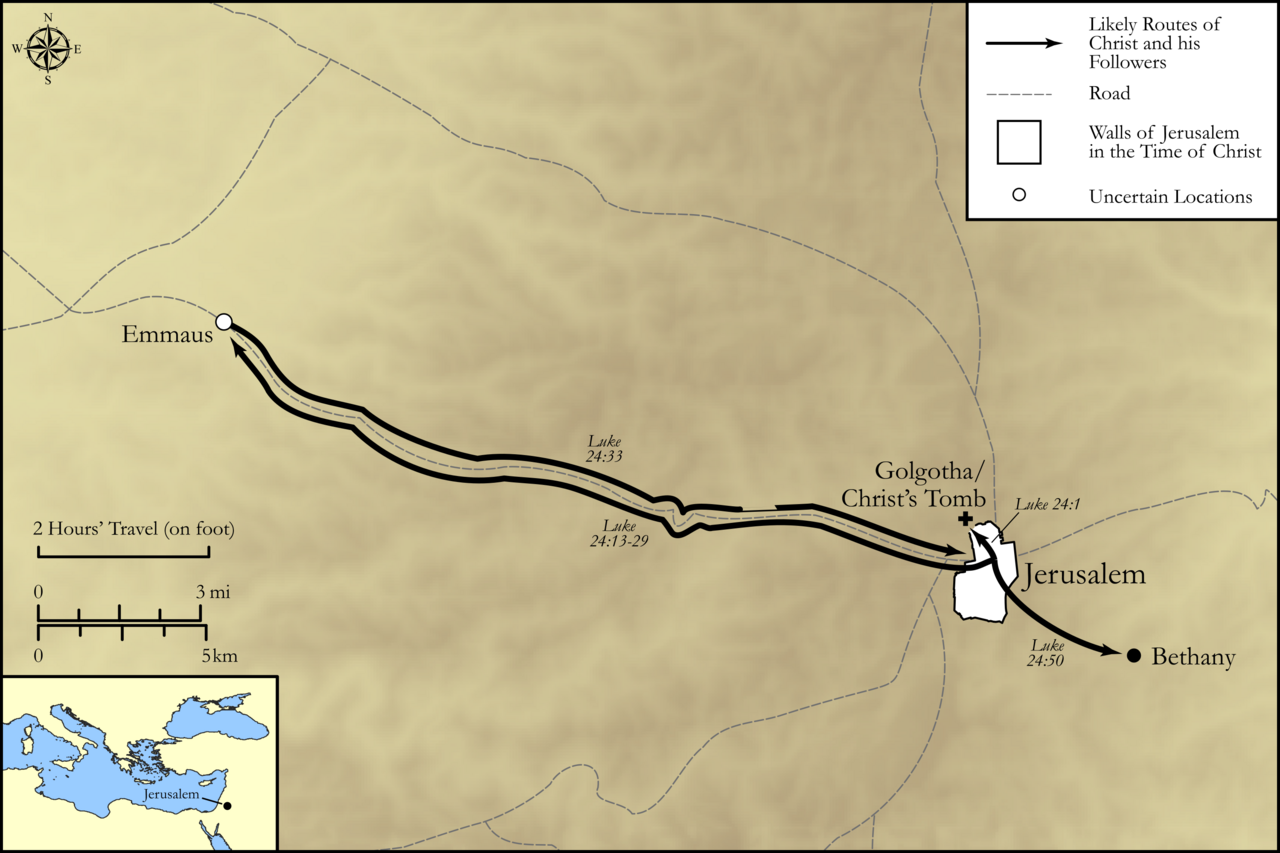
The resurrection witnesses are presented through discovery and encounters. Luke names Mary Magdalene, Joanna and Mary, the mother of James, among those reporting the empty tomb. John records Mary Magdalene’s meeting with the risen Jesus and Thomas’ later confession. The journey toward Emmaus names Cleopas, while the gathering in Jerusalem includes the showing of hands and feet and eating before the disciples. These passages present bodily resurrection and connect witness with the interpretation of Scripture. Luke 24:1-53 John 20:1-31 (Resurrection and Ascension) (The empty tomb and the first resurrection witnesses)
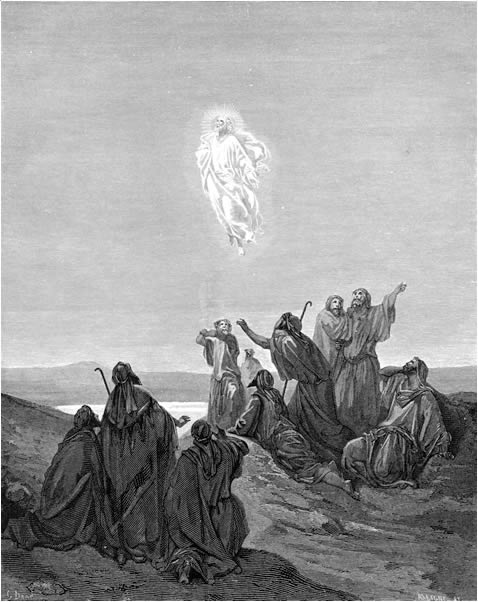
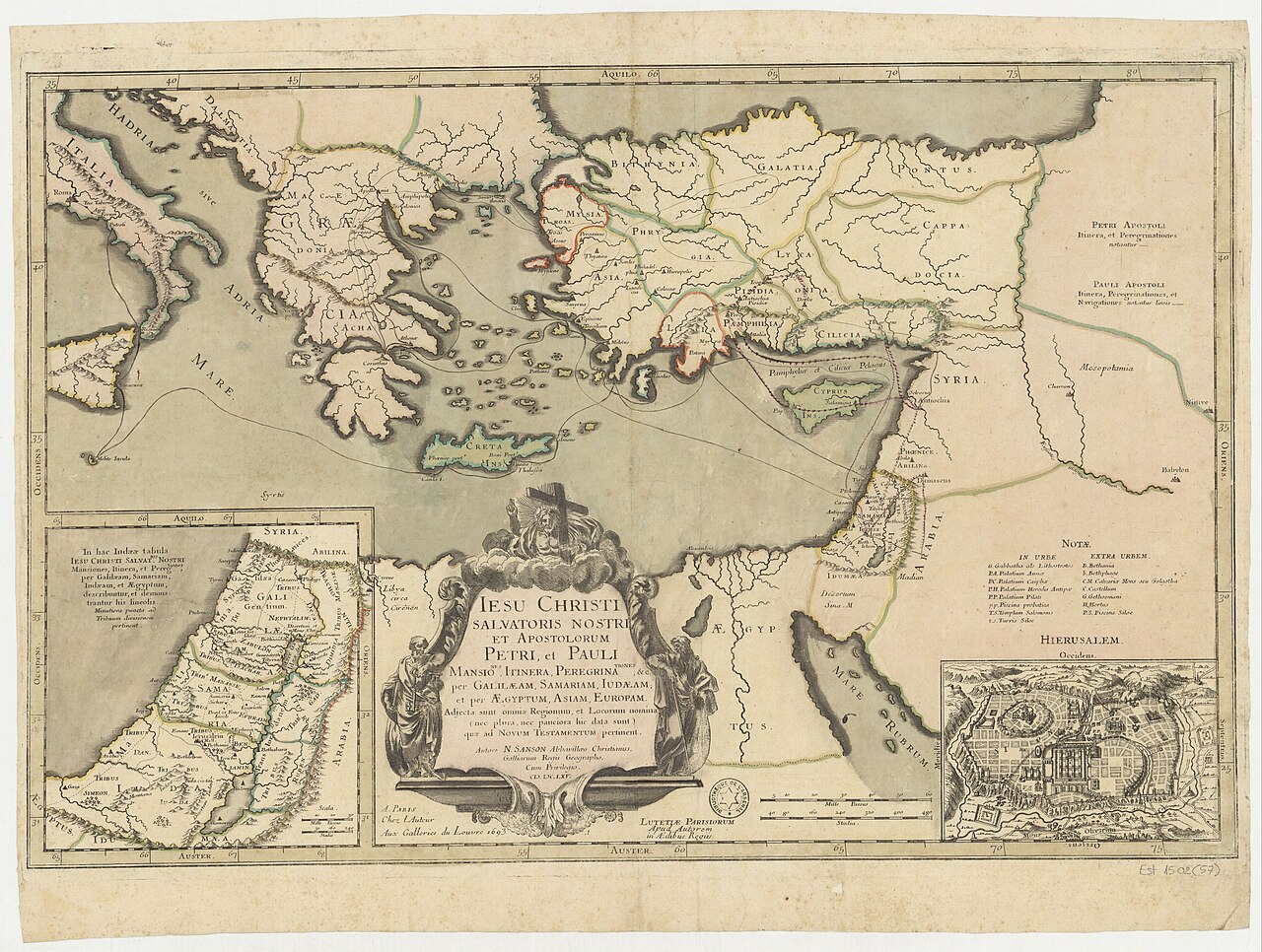
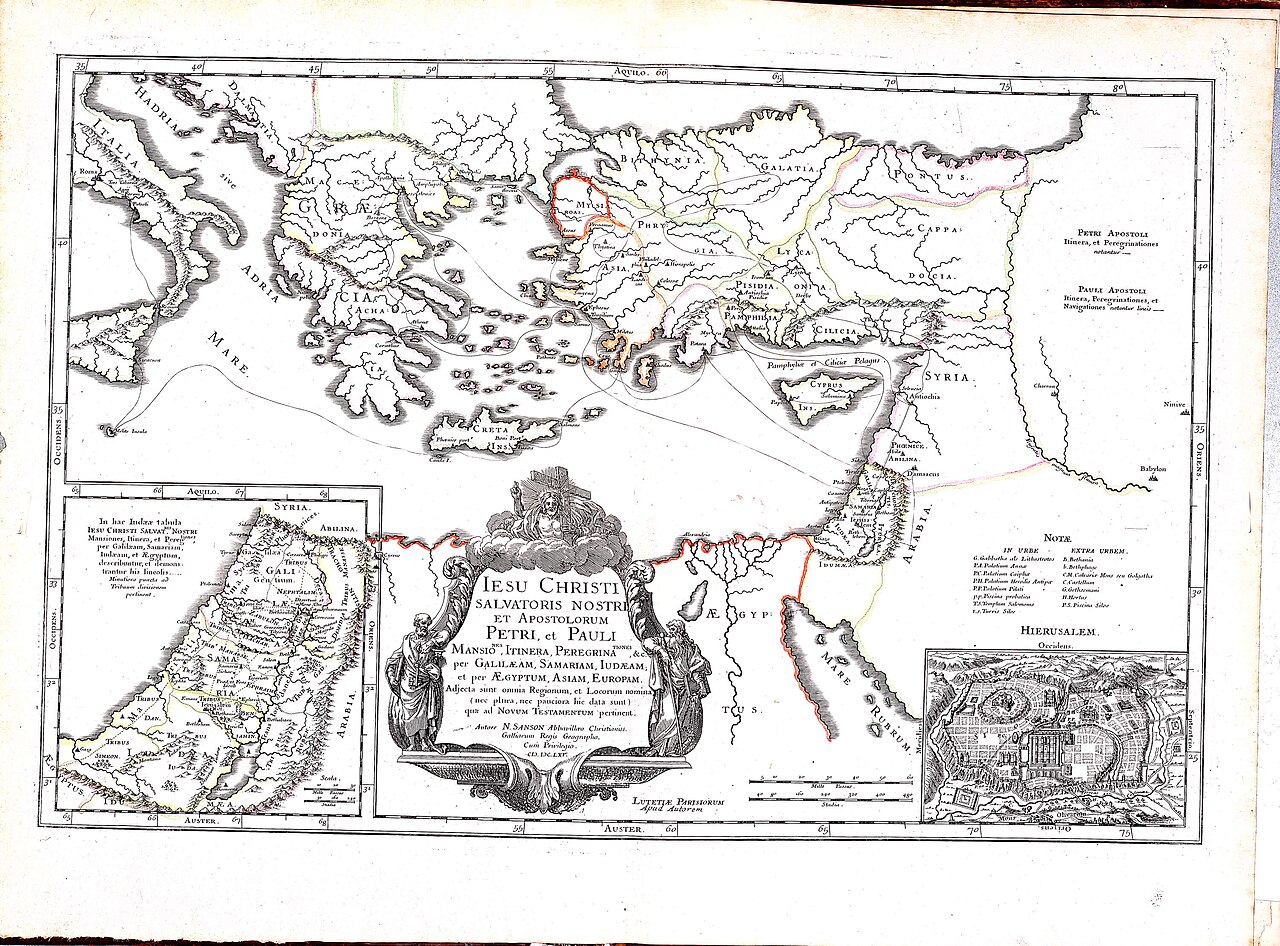
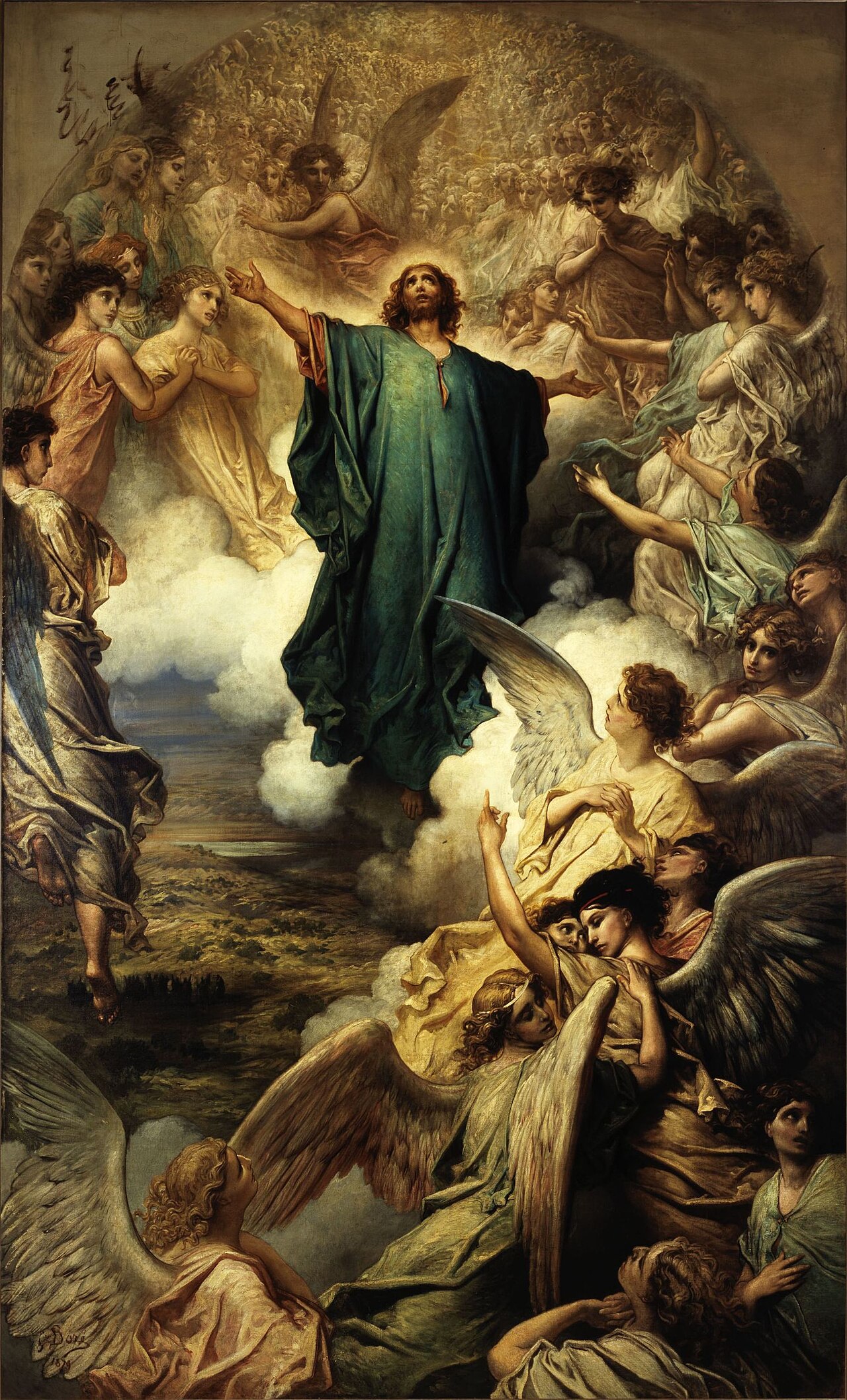
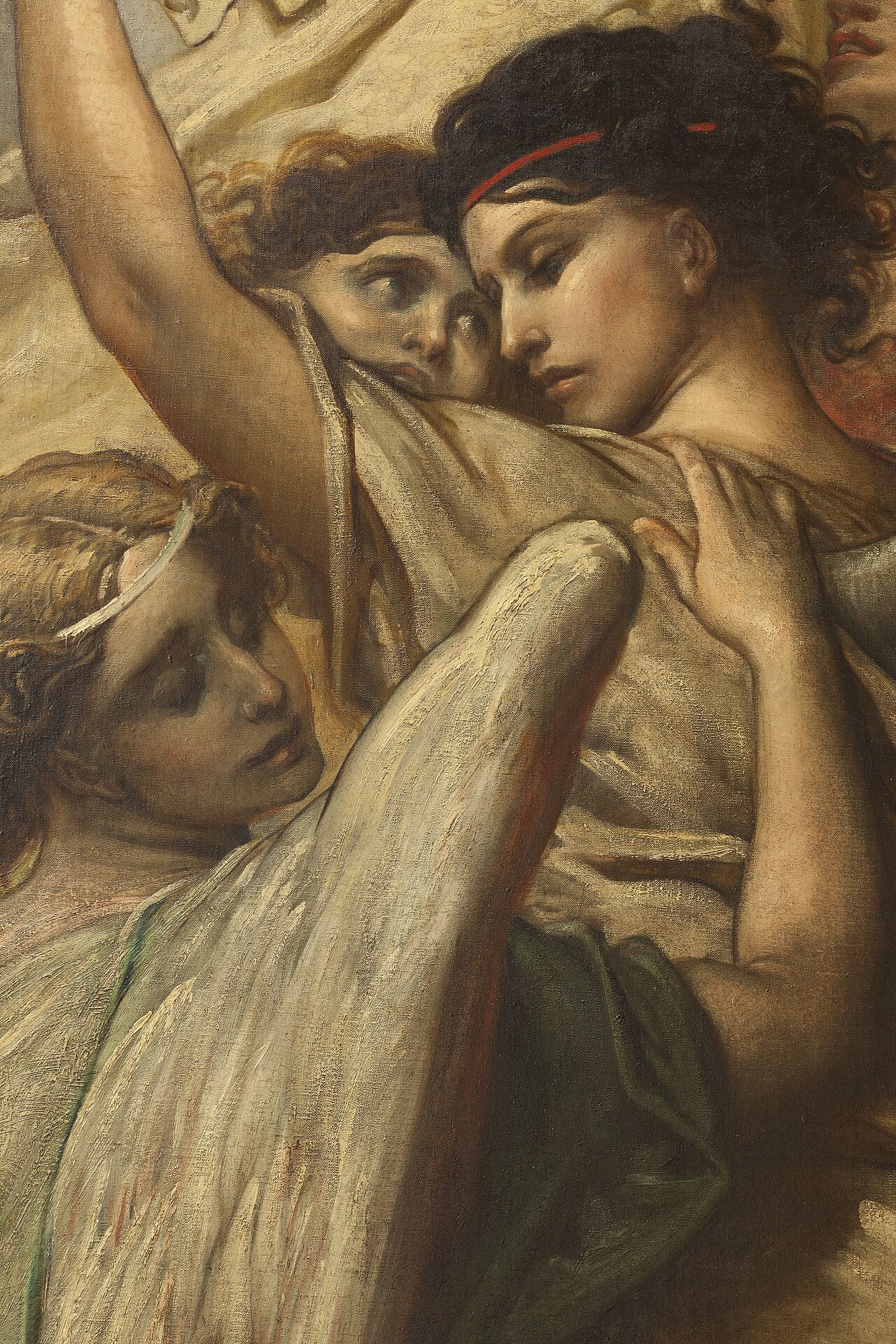
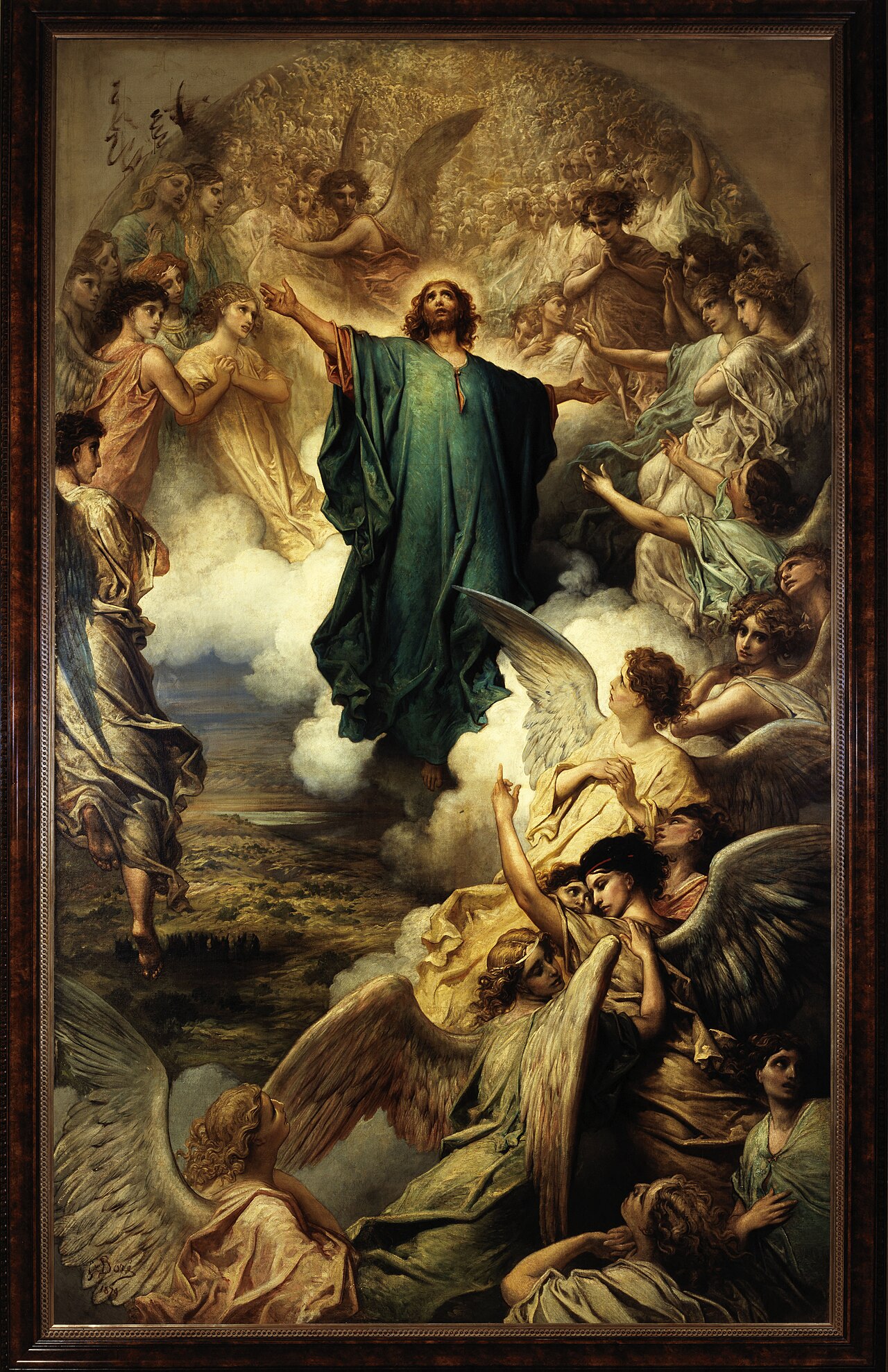
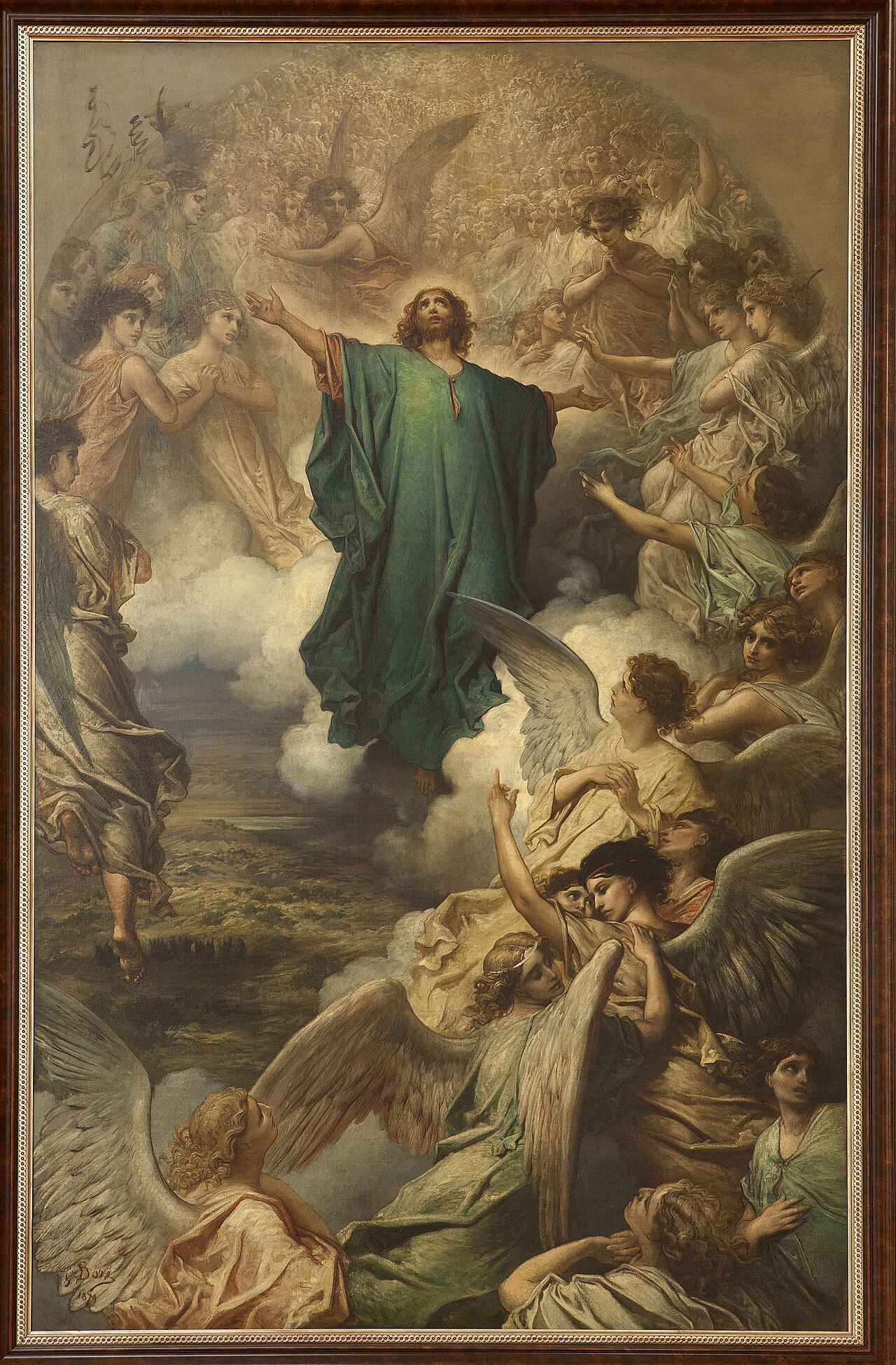
The post-resurrection commission expands the witness beyond Jerusalem. Acts, addressed to Theophilus, describes appearances over forty days, the promised power of the Holy Spirit, the ascension and the assurance of a future return. Peter’s later proclamation summarizes the ministry, death and resurrection and presents Jesus as the appointed judge through whom forgiveness is proclaimed. Paul preserves the testimony to death for sins, burial and resurrection on the third day, naming Cephas and James among the witnesses and including his own appearance testimony. Acts 1:1-11 Acts 10:34-43 1 Cor 15:3-8 (Jesus ascends to Heaven)
Hebrews gives the risen and ascended Jesus a priestly significance: a high priest who knows human temptation without sin, ministers in the heavenly sanctuary, and mediates a better covenant. His appearance before God on behalf of humanity is joined to the sacrifice offered once, without repeated suffering. Hebrews 9:23–28 also anticipates his second appearance for the salvation of those awaiting him. This later New Testament interpretation connects the earthly life, completed sacrifice and continuing heavenly ministry. Heb 4:14-16 Heb 8:1-6 Heb 9:23-28