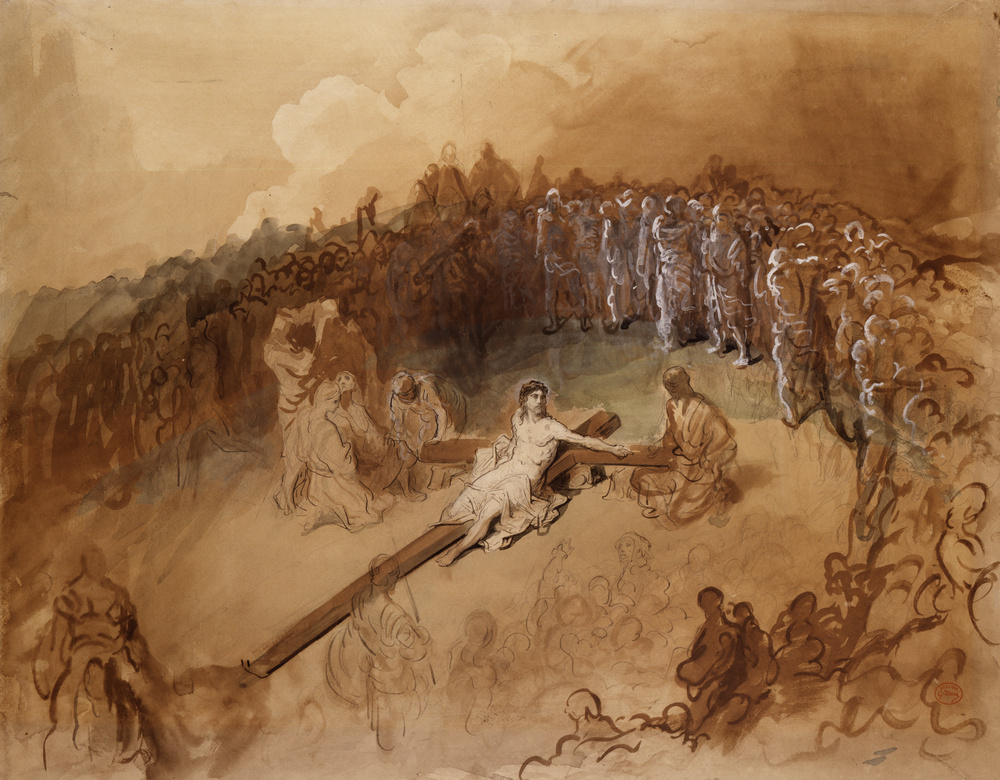
Crucifixion and Burial
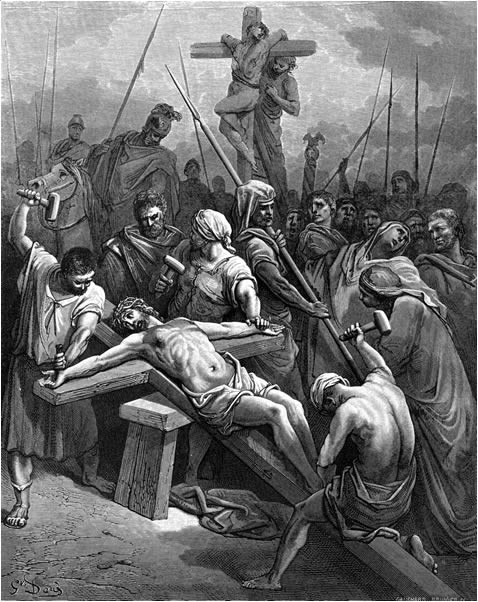
The crucifixion and burial close the trial and execution sequence of Jesus under Pontius Pilate. The execution takes place at Golgotha, near Jerusalem, with two unnamed criminals beside him. The account then follows verification of death, release of the body and burial in a nearby unused tomb. These connected acts precede the resurrection accounts. Matt 27:27-66 John 19:16-42
The confirmation of death provides a direct connection between the execution and the burial. Pilate questions the unnamed centurion before granting Joseph of Arimathea the body. Mary Magdalene and the woman identified as Mary, mother of Joses, observe where it is laid. Their observation continues into the empty-tomb accounts. The burial evidence includes official confirmation, named assistance and witnesses to the tomb. Mark 15:16-47 Laid to Rest, 19/09/2024
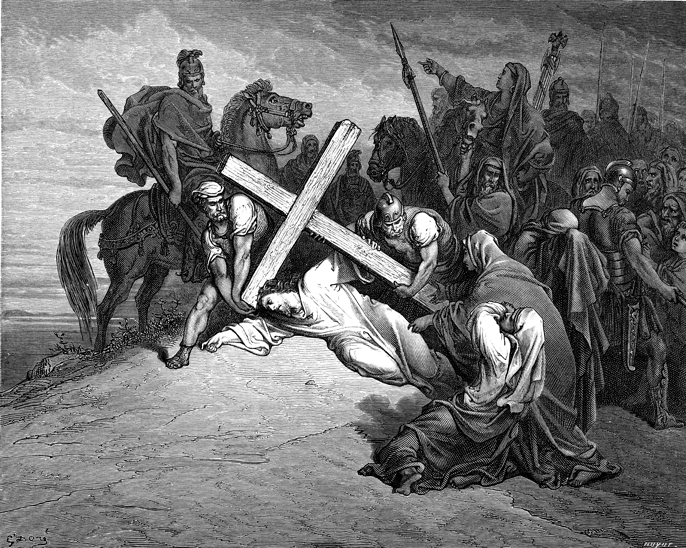
The journey bearing the cross names Simon of Cyrene as the man compelled to carry it. He is identified as the father of Alexander and Rufus. The soldiers’ mockery and the inscription use royal language, while the rulers’ challenge that Jesus save himself refers to his earlier help for others. These public accusations and taunts supply the narrative’s irony of a king undergoing execution. The inscription is reported in Hebrew, Greek and Latin. Mark 15:16-47 John 19:16-42 The Crucifixion, 17/09/2024
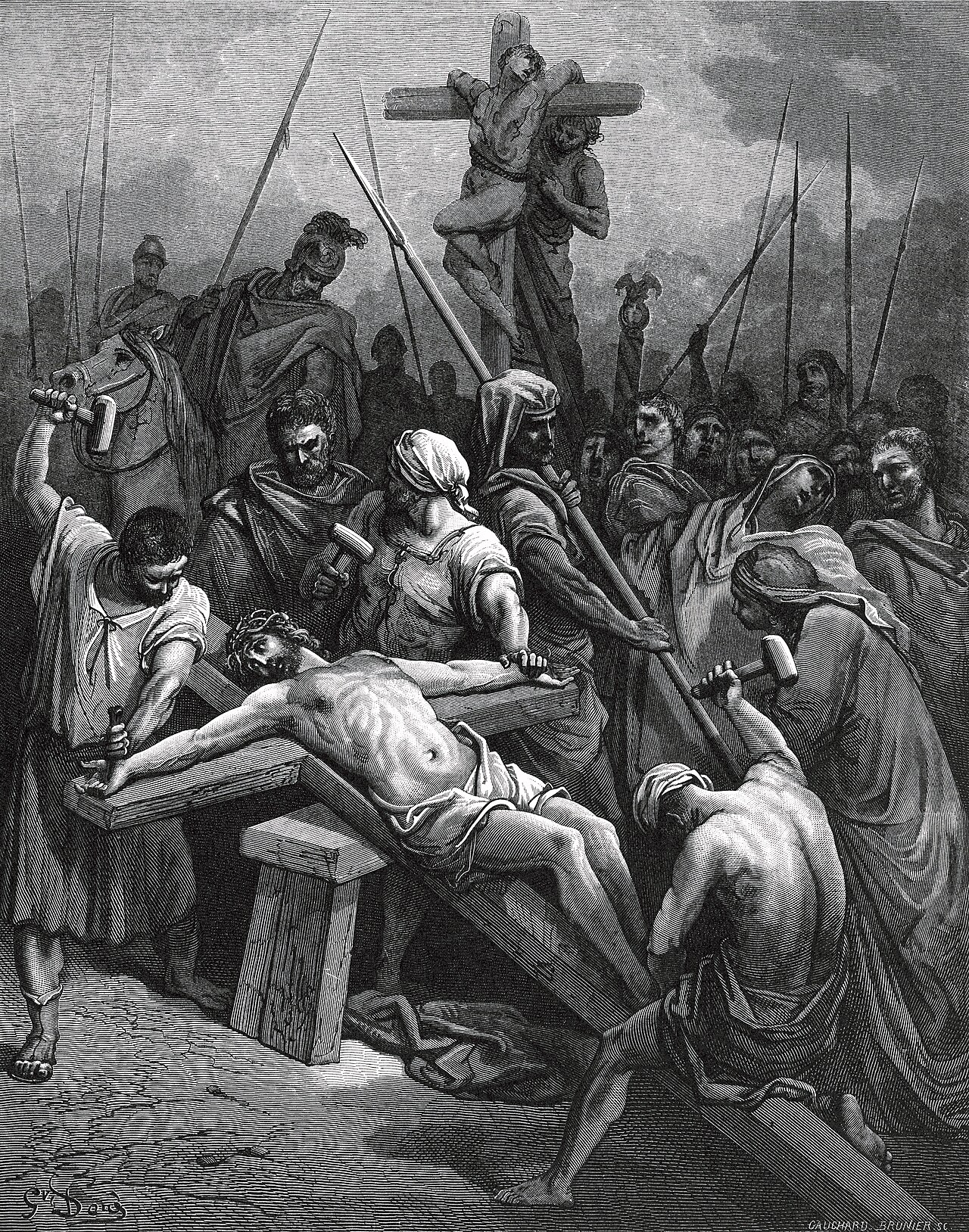
The two criminals are not named in the passages. The account in Luke 23:26-56 preserves one man’s request that Jesus remember him in his kingdom and the assurance of Paradise in reply. It also records Jesus’ prayer to the Father for forgiveness. The scene thus includes accusation, intercession and a promise within the execution itself. Luke 23:26-56
The witnesses are described through more than one grouping. Mary Magdalene, Mary, mother of James the Less and Joses, and Salome watch from a distance. The account in John 19:16-42 names Jesus’ mother, her unnamed sister, Mary associated with Clopas and Mary Magdalene near the cross. Clopas is the identifying association for that Mary. Jesus entrusts his mother to the unnamed beloved disciple. Mark 15:16-47
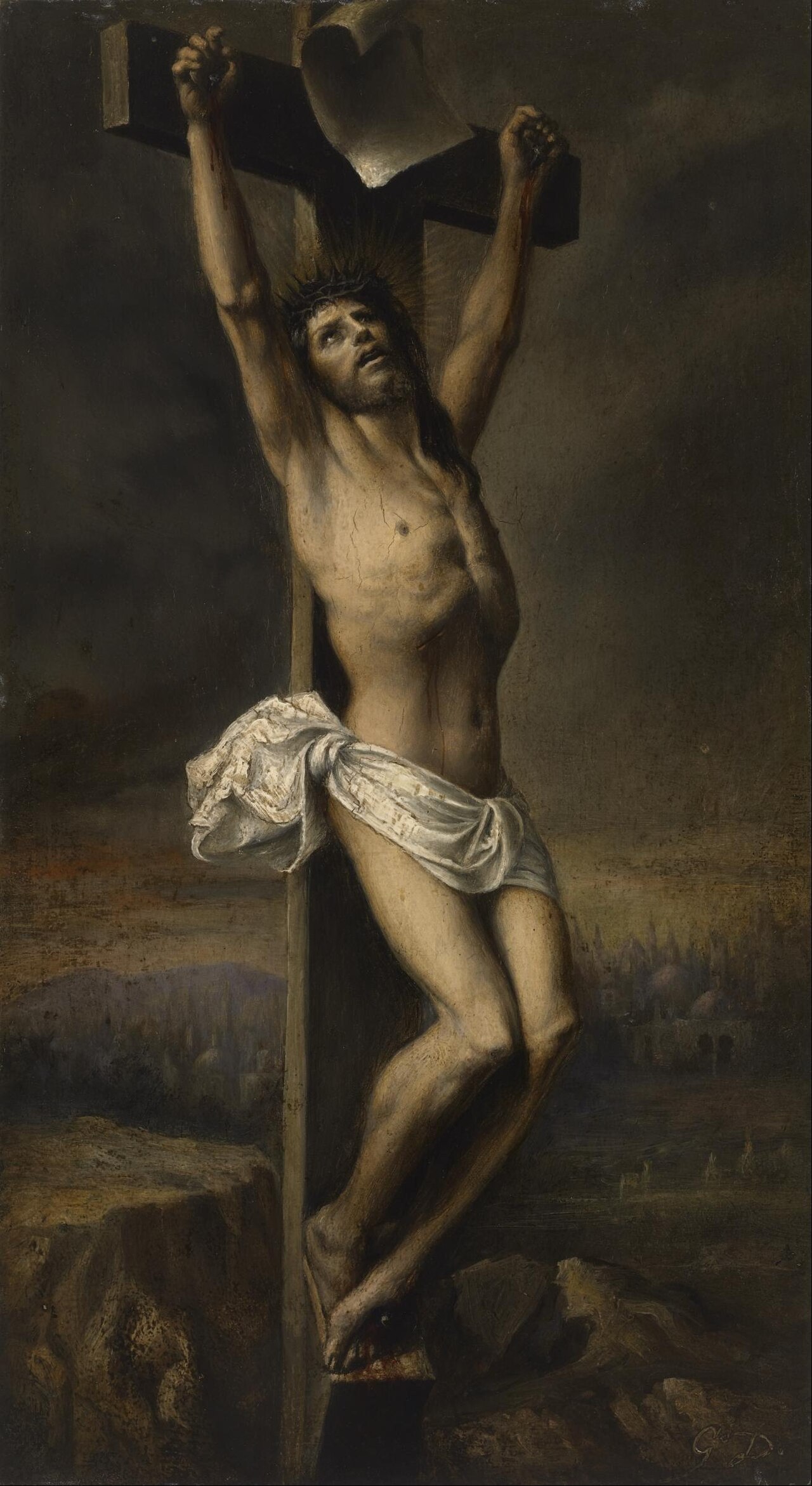
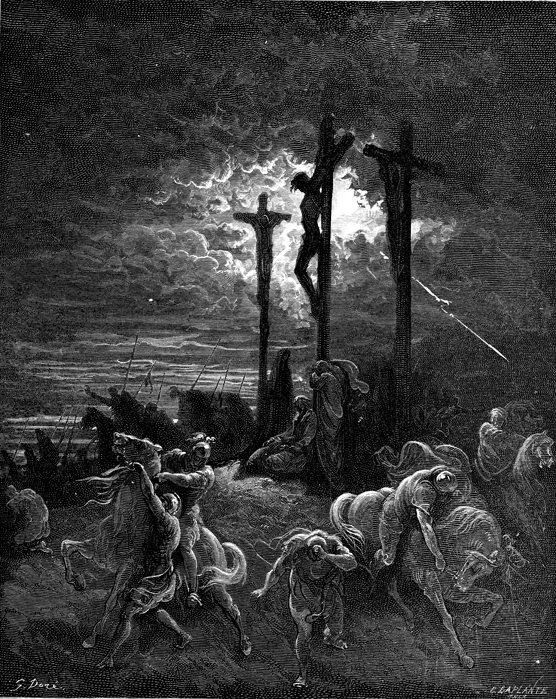
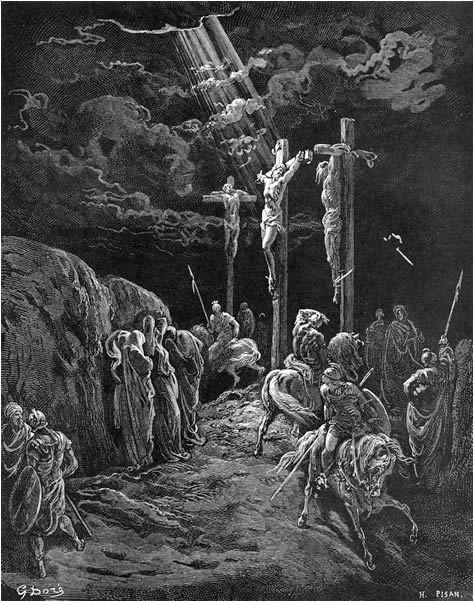
The darkness extends from the sixth to the ninth hour. The cry of Jesus is misunderstood by some bystanders as an appeal to Elijah. The accounts record his death and the tearing of the temple curtain. The account in Matt 27:51-54 adds an earthquake and opened graves, while placing the emergence and appearance of risen saints after Jesus’ resurrection. The unnamed centurion’s response is recorded within these death scenes. Matt 27:27-66 Mark 15:16-47 Luke 23:26-56
The account in John 19:16-42 distinguishes the treatment of Jesus’ body from that of the two others. The soldiers break their legs, but find Jesus already dead and do not break his. A soldier pierces his side, and the passage records blood and water and relates the unbroken bones and piercing to Scripture. These notices belong to the account’s confirmation of death and its interpretation of the execution. John 19:16-42
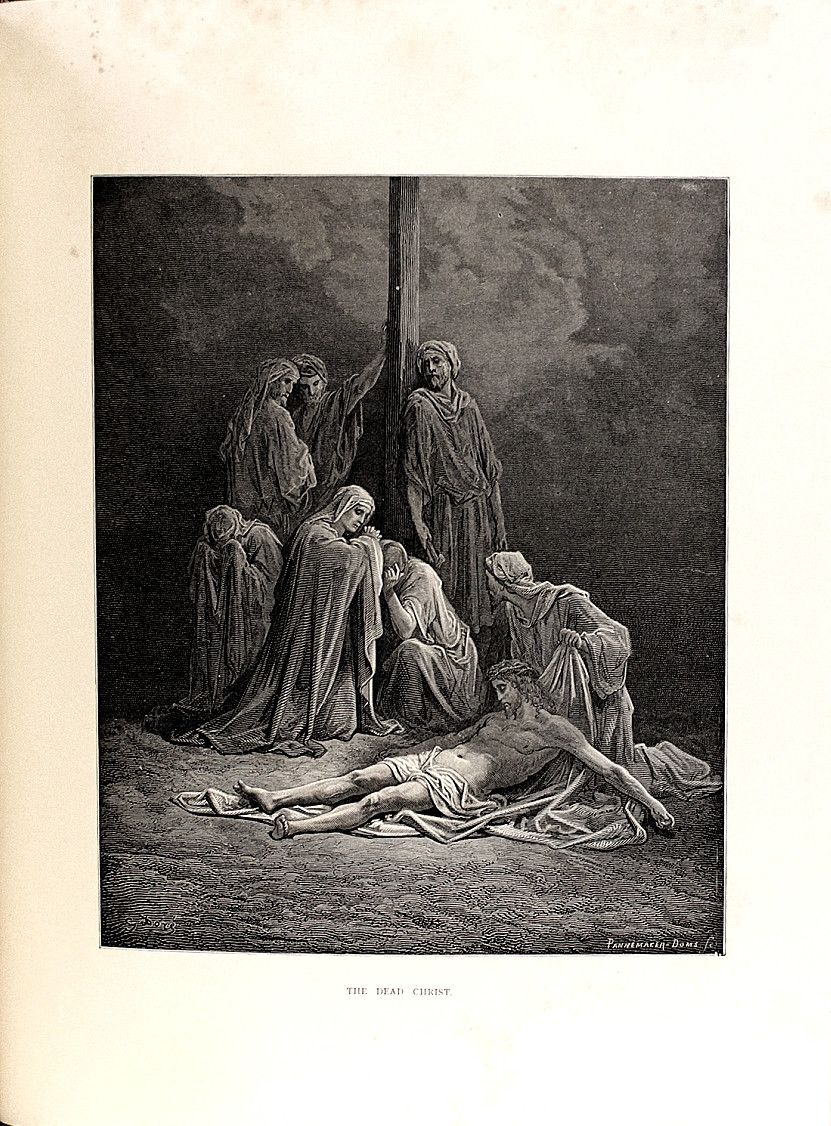
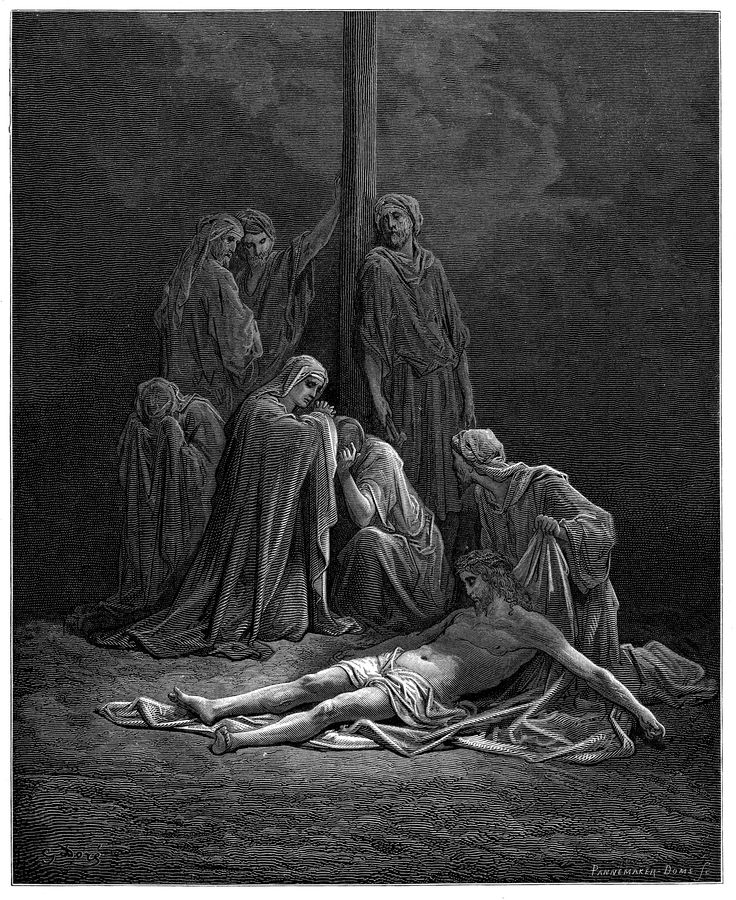
Joseph of Arimathea obtains permission from Pilate and provides the tomb; Nicodemus brings myrrh and aloes, and the body is wrapped in linen with the spices. The proximity of the new rock-cut tomb allows burial before the approaching Sabbath. The women observe the burial, prepare aromatics and rest on the Sabbath according to the commandment. The account in Matt 27:27-66 places the request for a guard and the sealing of the tomb on the following day. John 19:16-42 Luke 23:26-56
Later biblical interpretation gives the death its saving significance. Paul presents Christ’s death for sins, burial and resurrection as the received gospel in 1 Cor 15:1-4. The explanation in Heb 9:11-15 connects Christ’s own offering with redemption and mediation. These later statements interpret the narrated death as the foundation of salvation, while preserving burial and resurrection as distinct parts of the sequence. Heb 9:11-15